Selective Pigment Destruction
Laser light of a specific wavelength is selectively absorbed only by tattoo pigment, effectively destroying it while minimizing damage to surrounding skin.
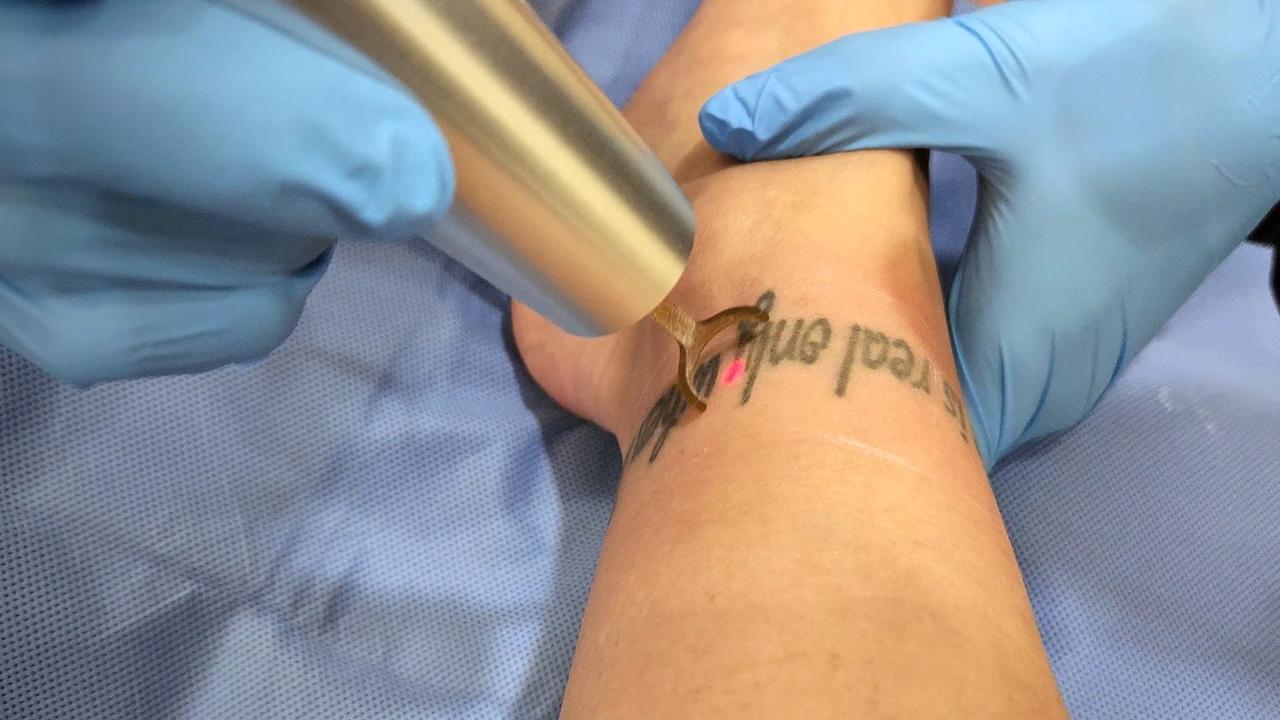
This is a standard tattoo removal procedure using an Nd:YAG laser. The laser light of a specific wavelength is selectively absorbed only by the tattoo pigment, minimizing damage to the surrounding skin tissue while destroying the pigment. It is particularly effective for removing black and dark-colored tattoos. It is especially suitable for removing cosmetic tattoos in sensitive areas such as the upper or lower eyeliner and lip lines, providing satisfactory results through a precise and safe procedure.

Key treatment facts worth knowing before your consultation.
Laser light of a specific wavelength is selectively absorbed only by tattoo pigment, effectively destroying it while minimizing damage to surrounding skin.
Effective for removing black and dark-colored regular tattoos as well as cosmetic tattoos on sensitive areas such as eyeline and lip line.
Precise treatment minimizes damage to surrounding skin tissue, safely removing tattoo pigment with satisfying results.
See which concerns this treatment addresses. Whether it suits you is decided after we examine your skin.
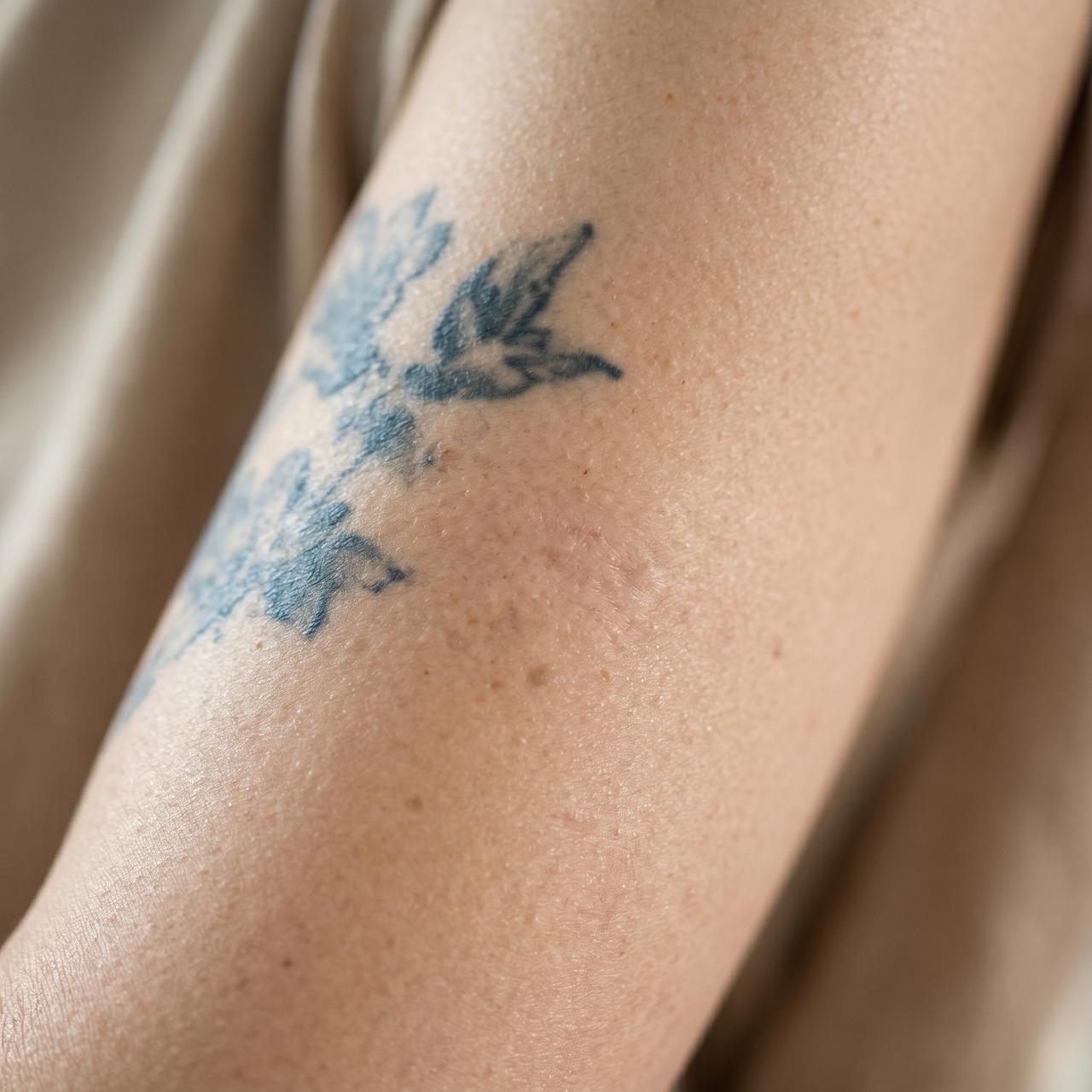
Is it difficult to visit the clinic multiple times, or are you tired of the slow pace of conventional tattoo removal procedures? Yonsei Star Dermatology's unique R-Zero technique allows for up to 4 laser passes in a single session, maximizing the effect of each visit.
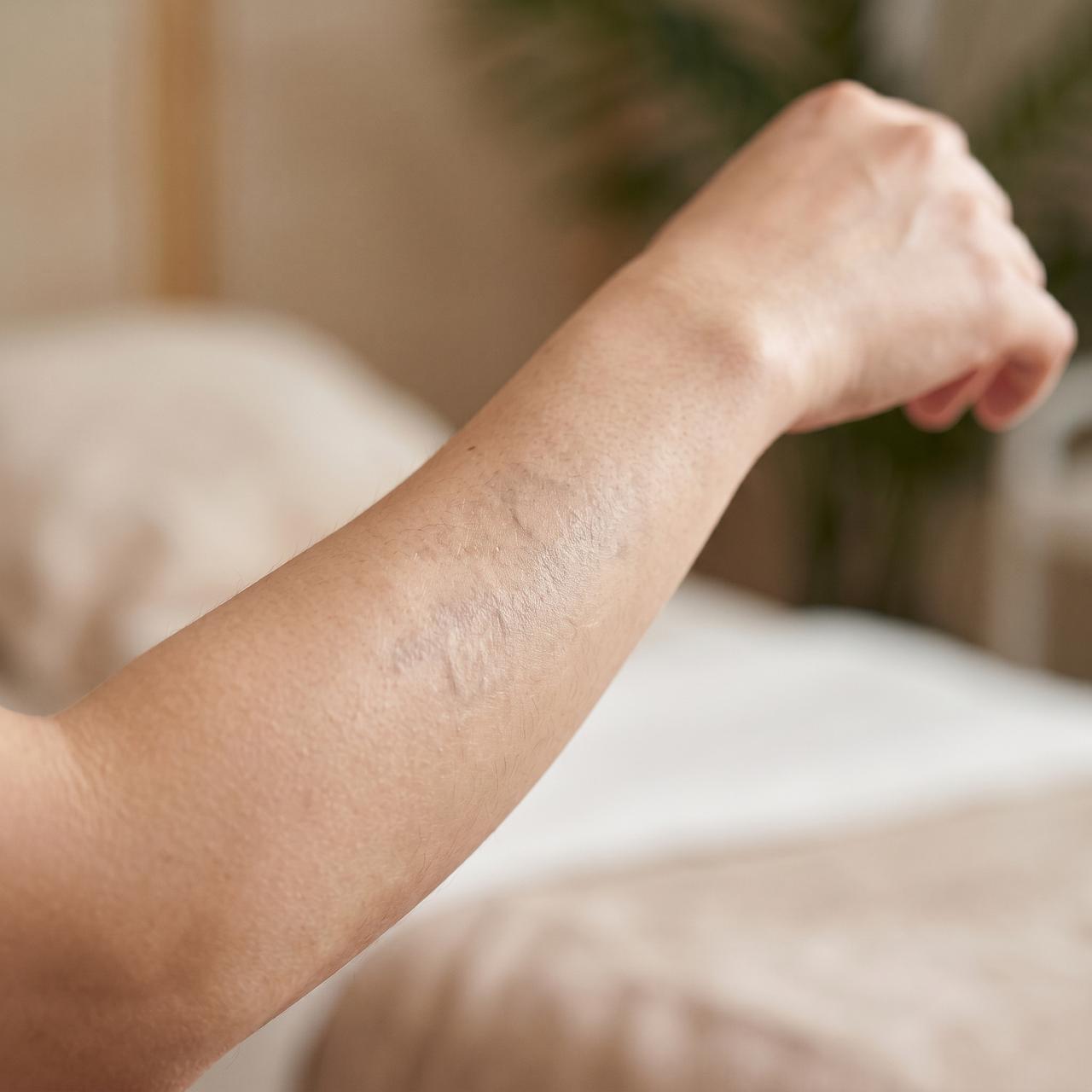
Are you hesitant about tattoo removal because you're worried about scarring? As a clinic specializing in scar treatment, we leverage our expertise to minimize the possibility of scarring, for instance by using a blister-prevention laser immediately after the procedure.
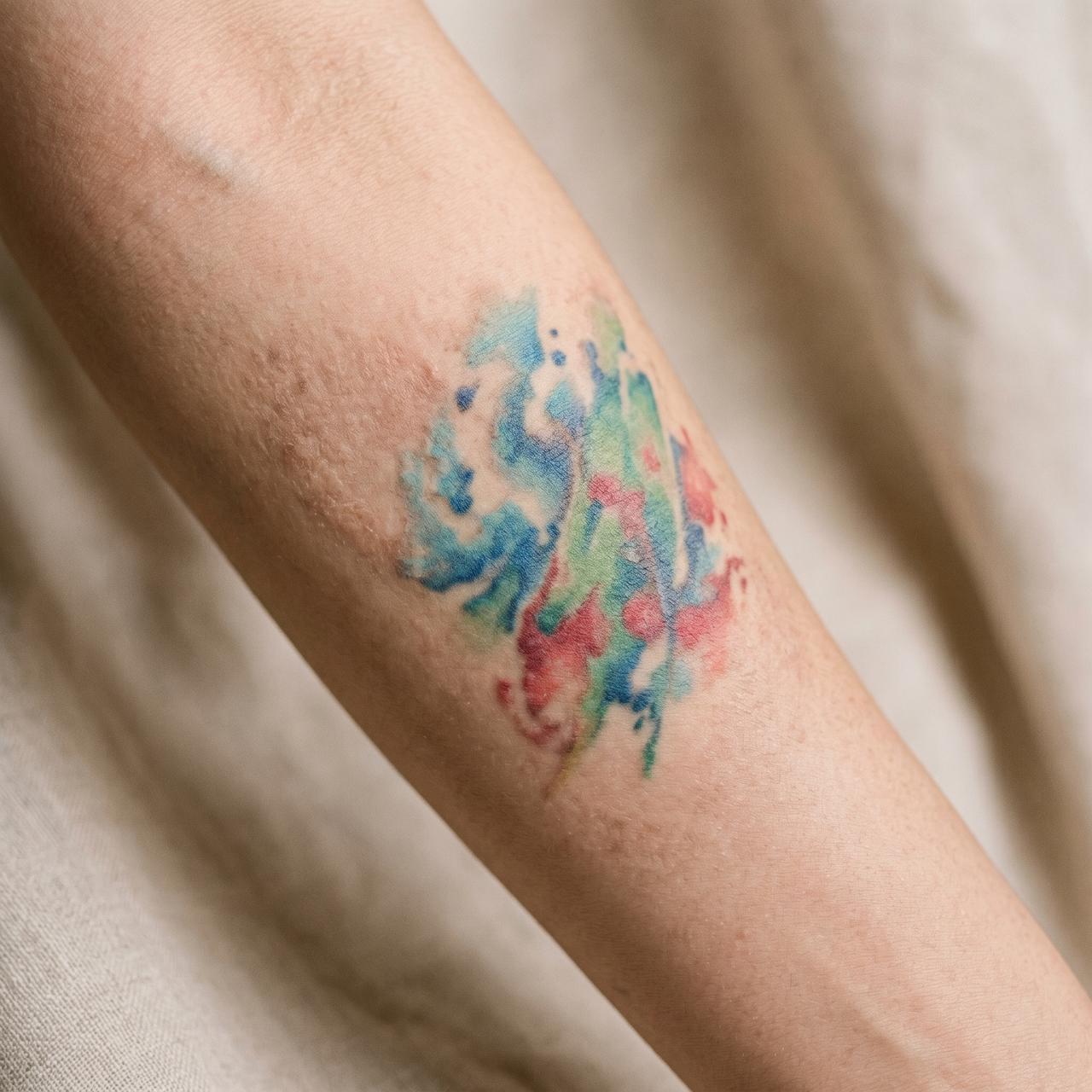
Are you struggling with a color tattoo, which is trickier to remove than a black-and-white one? Based on our top-tier PicoWay laser and extensive clinical experience, we effectively remove tattoos of various colors and carefully manage any potential side effects.
What changes after treatment. The degree and timing depend on your skin and the number of sessions.
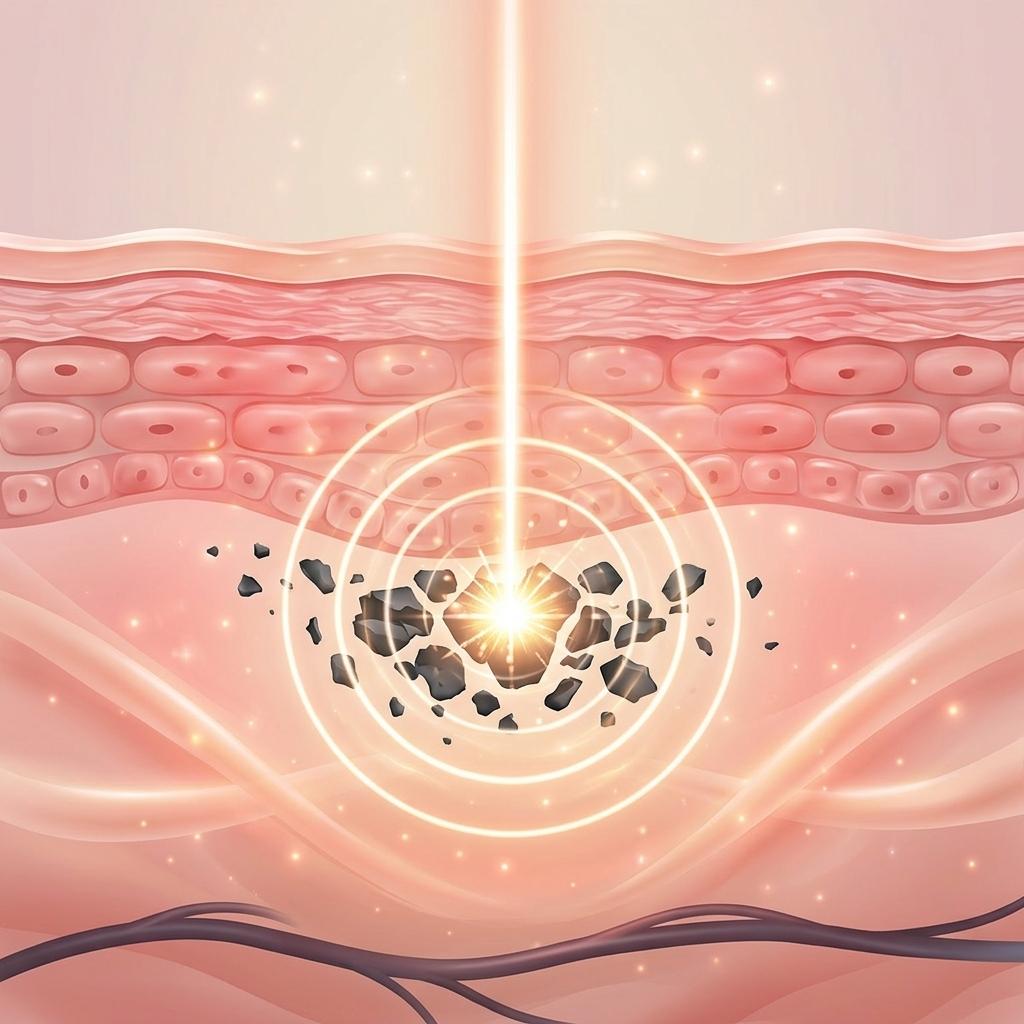
Built on the principle that specific Nd:YAG wavelengths are selectively absorbed by tattoo pigment, this method is designed to target the pigment.
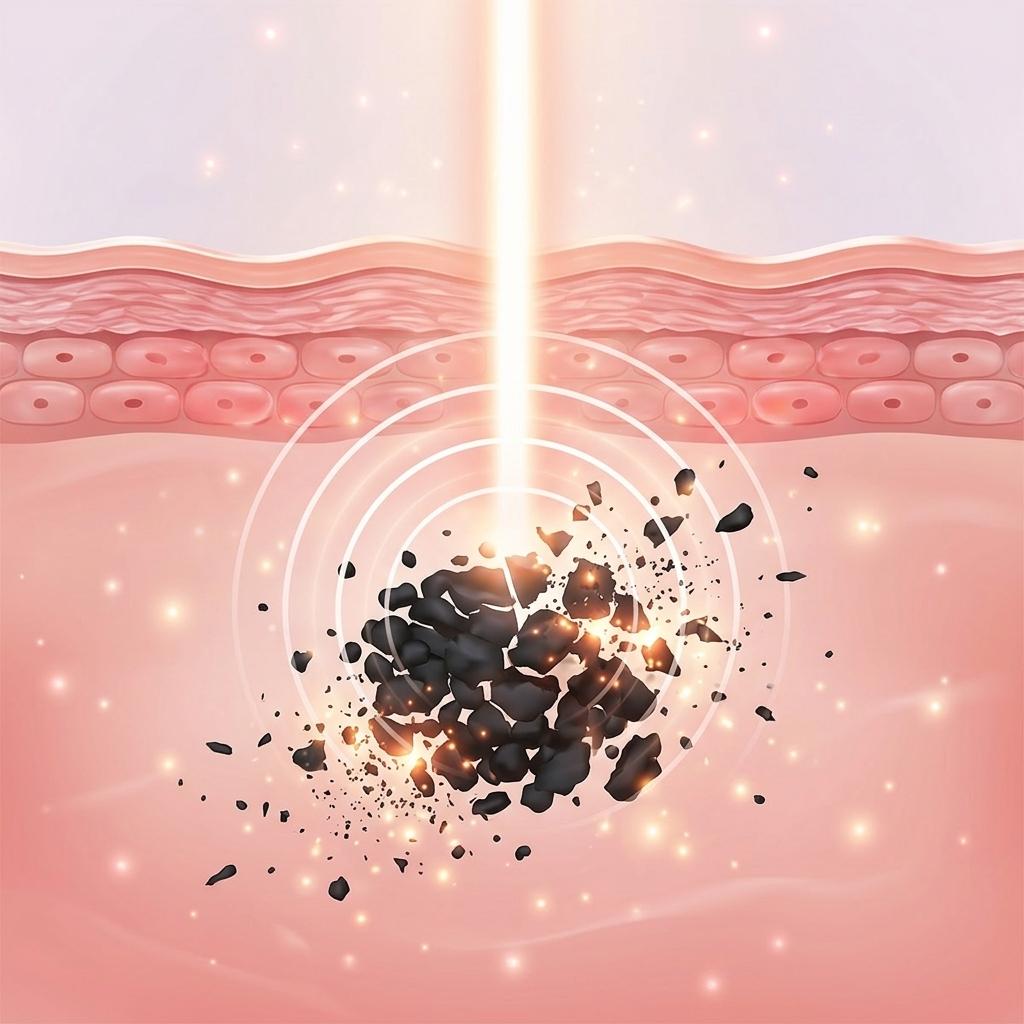
Leveraging a wavelength that responds well to dark pigments such as black, this method is widely used for removing common dark tattoos. Results can vary with color and depth.
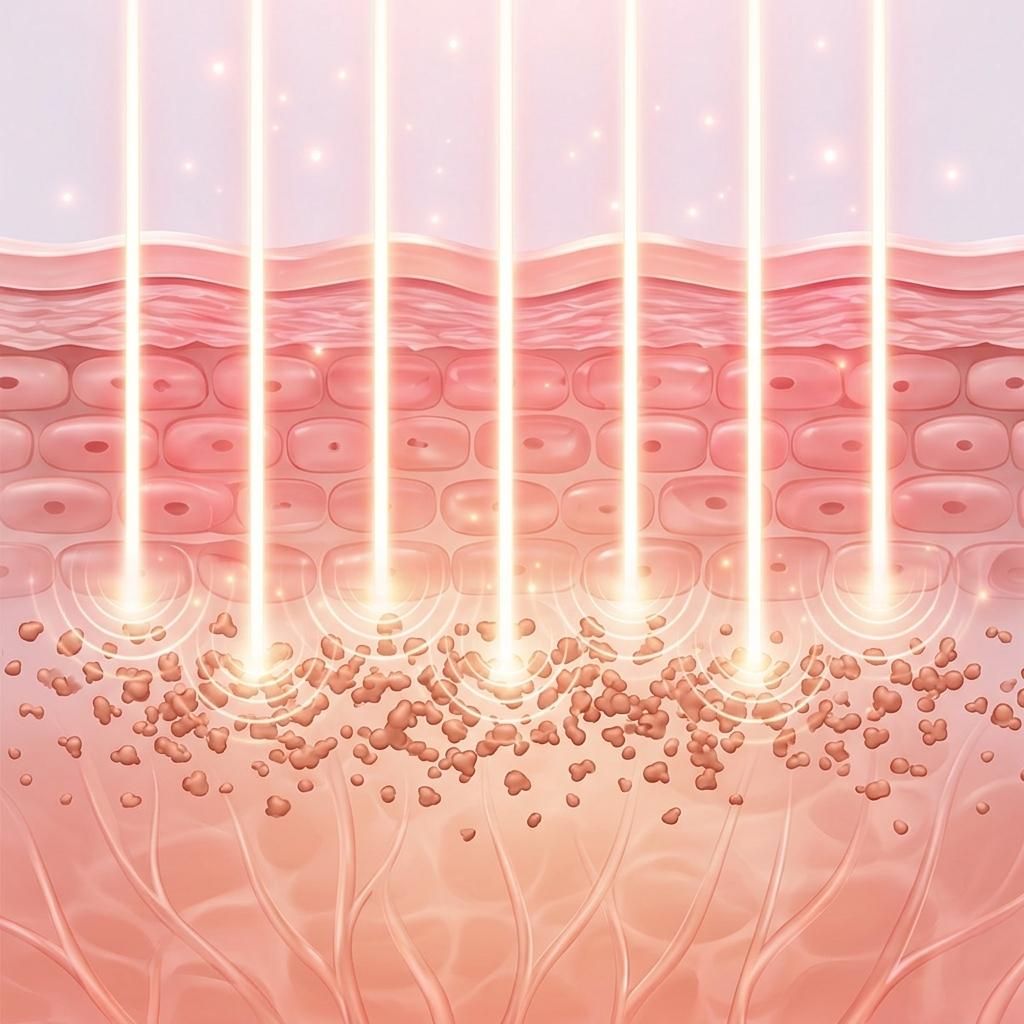
Nd:YAG is a standard laser long used in tattoo removal, built on a device with broad accumulated clinical experience.
Yonsei Star's step-by-step treatment design, reaching from the skin surface to deep within the dermis.
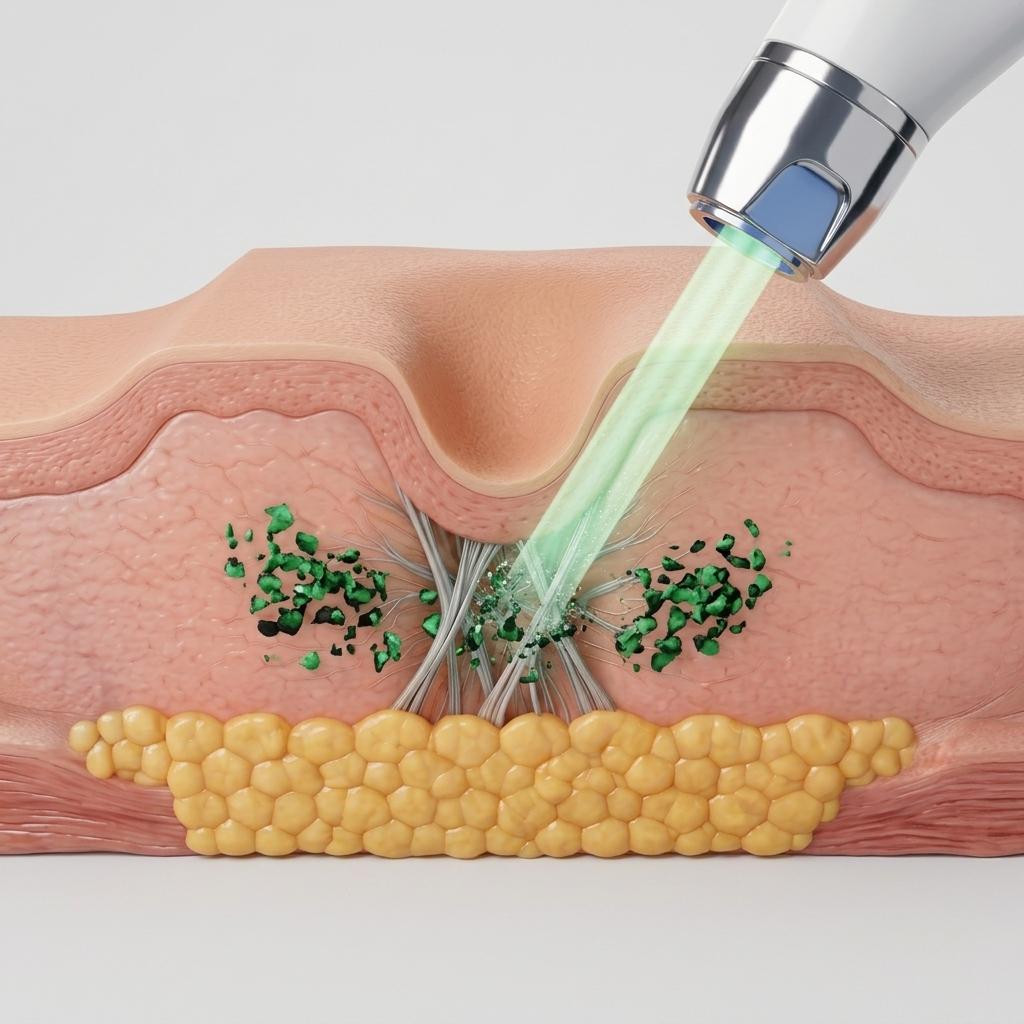
Specific wavelengths of the Nd:YAG laser are selectively absorbed only by tattoo pigment.
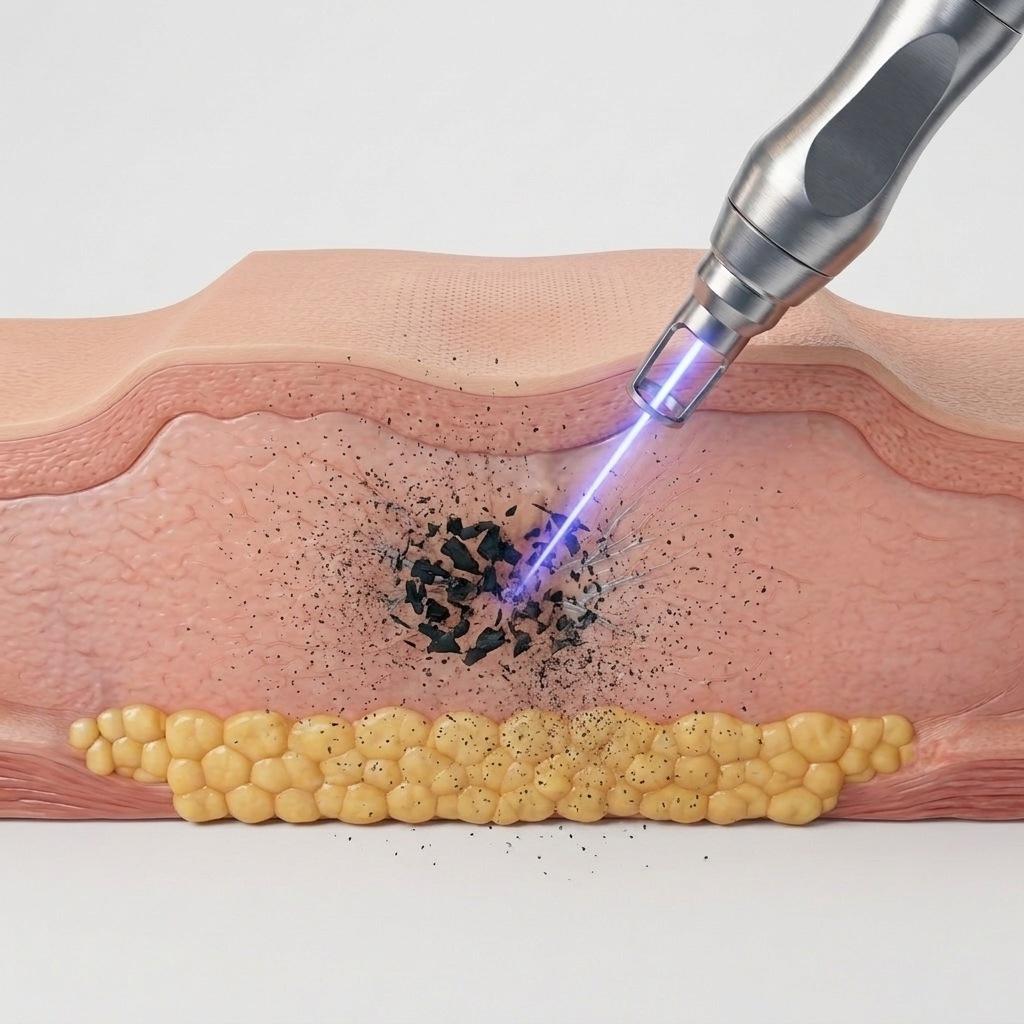
The absorbed energy shatters the pigment into fine particles while minimizing damage to surrounding skin.
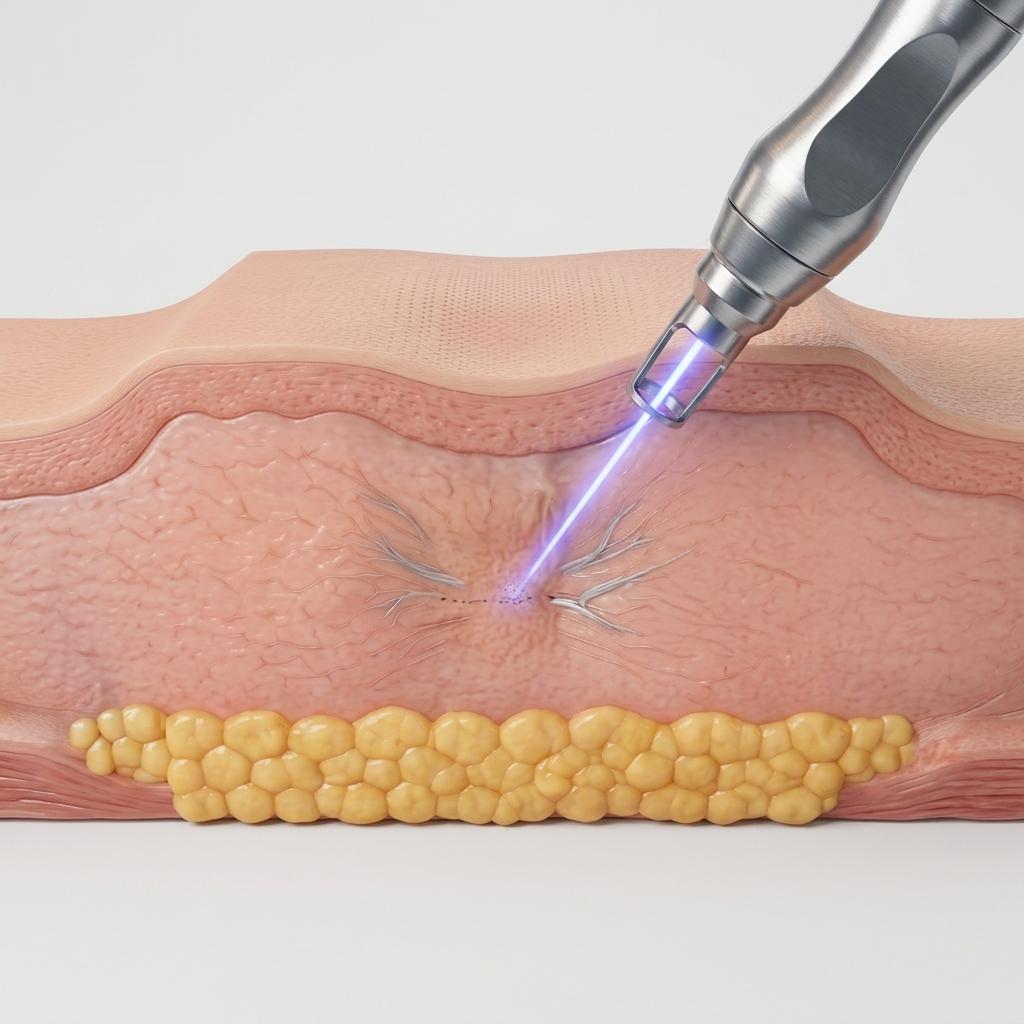
Precisely removes cosmetic tattoos even in sensitive areas such as the eyeline and lip line.
See treatment details and results in video.
The reason why your Irezumi tattoo removal, which you started with great determination, has been stagnant for over two years is not simply due to its size or color. Dr. Lee Sang-ju of Yonsei Star Dermatology explains the scientific reasons and approaches for tattoos that are difficult to remove with lasers.
We've compiled information from a clinical perspective on why laser tattoo removal is painful, the differences in pain by body area, and methods to reduce pain through anesthesia and pre/post-procedure care.
Before treatment, check how the area, color, equipment type, and number of sessions affect the cost and results of tattoo removal.
More frequent laser sessions do not remove large tattoos faster. Important points to know in advance about pain, blisters, and pigment changes.
Why do tattoo removal results differ, even with the same procedure? We explain the three key factors that create speed, safety, and a clean finish, from the perspective of a dermatology specialist.
Tattoo removal is not a simple process. A professional approach that considers individual differences such as duration, pain, color, and the possibility of scarring is important.
Pain during tattoo removal varies by area and individual, but can be sufficiently managed with pre- and post-treatment care and the clinic's pain control techniques.
Aftercare is as important as the tattoo removal procedure! Learn how to reduce side effects like inflammation and hyperpigmentation and recover safely.
1 / 8
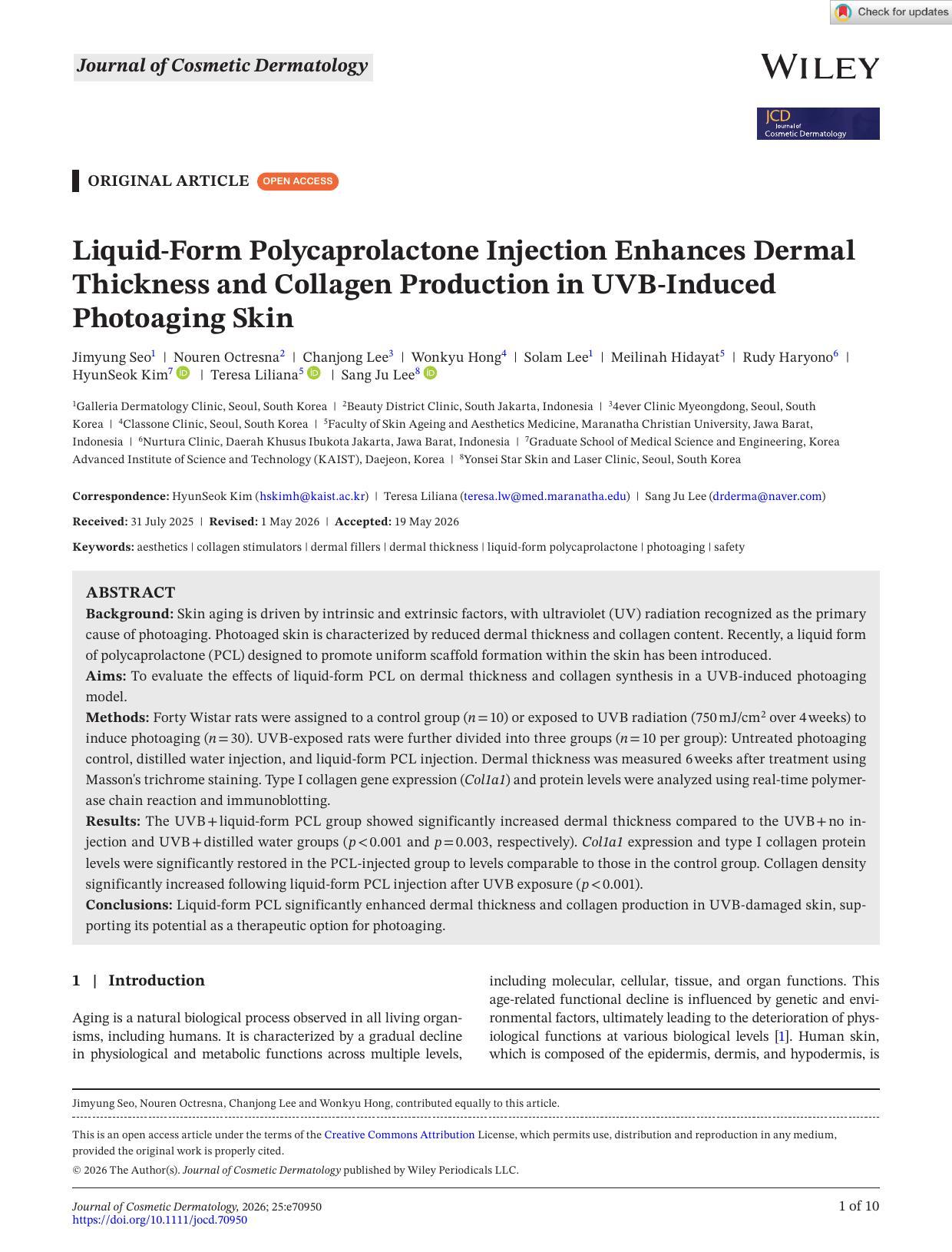
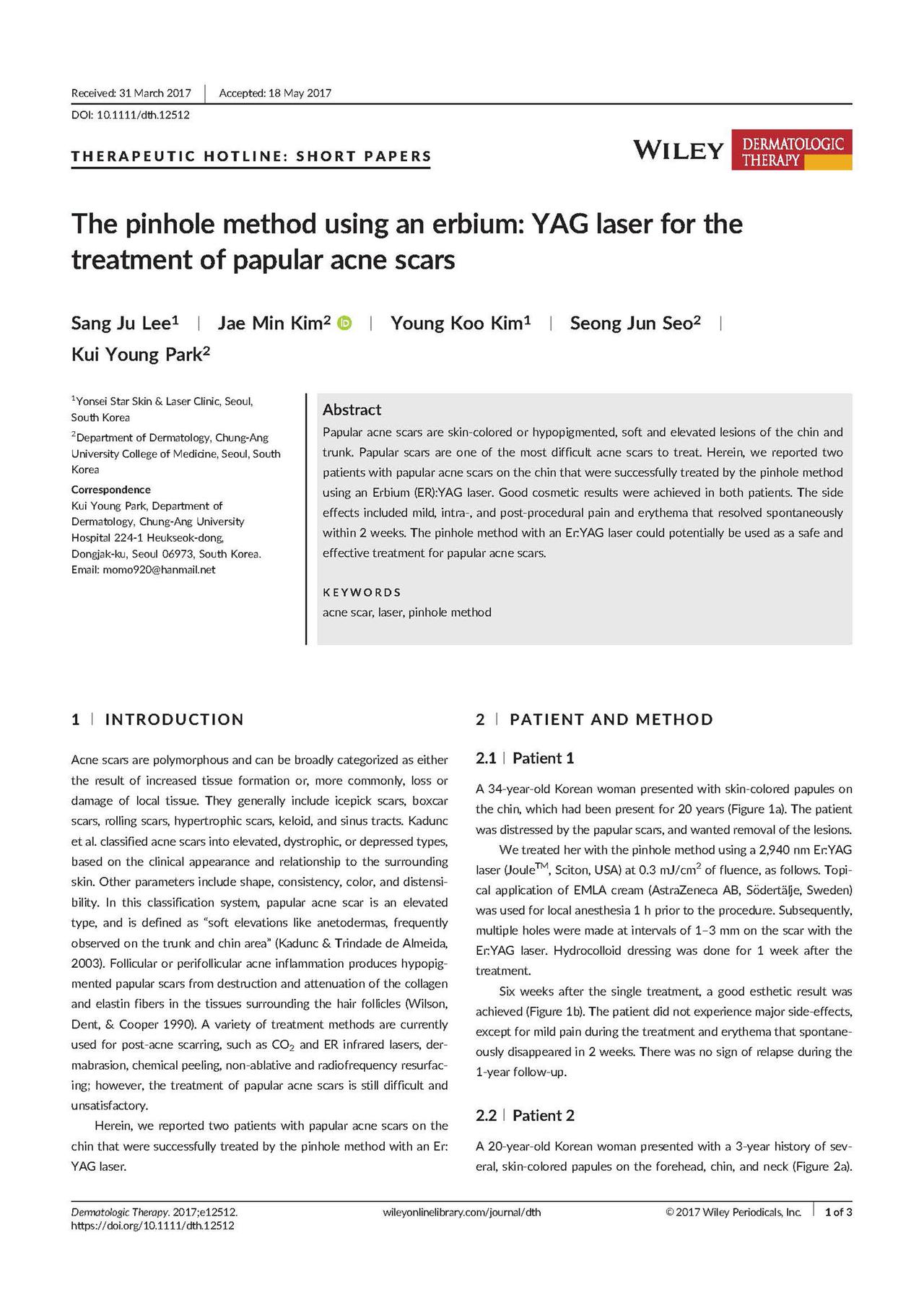
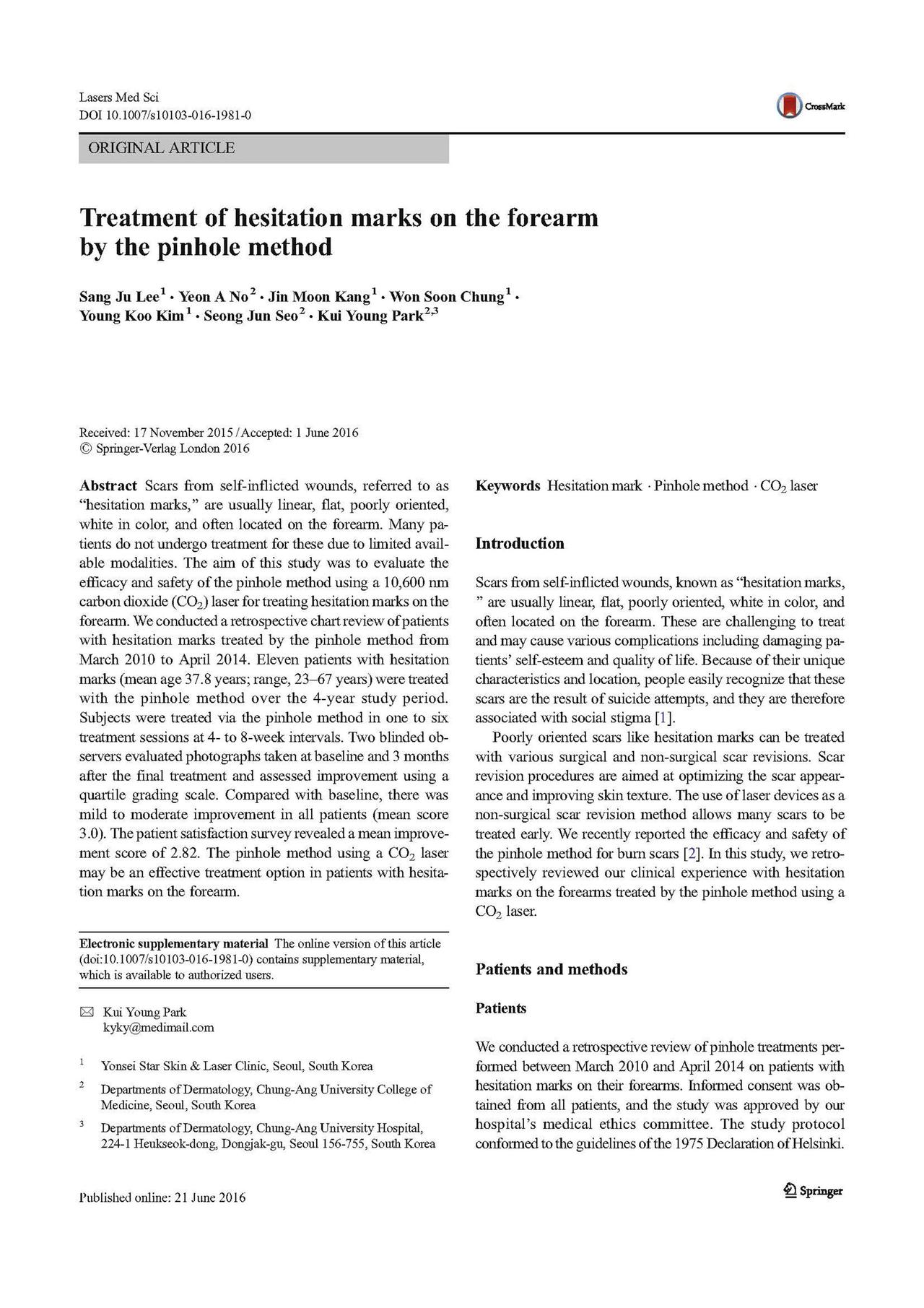
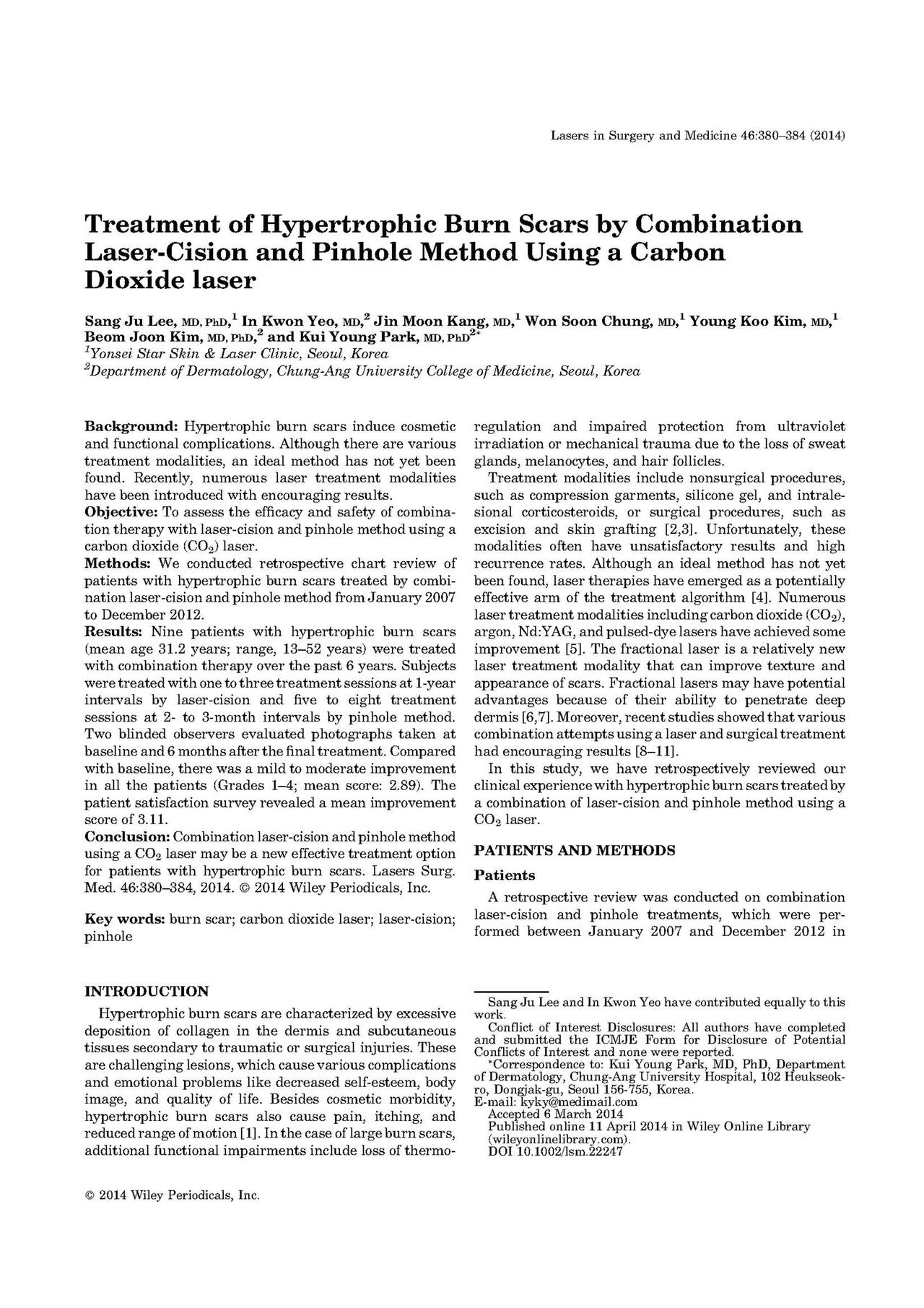
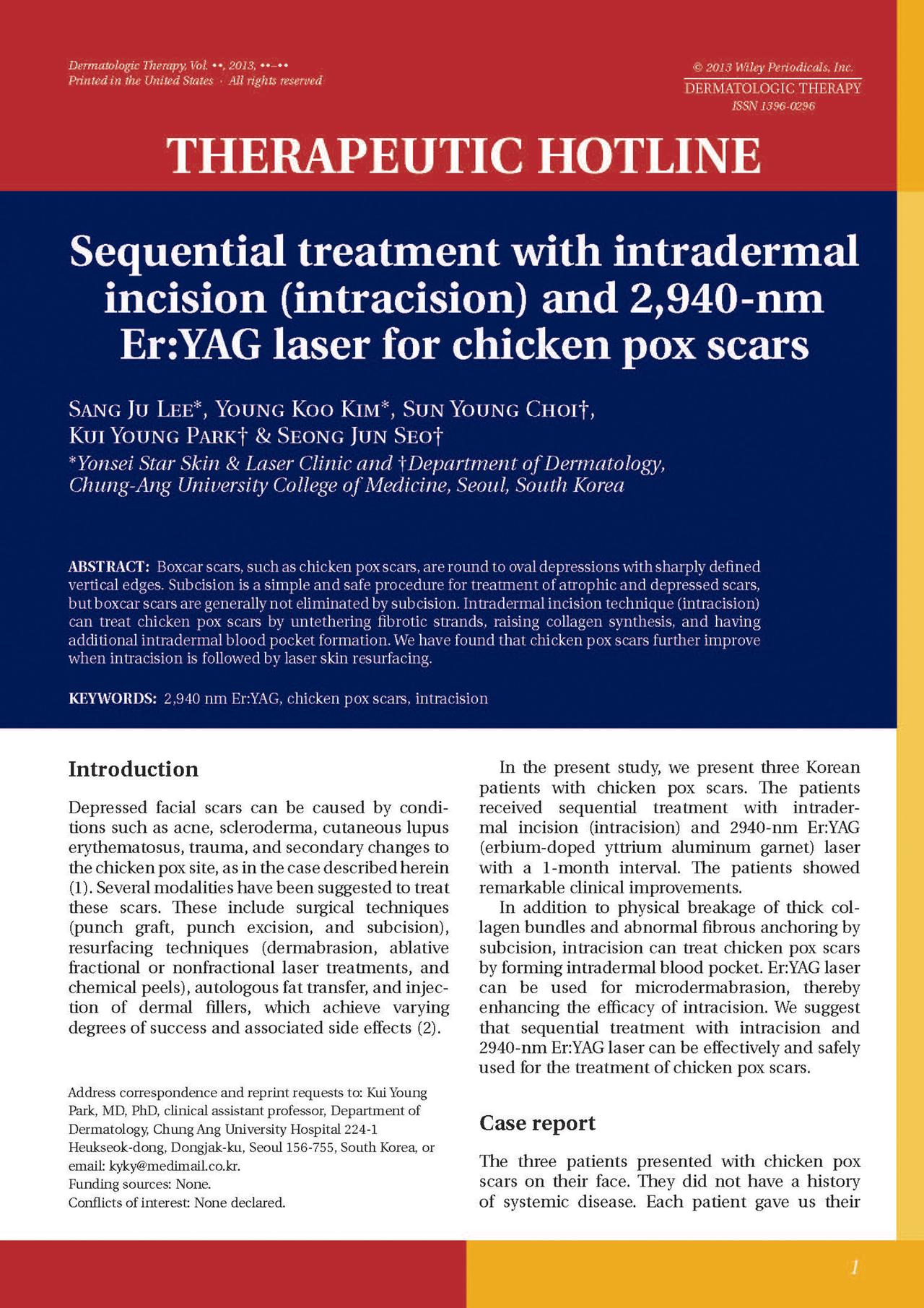
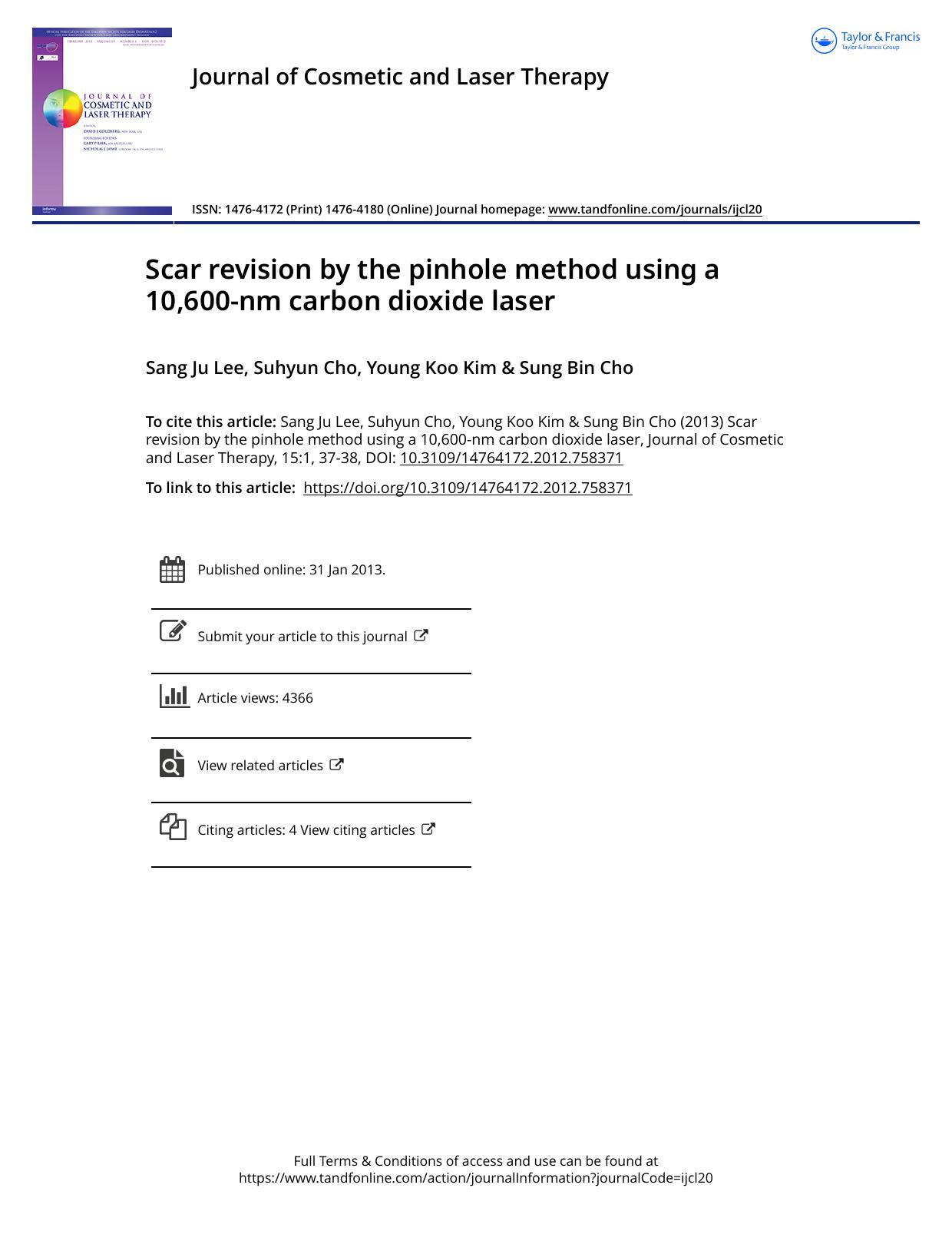
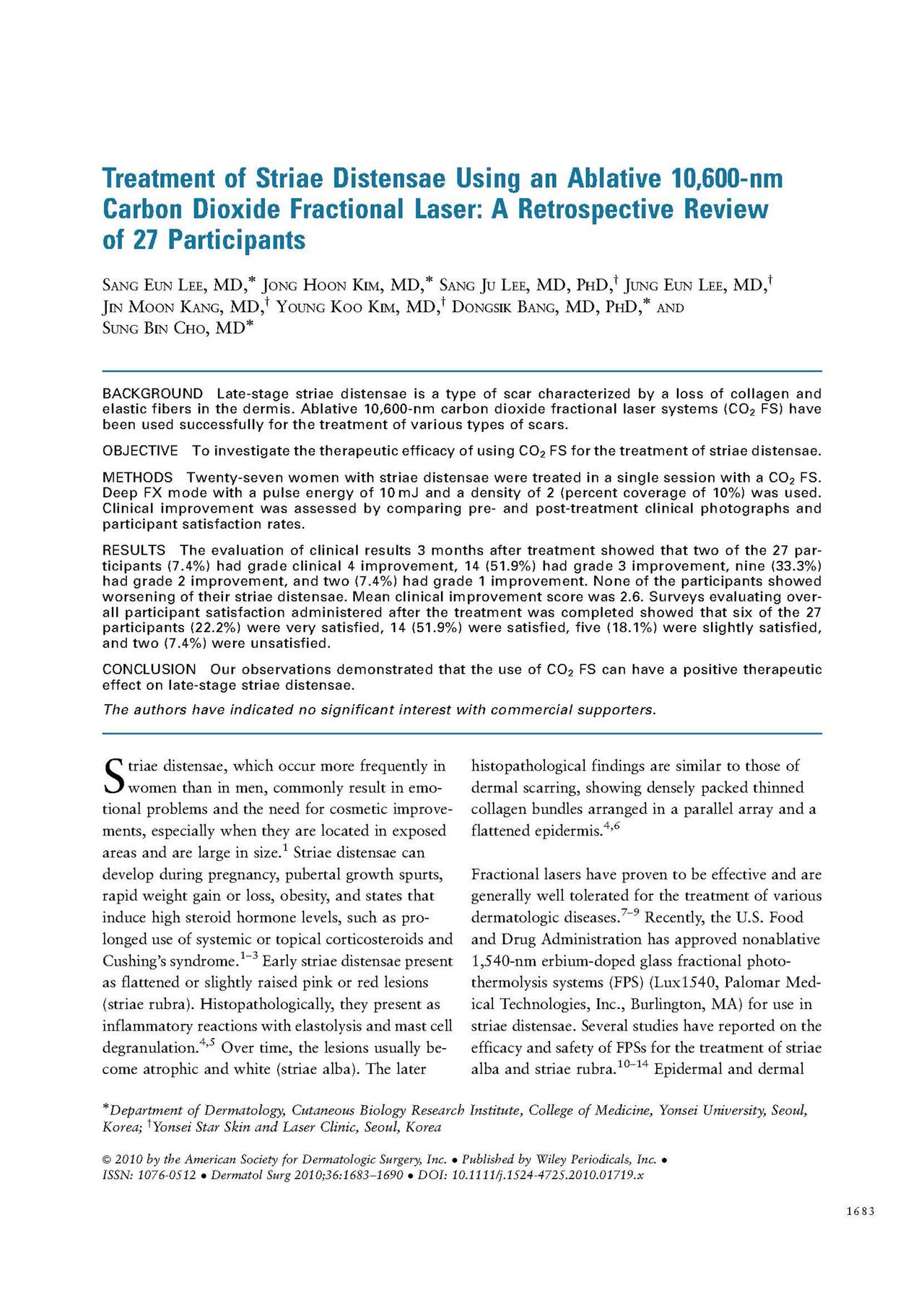
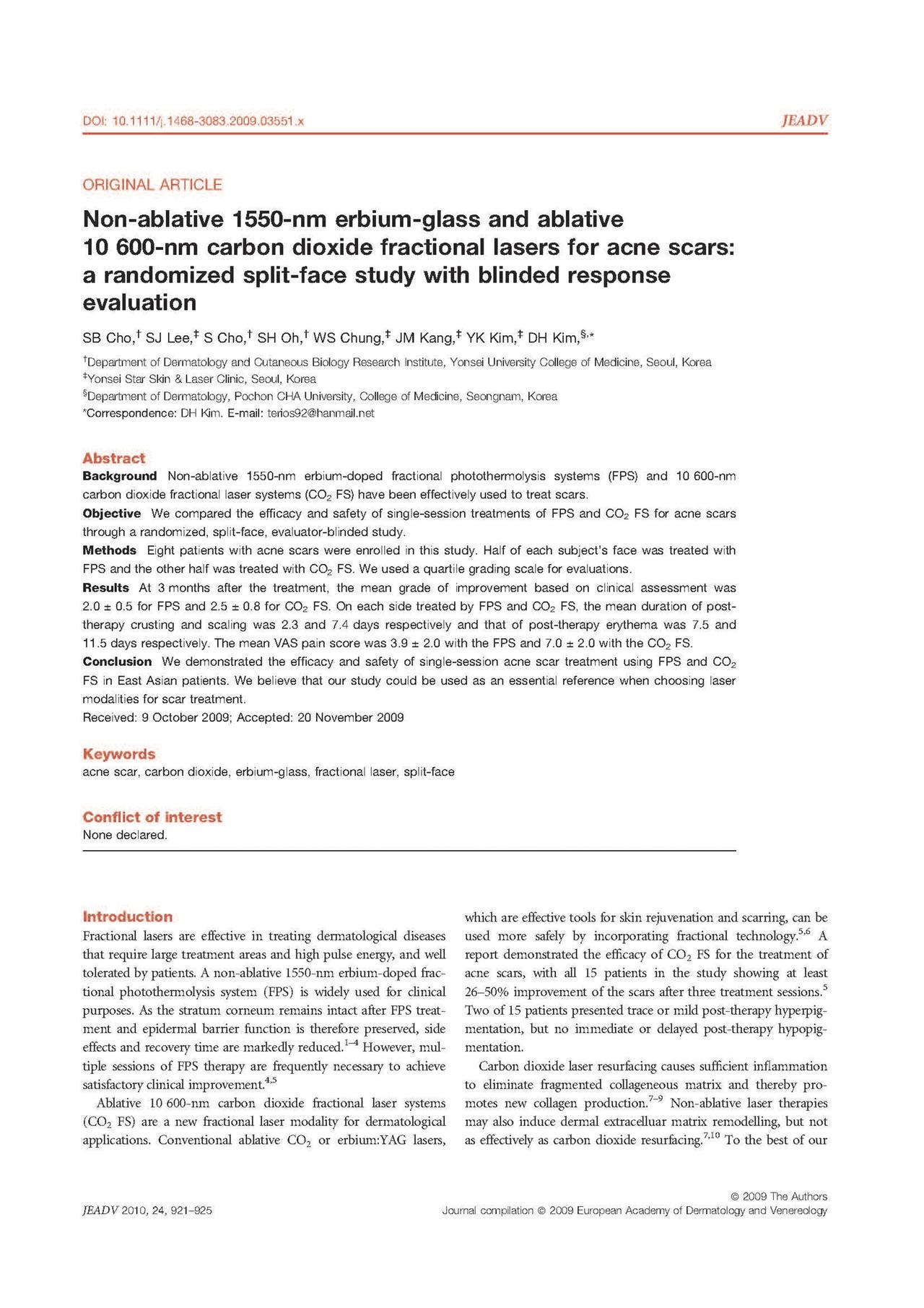
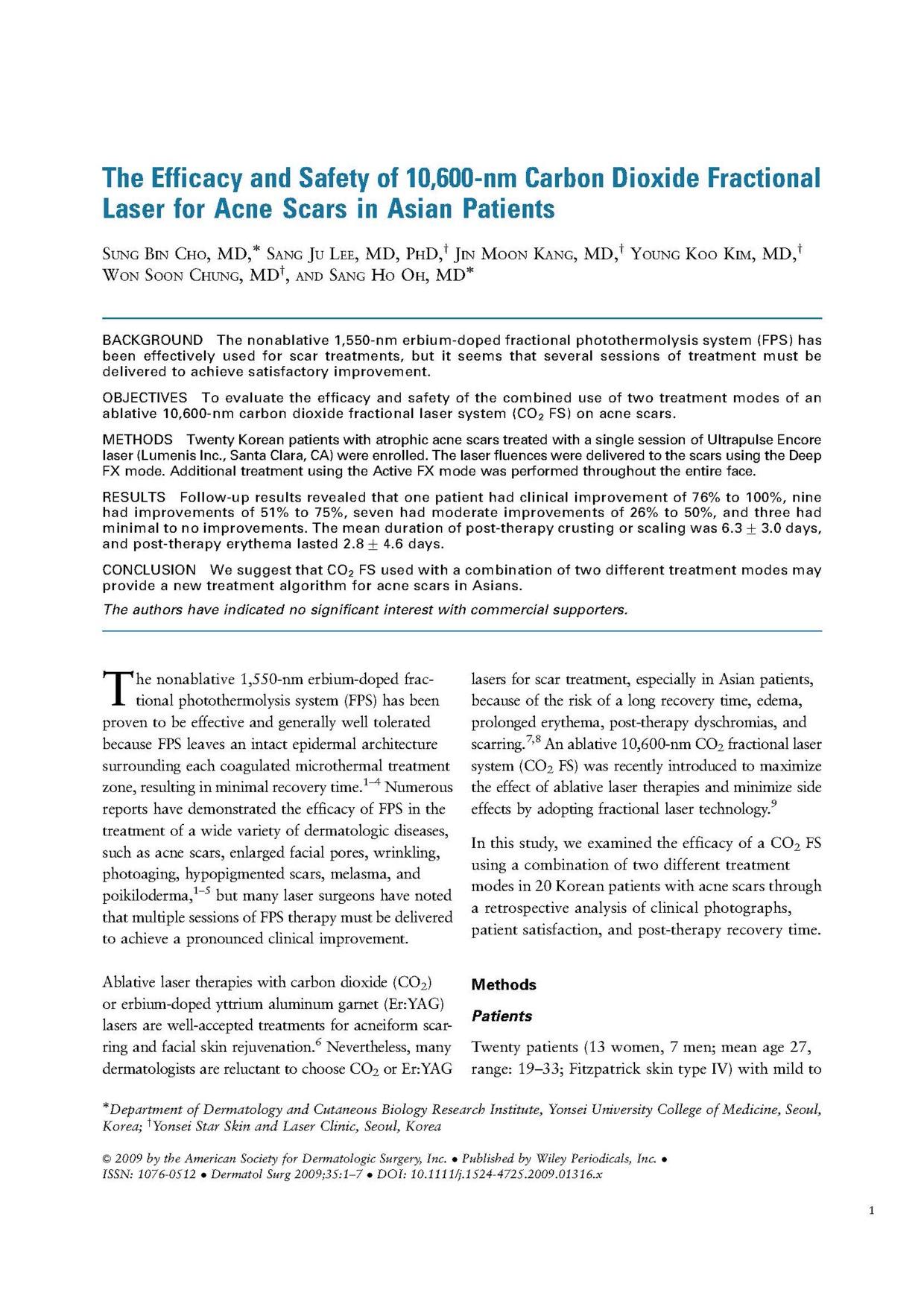
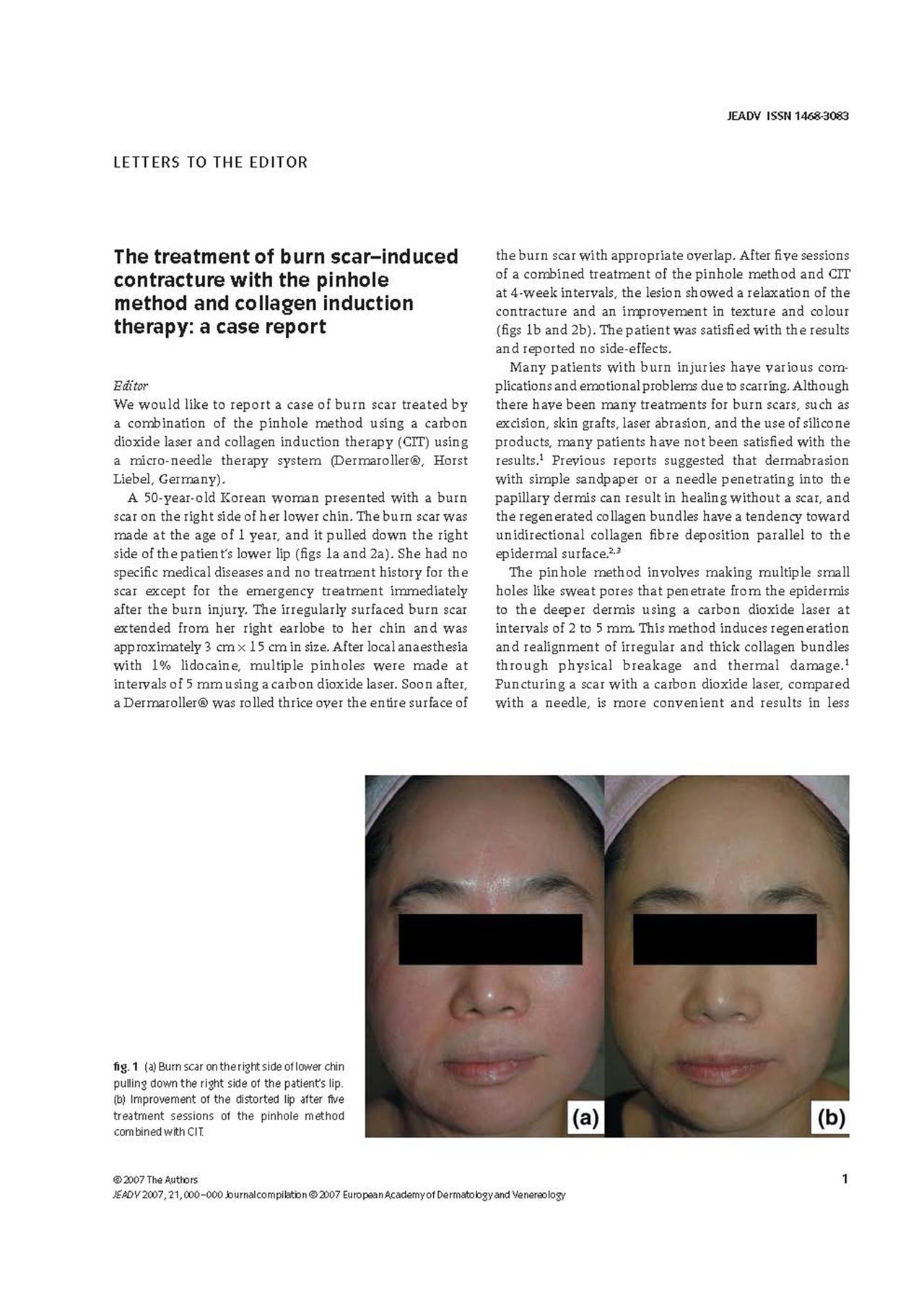
Research our doctors have presented and published
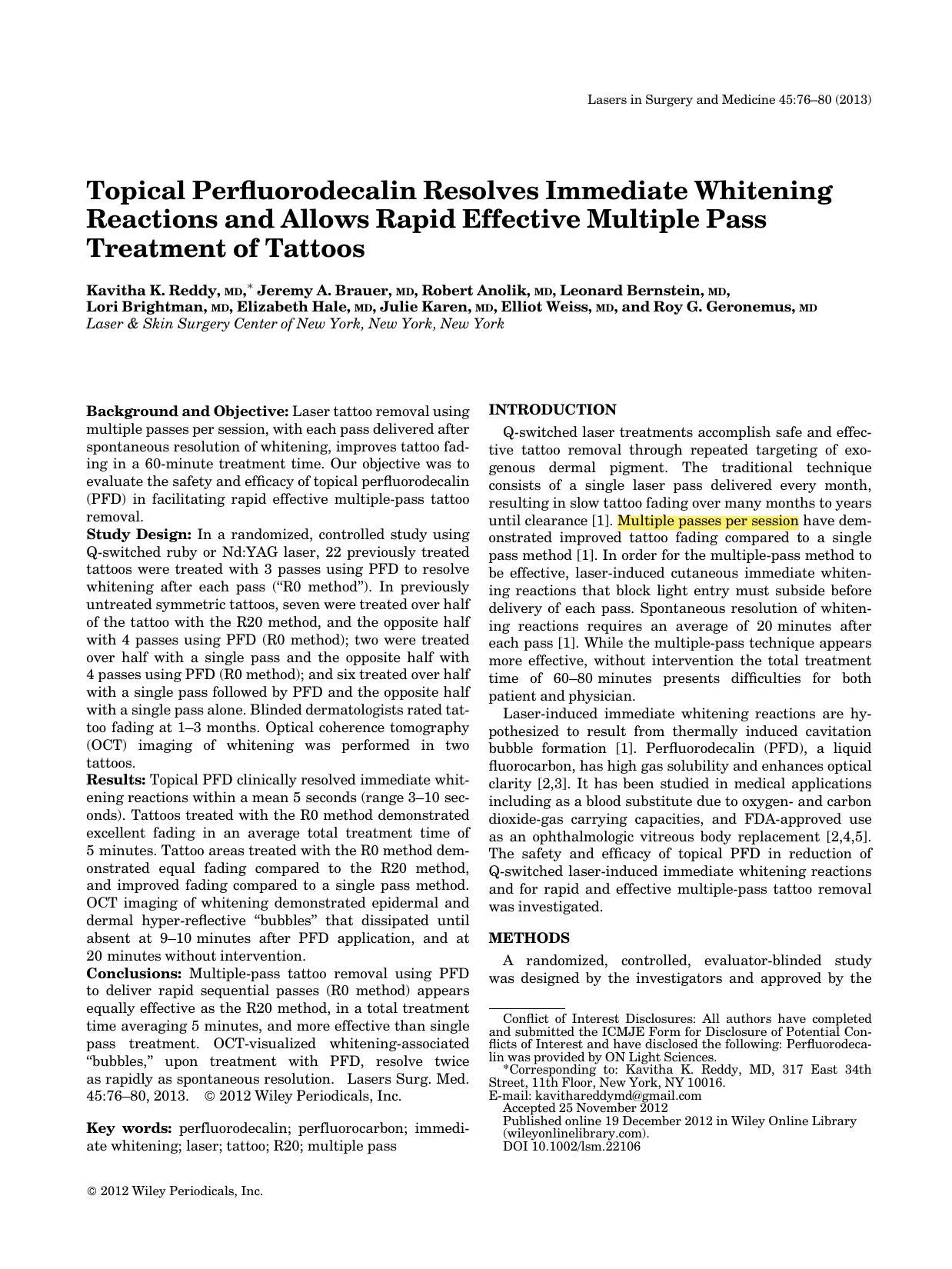
Physicians performing this treatment. High-difficulty (e.g., scar) handled by Co-Directors.
Our doctors answer the questions we hear most in consultations.
We can't quantify it as exactly four times the effect. However, it is true that by performing multiple laser passes in one session to break down the ink more finely, we achieve the maximum possible effect compared to a single-pass session. The final result can vary as the broken-down pigment is cleared by each individual's immune cells.
Skin irritation is more related to the laser's intensity than the number of passes. We perform the procedure at an intensity level proven to be safe through numerous clinical experiences, so you don't need to be overly concerned about irritation. We prioritize safety by adjusting the number of laser passes based on the patient's skin condition and response.
The R-Zero technique maximizes the effect of a single session, but tattoo removal itself is a procedure that requires multiple repeated treatments. Generally, a minimum of 5, and typically 10 or more sessions are needed. A higher effect in one session does not necessarily mean a proportional decrease in the total number of sessions required.
The number of sessions varies with the type of tattoo, the depth and amount of ink, and your skin condition, so exact prediction is difficult. Generally, black tattoos may need 5 to 10+ sessions, dense lettering 10+ sessions, and color tattoos 10 to 20+ sessions.
How to prepare and how to care for your skin afterward. Following them helps you recover faster.
Certain color pigments like yellow, orange, and white do not respond well to the laser and may not be completely removed, only faded. Also, hypopigmentation (lightening of the skin) may occur after the procedure.
Allergic reactions can occur, especially with red ink tattoos. If you experience persistent severe itching, a sensation of heat, or swelling after the procedure, please contact the clinic immediately for appropriate care.
The treated area may temporarily darken (hyperpigmentation) or lighten (hypopigmentation). This condition usually resolves gradually over 1-2 years, returning to your normal skin tone, so there is no need to worry excessively.
The skin can become dry after the procedure, so moisturizing sufficiently with a regeneration cream will help with skin recovery.
For effective treatment and skin recovery, please follow the recommended intervals. It is best to visit at least 1 month apart for the first 5 sessions, and at least 2 months apart from the 6th session onwards.
For 25 years we have treated scars around the pinhole method. Five board-certified dermatologists, 14 journal papers, 8 textbooks and 50 academic activities stand behind our care.
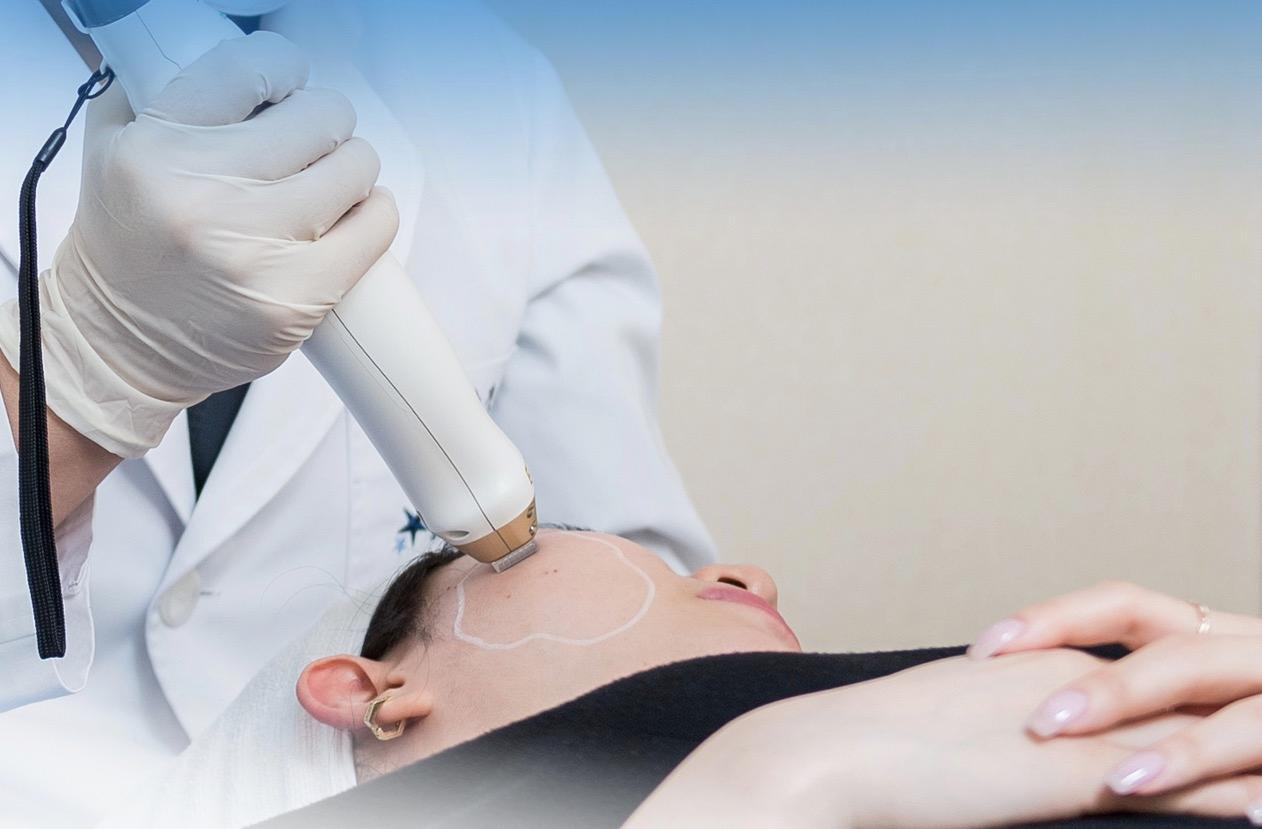
We systematically diagnose and treat diverse scar types — burn, acne, keloid, and surgical scars — drawing on decades of clinical experience.
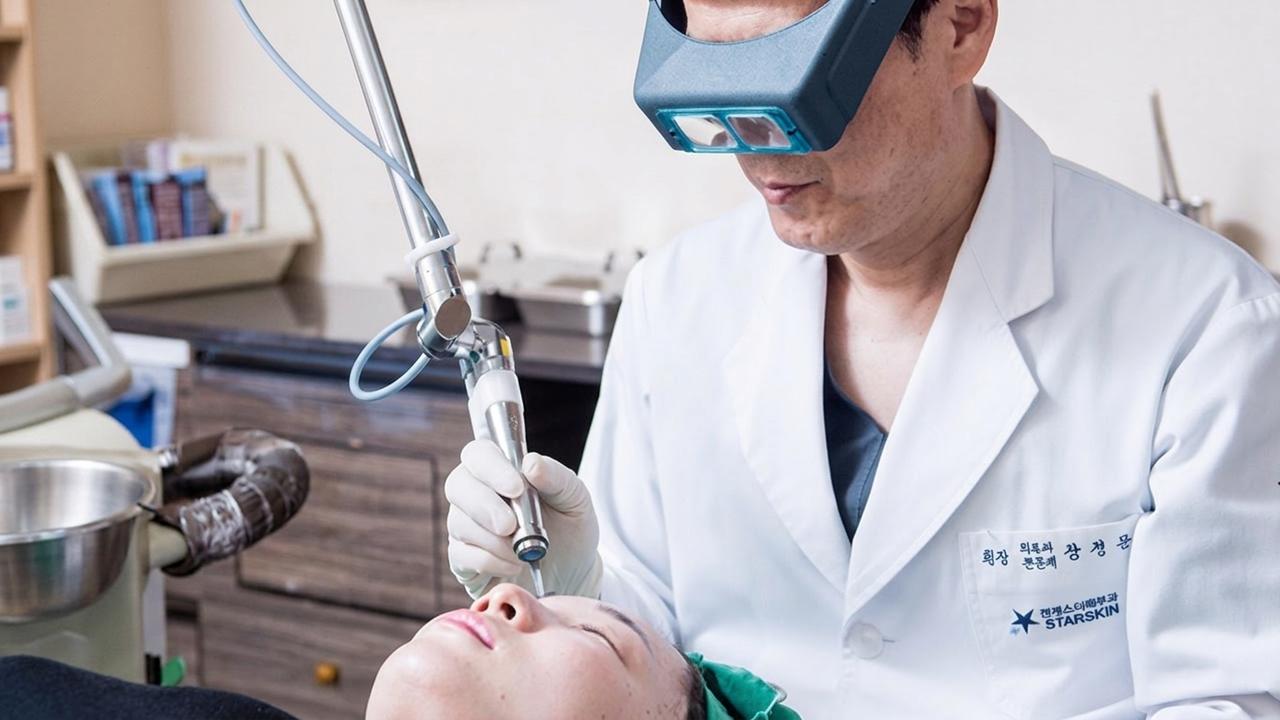
In-house 'pinhole technique' combining CO2 laser with collagen-induction drugs. Highly effective for deep burn and surgical scars; presented at multiple international societies.

Co-Director Dr. Lee Sang-Joo currently serves as President of the Korean Dermatological Association, continuing academically grounded care that reflects the latest society-level insights and guidelines in practice.
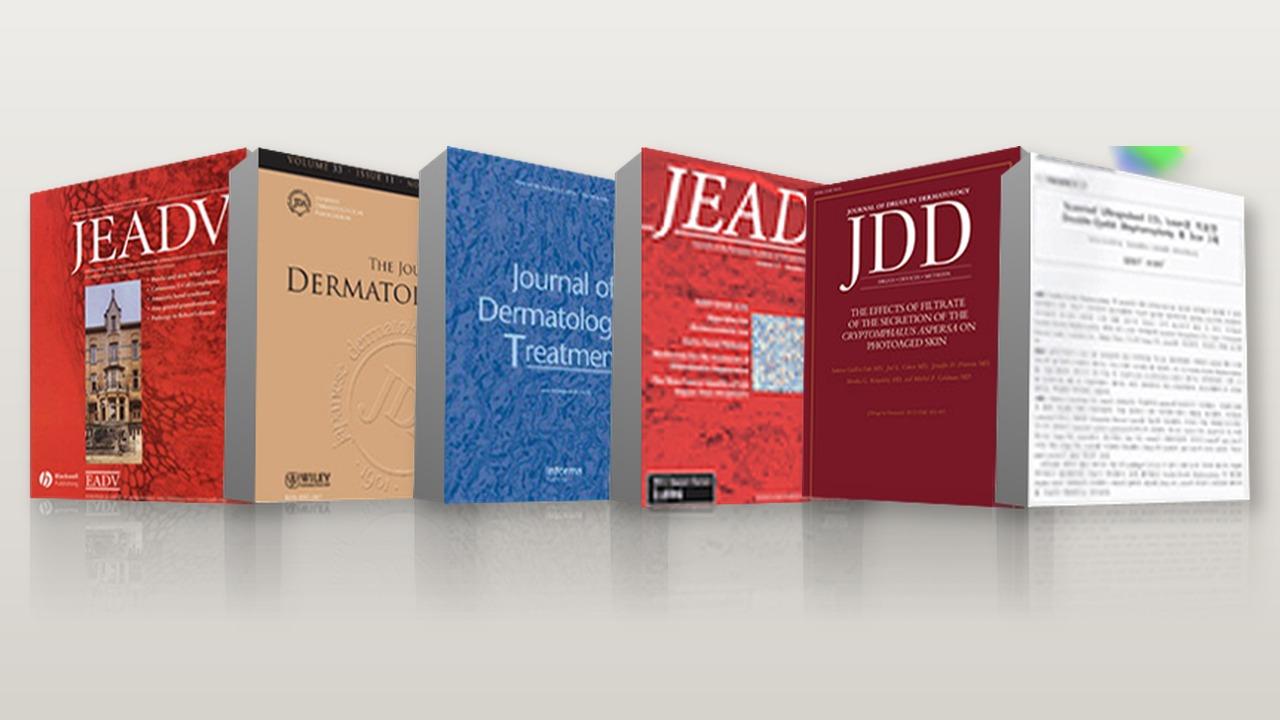
Authored multiple textbooks — Acne Bible, Medical Skincare, Pigmentary System, Skin Barrier, Gold PTT Aesthetic Treatment, Medical Nail Care, Medical Body Care — standardizing clinical know-how.
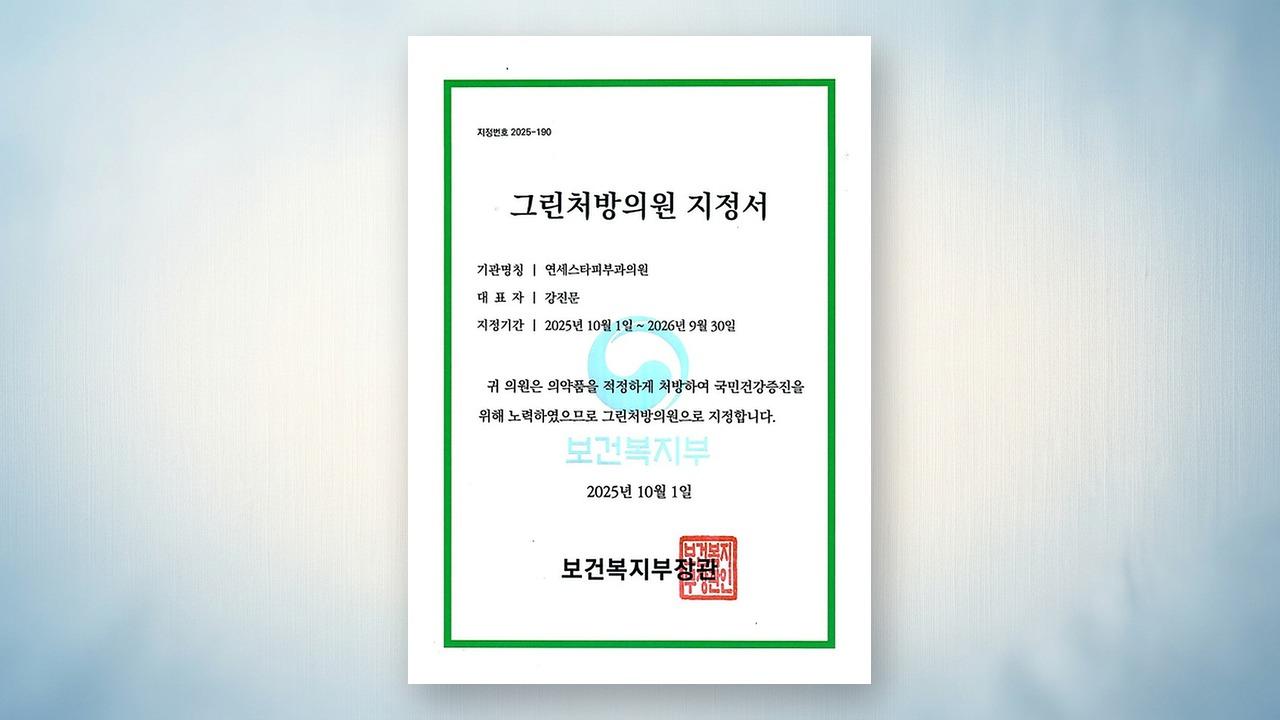
Certified as a Green Prescription Clinic by Korea's Ministry of Health and HIRA after rigorous review — performing only what the patient truly needs, no over-treatment.
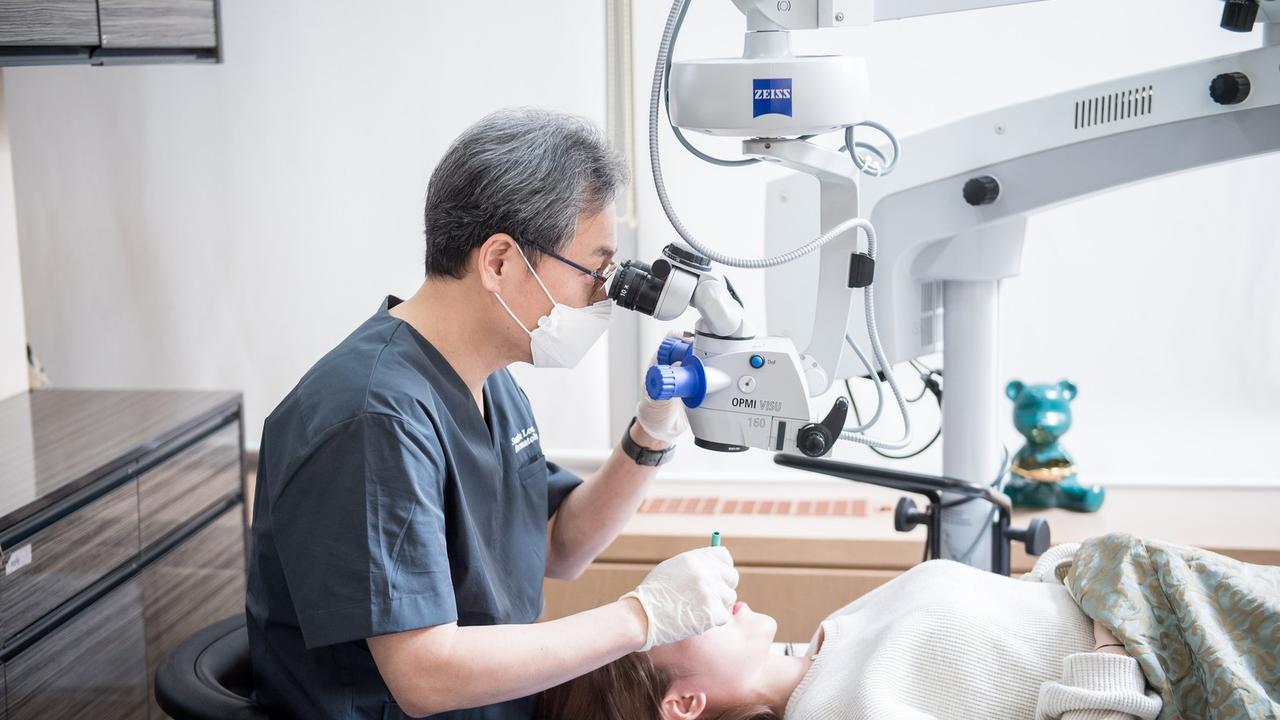
Drawing on rich experience treating scars of many types and conditions, we build a treatment plan tailored to each patient's skin.
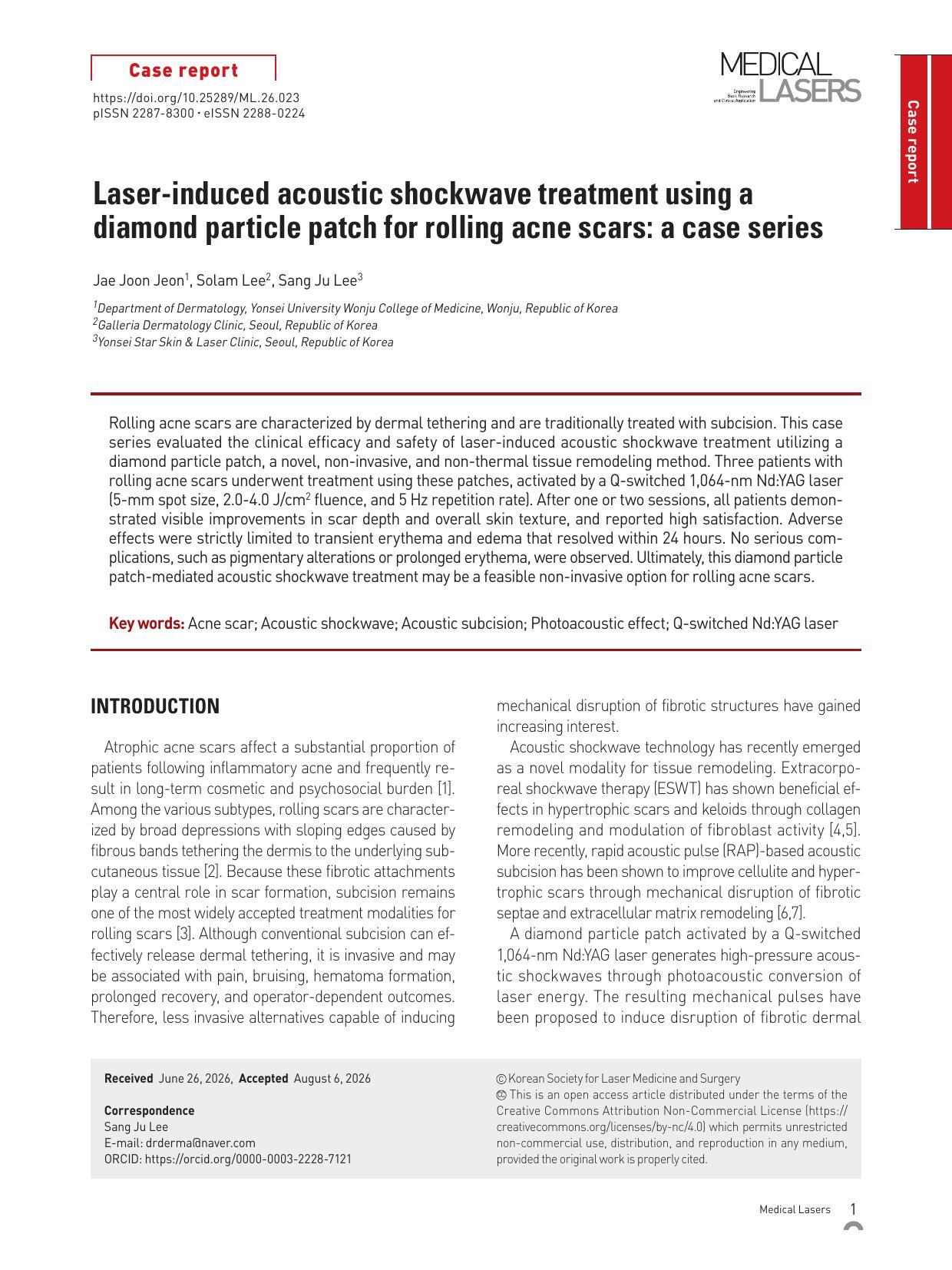
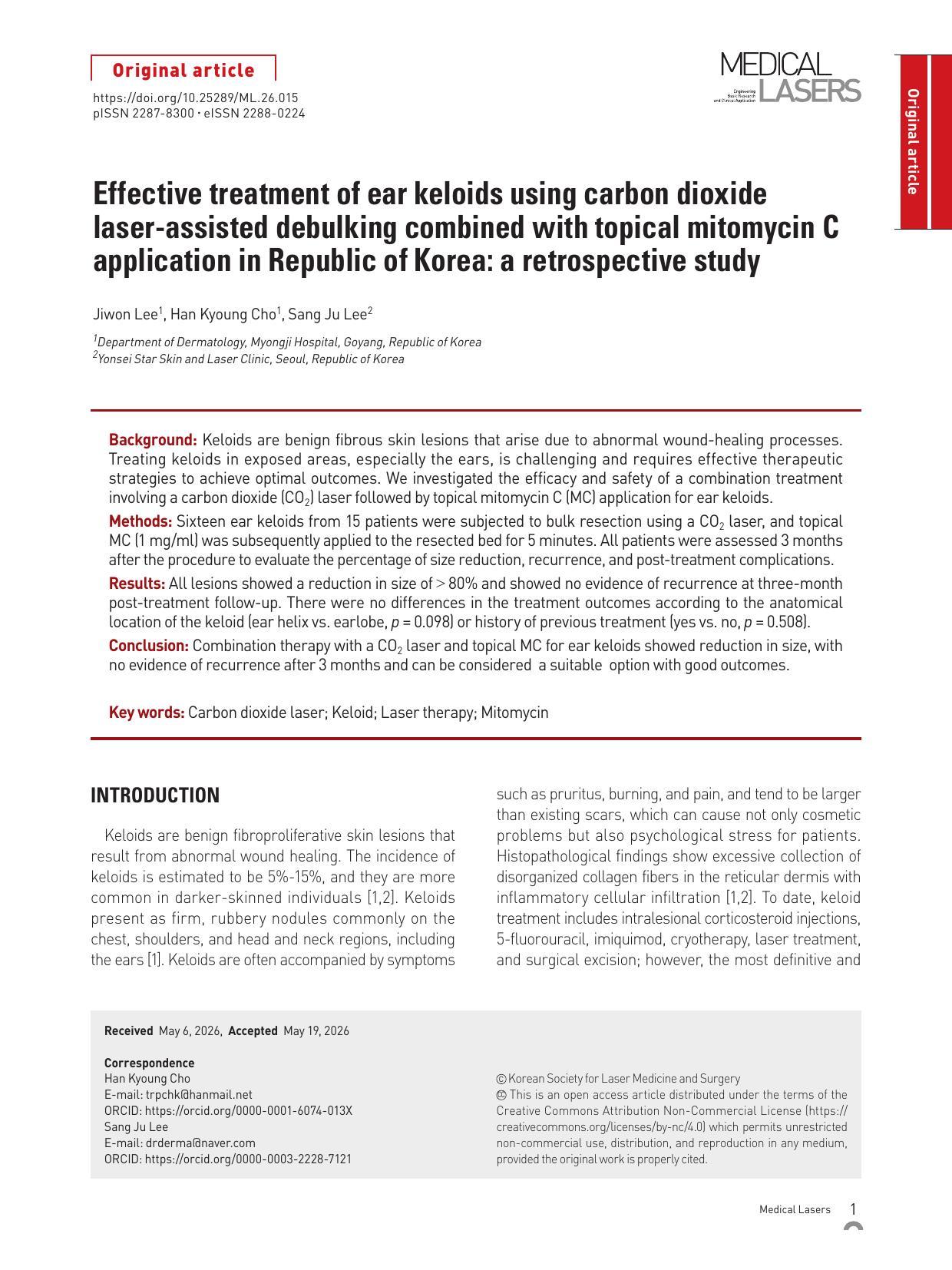
1 / 13
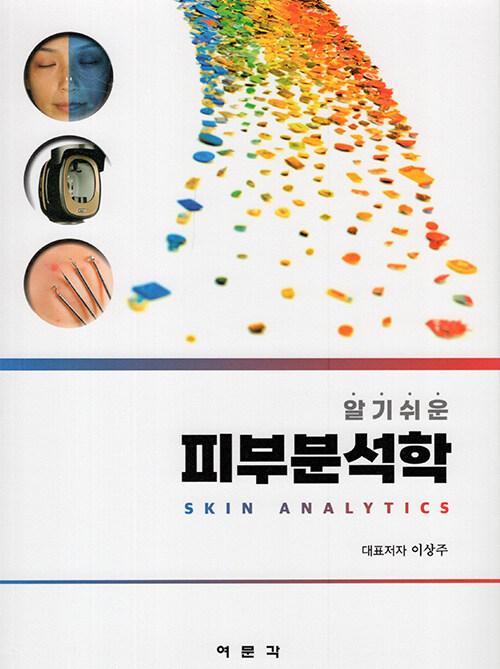
Yeomungak · 2023
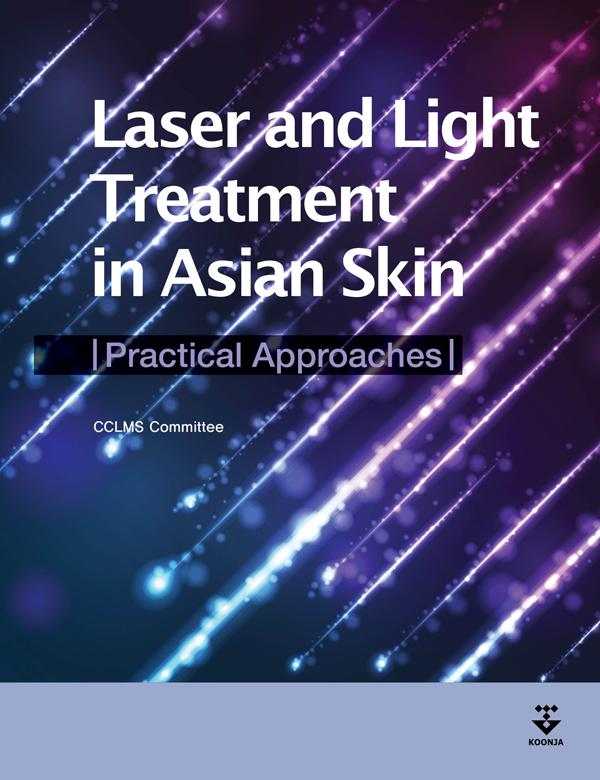
Goonja Publishing House · 2018

Blackwell · 2006

Yeomungak · 2006

Jinsol · 2006
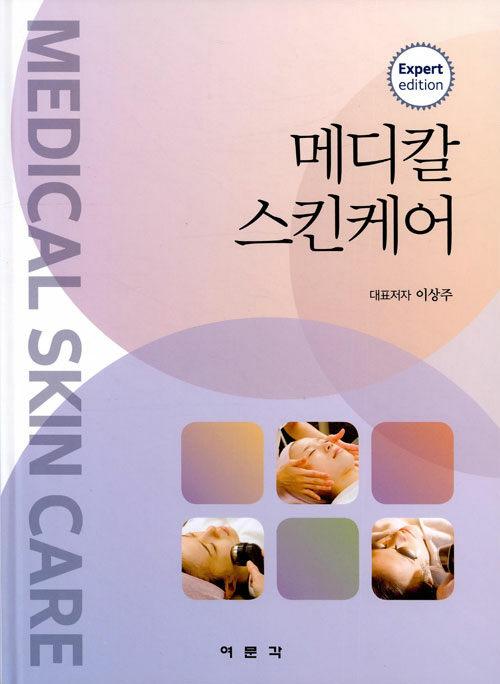
Yeomungak · 2019
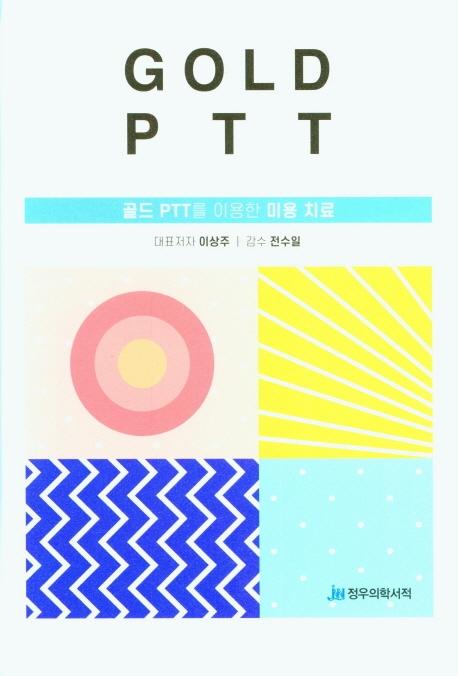
Jeongwoo Medical Books · 2019
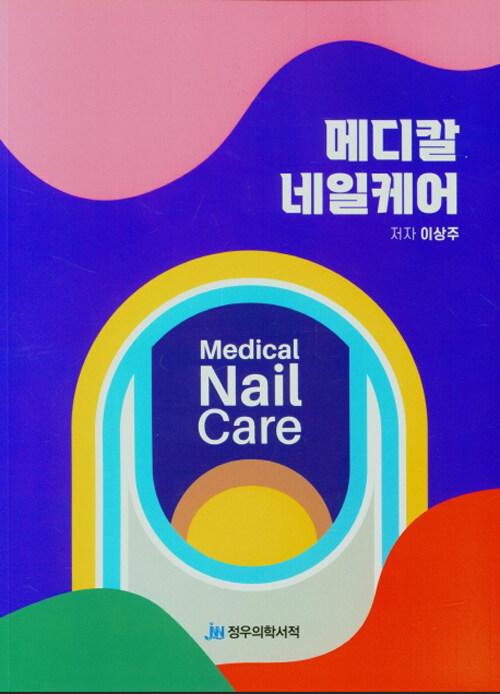
Jungwoo Medical Books · 2021

Suitability and exact pricing are confirmed in 1:1 consultation.