Precision Diagnosis, Tailored Combination
Each patient's scar type, depth, and skin condition are precisely diagnosed to combine the most suitable treatments.
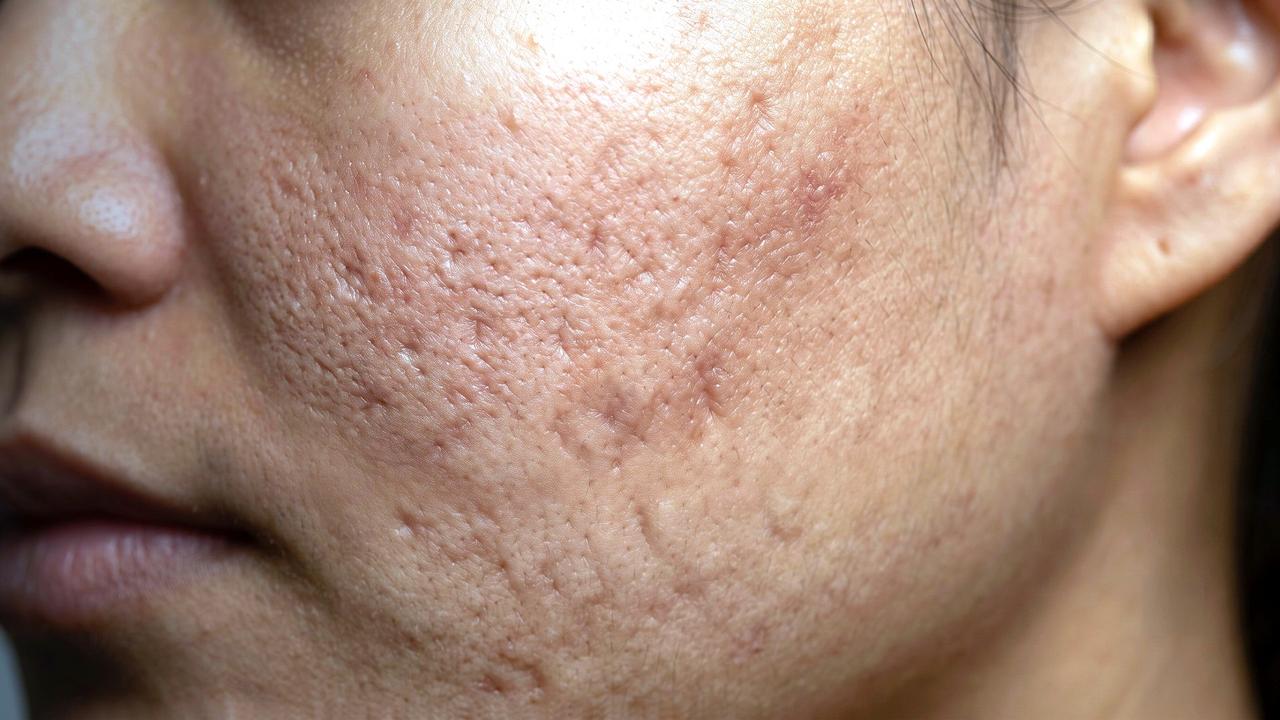
A premium customized package for the comprehensive improvement of various types of acne scars. We precisely diagnose the patient's scar type, depth, and skin condition to combine the most optimal procedures. 'Potenza/UltraPulse Alpha' induces deep scar regeneration with microneedle RF and a powerful laser. 'StarLux XD/Dual Fraxel/ProFractional' improves skin texture and scars simultaneously with a precise laser combination. 'Subcision/Cell Regeneration Injection' releases adhesions and injects regenerative substances to promote recovery. 'TCA/Non-sutured Punch Excision' effectively fills in deep scars. Customized plans are available for areas like one cheek, both cheeks, or the full face.

Key treatment facts worth knowing before your consultation.
Each patient's scar type, depth, and skin condition are precisely diagnosed to combine the most suitable treatments.
Microneedle RF, powerful lasers, regenerative injections, and other treatments are combined to induce scar regeneration and release adhesions.
Deeply indented scars are effectively filled in, while a refined laser combination improves both skin texture and scars at the same time.
Treatment can be tailored to only the areas that need it, one cheek, both cheeks, or the entire face, according to the patient's scar distribution.
See which concerns this treatment addresses. Whether it suits you is decided after we examine your skin.
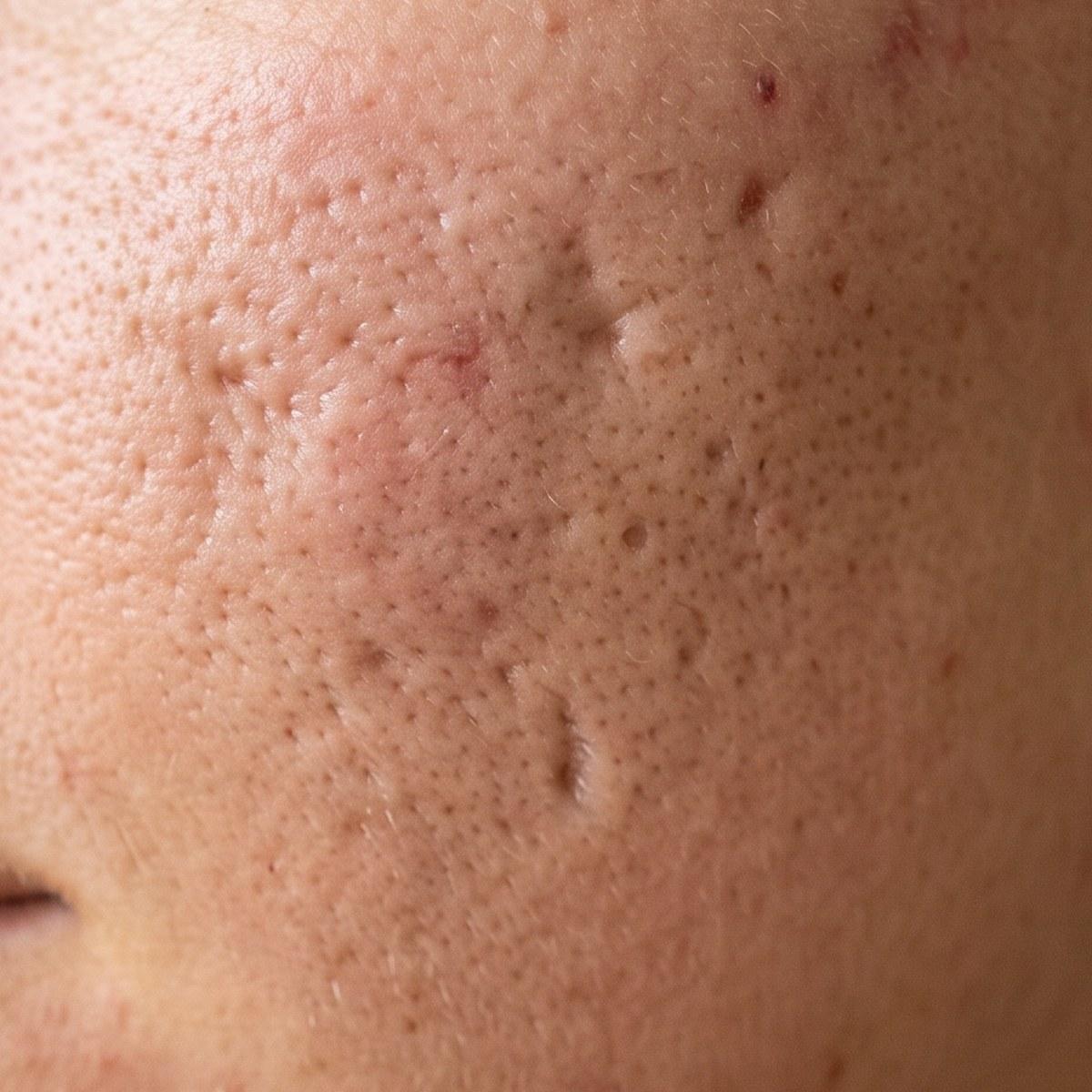
Are you worried about atrophic scars, where the skin is indented due to acne? We recommend customized scar treatment for those stressed by uneven skin texture from various types of depressed scars like ice pick, boxcar, and rolling scars, which are hard to conceal even with makeup.
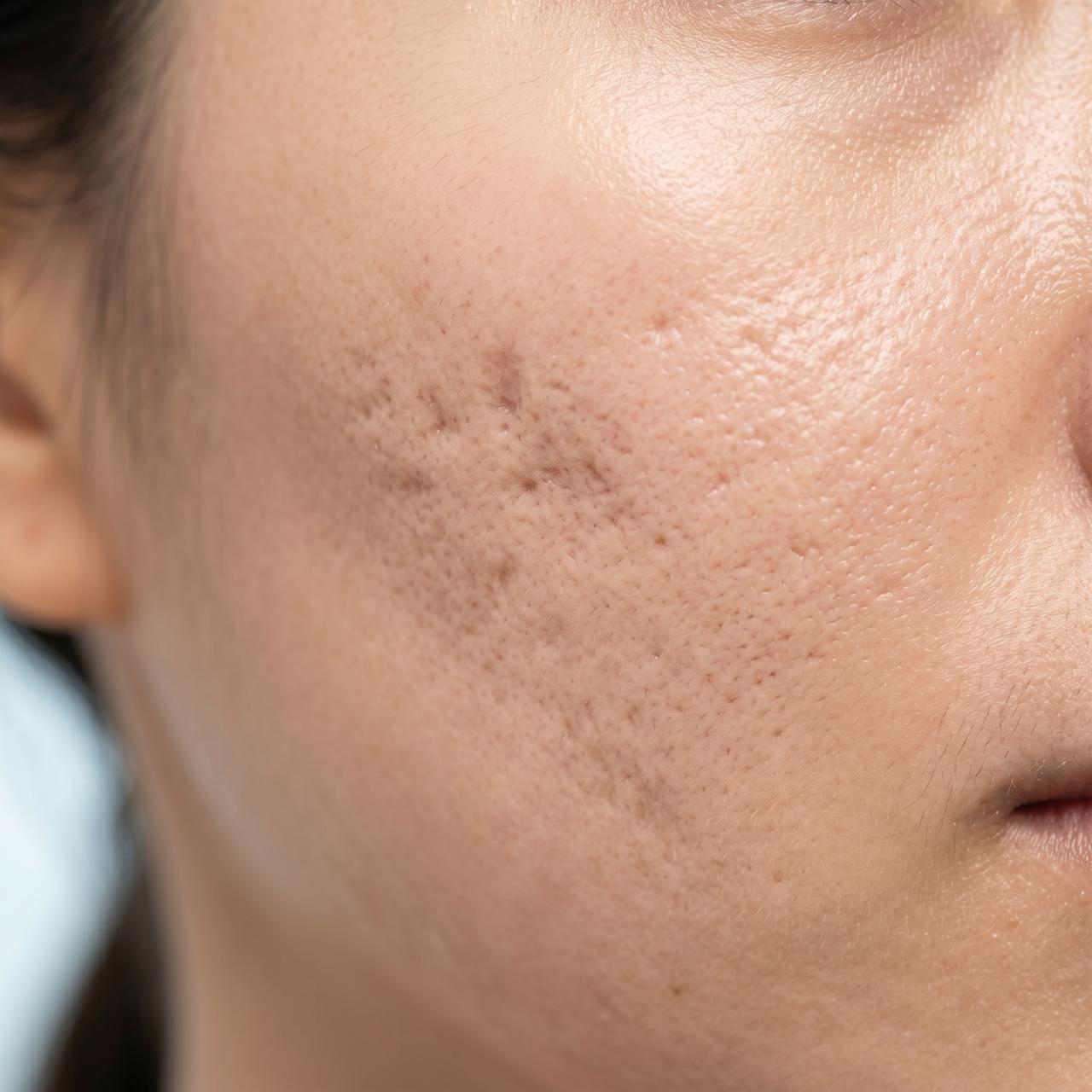
Are you worried about your skin being indented after acne, chickenpox, trauma, or surgery? Atrophic scars, caused by a lack of collagen in the dermal layer, are difficult to heal naturally. Professional procedures can fill in the indented areas to restore a smooth skin texture.
What changes after treatment. The degree and timing depend on your skin and the number of sessions.
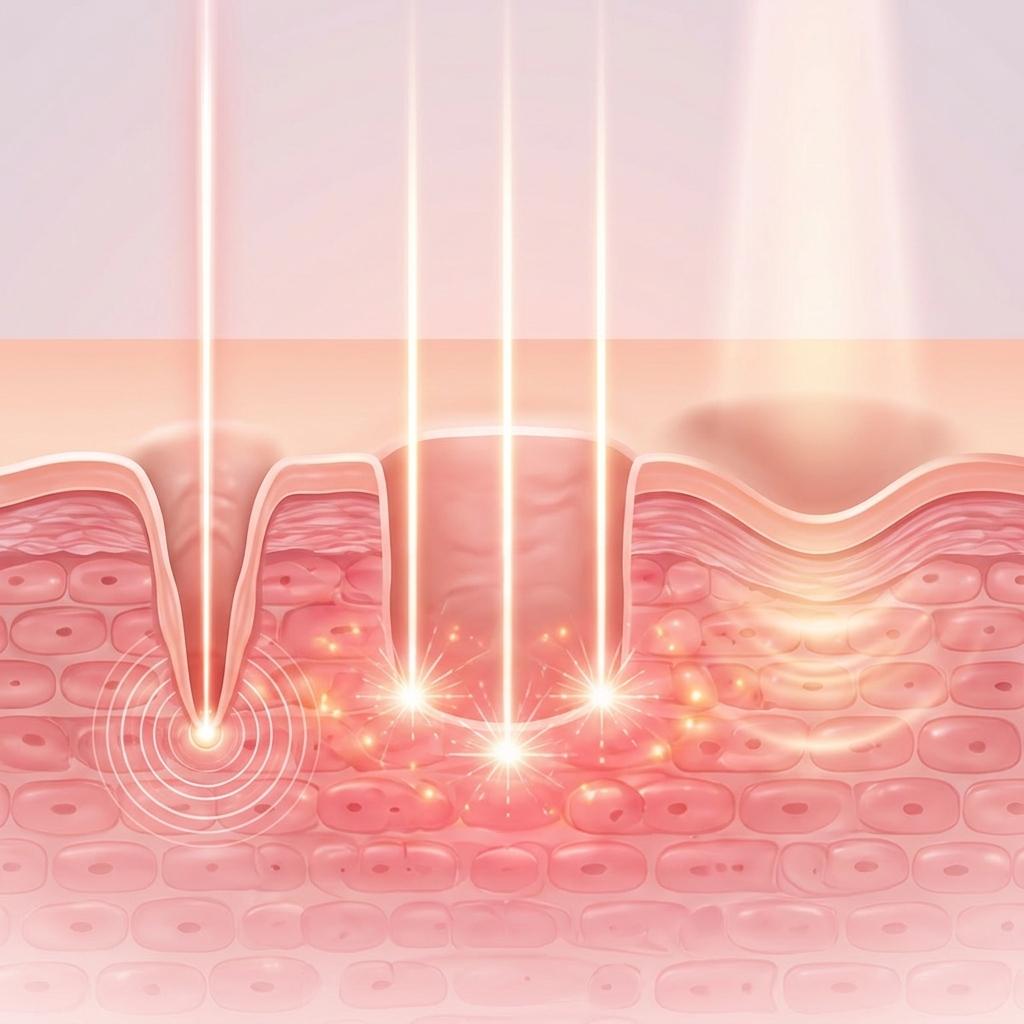
Even when icepick, boxcar and rolling scars coexist on one face, each scar type is treated with a different modality, microneedle RF, lasers, punch techniques, extending improvement to scars a single method could not reach.
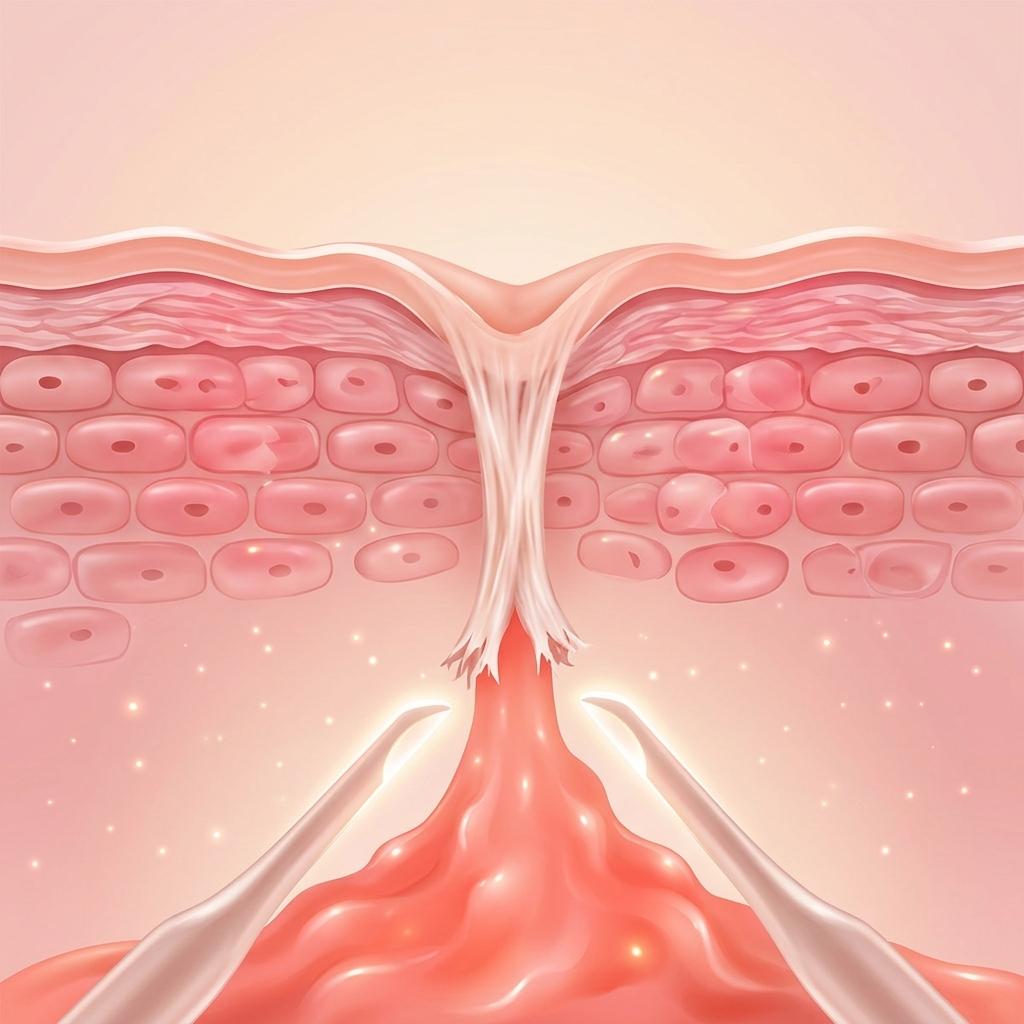
Subcision releases the adhesions pulling the scar downward, followed by regenerative injections. Over successive sessions the depressed base fills in, and marks that deepened with facial expressions soften as well.
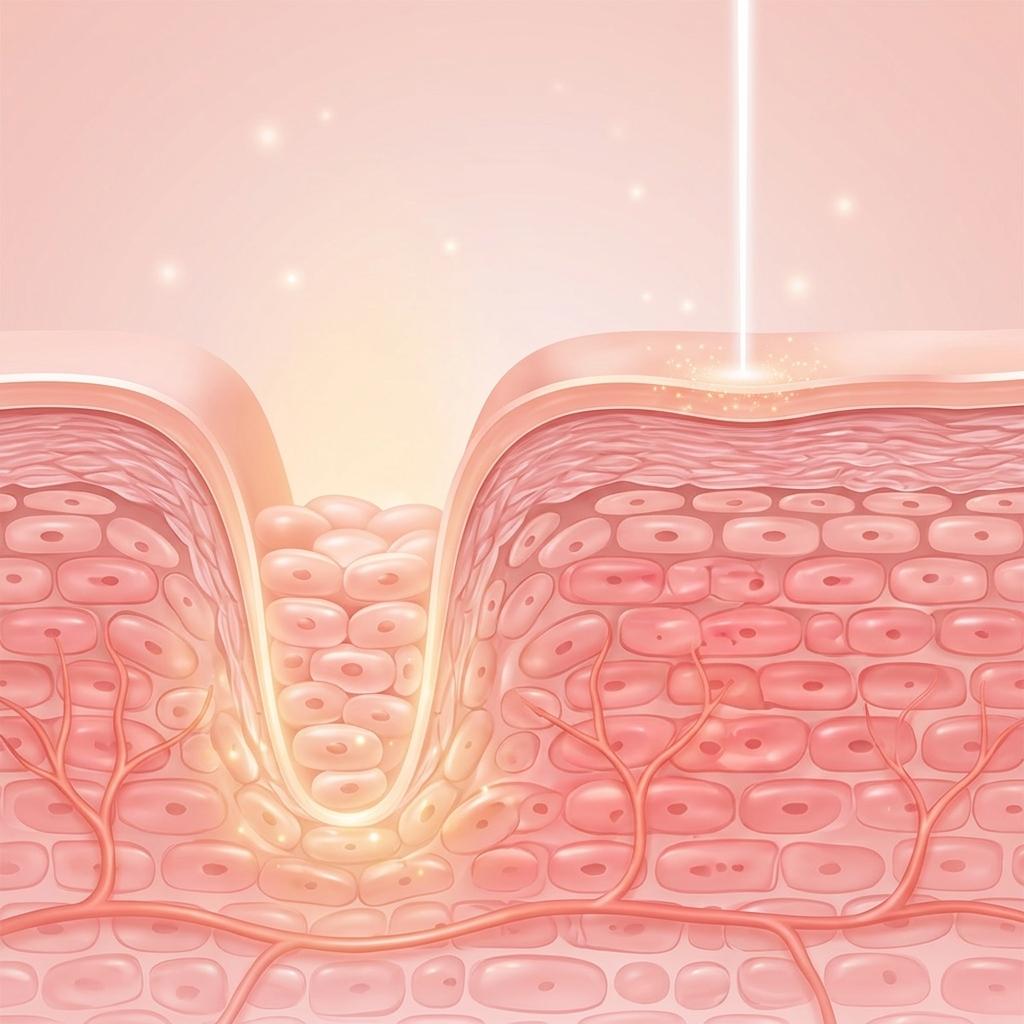
Deeply pitted scars are raised with TCA and non-suture punch techniques, while a precise laser combination refines the surface, scar correction and texture smoothing in one continuous course.
Yonsei Star's step-by-step treatment design, reaching from the skin surface to deep within the dermis.
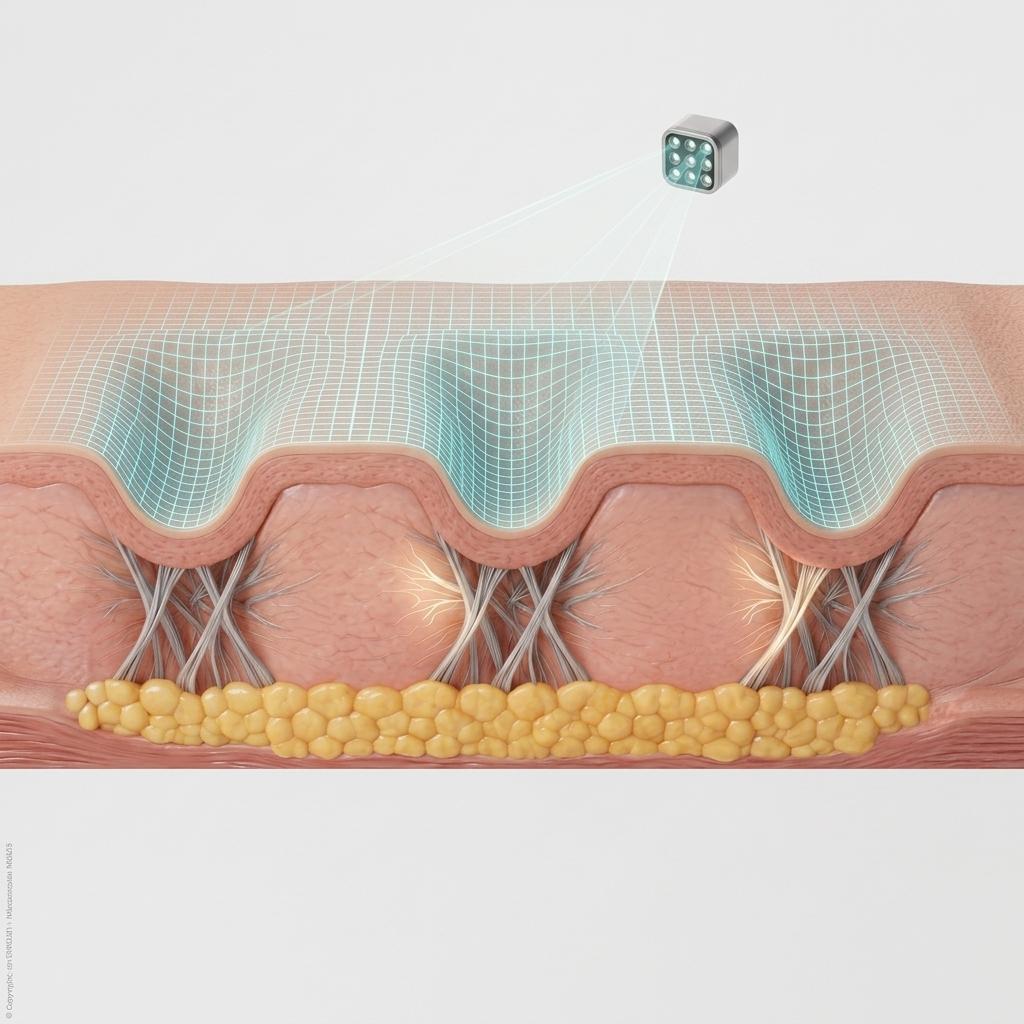
Scar type, depth, and skin condition are precisely assessed to combine the most suitable treatments.
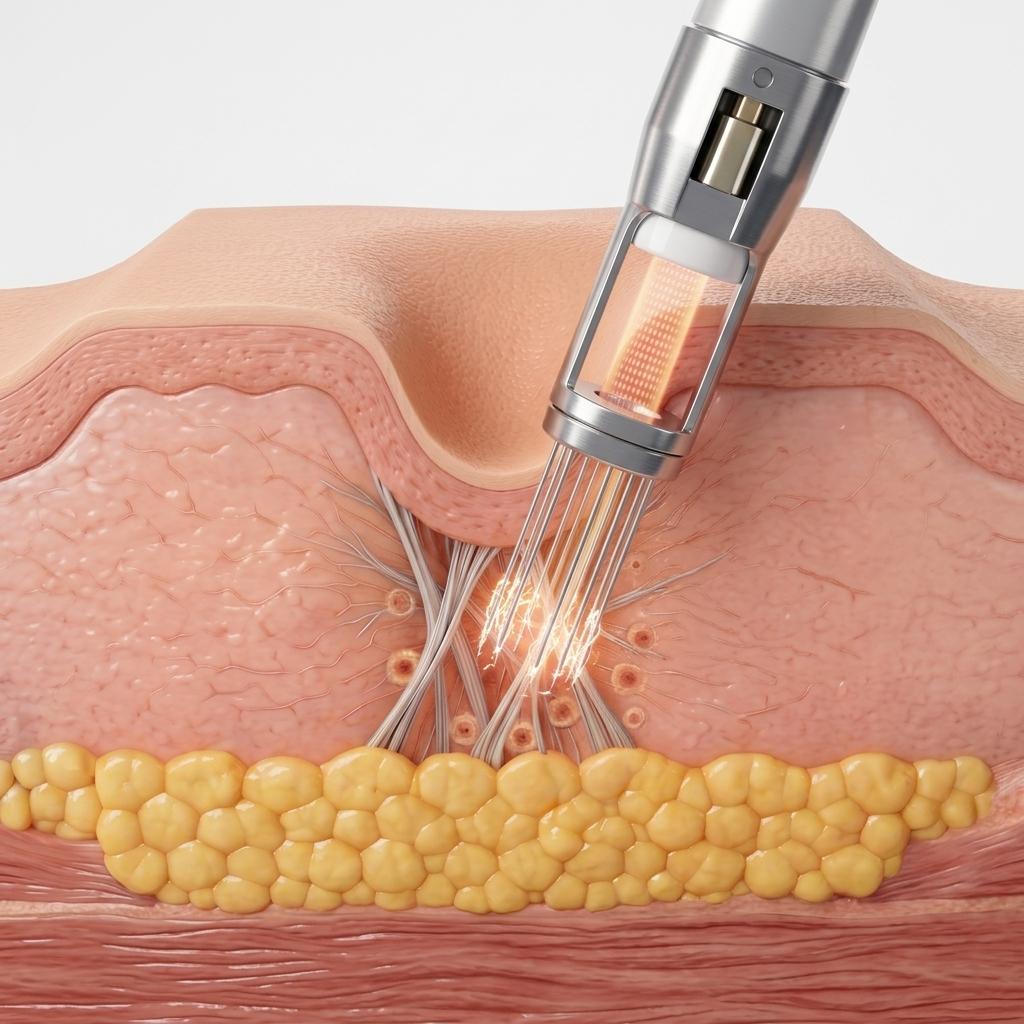
Microneedle RF and powerful lasers stimulate regeneration of deep scars.
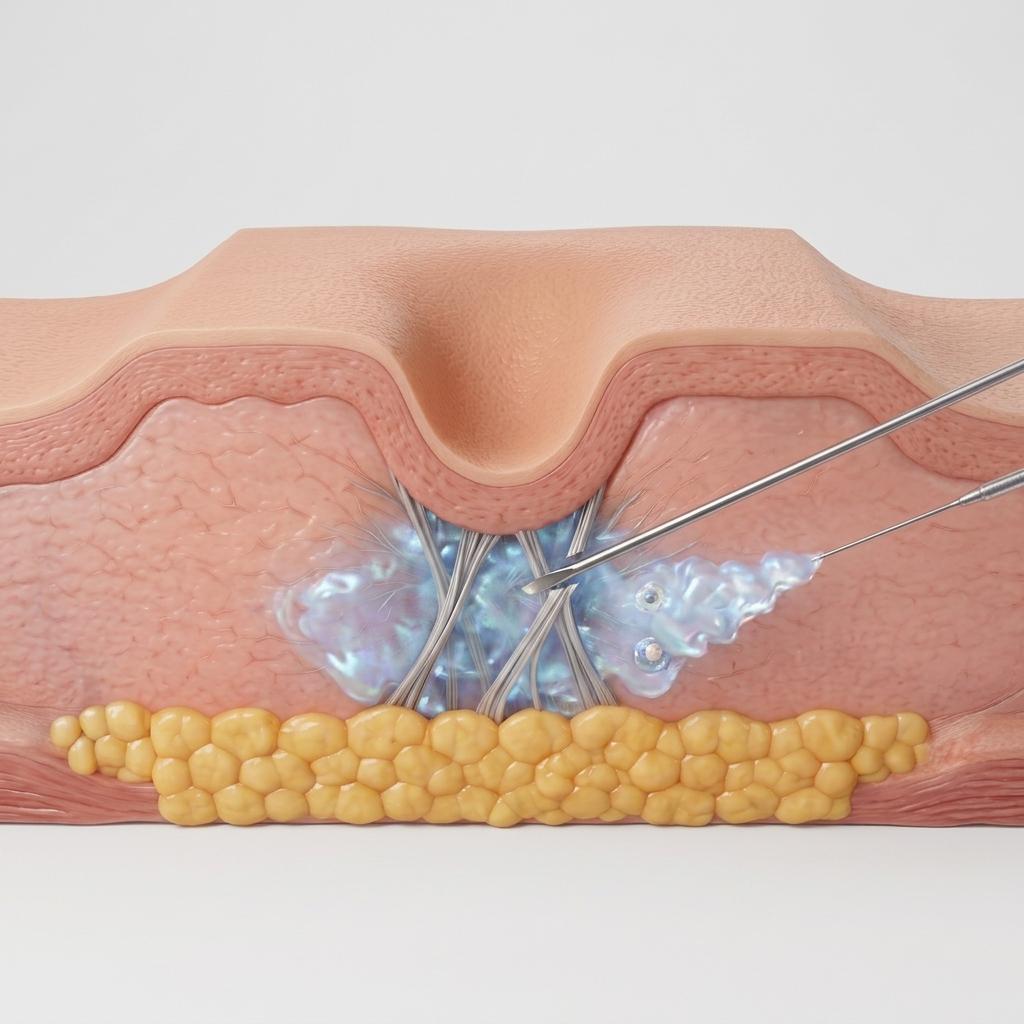
Releases adhesions and injects regenerative agents to accelerate recovery of damaged tissue.
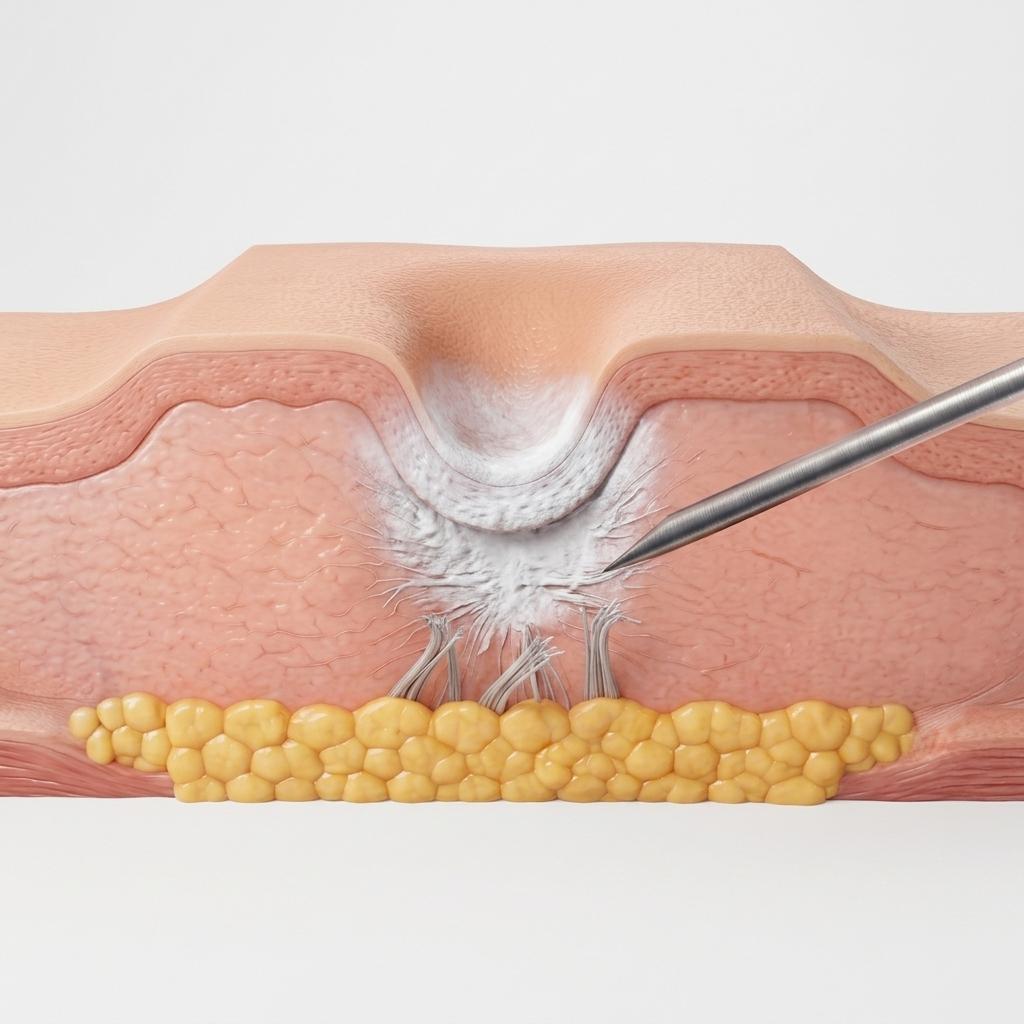
Deeply depressed scars are effectively filled using dot peeling and punch techniques.
1 / 4
See treatment details and results in video.
We've compiled reasons why summer break is the golden time for treating acne and acne scars that were put off during the school year. We explain why starting treatment "on time" rather than "quickly" is crucial for recovery.
If your depressed acne scars remain despite treatment, you can expect improvement with Subcision, which severs adhesions beneath the skin.
3 types of acne you should absolutely not touch, as told by a dermatologist. Incorrect extraction can leave deep scars, so caution is needed.
Chest keloids can result from injuries like acne, and may be harder and more painful than keloids in other areas. Effective improvement can be expected with pain-relieving injections and combination laser therapy, and early treatment and consistent management are important.
For scars after breast augmentation, instead of waiting aimlessly for 6 months, active treatment from the early stages can lead to natural improvement.
Forehead acne and chin acne have different causes, and applying the same ointment to both can actually weaken the skin barrier.
Laser treatment for self-harm scars takes a long time, so it's best to start with plenty of time if you have important milestones like employment or marriage approaching.
Scar treatment requires patience, as improvement is slow. From a clinical perspective, we've outlined why sufficient recovery intervals lead to more natural results.
1 / 8
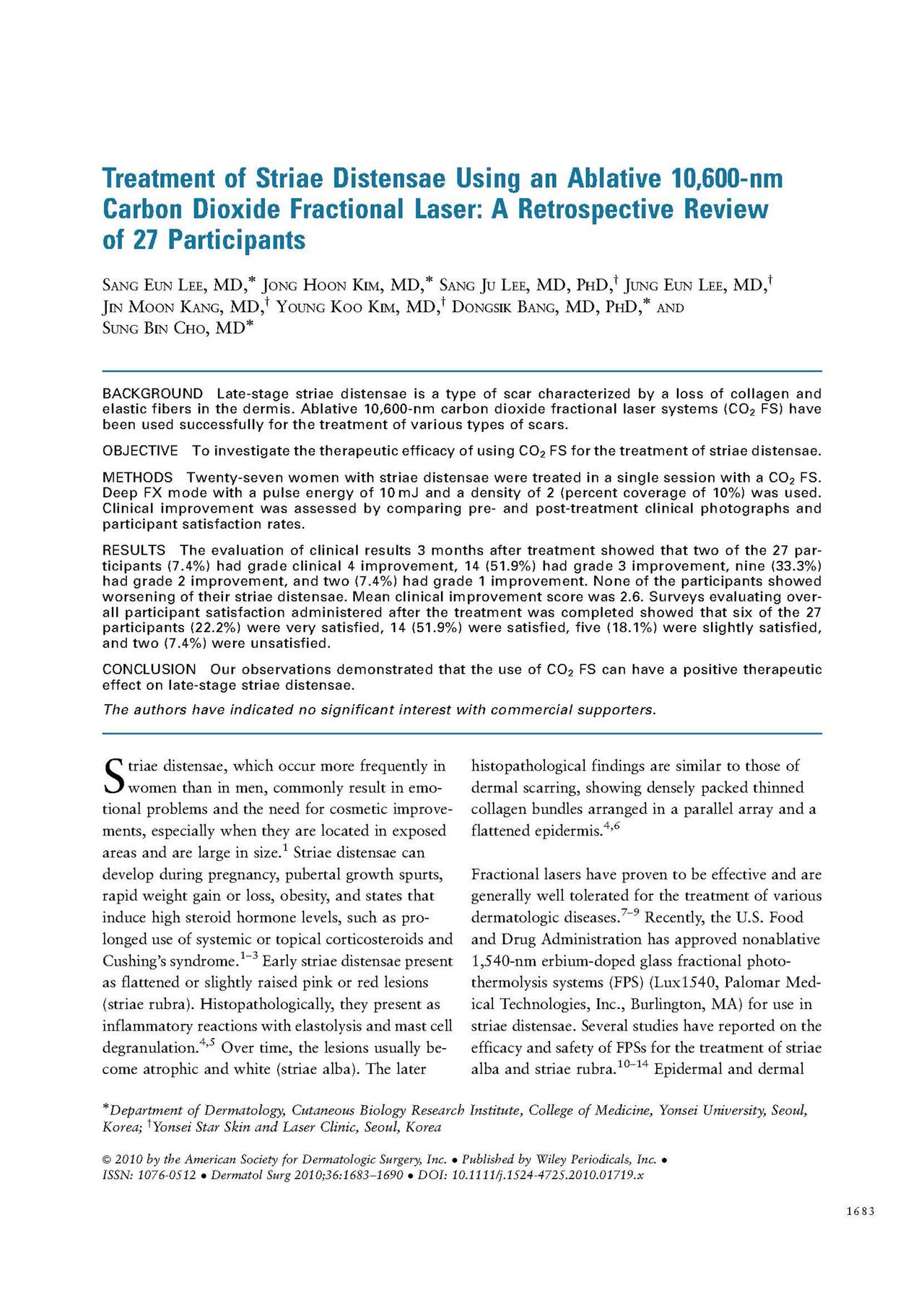
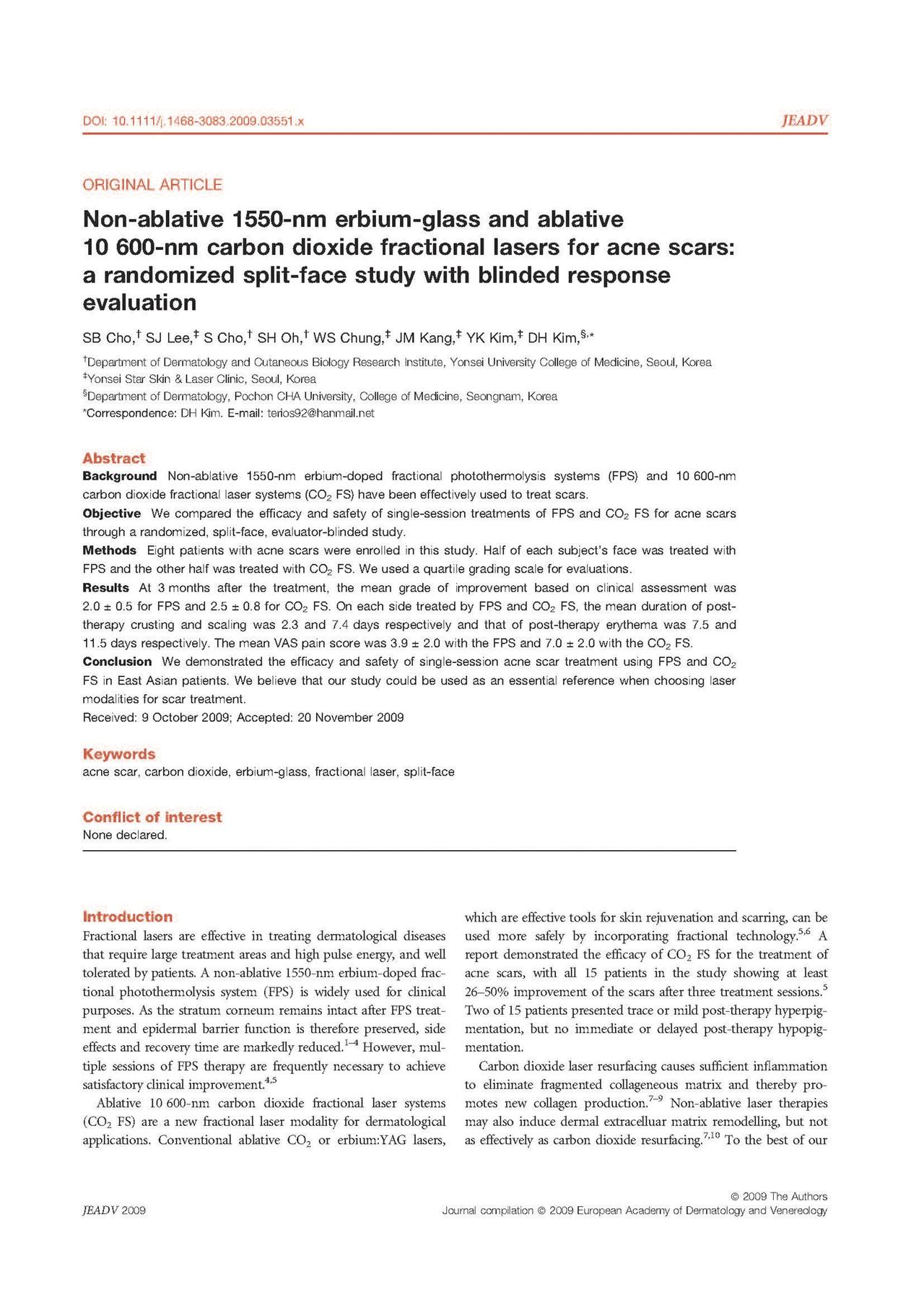
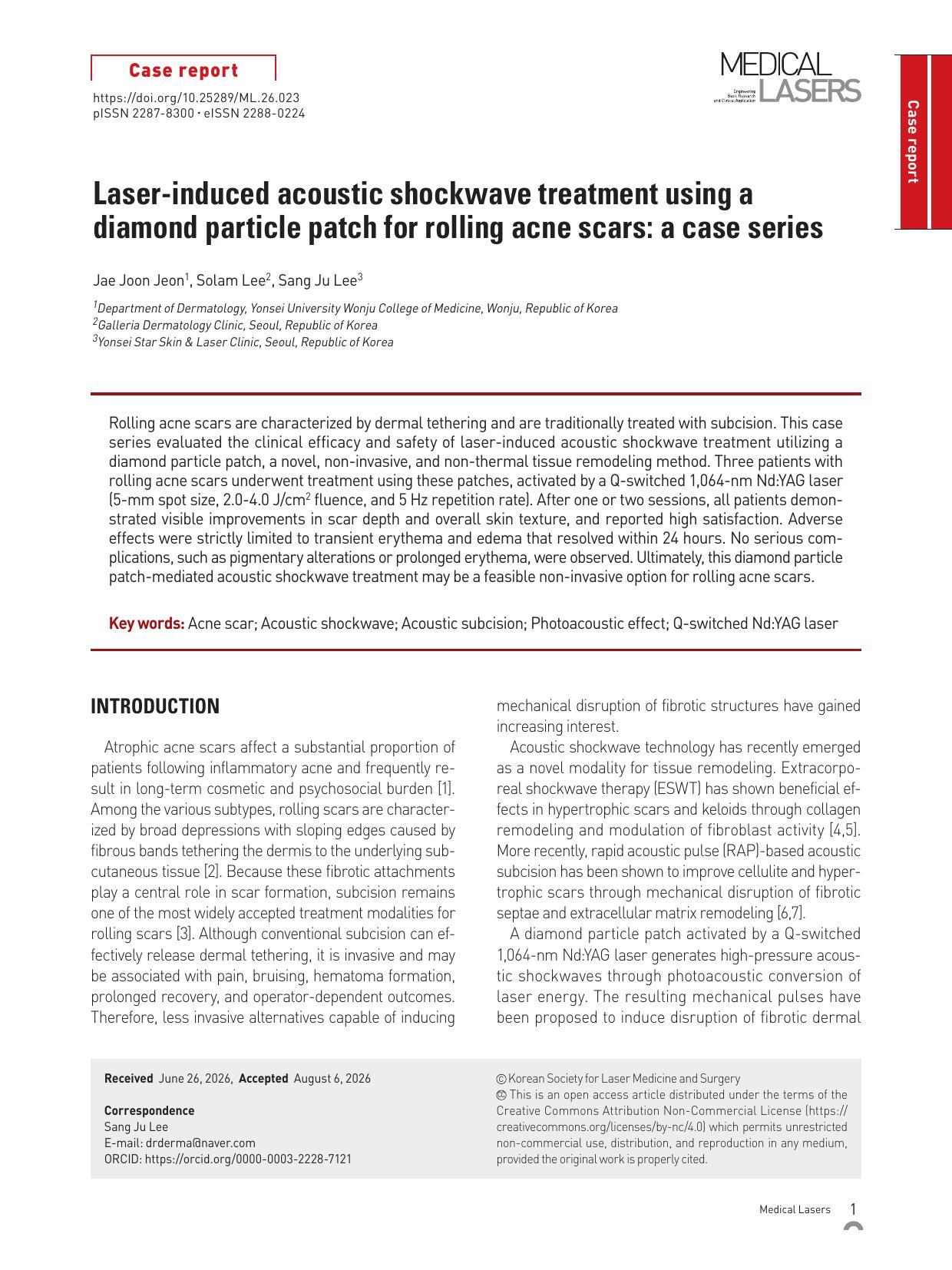
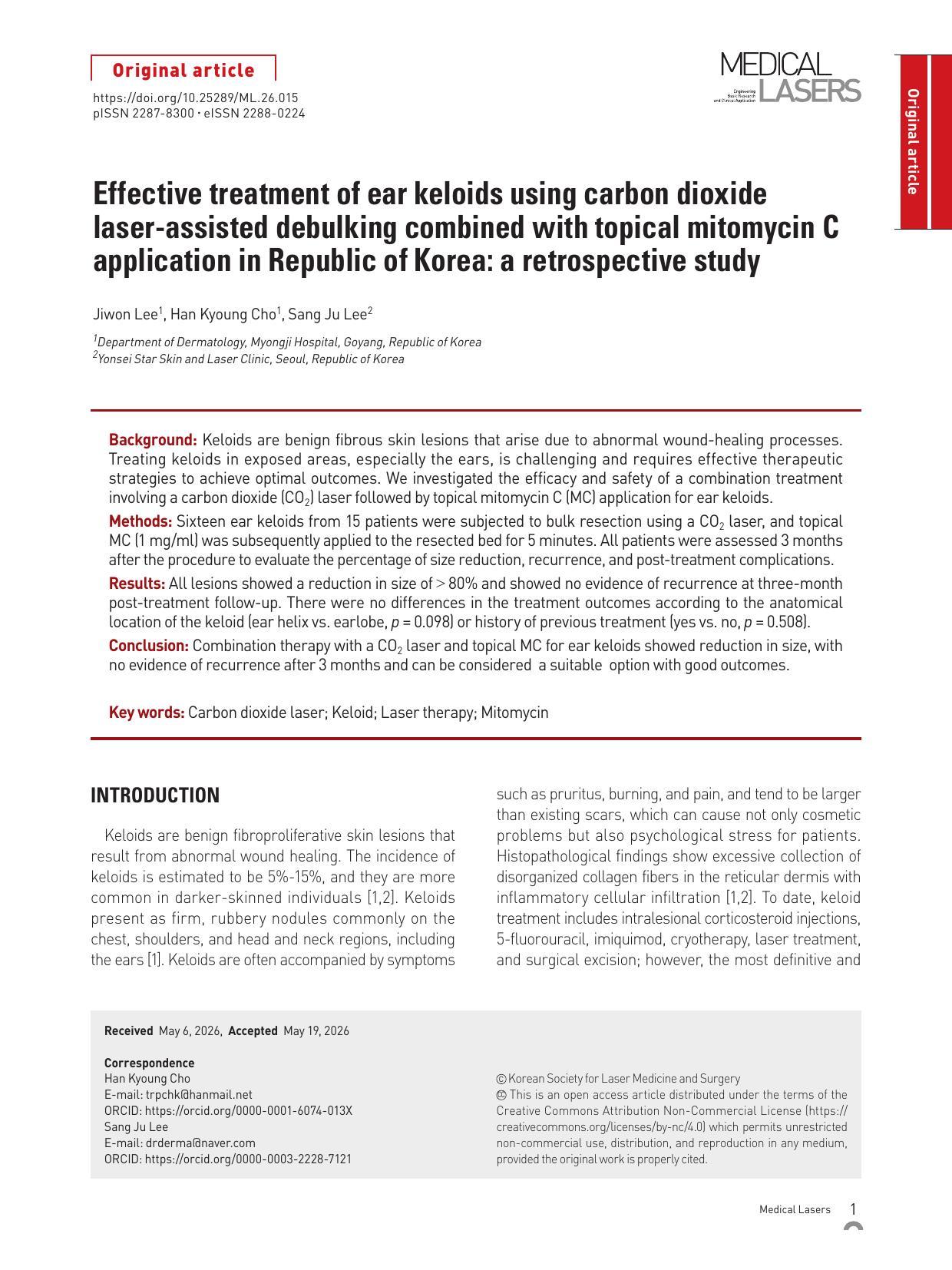
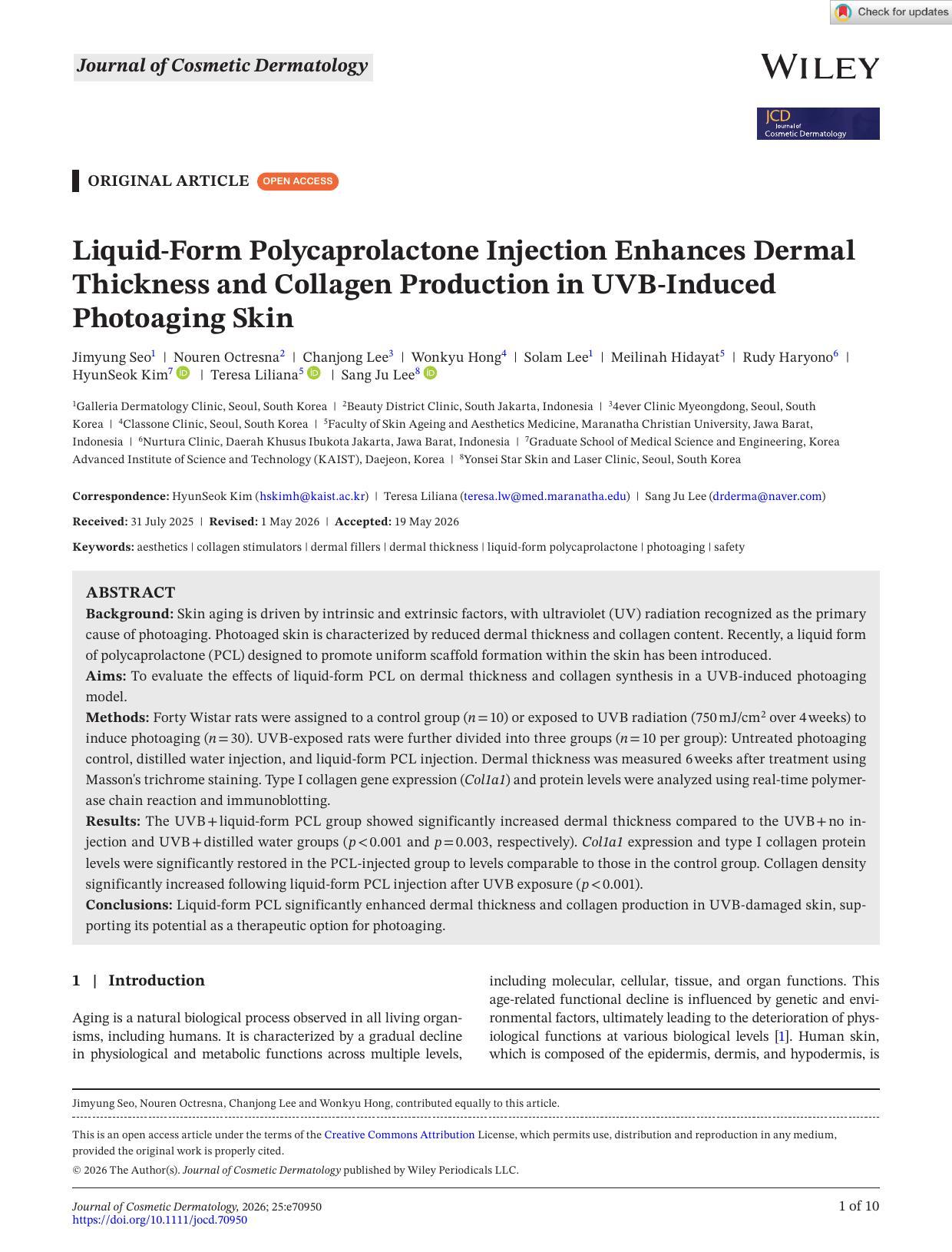
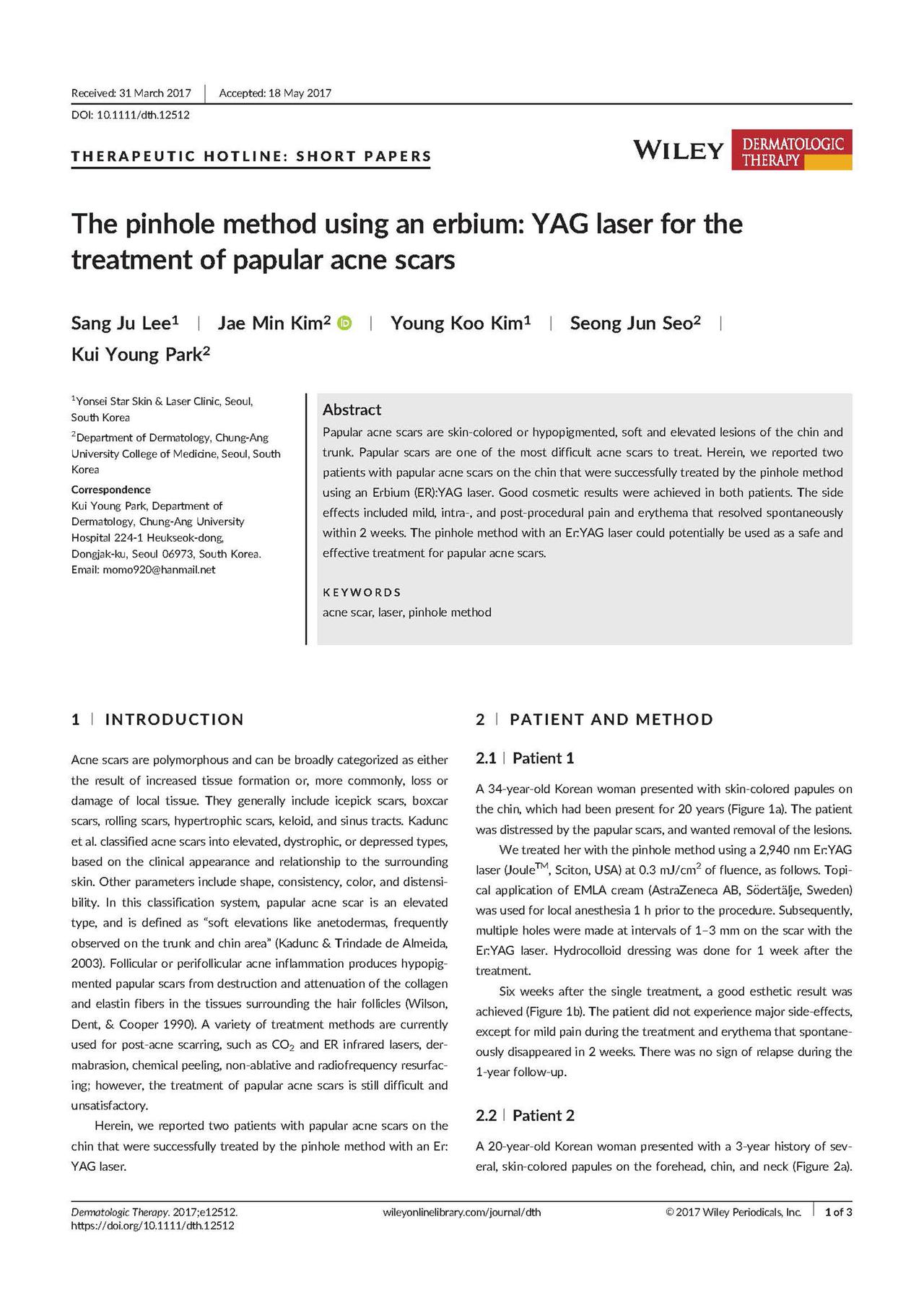
Research our doctors have presented and published


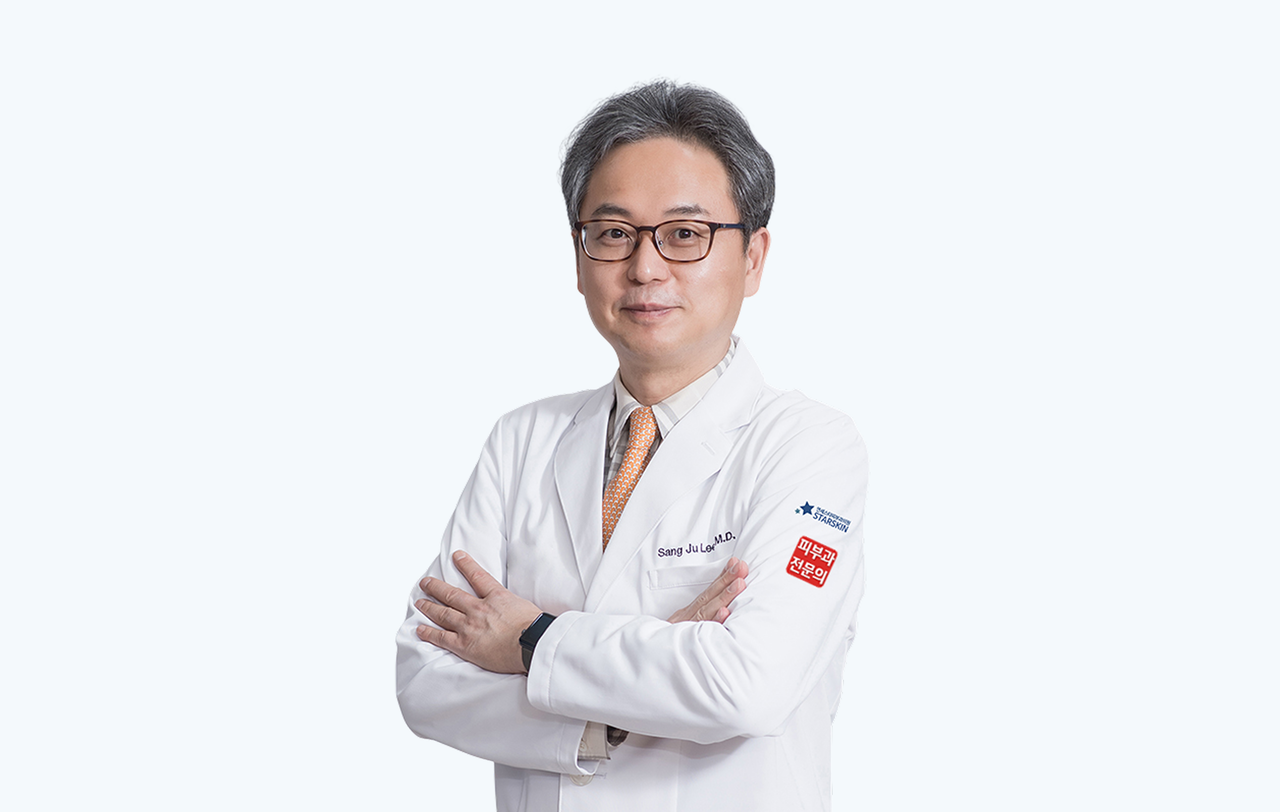
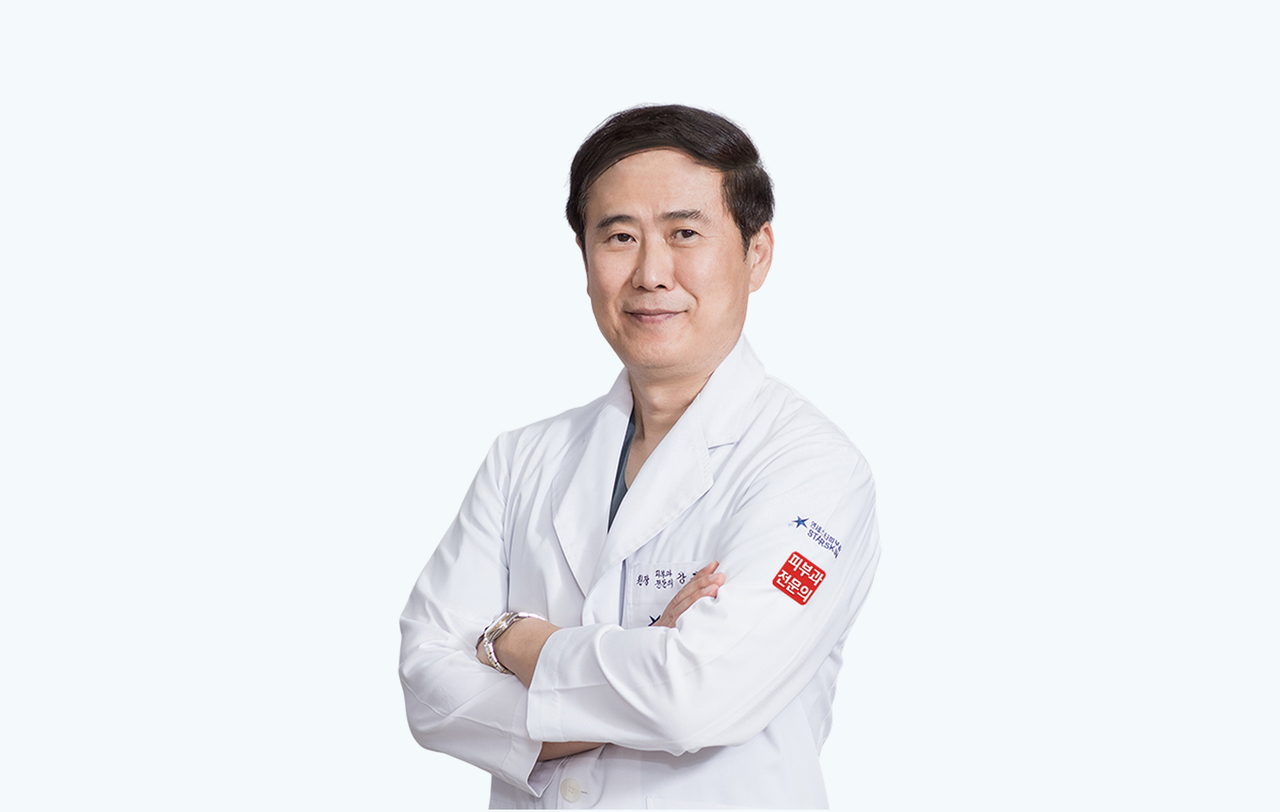
Physicians performing this treatment. High-difficulty (e.g., scar) handled by Co-Directors.
Our doctors answer the questions we hear most in consultations.
While some may notice slight improvement after just one session, multiple repeated treatments are essential for satisfactory results. Scar treatment is a gradual process, and you will experience greater improvement with consistent sessions.
While a complete cure for scars is difficult, consistent treatment can lead to noticeable improvements that others will recognize. The uneven skin surface becomes smoother, and deep scar depressions gradually fill in, improving the overall appearance of your skin.
The required number of sessions varies depending on the individual's scar condition and skin response. Generally, we recommend a minimum of 5 to 10 sessions. It is a cosmetic treatment that continues until you are satisfied with the results, rather than having a fixed number of sessions.
Light exercises like walking are possible on the day of the procedure. However, it is best to avoid strenuous exercise that causes excessive sweating or raises body heat for about a week to aid in recovery.
Alcohol can cause inflammation and slow down skin regeneration. Although it's not a surgery, we recommend refraining from alcohol for at least one week after the procedure for better results and faster recovery.
You can shower from the day of the procedure. However, be careful not to rub the treated area harshly and wash gently with lukewarm water. If scabs have formed, be aware that prolonged showering can cause them to soften and fall off prematurely.
'Sae-sal-chim' is a method that stimulates skin regeneration by needling the scar area. In contrast, subcision is a more fundamental treatment that uses a special needle to directly cut the fibrous bands of scar tissue deep in the skin that are pulling the surface down.
While some people may feel a slight improvement after just one session, the effects are more noticeable after multiple, repeated treatments.
A complete cure is difficult, but with enough sessions, you can expect significant improvement to the point where others notice and you feel satisfied with the treatment. The number of sessions varies per person, so you can continue until you are satisfied. Generally, severe scars require at least 10 sessions, while less severe ones need at least 5 to see effects.
This is caused by internal adhesion. It can be improved to some extent with subcision, a procedure that releases the scar tissue.
How to prepare and how to care for your skin afterward. Following them helps you recover faster.
Depending on the procedure, you may experience redness, swelling, bruising, or scabbing, which can last from a few days to several months. This is a normal part of the healing process.
If scabs form on the treated area, you must wait for them to fall off naturally. Forcibly removing them can lead to pigmentation or additional scarring.
To aid skin regeneration and prevent infection after the procedure, consistently apply the regeneration cream recommended by the clinic throughout the treatment period.
New acne during the treatment period can cause new scars. Pay attention to your regular acne care, and contact the clinic if localized inflammation occurs after the procedure.
Scar treatment involves breaking down and remodeling existing scar tissue, so it may temporarily appear worse, such as becoming redder or more indented. This is a normal part of the healing process.
It is best to refrain from strenuous exercise or alcohol, which can cause inflammation and slow down recovery, for at least one week after the procedure.
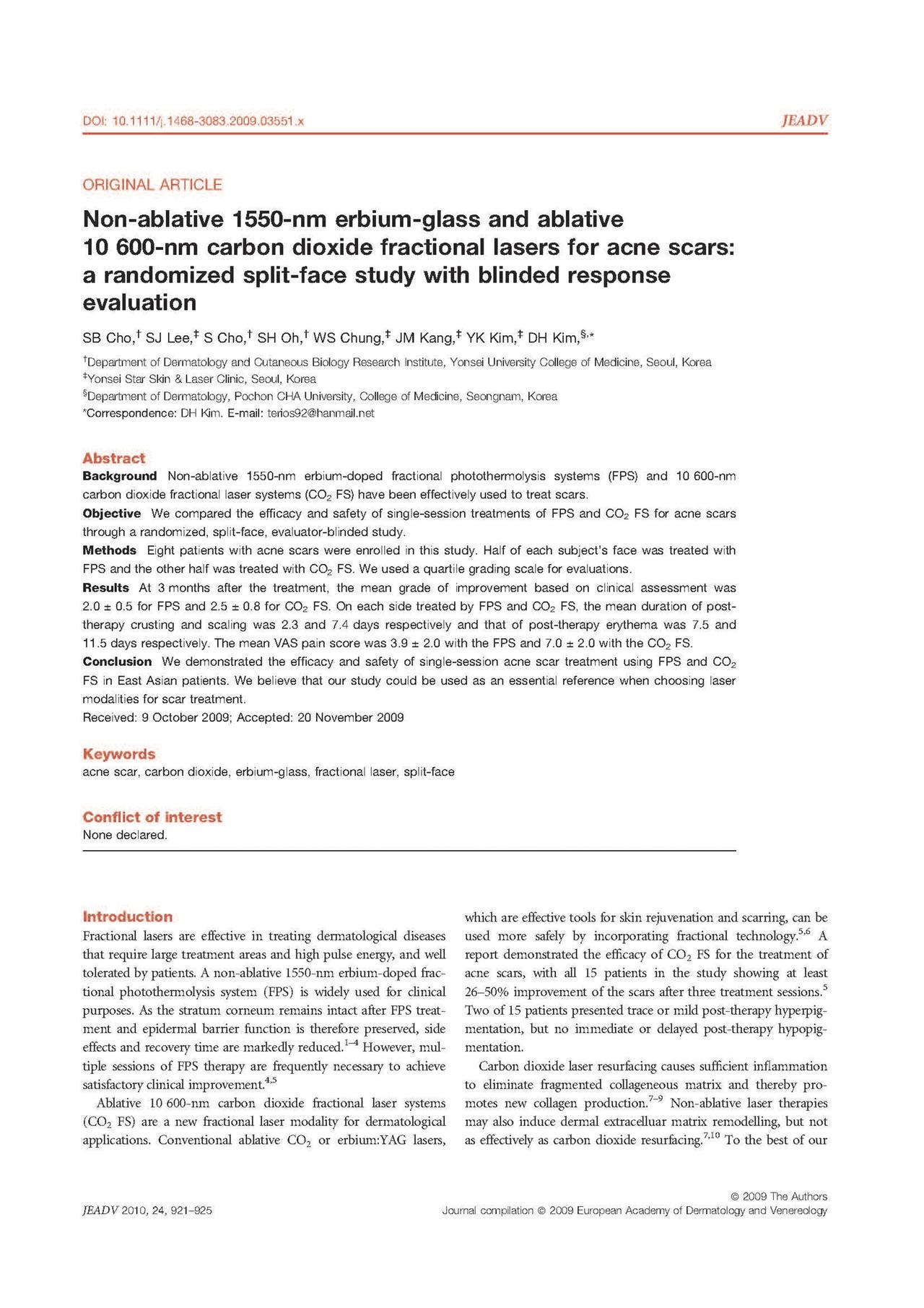
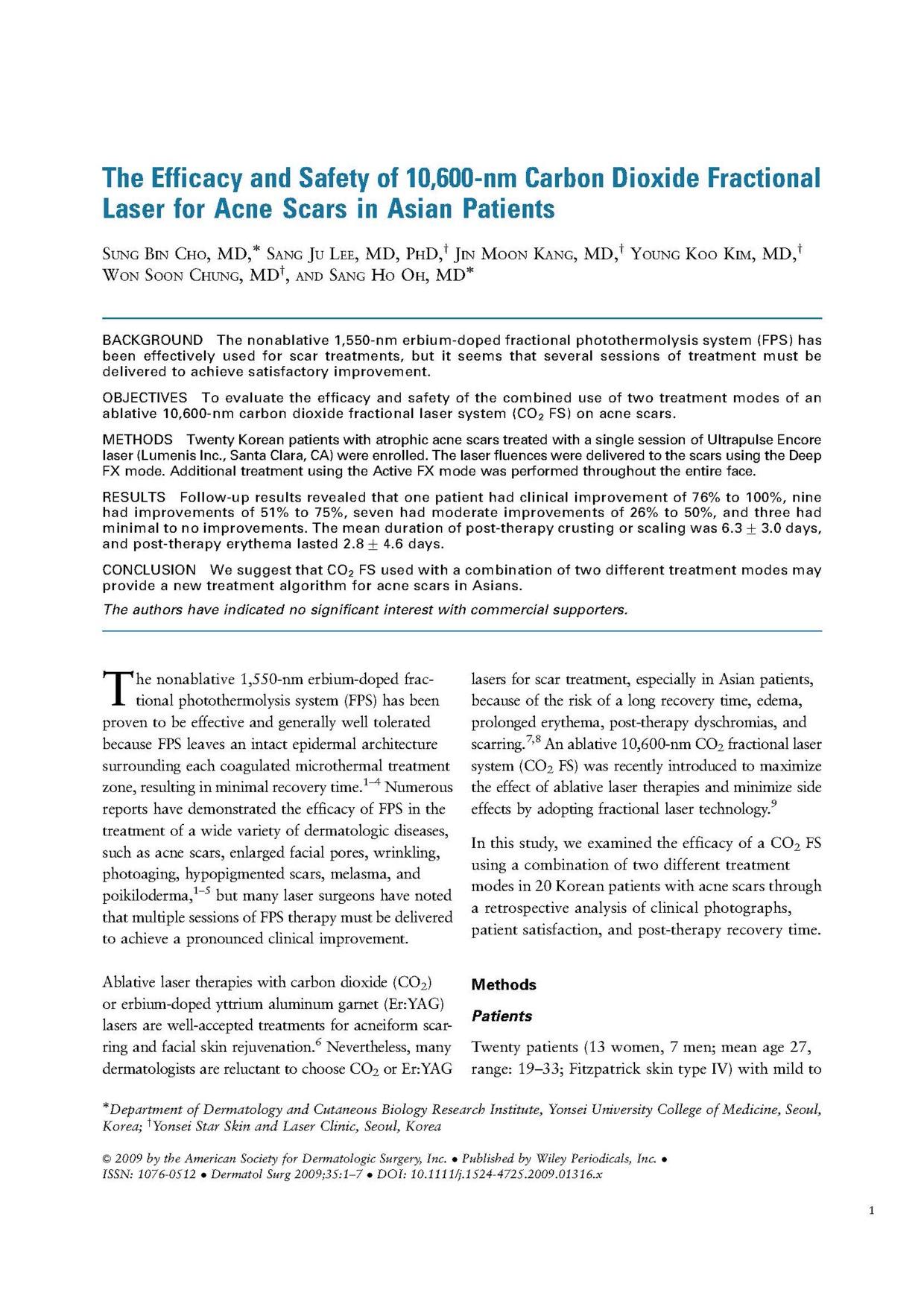
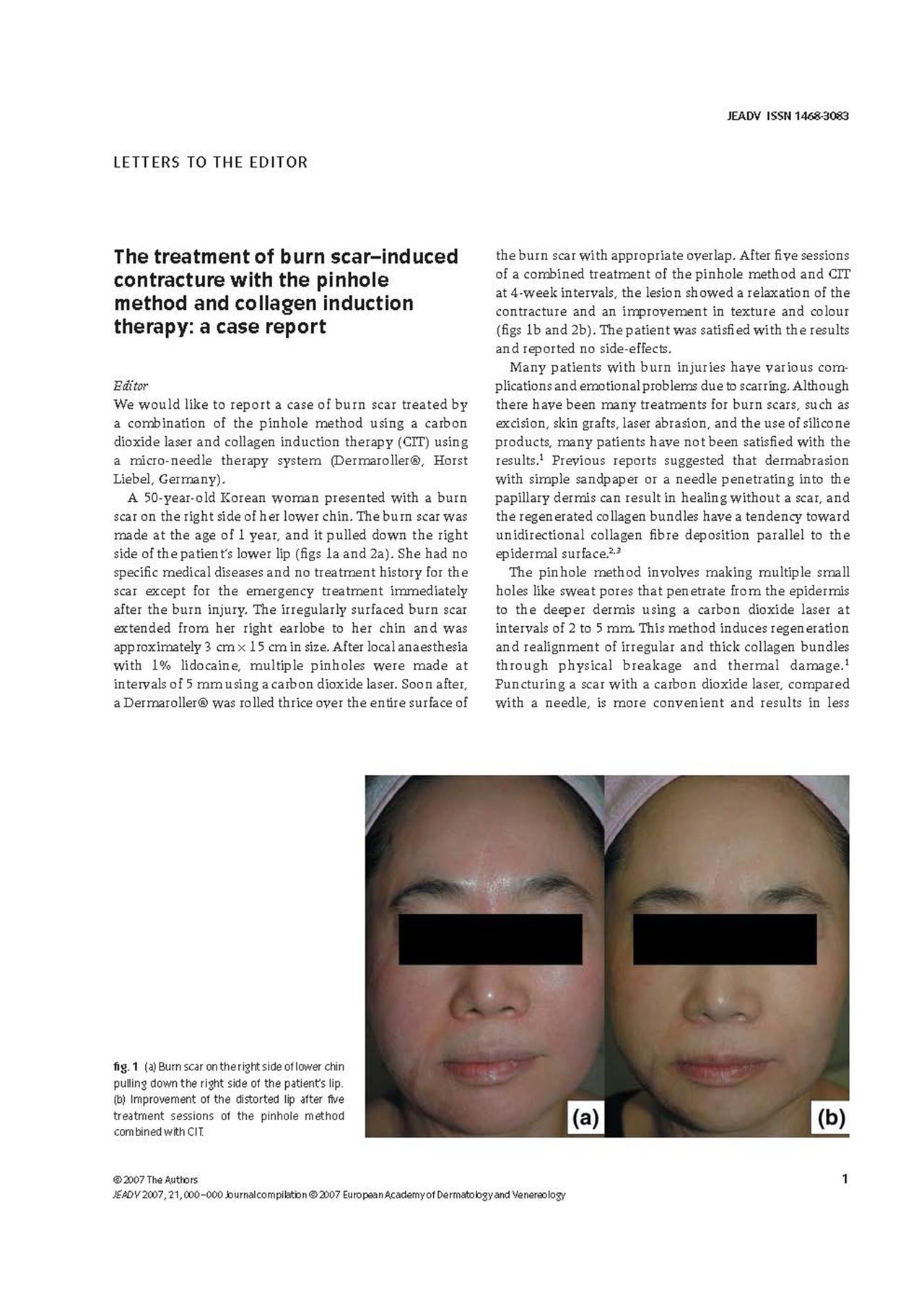
For 25 years we have treated scars around the pinhole method. Five board-certified dermatologists, 14 journal papers, 8 textbooks and 50 academic activities stand behind our care.
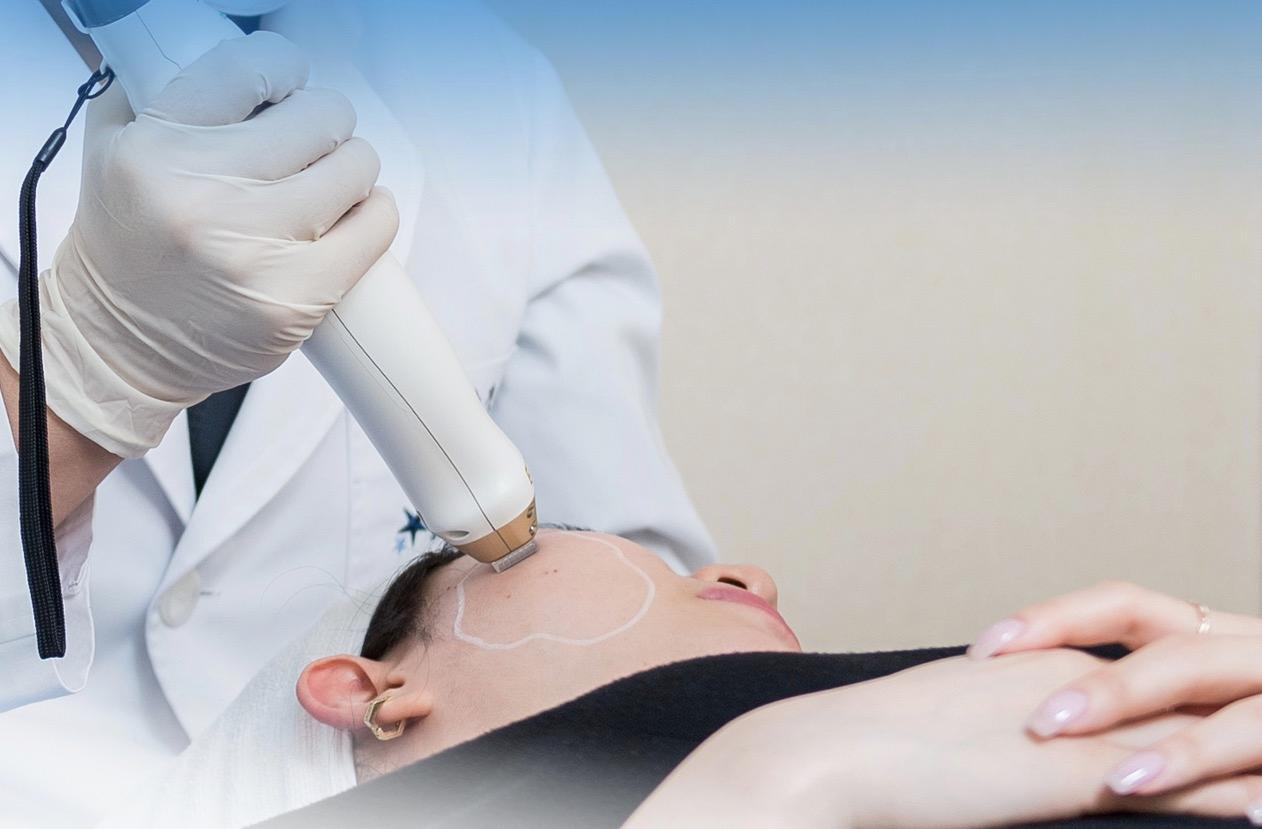
We systematically diagnose and treat diverse scar types — burn, acne, keloid, and surgical scars — drawing on decades of clinical experience.
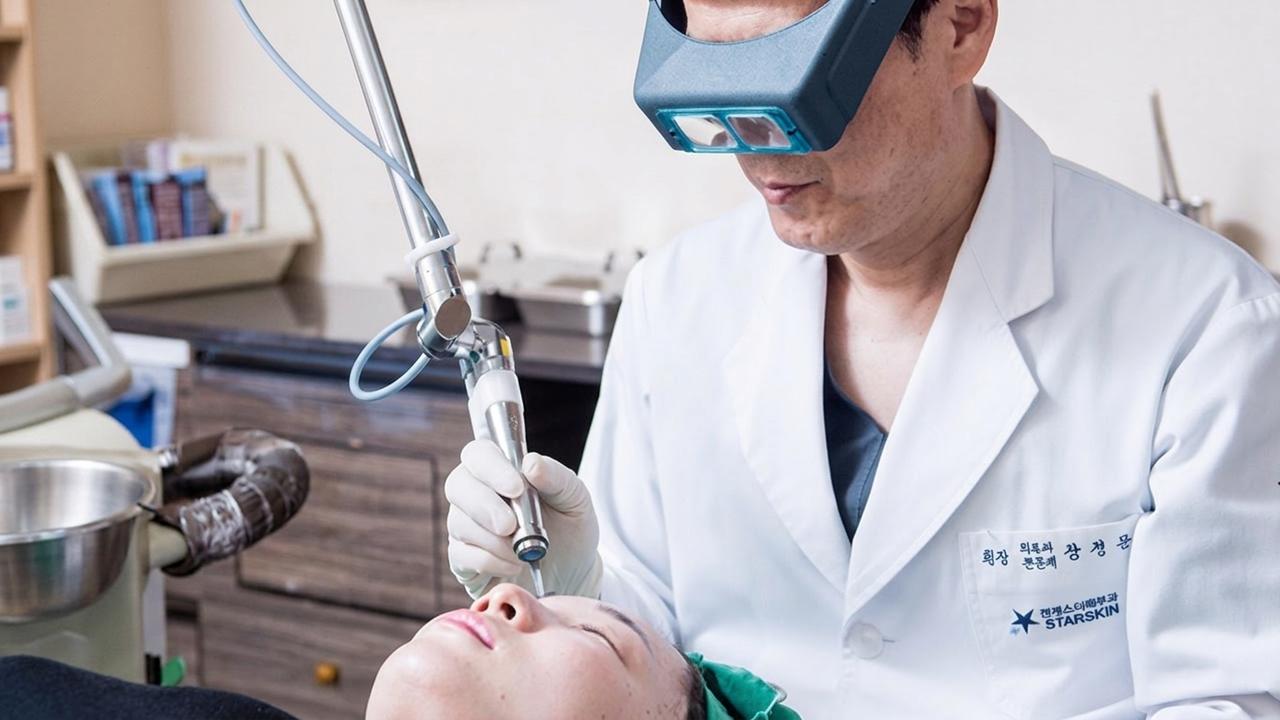
In-house 'pinhole technique' combining CO2 laser with collagen-induction drugs. Highly effective for deep burn and surgical scars; presented at multiple international societies.
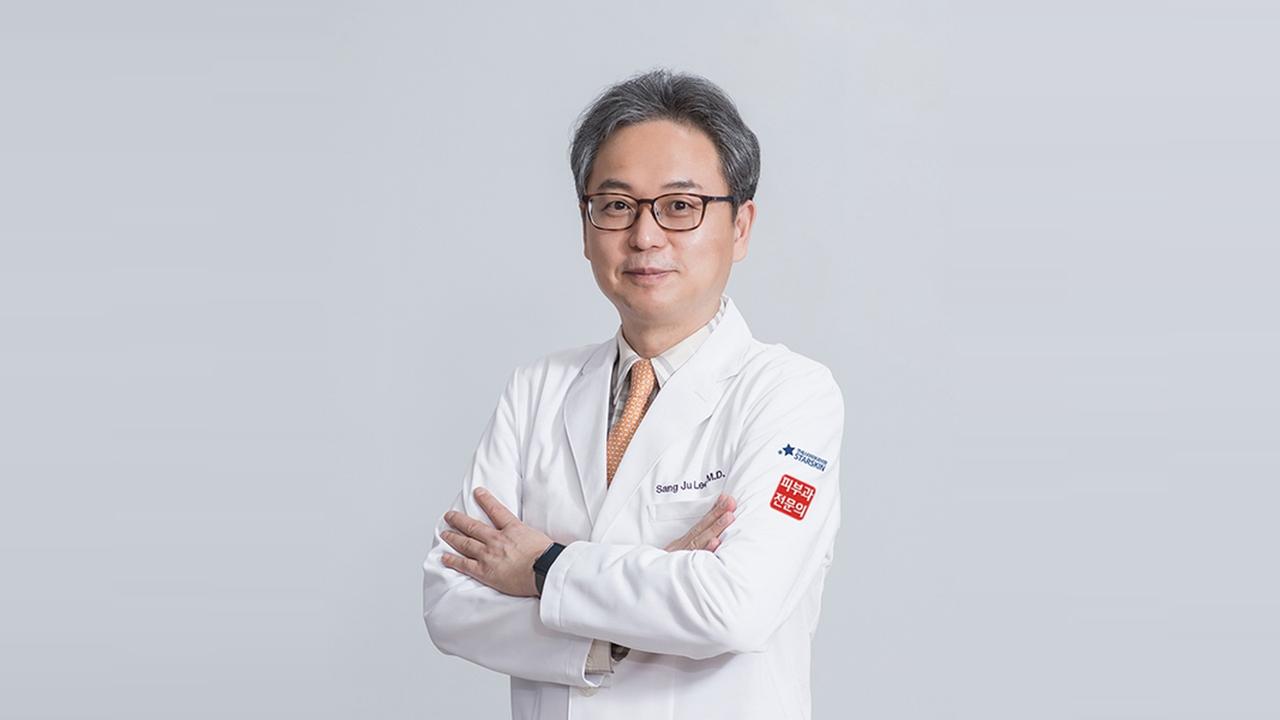
Co-Director Dr. Lee Sang-Joo currently serves as President of the Korean Dermatological Association, continuing academically grounded care that reflects the latest society-level insights and guidelines in practice.
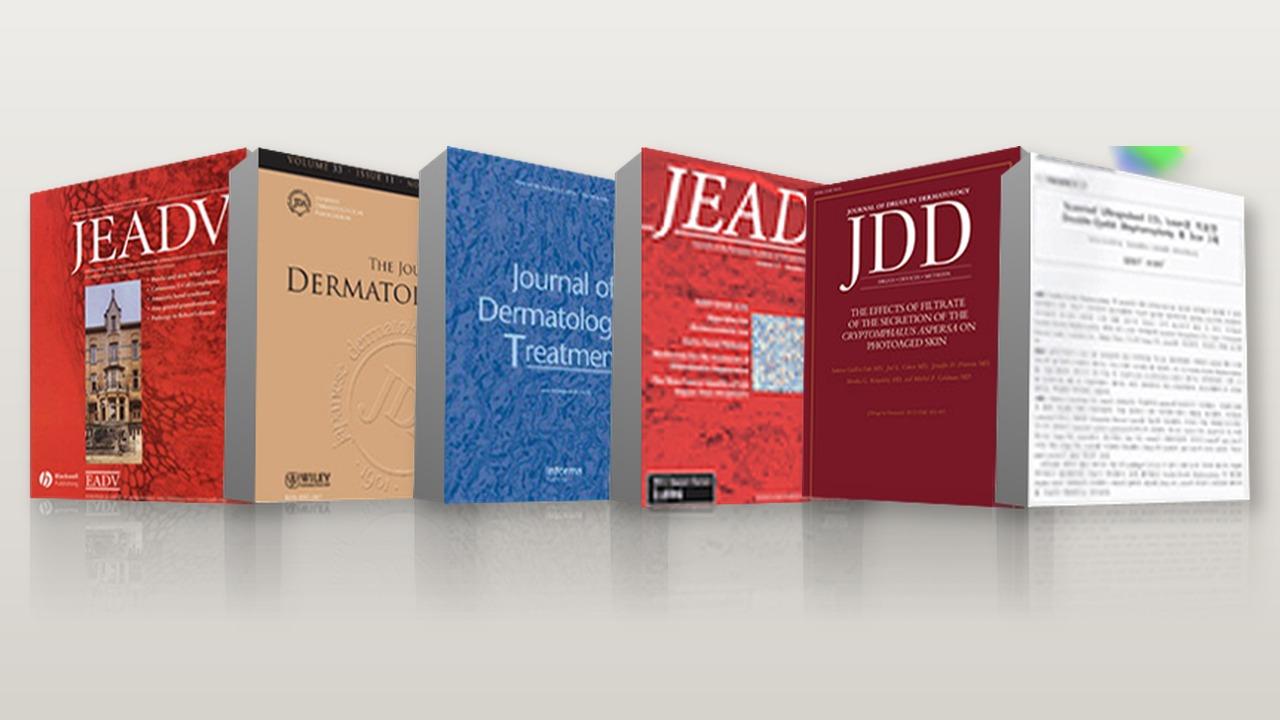
Authored multiple textbooks — Acne Bible, Medical Skincare, Pigmentary System, Skin Barrier, Gold PTT Aesthetic Treatment, Medical Nail Care, Medical Body Care — standardizing clinical know-how.
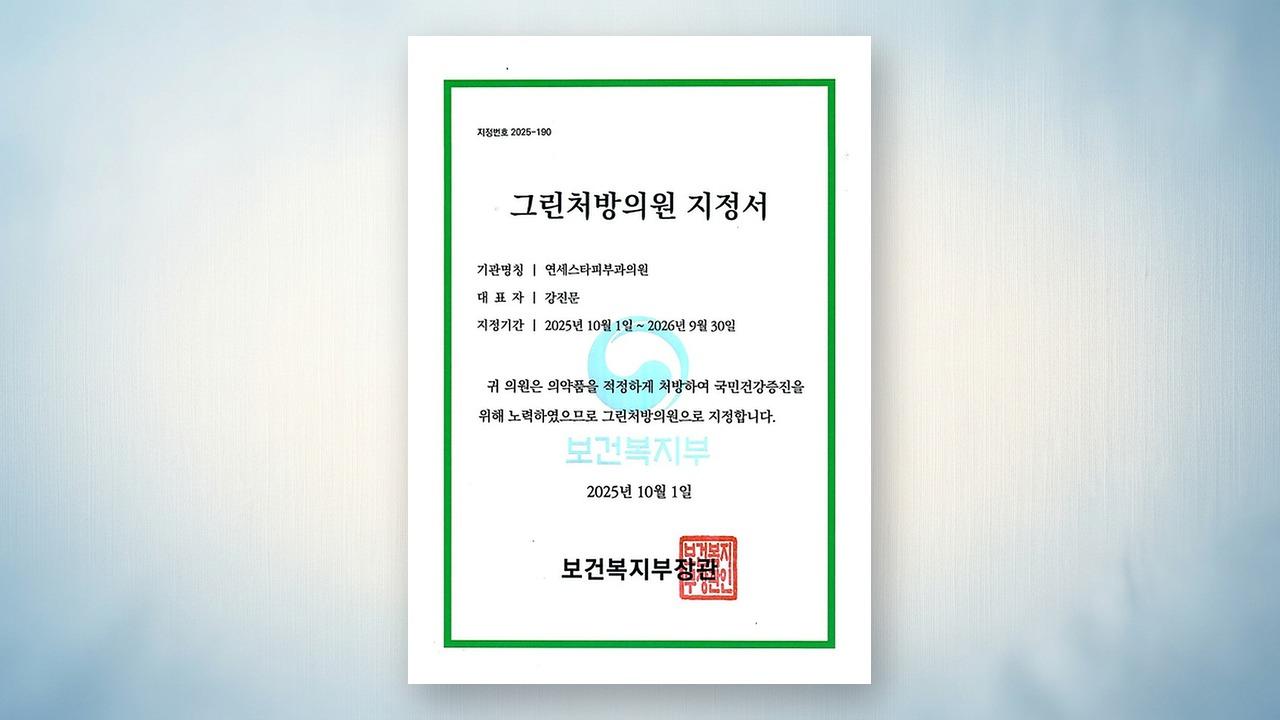
Certified as a Green Prescription Clinic by Korea's Ministry of Health and HIRA after rigorous review — performing only what the patient truly needs, no over-treatment.
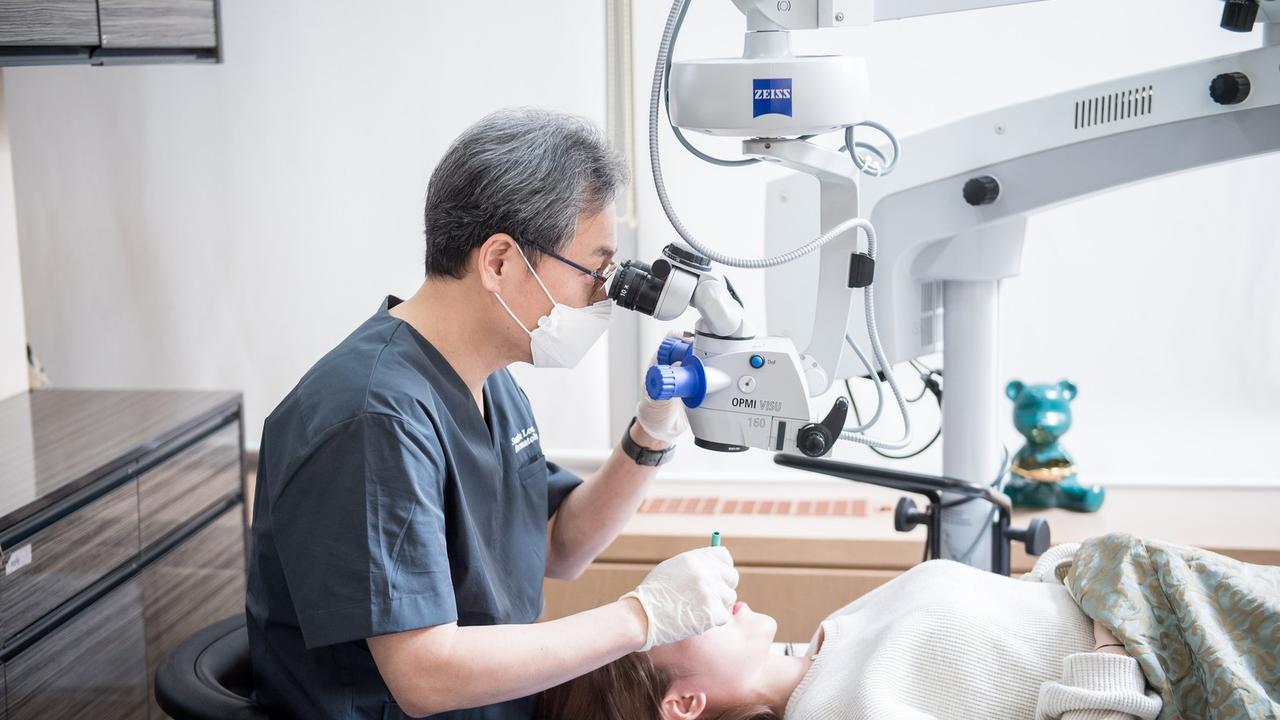
Drawing on rich experience treating scars of many types and conditions, we build a treatment plan tailored to each patient's skin.
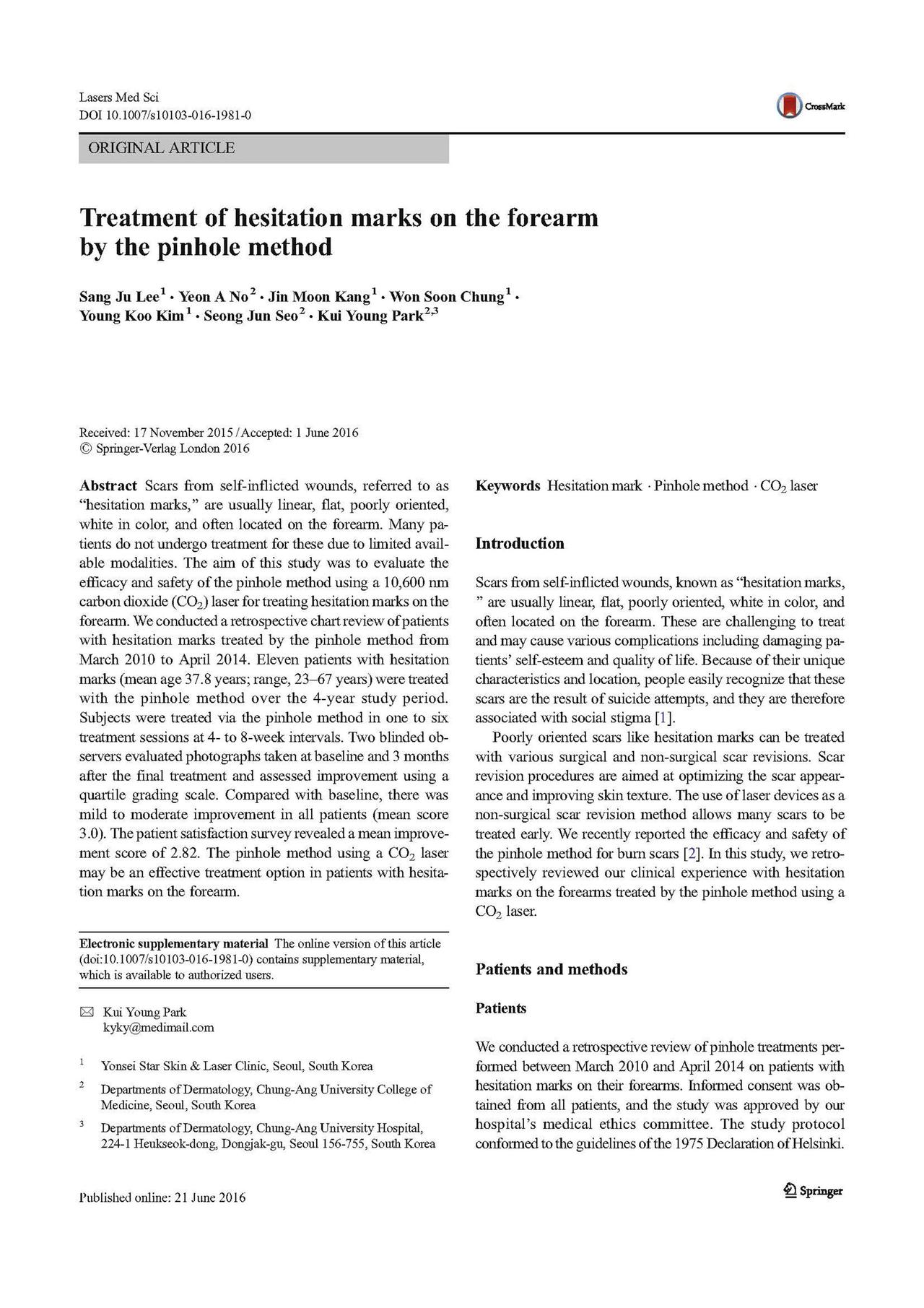
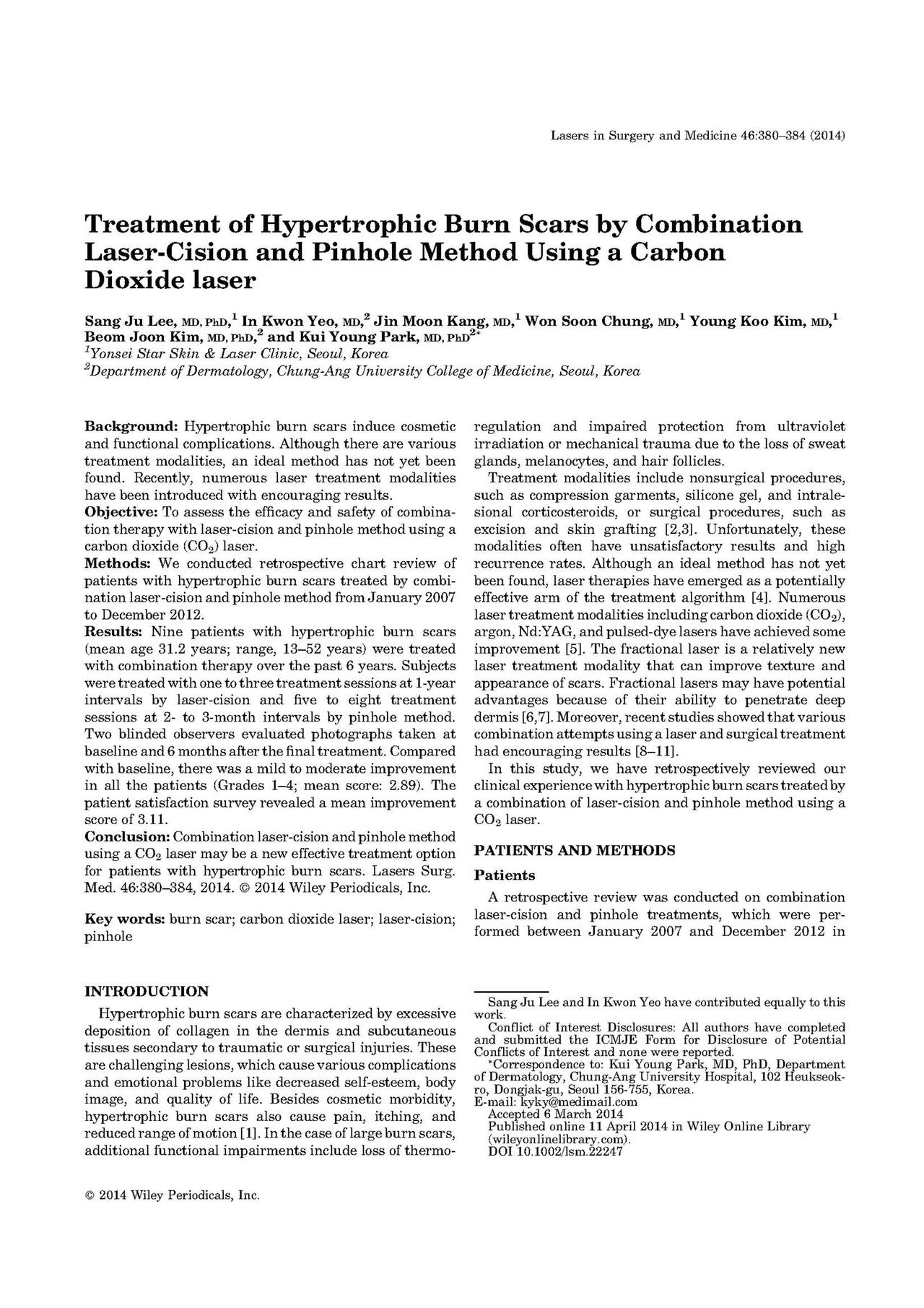
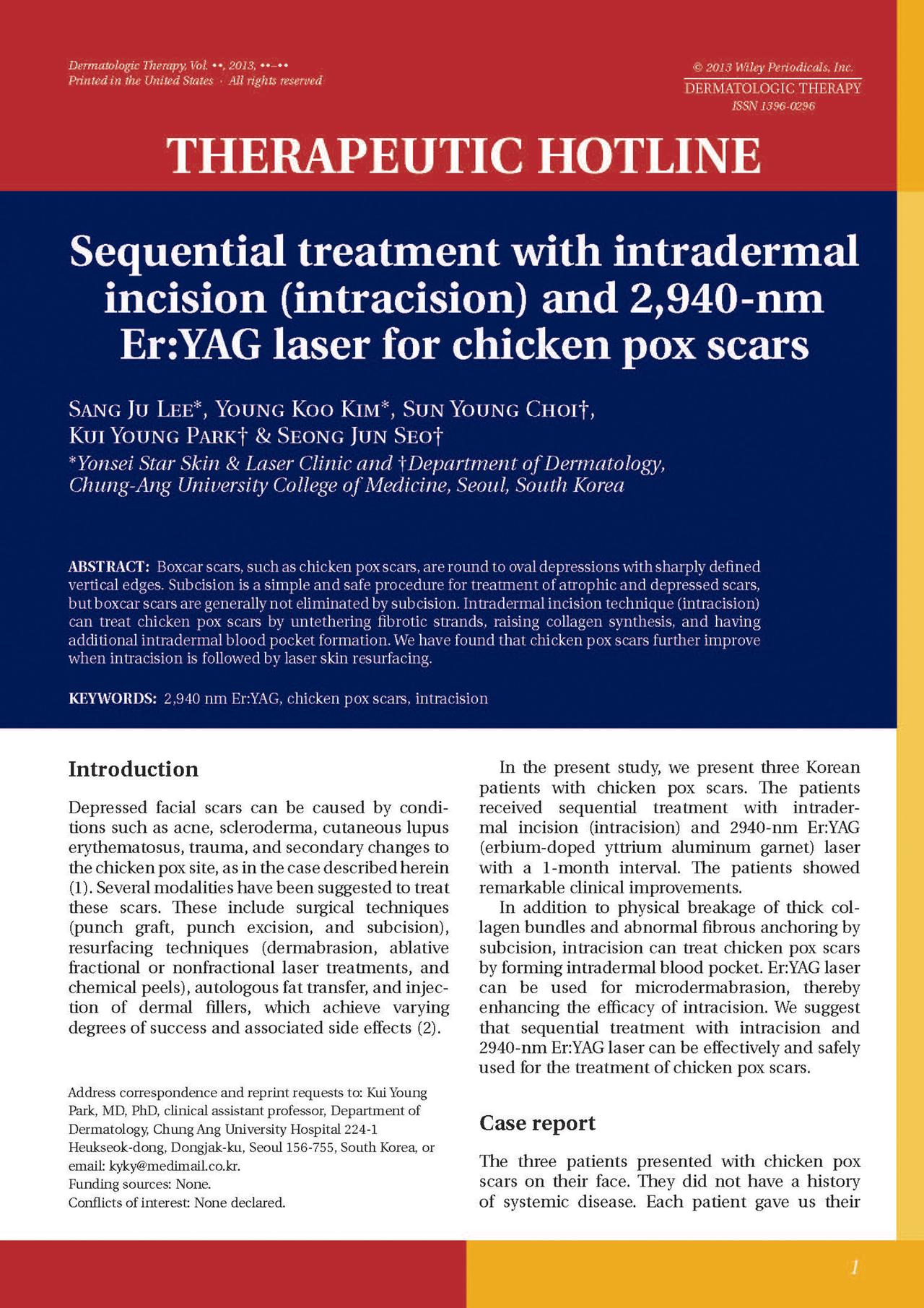
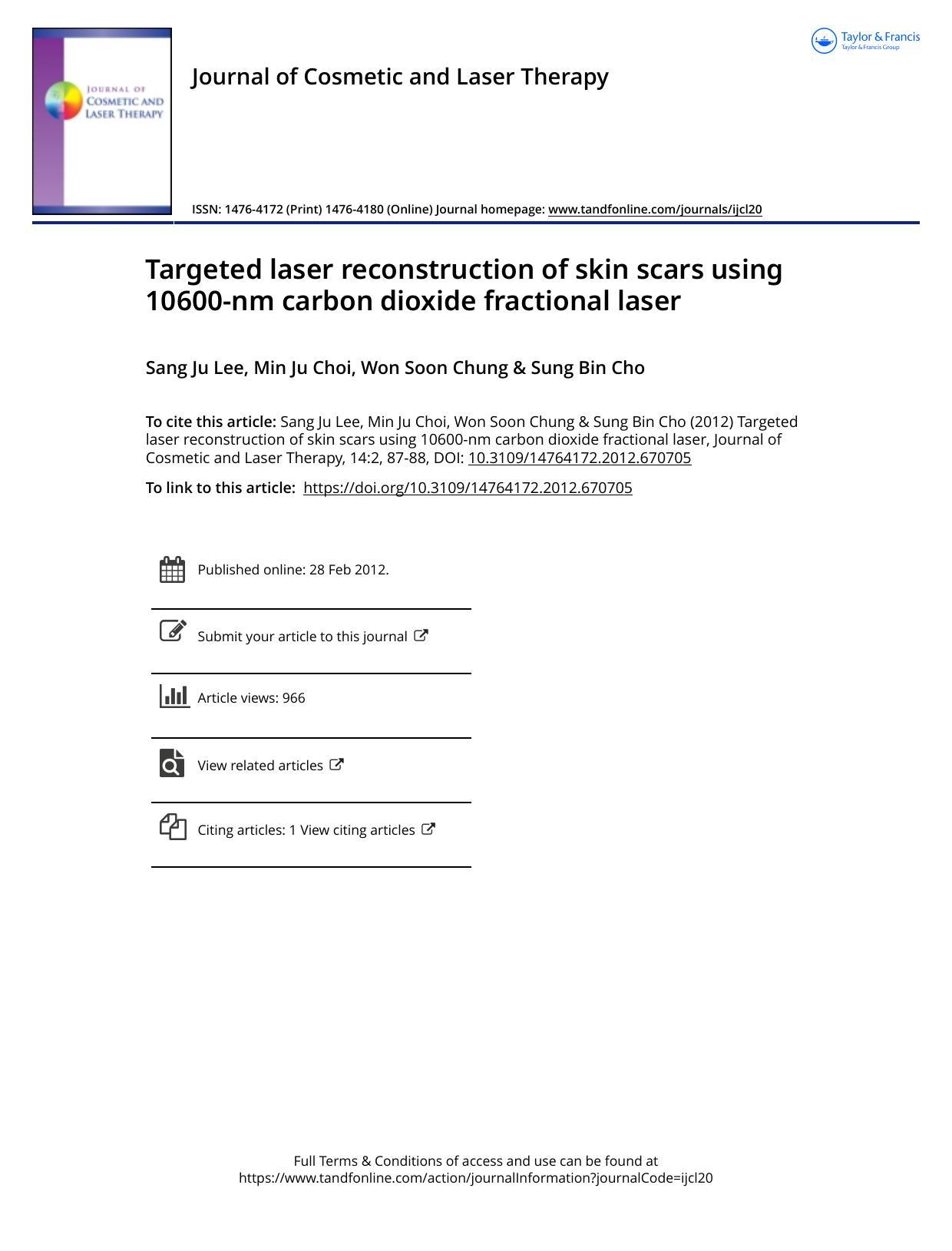


1 / 13
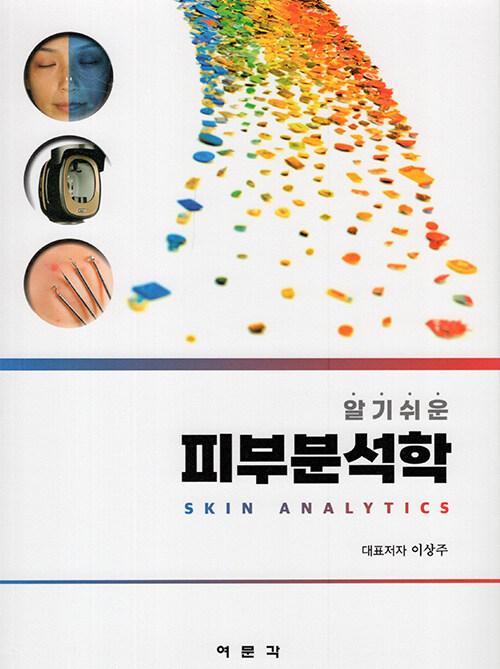
Yeomungak · 2023
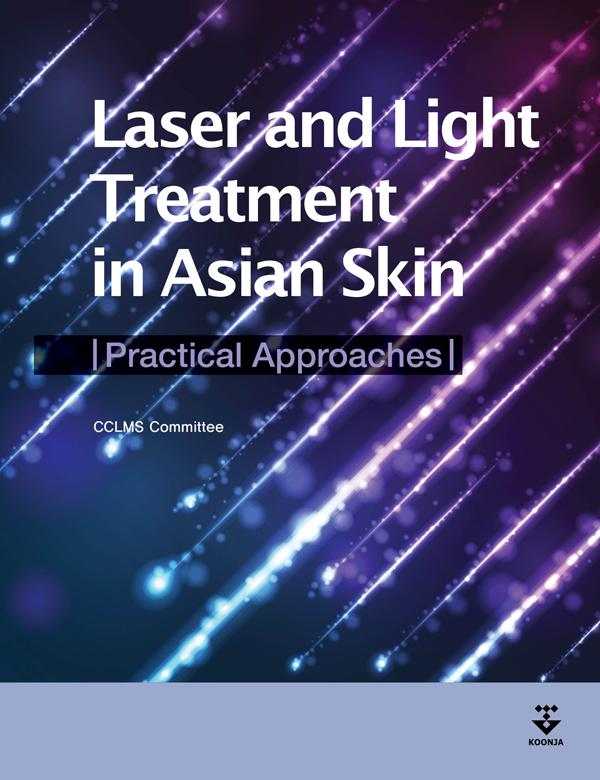
Goonja Publishing House · 2018

Blackwell · 2006
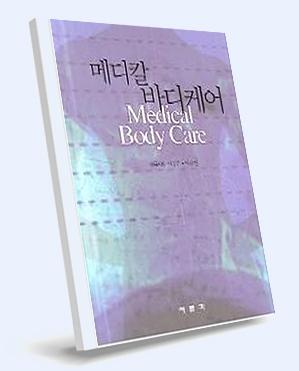
Yeomungak · 2006
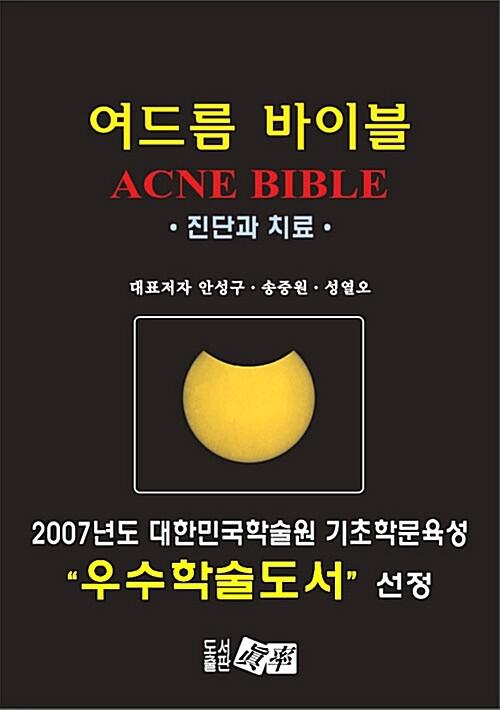
Jinsol · 2006
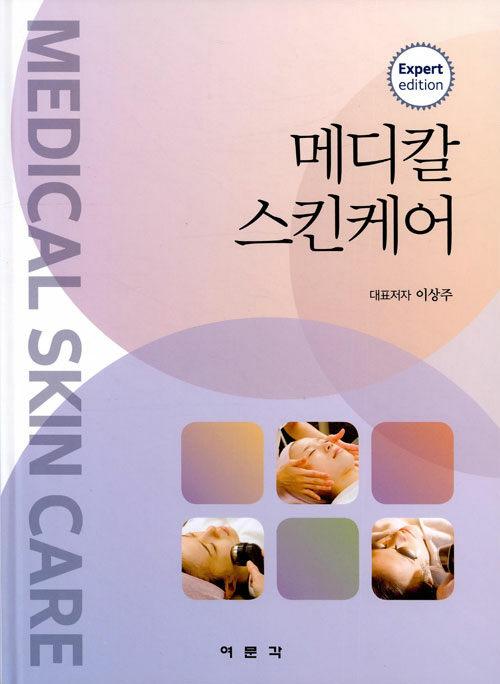
Yeomungak · 2019
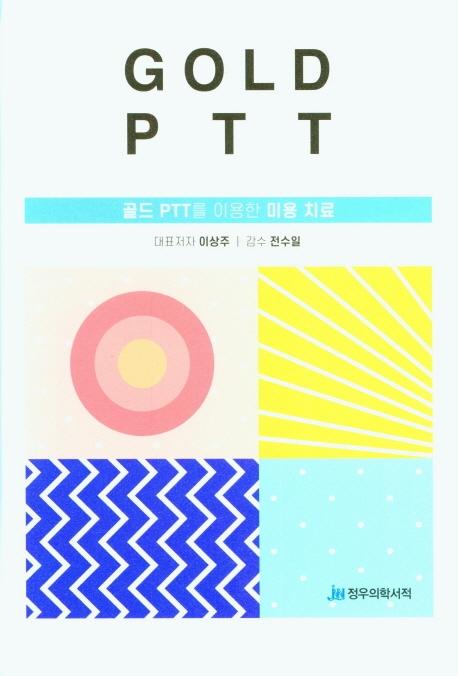
Jeongwoo Medical Books · 2019
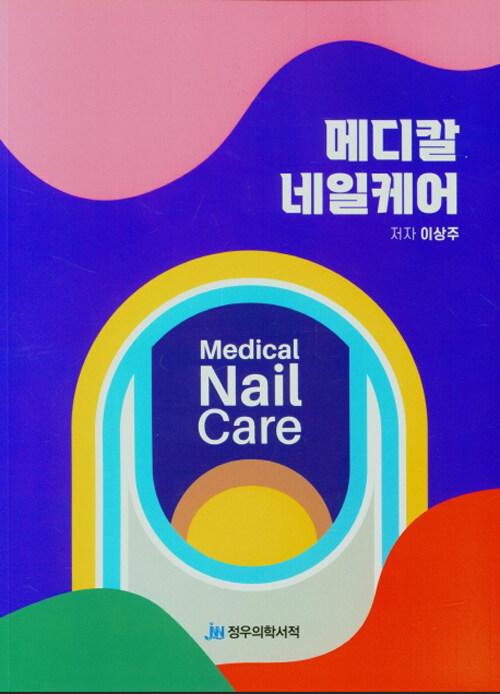
Jungwoo Medical Books · 2021
Suitability and exact pricing are confirmed in 1:1 consultation.