Systematic 4-Step Program
A 4-step combination treatment program that comprehensively improves keratosis pilaris, from its root causes to its appearance.

Key treatment facts worth knowing before your consultation.
A 4-step combination treatment program that comprehensively improves keratosis pilaris, from its root causes to its appearance.

Redness, dead skin cells, pigmentation, unwanted hair, and rough texture — the various symptoms of keratosis pilaris are improved simultaneously for smoother skin.

Effective treatment is possible even on large body areas prone to keratosis pilaris, such as the arms, legs, and entire back.
See which concerns this treatment addresses. Whether it suits you is decided after we examine your skin.
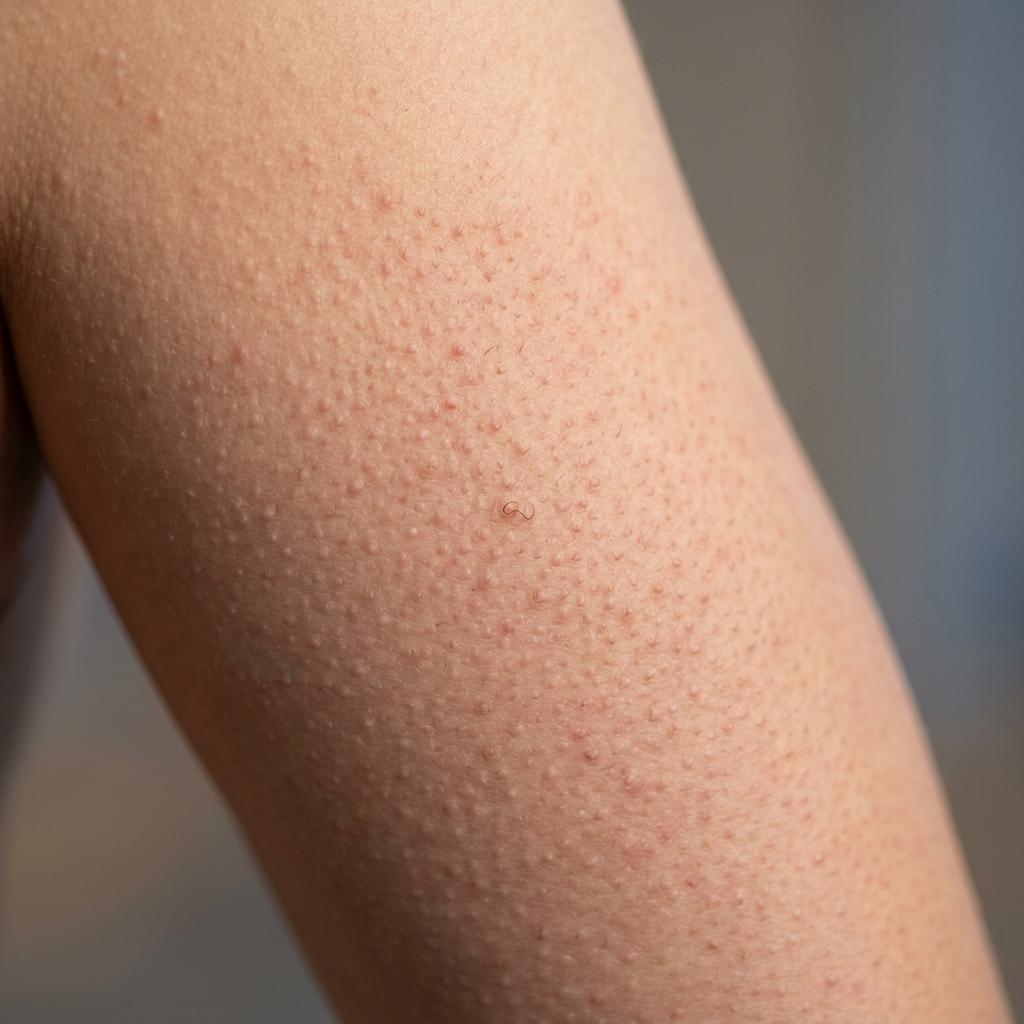
For bumpy keratosis pilaris on the arms or thighs — step-by-step exfoliation and texture care for a smoother surface.
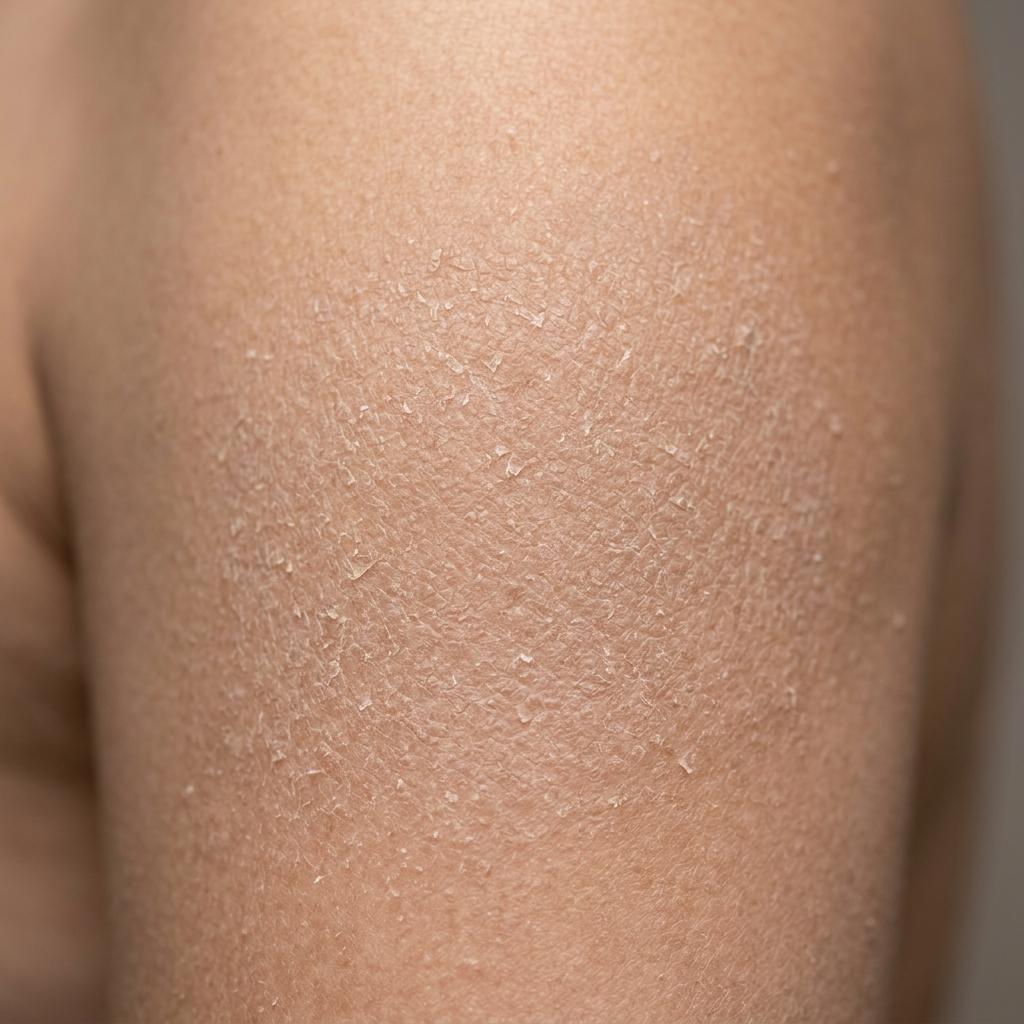
For rough, dry skin from clogged keratin — scaling clears buildup to refine the texture.
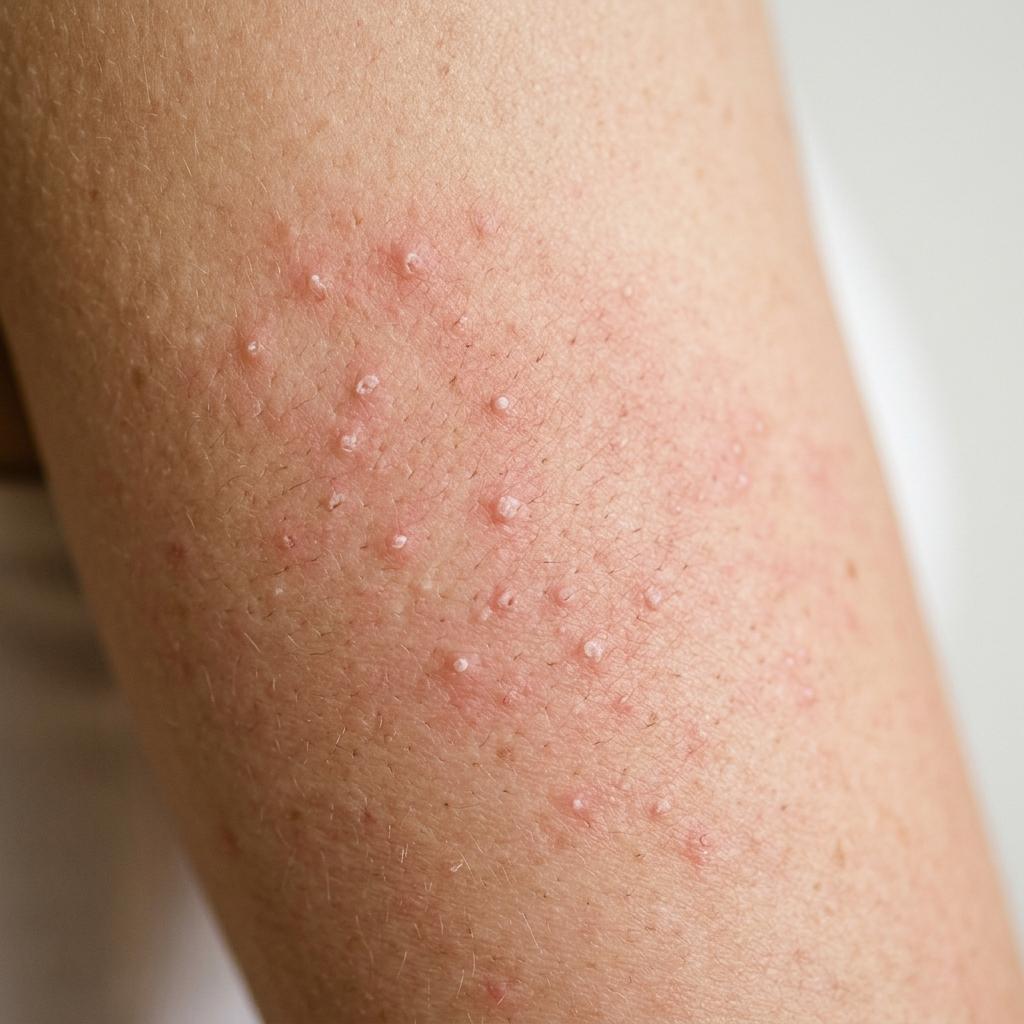
For redness that comes with keratosis pilaris — vascular laser calms the flush toward a more even tone.
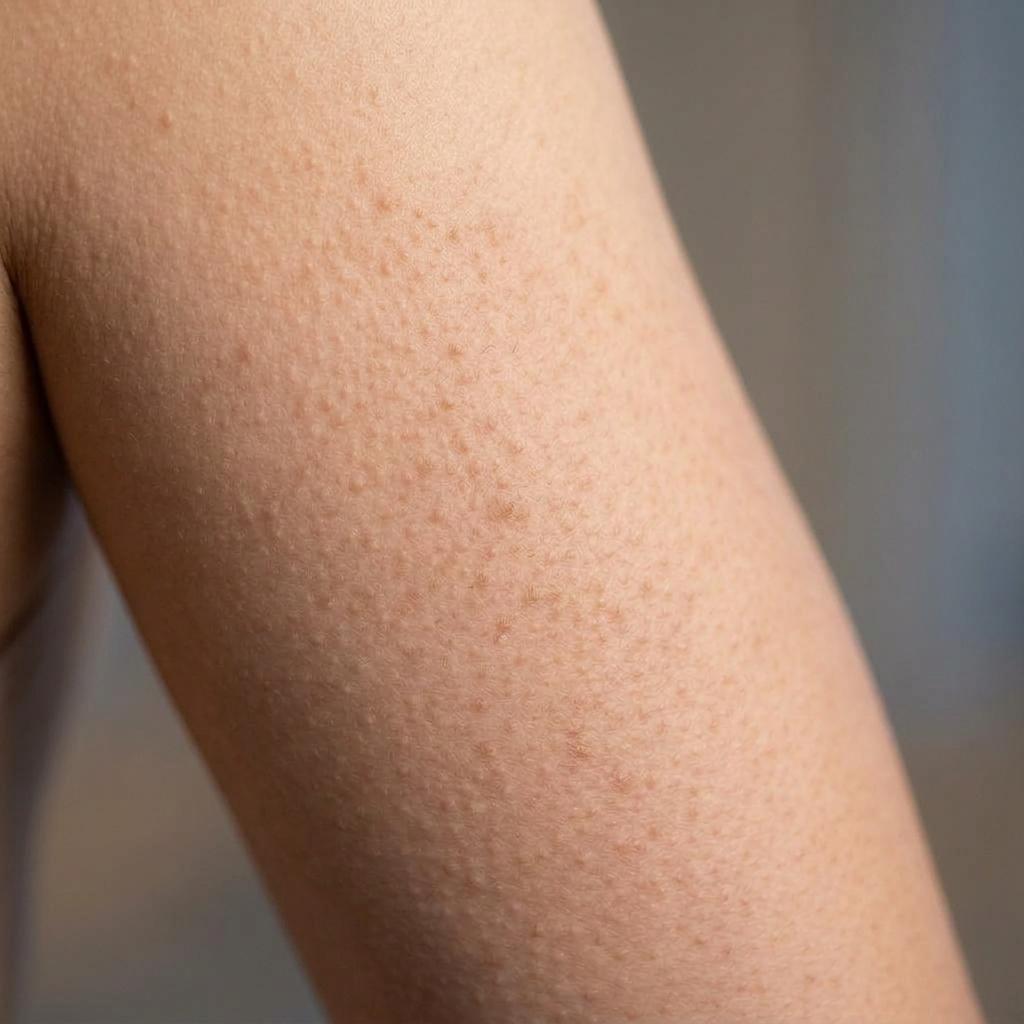
For brown pigmentation left at old keratosis sites — pigment laser evens the tone to fade the marks.
1 / 4
What changes after treatment. The degree and timing depend on your skin and the number of sessions.
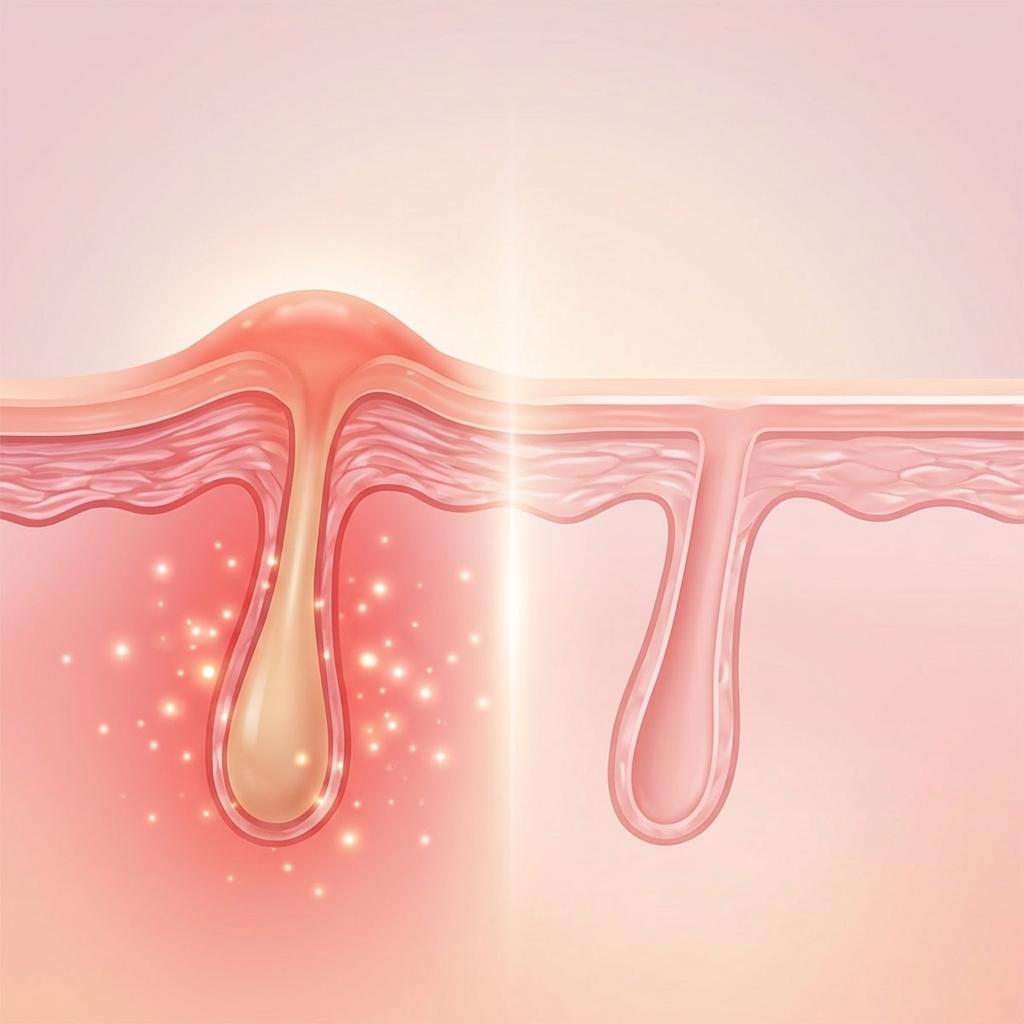
Exfoliation alone often leaves the redness behind. Scaling is combined with Vbeam redness treatment so bumps and flushing are addressed within the same session.
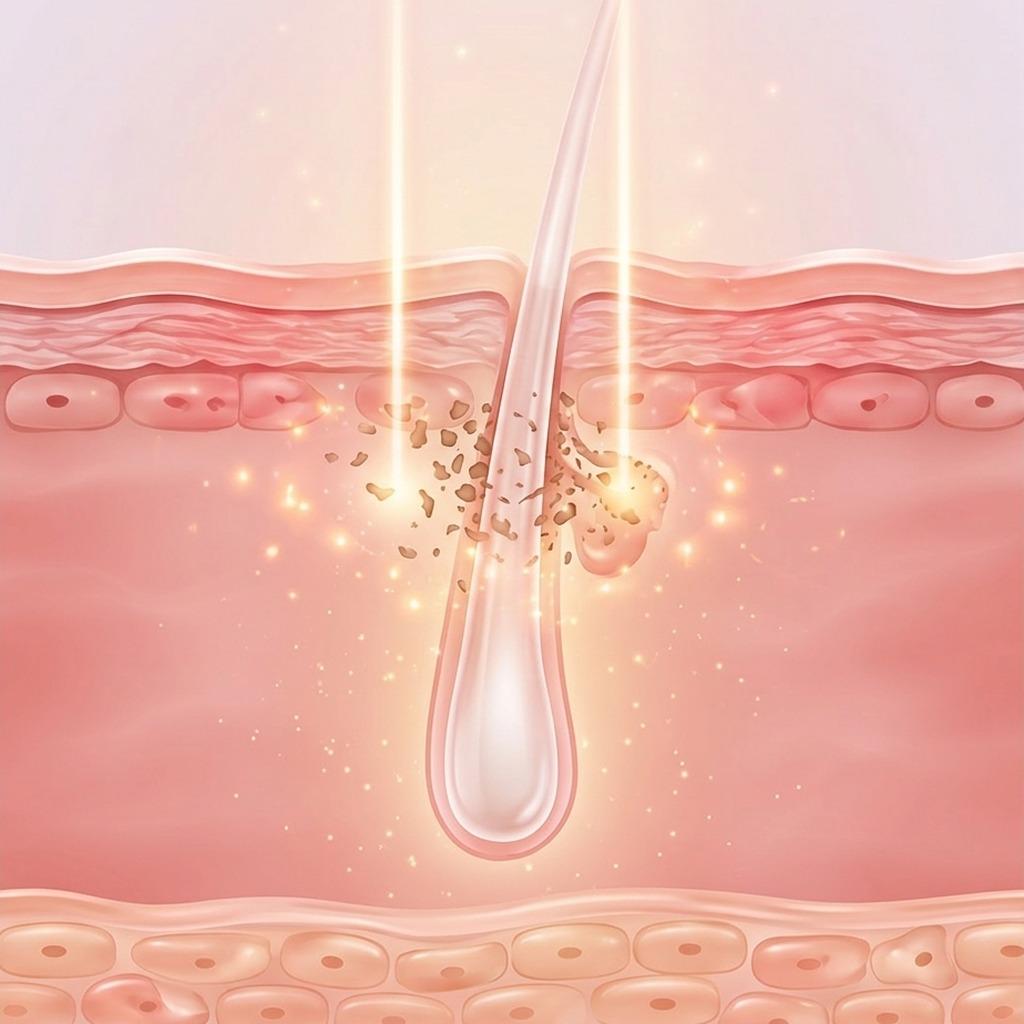
GentleMax treats the residual pigmentation along with hair and follicles at each bump, addressing the underlying stage that kept the roughness returning when only the surface was treated.
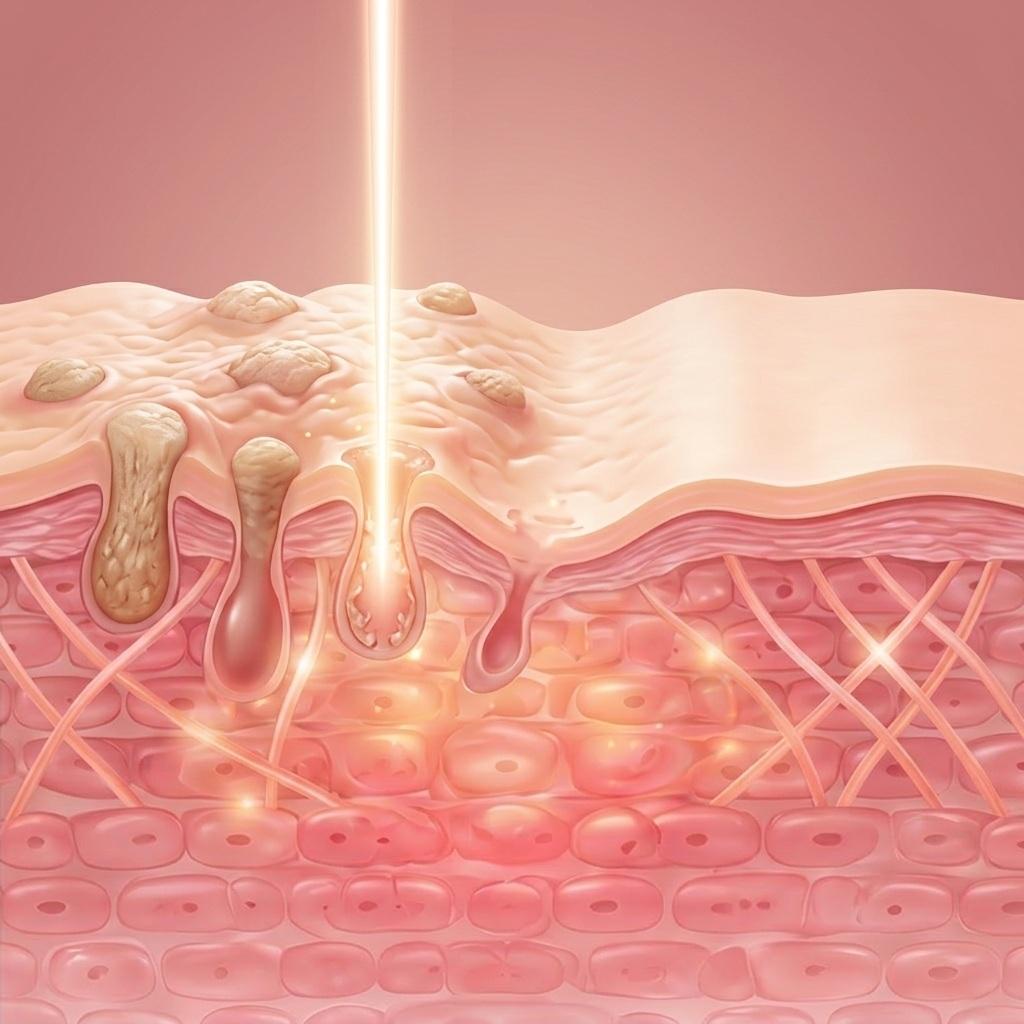
Large areas such as the full arm, thighs or back are treated in staged sessions with area-specific programs, leaving exposed skin evenly refined.
Yonsei Star's step-by-step treatment design, reaching from the skin surface to deep within the dermis.
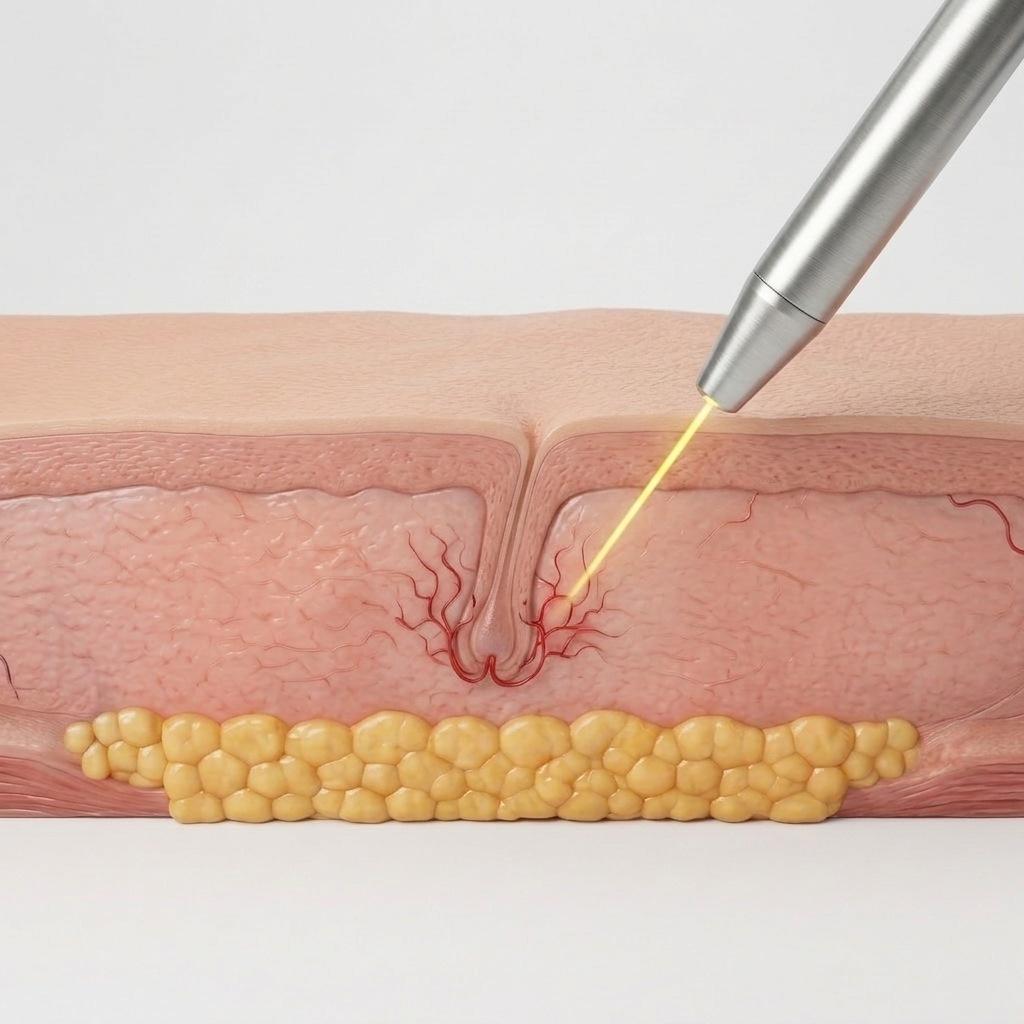
The V-Beam vascular laser, which responds to red blood vessels, improves the reddish keratosis pilaris around the follicles.
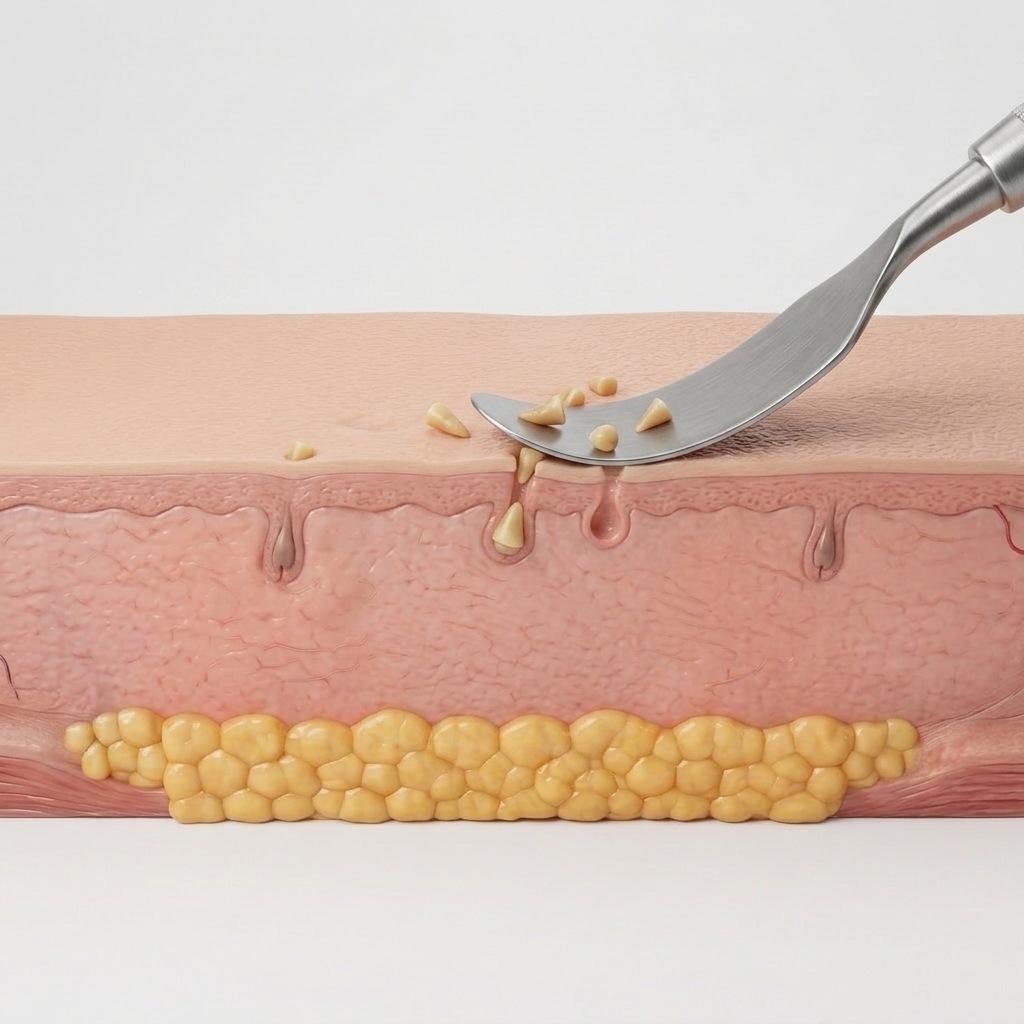
Scaling clears the keratin plugs and deeply lodged sebum blocking the follicles, removing the cause of the bumpy texture.
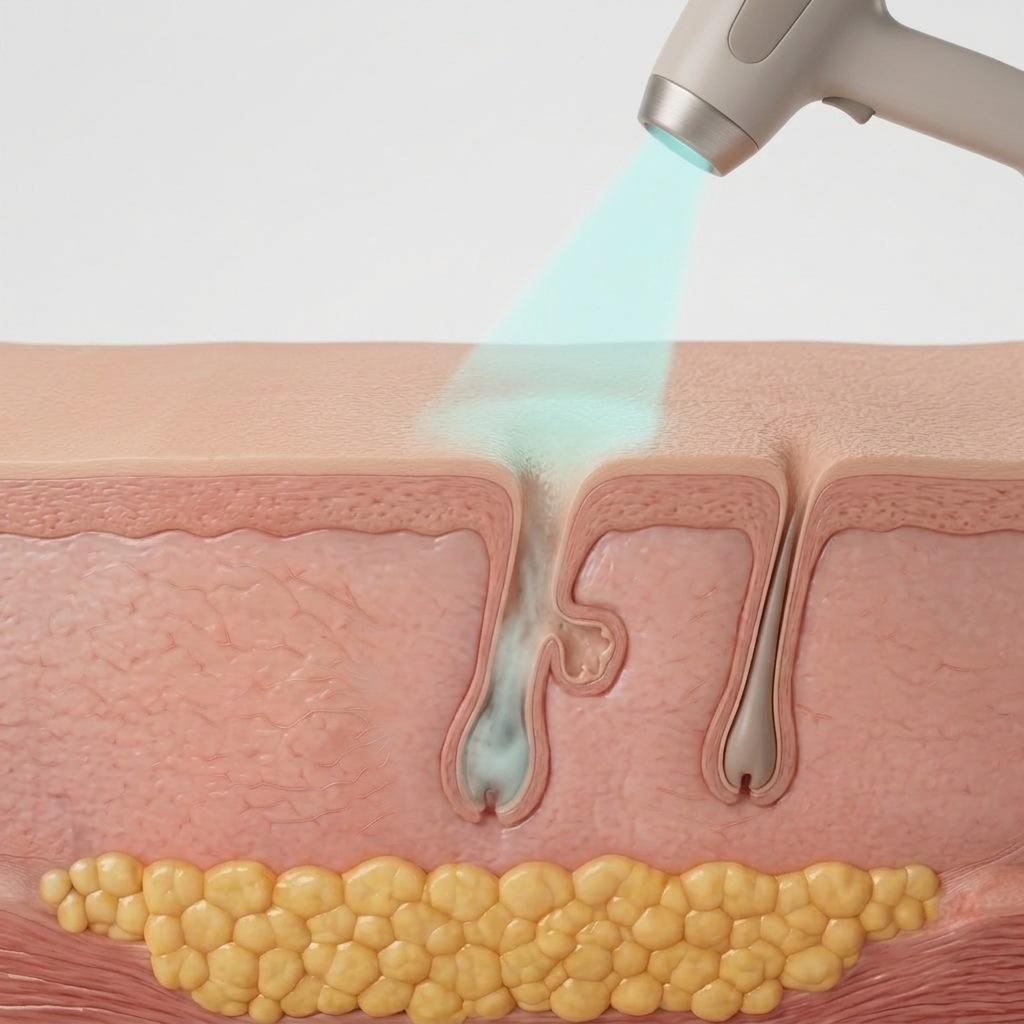
The GentleMax laser targets melanin within the follicles, addressing pigmentation while providing hair removal and follicle tightening in the same step.
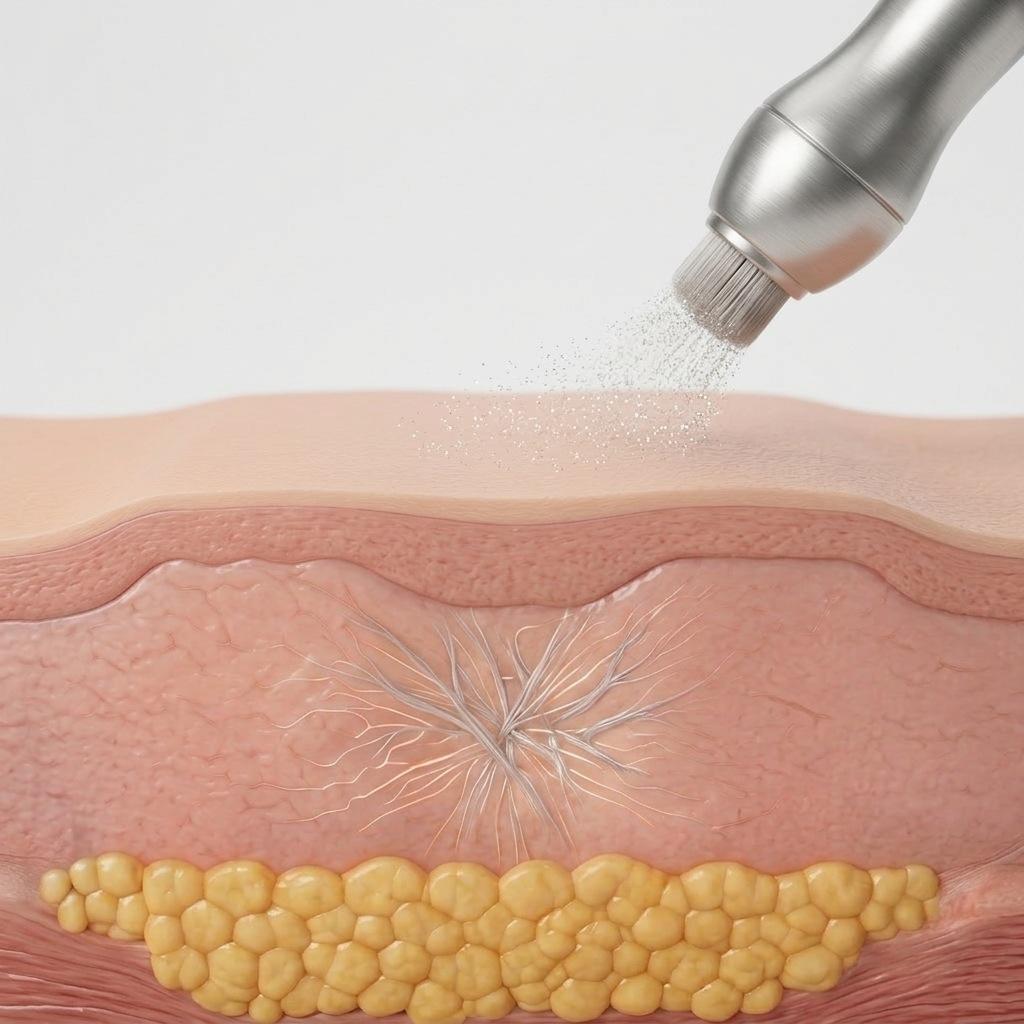
The Aladdin peel, containing fine natural microspicules, encourages skin regeneration to smooth out the roughened texture.
1 / 4
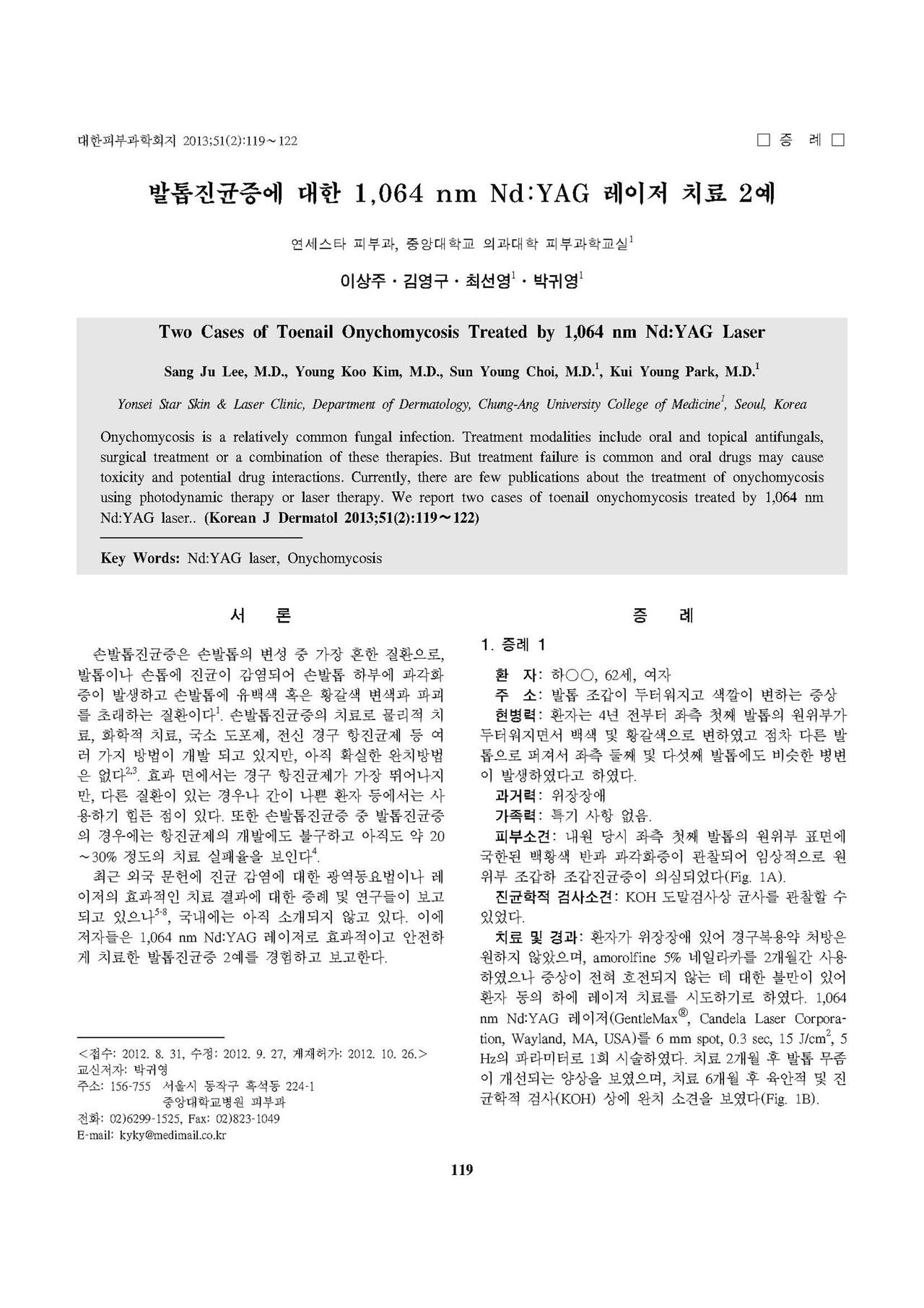
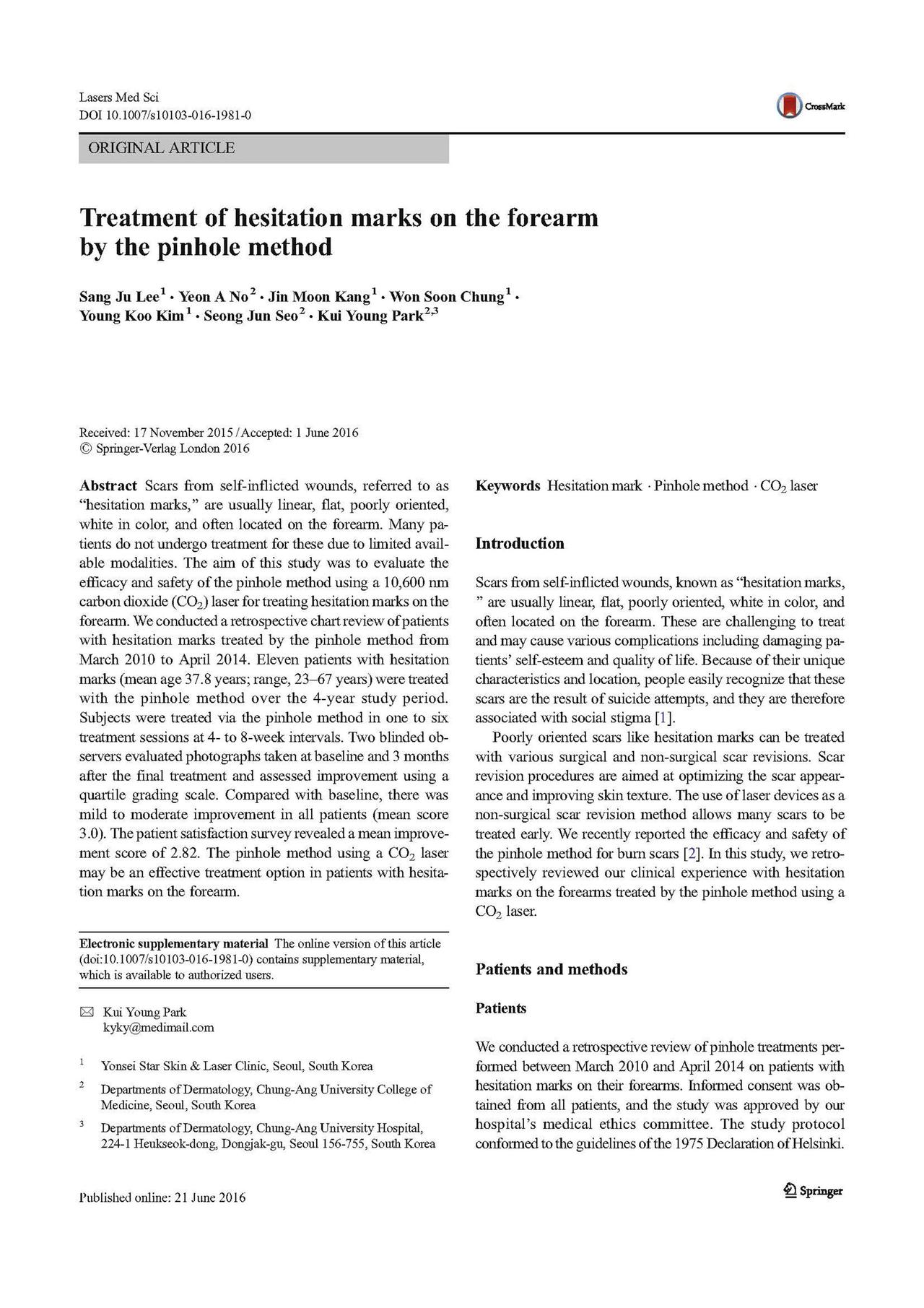
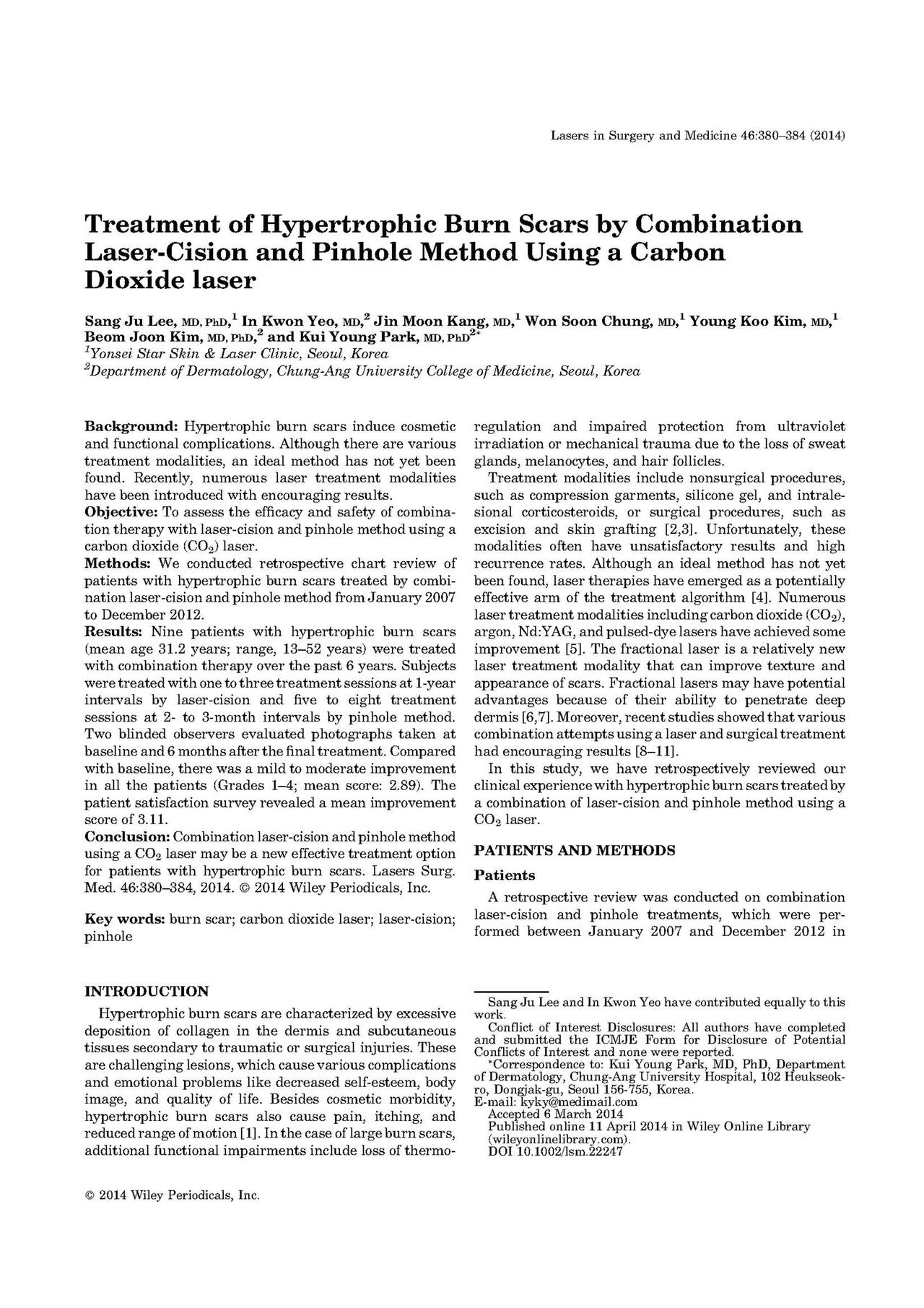
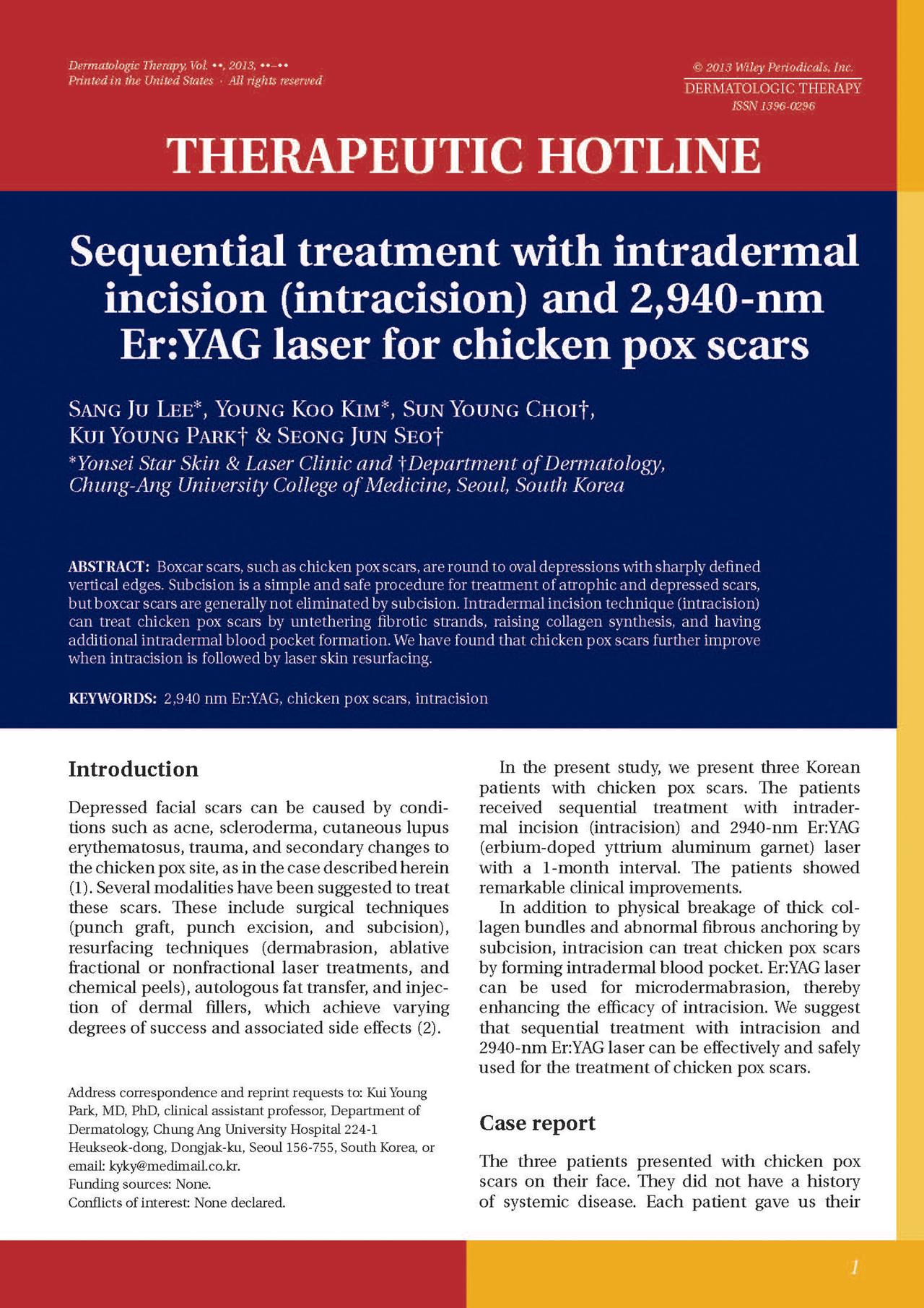
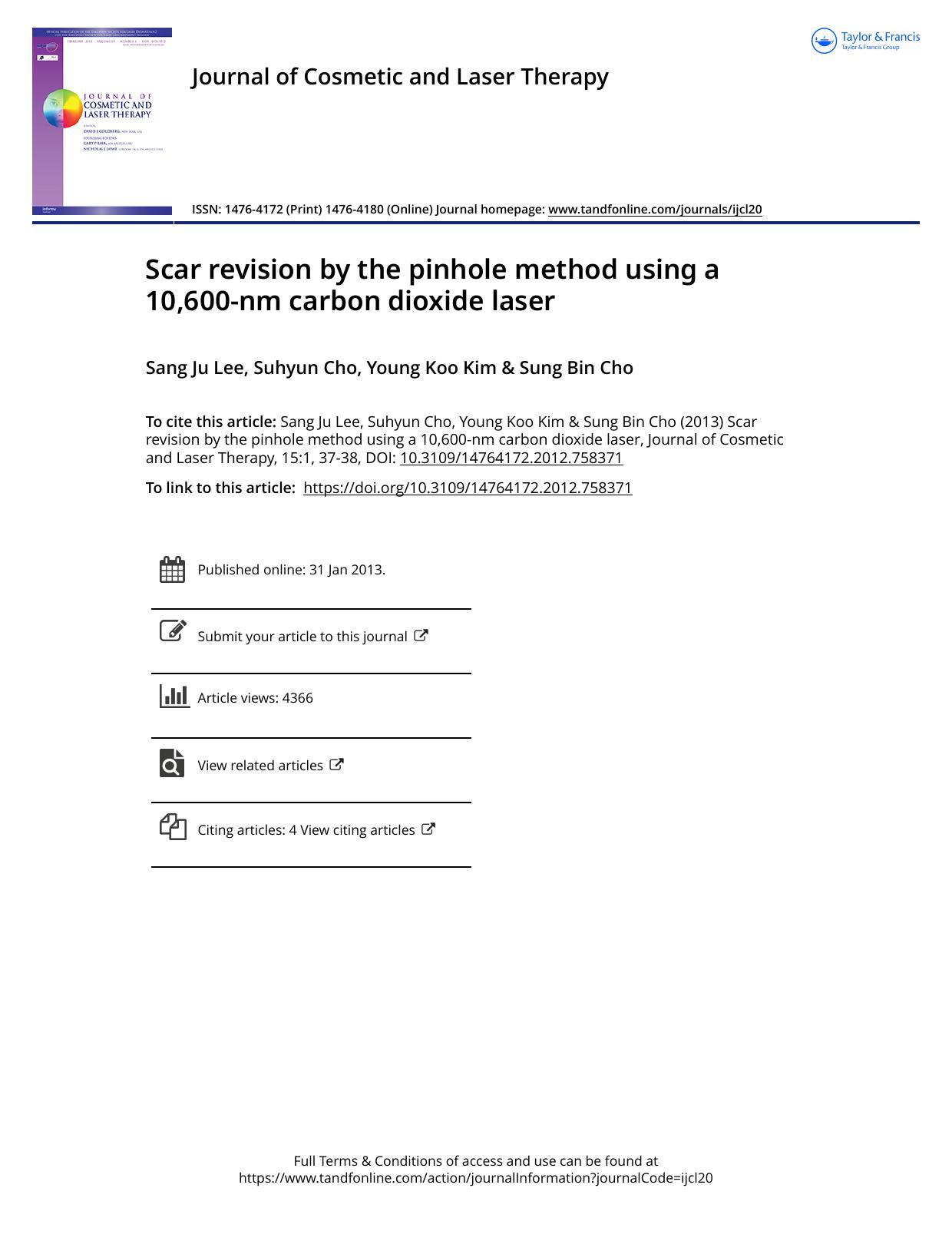
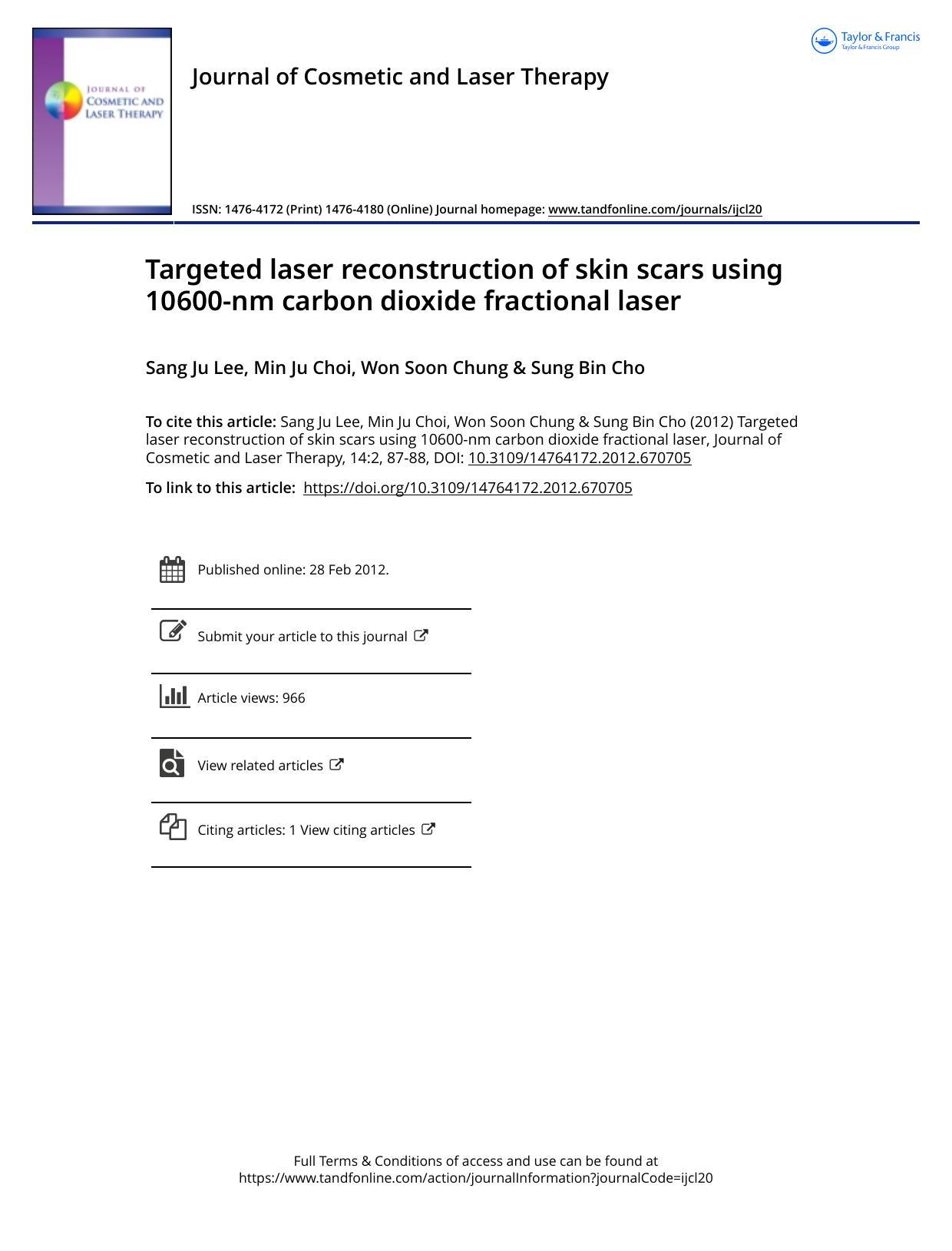
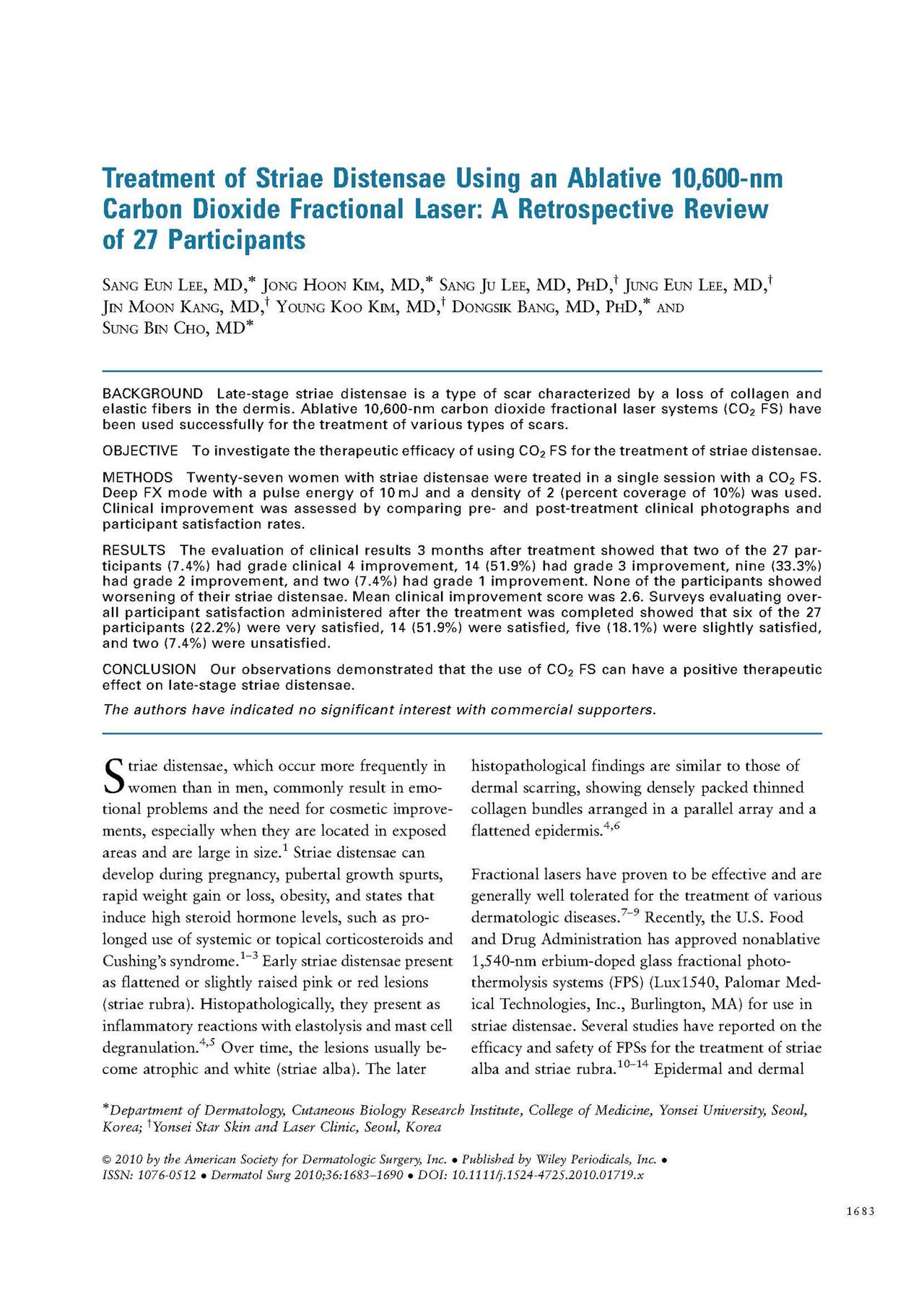
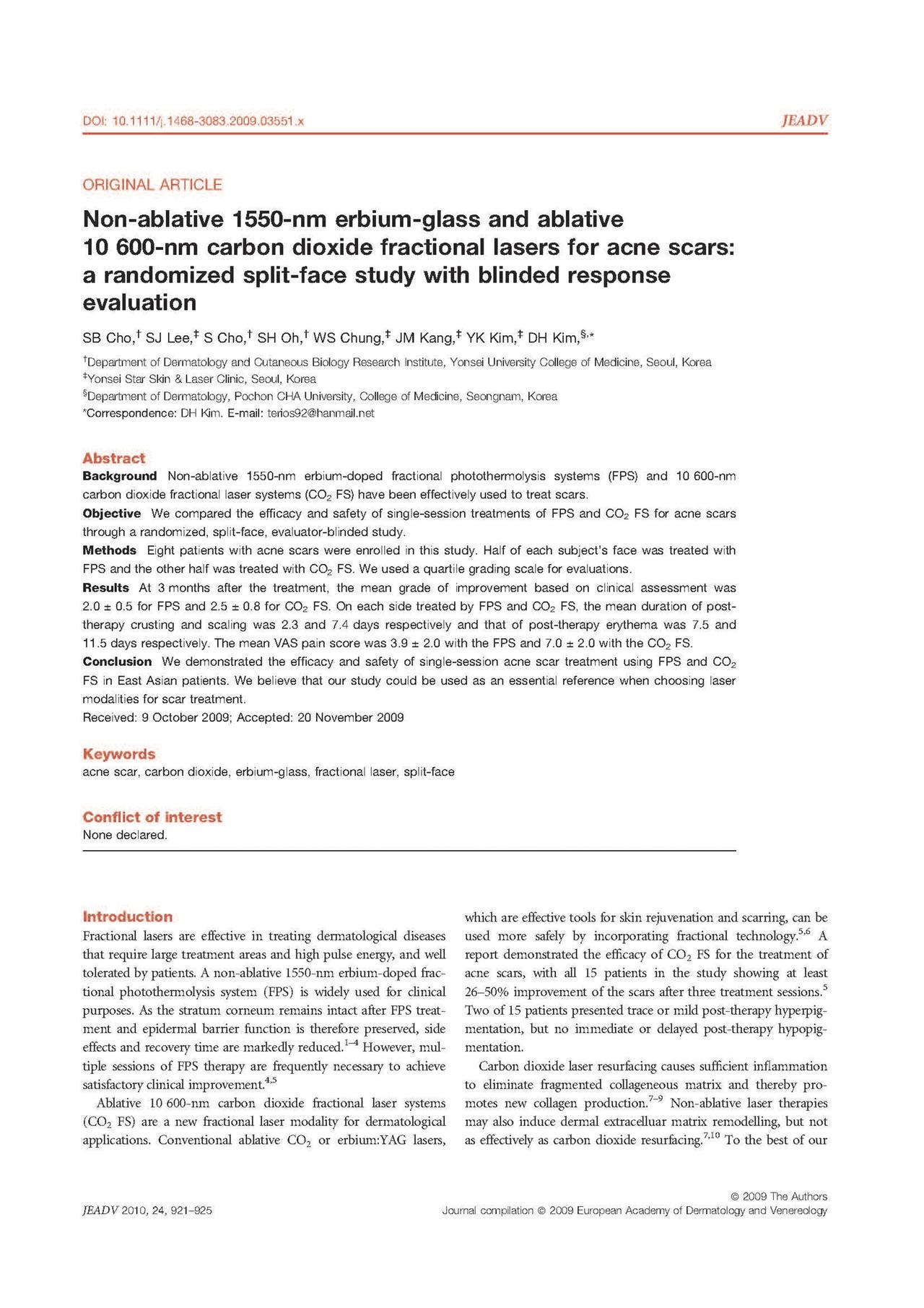
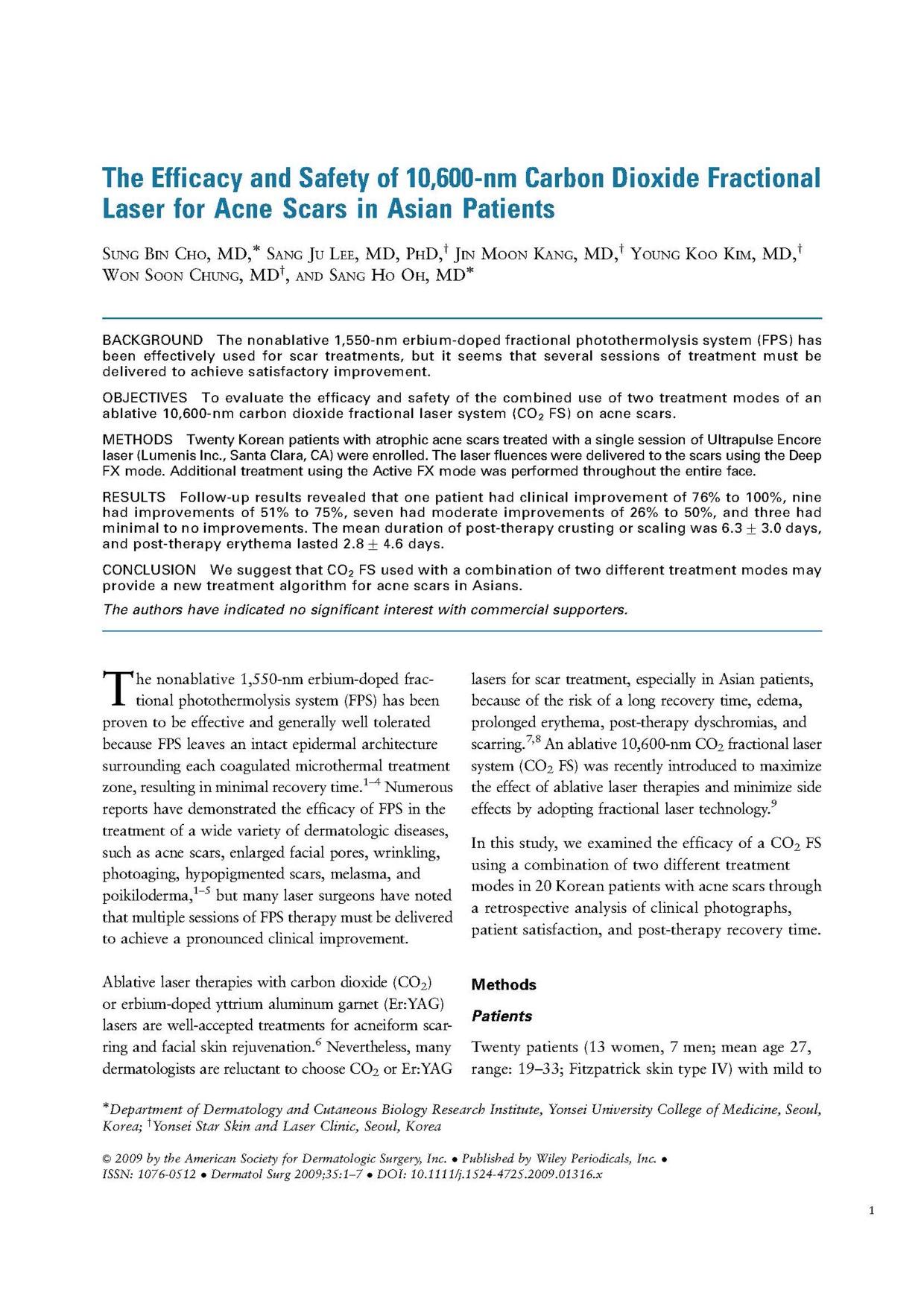
Research our doctors have presented and published

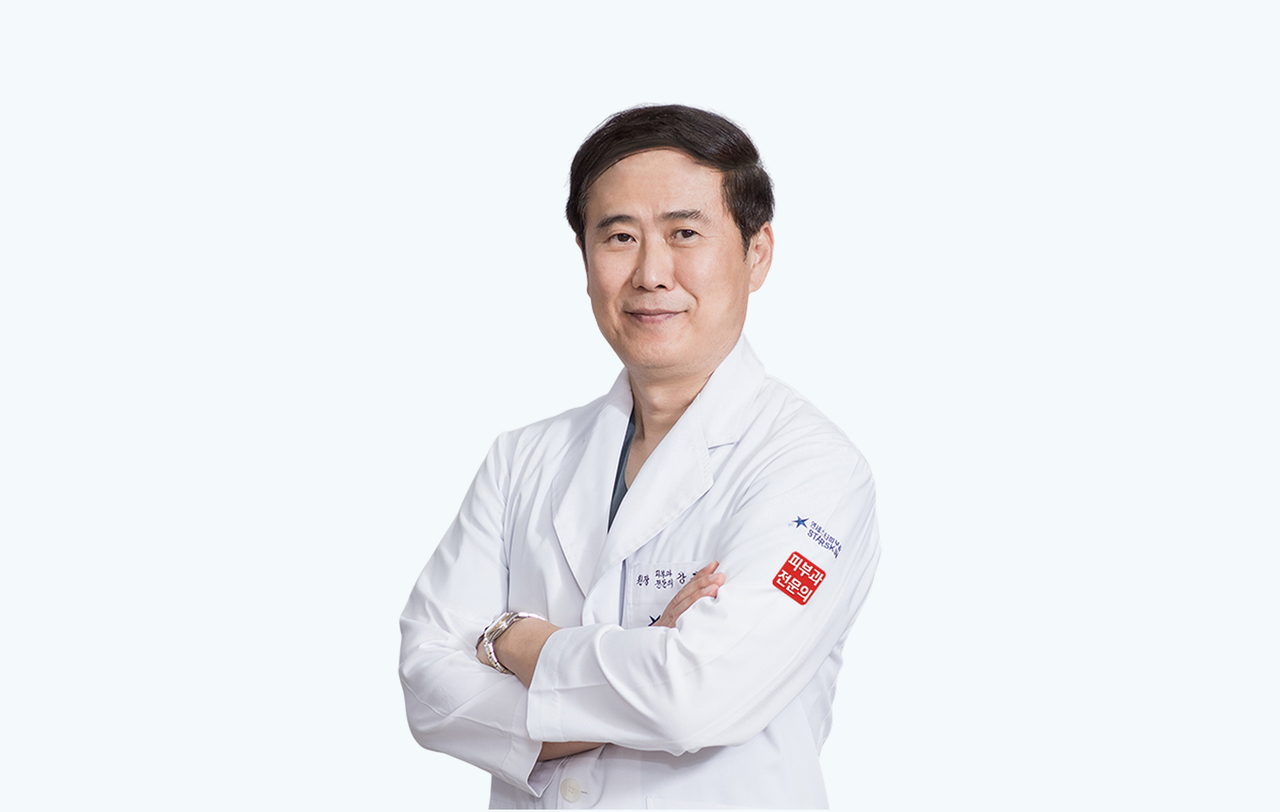
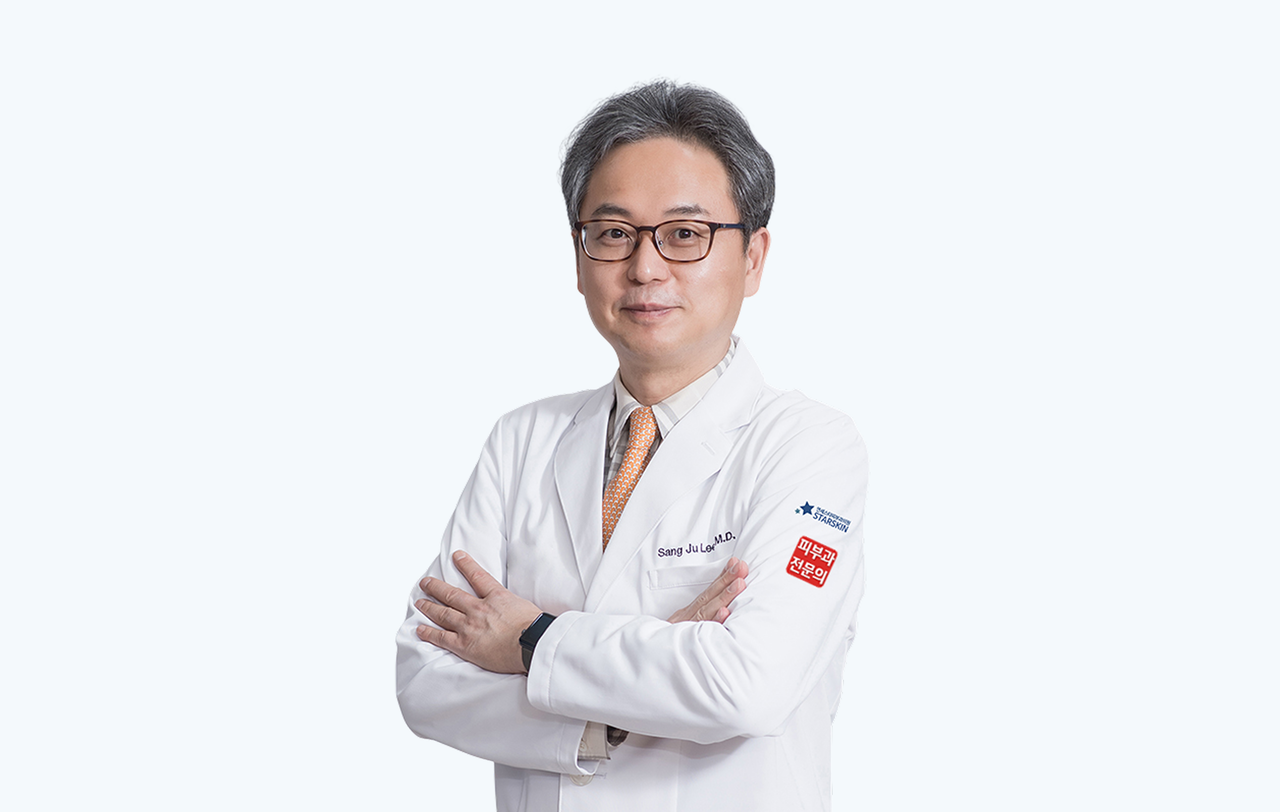
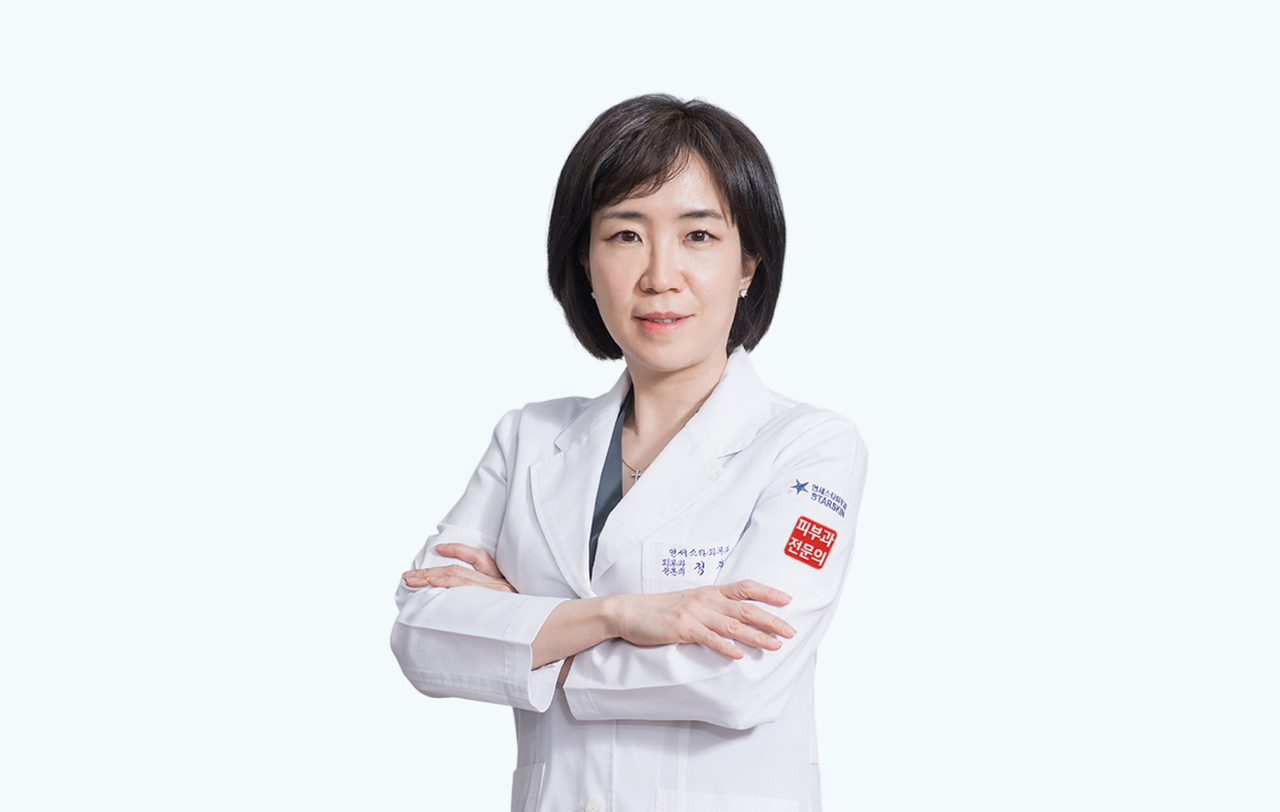
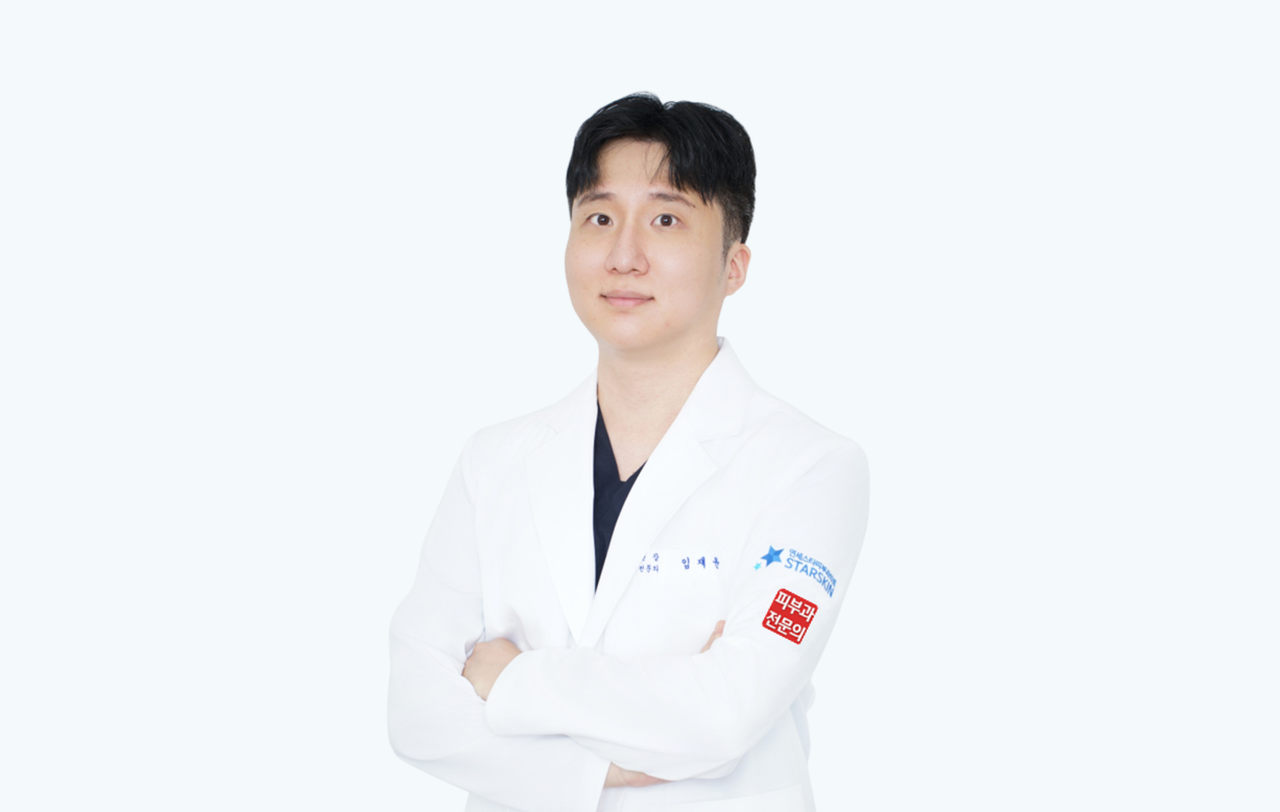
Physicians performing this treatment. High-difficulty (e.g., scar) handled by Co-Directors.
For 25 years we have treated scars around the pinhole method. Five board-certified dermatologists, 14 journal papers, 8 textbooks and 50 academic activities stand behind our care.
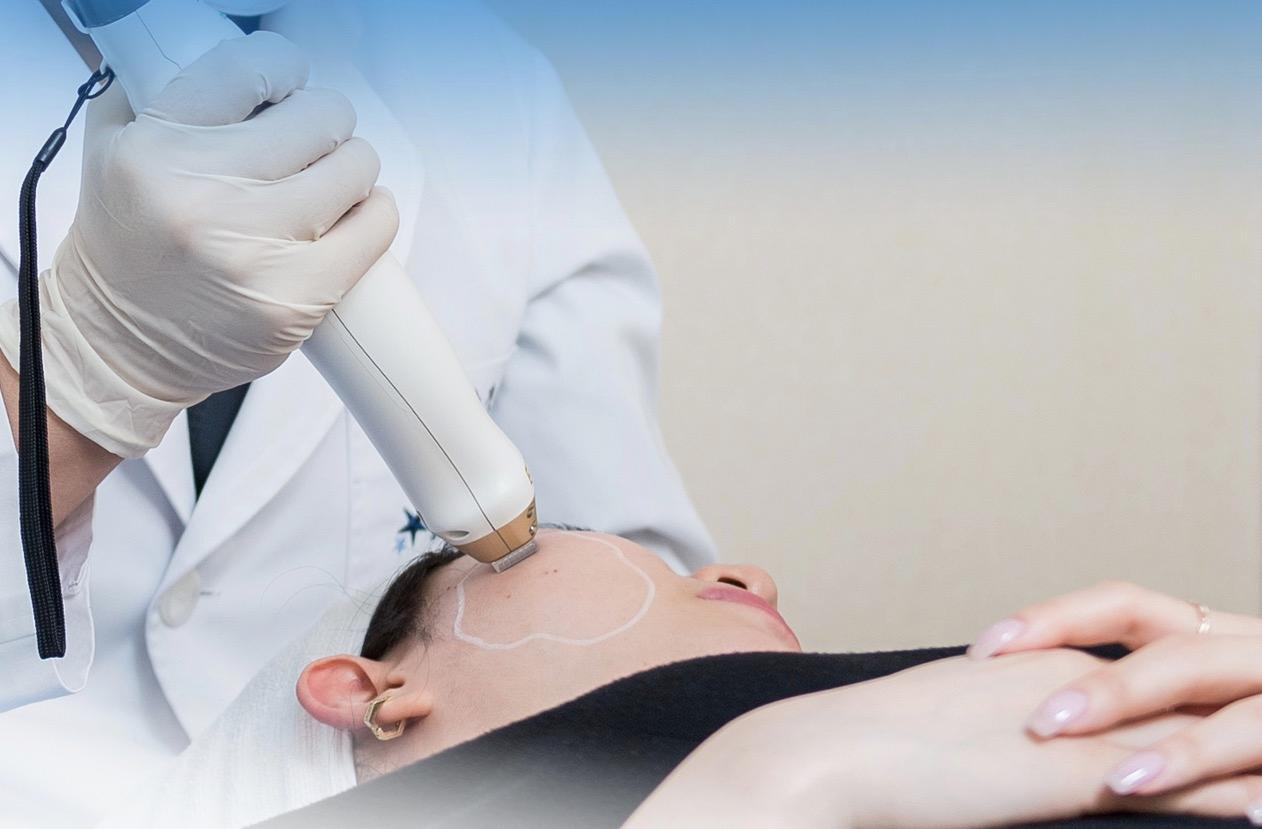
We systematically diagnose and treat diverse scar types — burn, acne, keloid, and surgical scars — drawing on decades of clinical experience.
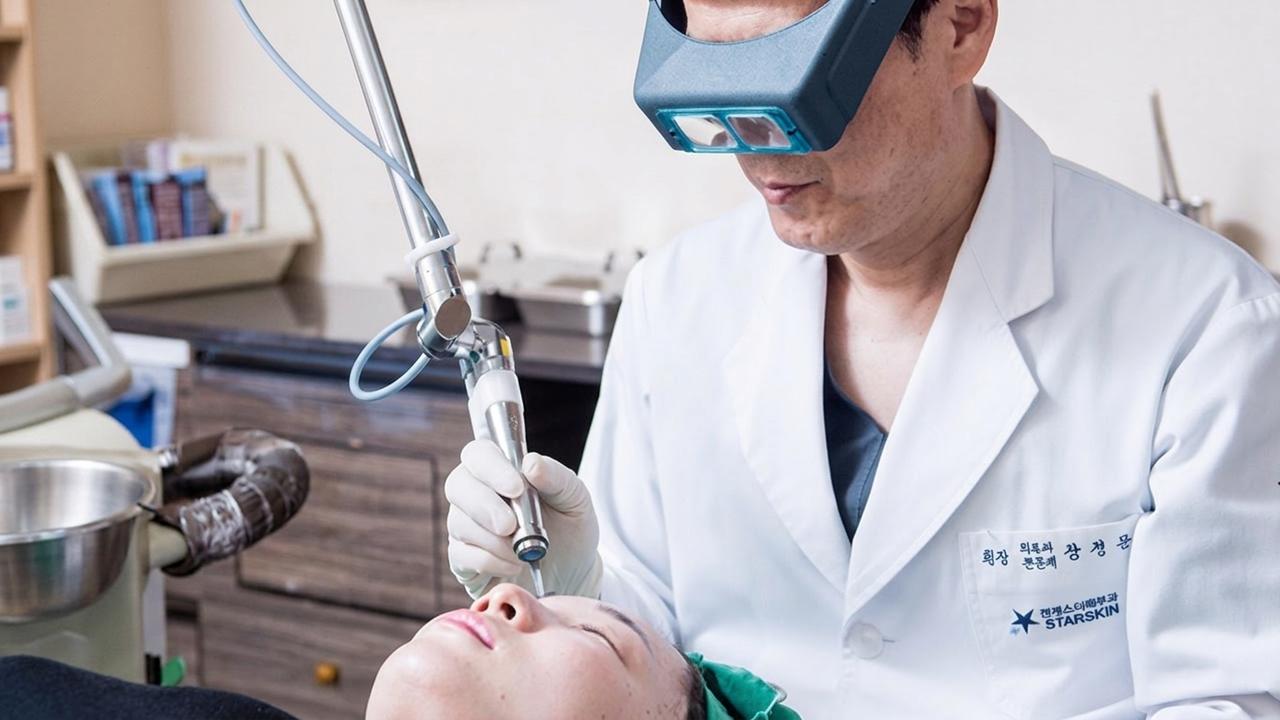
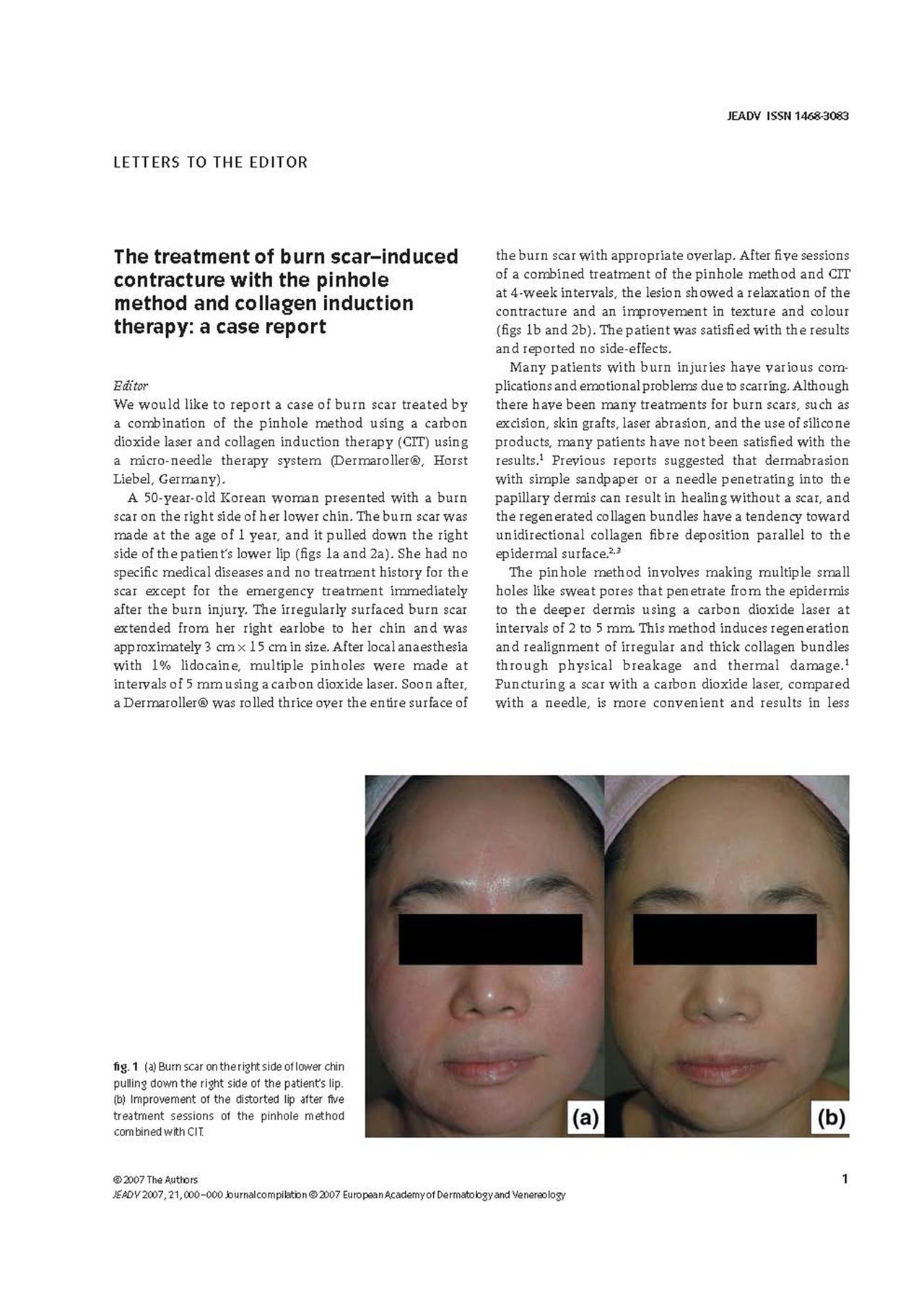
In-house 'pinhole technique' combining CO2 laser with collagen-induction drugs. Highly effective for deep burn and surgical scars; presented at multiple international societies.
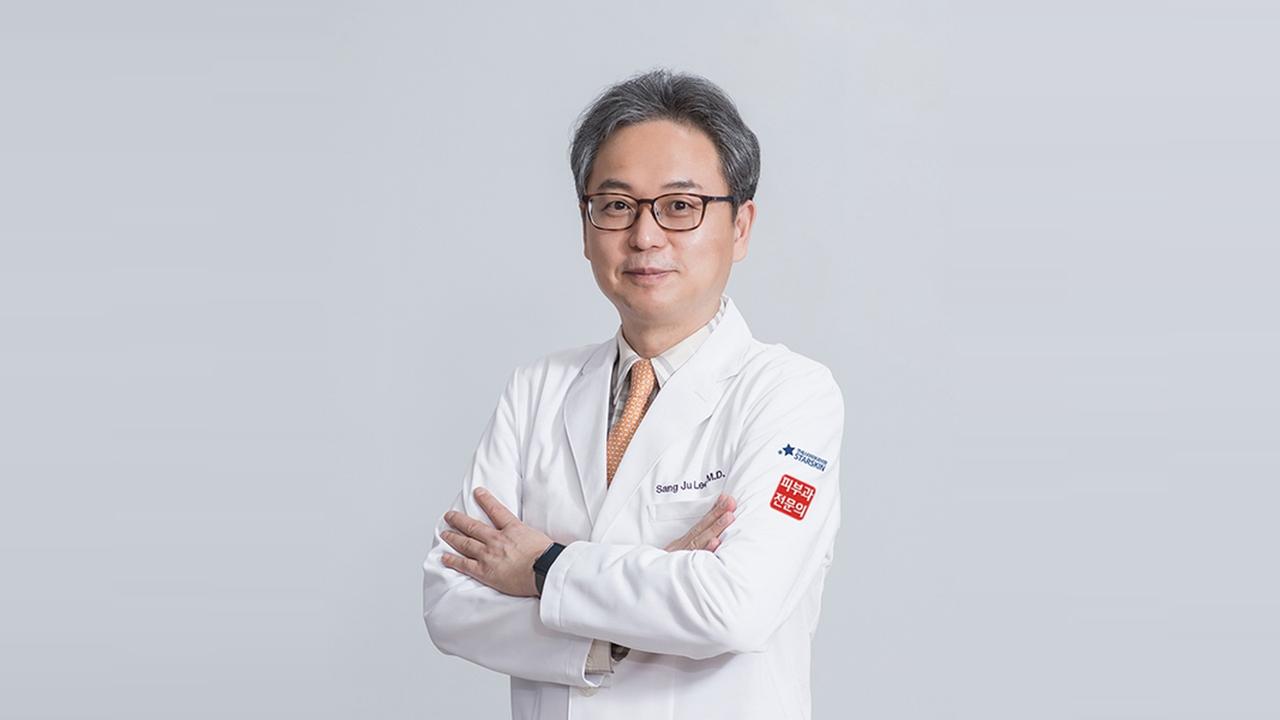
Co-Director Dr. Lee Sang-Joo currently serves as President of the Korean Dermatological Association, continuing academically grounded care that reflects the latest society-level insights and guidelines in practice.
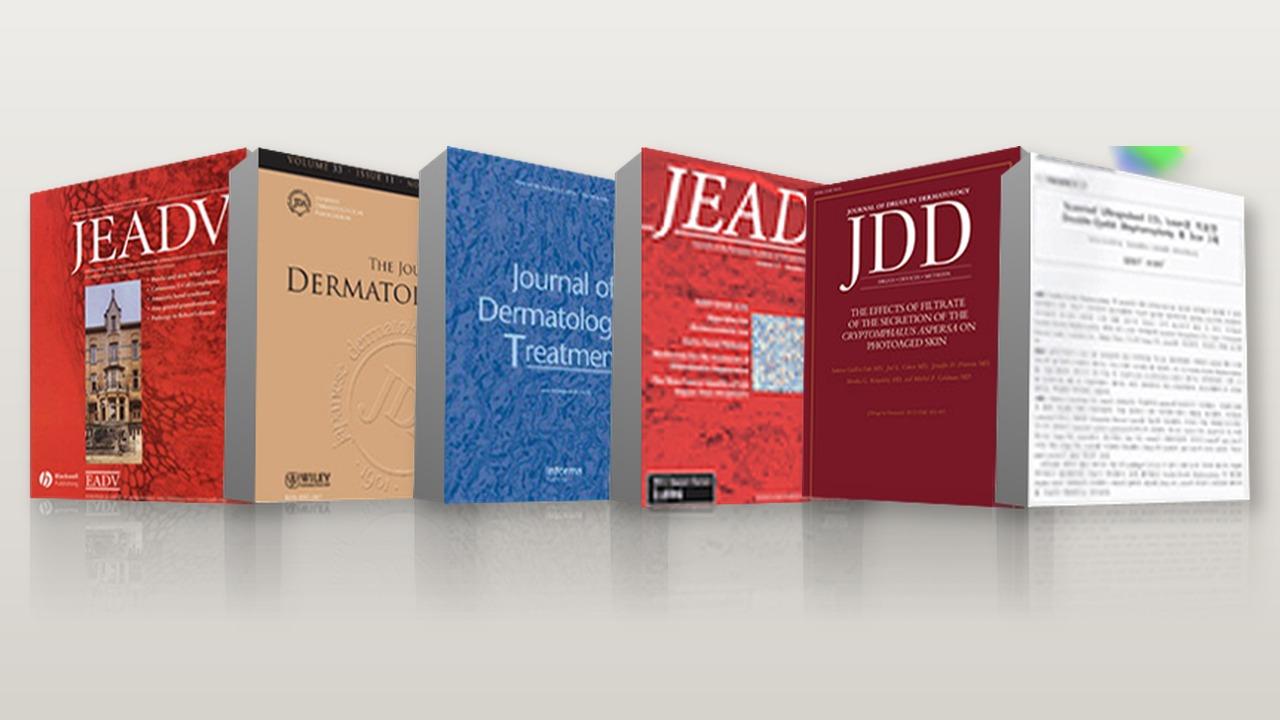
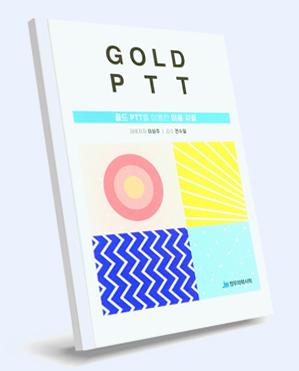
Authored multiple textbooks — Acne Bible, Medical Skincare, Pigmentary System, Skin Barrier, Gold PTT Aesthetic Treatment, Medical Nail Care, Medical Body Care — standardizing clinical know-how.
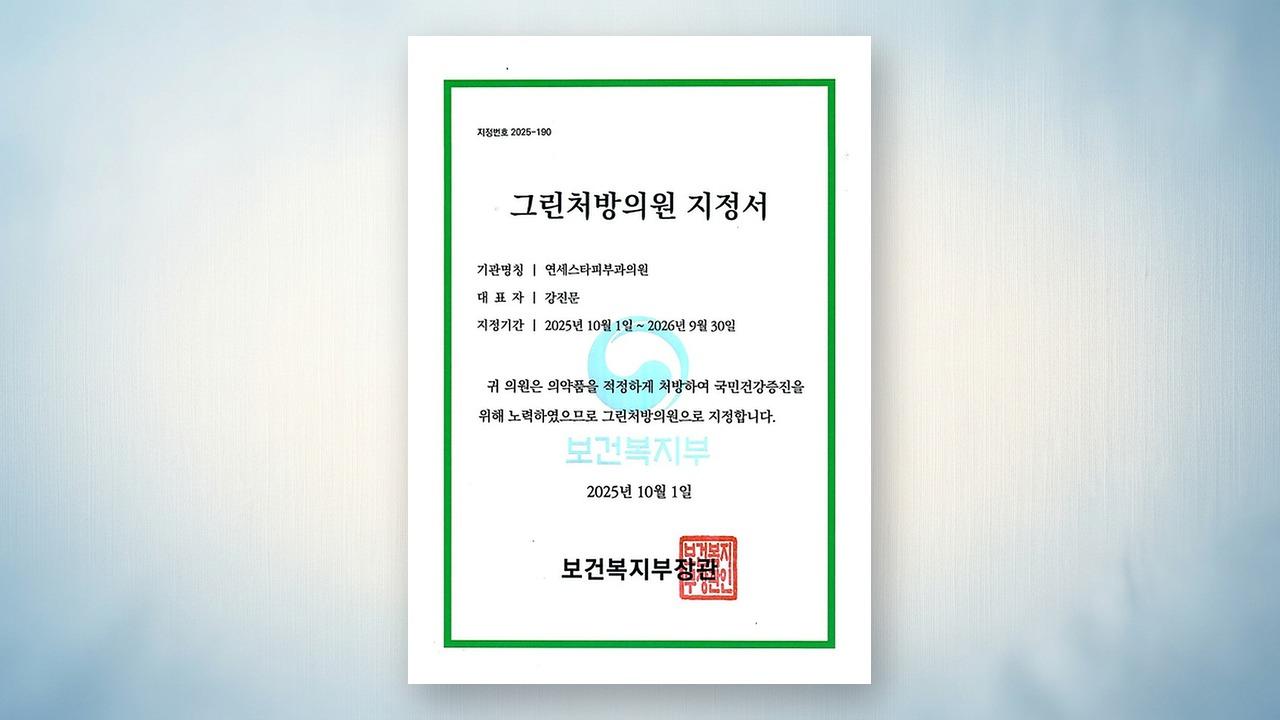
Certified as a Green Prescription Clinic by Korea's Ministry of Health and HIRA after rigorous review — performing only what the patient truly needs, no over-treatment.
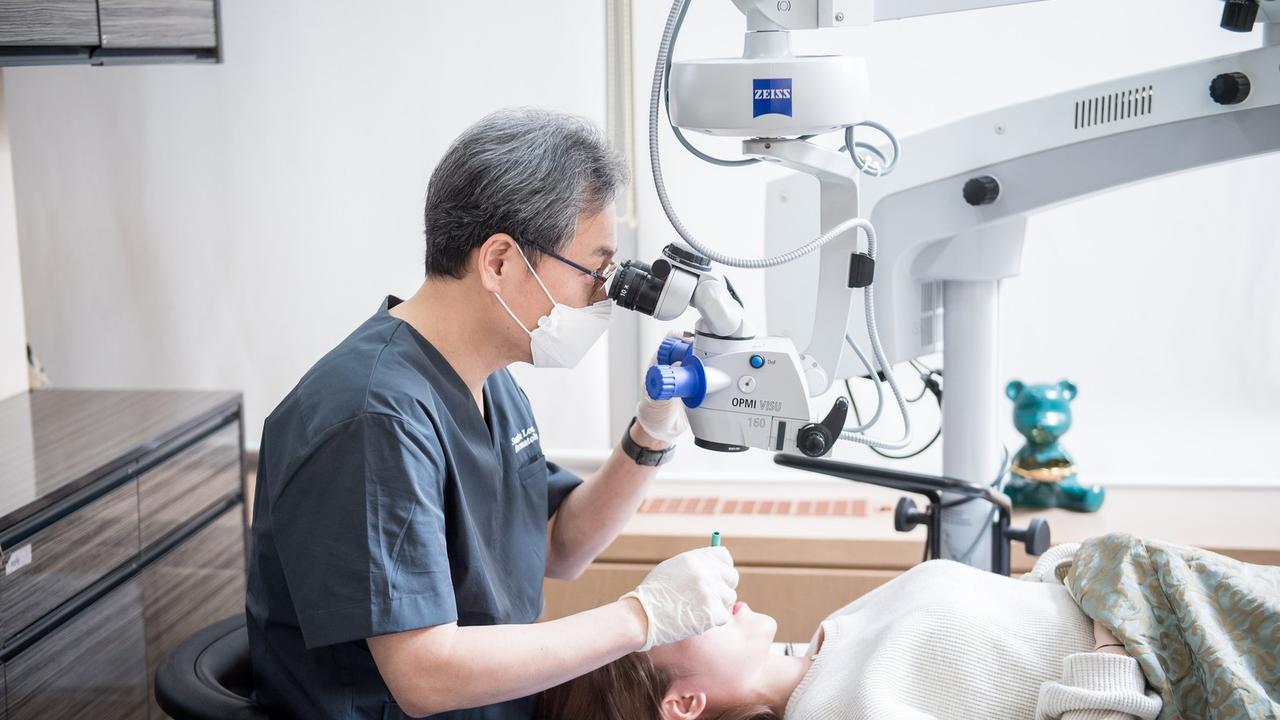
Drawing on rich experience treating scars of many types and conditions, we build a treatment plan tailored to each patient's skin.
1 / 13
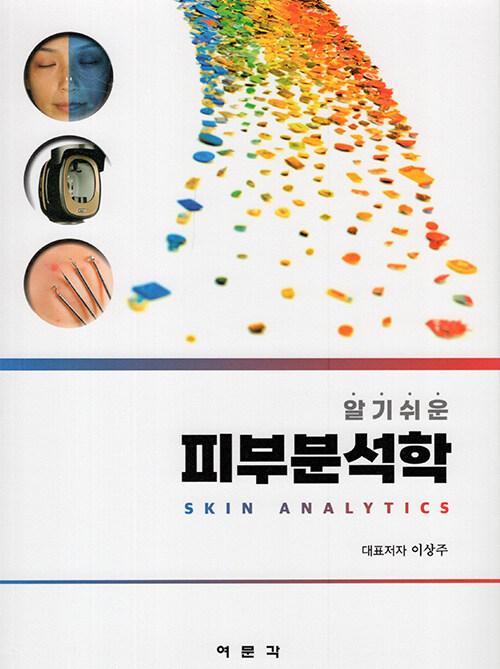
Yeomungak · 2023
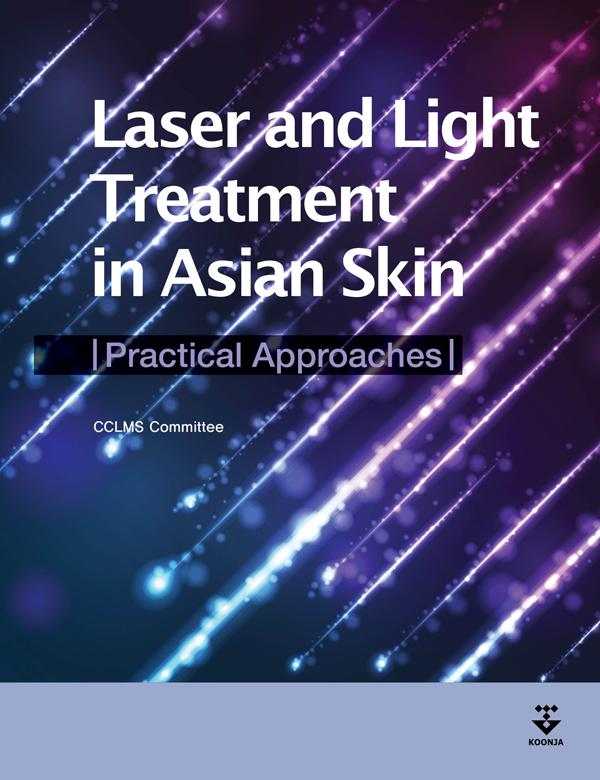
Goonja Publishing House · 2018
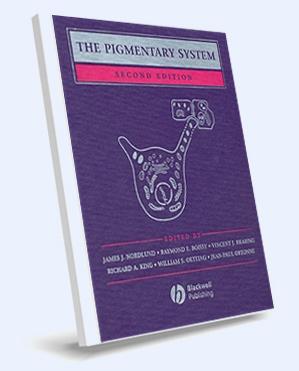
Blackwell · 2006
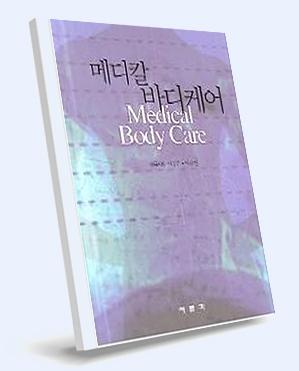
Yeomungak · 2006
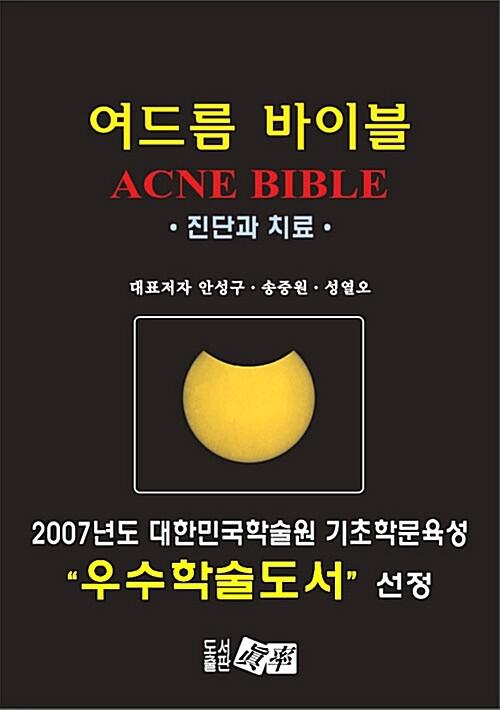
Jinsol · 2006
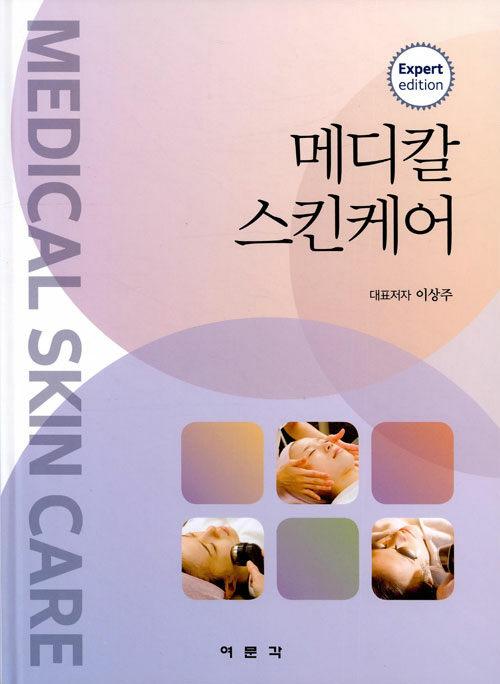
Yeomungak · 2019
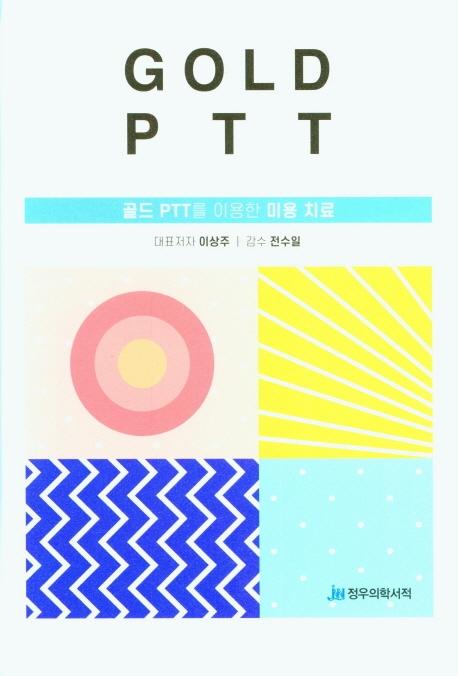
Jeongwoo Medical Books · 2019
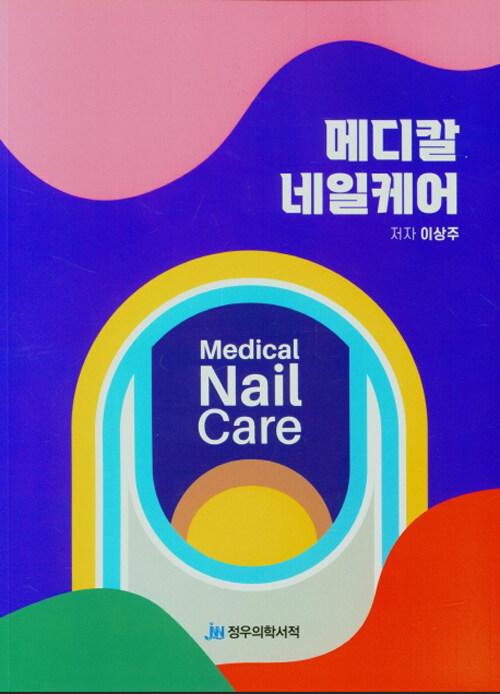
Jungwoo Medical Books · 2021