
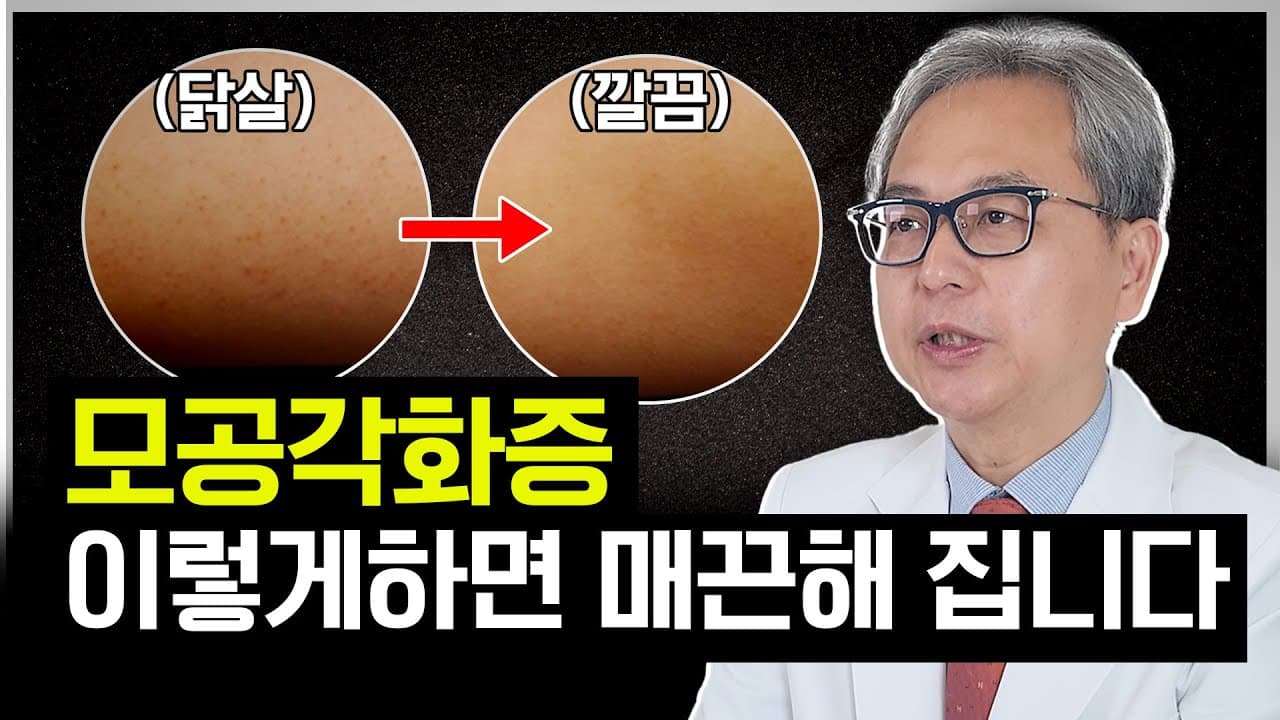
Have you ever felt rough, bumpy skin on your arms or thighs? This is often due to keratosis pilaris, commonly known as 'chicken skin'. This is not just a cosmetic issue; it can make you self-conscious and even hesitant to wear short-sleeved clothing in summer. Today, we will address six common questions about keratosis pilaris that many people are curious about.
Why does keratosis pilaris occur?
The exact cause of keratosis pilaris is not yet clear, but genetic factors are known to play a role. It occurs when keratinocytes do not shed normally and accumulate in the hair follicles, blocking them. The symptoms tend to worsen when the skin is dry.
Our research indicates that not only keratin within the pores but also vellus hair exacerbates keratosis pilaris, and red inflammation around the keratosis pilaris also intensifies the symptoms. Therefore, controlling these various factors is important for enhancing treatment effectiveness and preventing recurrence.
Can keratosis pilaris be completely cured?
Currently, there is no method to permanently remove keratosis pilaris. However, there are ways to reduce the severity of symptoms and maintain the effects for a long time through appropriate management and treatment.
What is the most effective treatment?
Currently, the most effective method for keratosis pilaris is laser treatment. By controlling each of the causes of keratosis pilaris mentioned earlier, the treatment effects can last longer, and the cosmetic improvement is excellent.
Does scrubbing help?
Scrubbing removes the stratum corneum of the skin, which can temporarily help alleviate keratin in the pores. However, this is only a temporary effect, and if the skin is damaged, keratosis pilaris may worsen secondarily.
Instead of scrubbing, it is more effective to use medications or cosmetics that help with keratosis pilaris.
Should I squeeze keratosis pilaris?
If you try to squeeze keratosis pilaris, you will find that the keratin does not come out easily. Attempting to forcefully squeeze it can lead to the following problems, so it is best not to squeeze at all:
- Inflammation in the affected area
- Worsening of keratosis pilaris due to inflammation
- Increased risk of pigmentation and scarring
Is retinoid ointment effective?
Yes, that's correct. Retinoid ointment is widely used in dermatology and is effective in promoting stratum corneum turnover and alleviating keratosis pilaris. However, using retinoids excessively, even if they are beneficial, can cause secondary irritation, so we recommend consulting with a specialist for appropriate use.
How should I manage keratosis pilaris?
Keratosis pilaris is a condition that can be sufficiently improved with consistent management and lifestyle changes rather than complete elimination. Do not worry alone; consulting with a specialist about treatment methods suitable for your skin condition can lead to effective management and treatment.