
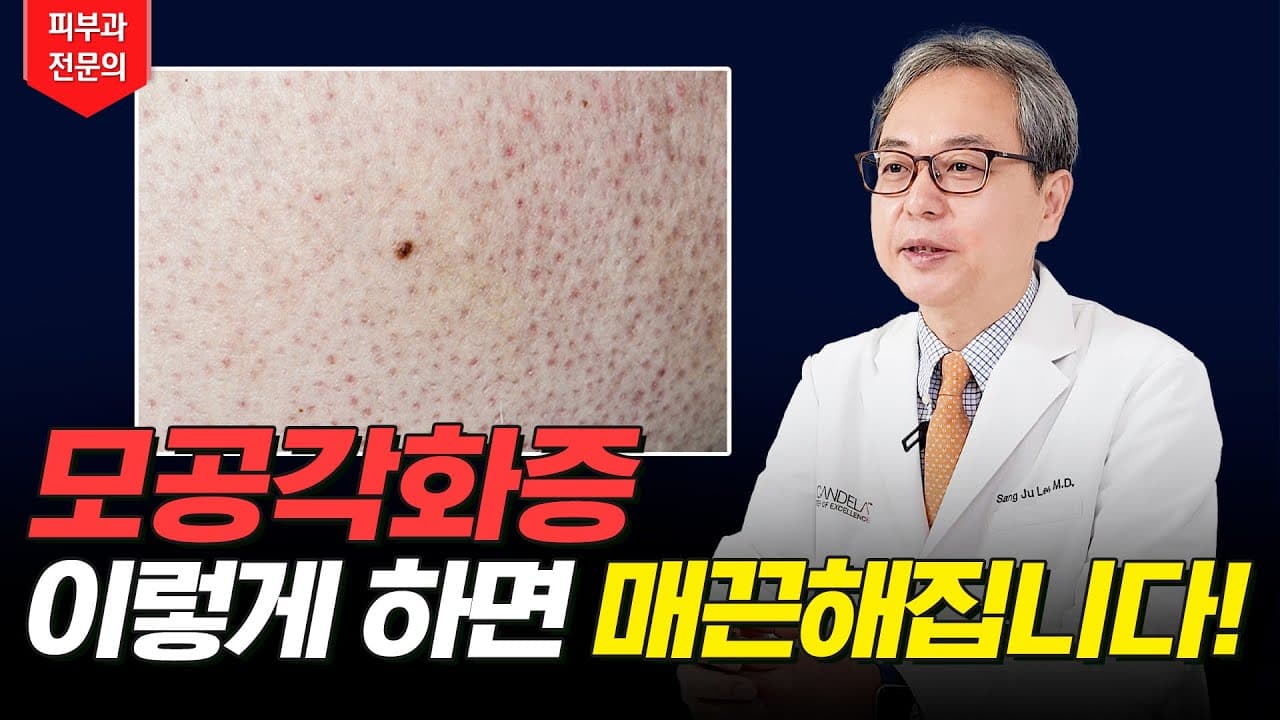
With the warmer seasons approaching and more skin exposure, many people may be concerned about keratosis pilaris. This skin condition, which appears as small, chicken-skin-like bumps, is caused by keratin plugs accumulating in the hair follicles. Today, we will delve into the causes of keratosis pilaris, effective treatment methods, and at-home care tips.
What exactly is keratosis pilaris?
Keratosis pilaris is a skin condition that primarily appears as small, chicken-skin-like bumps along the hair follicles on areas such as the arms and legs. The most significant characteristic of this condition is the accumulation of keratin plugs within the hair follicles.
Why does keratosis pilaris occur?
The exact cause of keratosis pilaris has not yet been clearly identified. However, many scholars hypothesize it to be a hereditary skin condition. It is known that if one parent has keratosis pilaris, there is a higher likelihood of their children developing it. Additionally, there is speculation that it may be related to vitamin A metabolism disorders, as vitamin A derivative medications are sometimes used in treatment and show effectiveness.
Professional treatment methods for smooth skin
Keratosis pilaris can be improved through various methods. In particular, a combination of treatments may be considered to address keratin plugs in the pores, redness, and irritating hairs.
- Keratin plug removal: Peeling procedures such as scaling or Aladdin peel can effectively remove keratin plugs from the pores.
- Redness reduction: Areas affected by keratosis pilaris often appear red. In such cases, treatments like V-beam laser may help alleviate the redness.
- Preventing aggravation due to hair: Fine hairs within the follicles can sometimes irritate the surrounding skin, worsening keratosis pilaris. In these situations, combining with hair removal laser may help shrink the hair follicles and partially prevent recurrence.
- Improving pigmentation: If dark red marks (pigmentation) have resulted from picking or squeezing, methods such as laser toning may be attempted for improvement.
Are there any precautions when using ointments?
Ointments can sometimes be helpful in treating keratosis pilaris. Retinoid ointments, for example, may be effective in softening and shedding the keratin that clogs the pores when applied to the skin. However, excessive use can cause skin irritation, so it is essential to consult with a specialist and exercise caution when using them.
Avoid these actions! Behaviors that worsen keratosis pilaris
Occasionally, people may use incorrect methods to try and eliminate keratosis pilaris. Such actions can actually worsen symptoms or cause secondary problems, so caution is advised.
Actions to avoid:
- Excessive scrubbing or exfoliation: While temporary exfoliation may seem to improve the condition, it can dry out the surrounding skin, potentially leading to more chicken skin. If attempted, always use plenty of moisturizer immediately afterward, and it is generally more effective to avoid touching the area.
- Picking or squeezing: Irritating the skin can cause redness and inflammation. This inflammation can secondarily lead to pigmentation, resulting in dark red marks, so it is best to avoid these actions.
- Excessive shaving: If you have keratosis pilaris around the jawline, excessive shaving can irritate the skin, so caution is necessary.
Managing keratosis pilaris through lifestyle habit improvements
In addition to professional treatment, consistent daily care is also important. Moisturization is a key aspect of managing keratosis pilaris.
- Adequate moisturization: Applying sufficient moisturizer to the skin can soften keratin, making chicken skin less noticeable and contributing to overall skin health.
- Maintaining indoor humidity: Keeping indoor humidity at an appropriate level can also positively impact skin hydration, potentially helping to alleviate keratosis pilaris symptoms.