
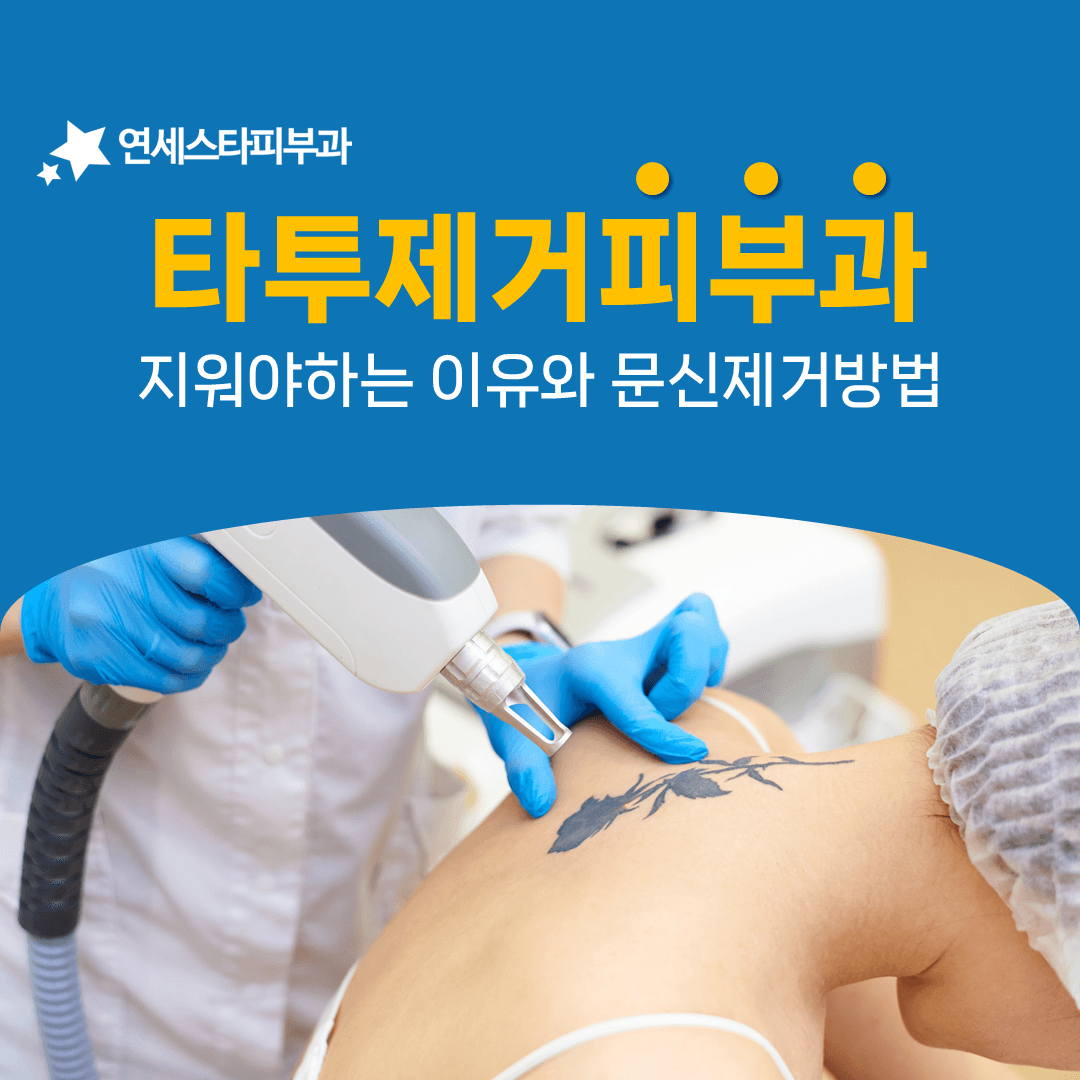
At times when other concerns, such as work, interviews, marriage, or childcare, become greater than the tattoo itself, people consider tattoo removal. However, many people are more concerned than they might think about where to get it removed.
This article explains why tattoo removal should be performed at a medical institution and what methods are used.
What Constitutes a Medical Procedure?
When thinking about removing a tattoo, some people occasionally consider general shops or non-medical institutions.
Tattoo removal is strictly a medical procedure. Removing tattoos at non-medical institutions is illegal.
Improper procedures can lead to side effects such as burns, pigmentation, or scarring.

Items Subject to Medical Standards
| Item | What a Dermatology Clinic Determines |
|---|---|
| Laser Settings | Adjusted appropriately according to skin condition |
| Anesthesia | Method selected to match the area and pain level |
| Post-Treatment Care | Management plan tailored to the recovery process |
Because all three are performed according to medical standards, the results can differ even for the same tattoo.
Commonly Used Equipment
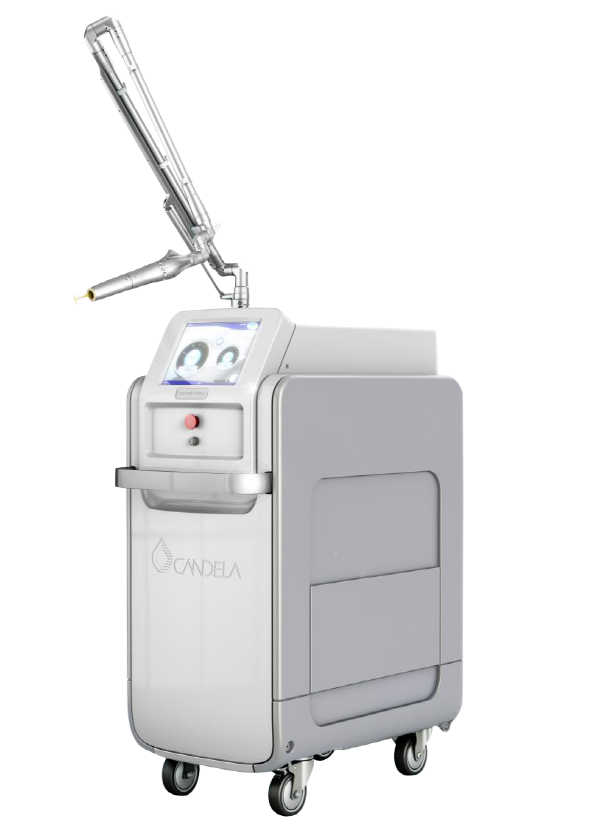
Dermatology clinics primarily use Pico laser-based equipment.
- PicoSure
- PicoPlus
- PicoWay
Appropriate equipment is selected based on the depth and color of the pigment. Equipment configurations are detailed in R-Zero Pico-Frectat Tattoo Removal, and single-wavelength methods are explained in Nd:YAG Tattoo Removal.
Principle of Pico Laser
This method involves breaking down pigment particles in the dermal layer with high power in a short time, allowing the body's immune cells to naturally process them.
It breaks down pigment more finely than the nano lasers previously used for tattoo removal. You can ask any questions via Chat Now.
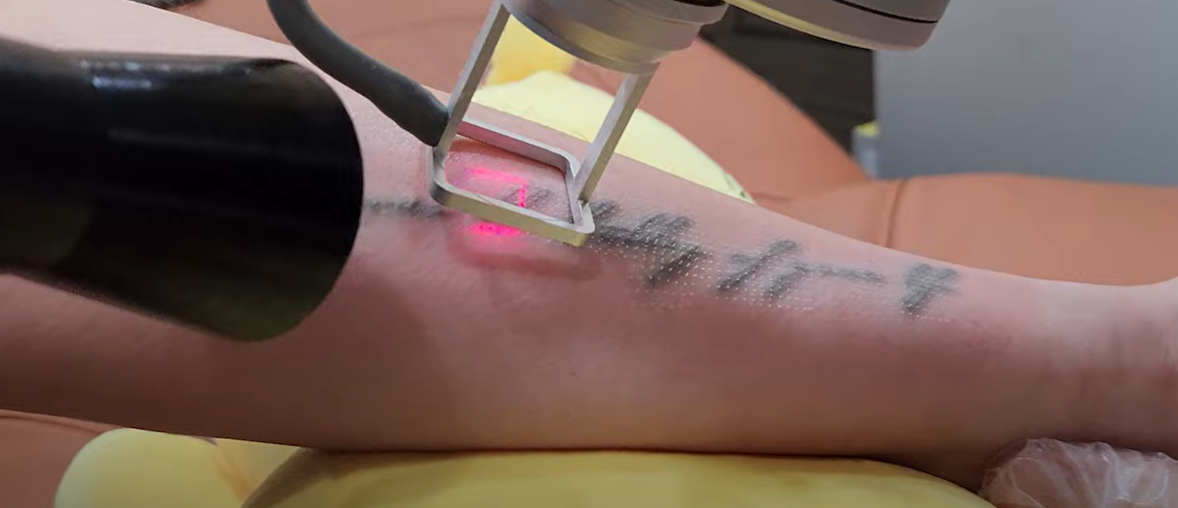
Pinhole Technique in the Final Stage
To reduce the fine scars or marks that may remain after tattoo removal, the Pinhole Technique using a CO2 laser may be applied in the final stage.
This helps induce skin regeneration, naturally clear residual pigment, and reduce the possibility of scarring, aiding in the smooth recovery of skin texture. More details can be found in the Pinhole for Burn & Surgical Scar procedure guide.

We Look Beyond the Immediate Result
Tattoo removal is not just about erasing; it's a treatment that must consider the skin's function and structure. While visible changes are important, reducing scarring may be even more crucial.
Rather than just considering cost and number of sessions, we recommend receiving treatment from a dermatologist specializing in tattoo removal. Individual results may vary.

Authored and Medically Reviewed by Chief Director Dr. Lee Sang-joo (Dermatologist) Dermatologist · Ph.D. in Medicine, Yonsei University College of Medicine Graduate School · Resident, Severance Hospital Dermatology Department Former Head of Dermatology, National Police Hospital · President of the Korean Dermatological Association in 2026 View Medical Staff Profile
First Published 2025-07-14 · Last Reviewed 2026-07-29
This article contains general medical information and does not substitute for individual diagnosis and treatment. Results and recovery progress may vary by individual.