
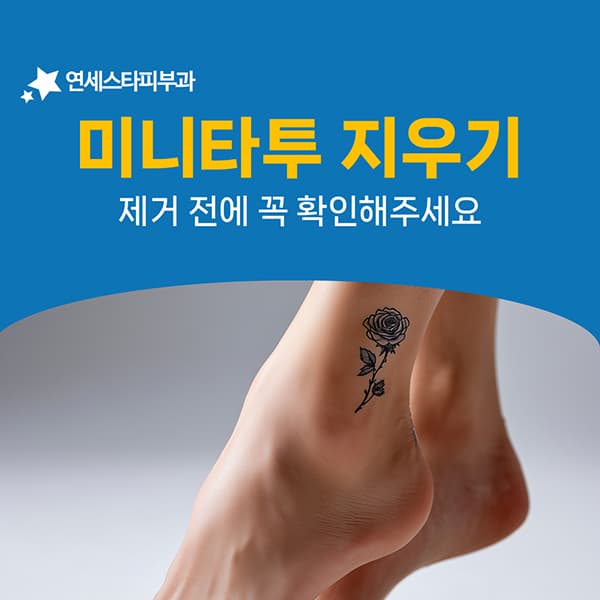
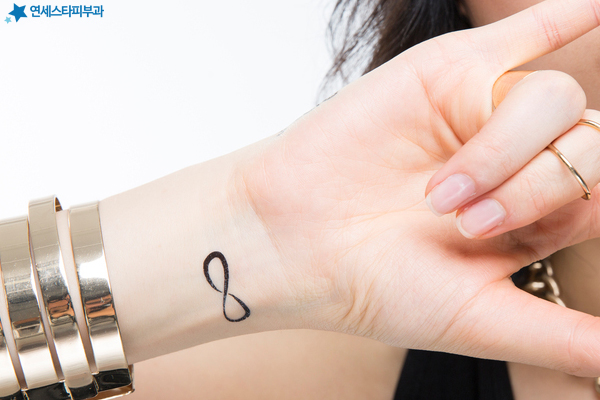
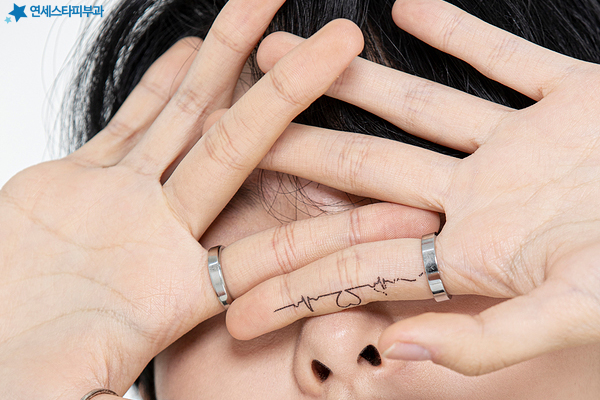
Mini tattoos were once popular for their simple designs that could add a subtle accent, with many people getting small tattoos on areas like the wrist, ankle, neck, or collarbone. It's easy to think that because they are small, there wouldn't be much trouble if one decided to remove them later.
However, when the meaning of the tattoo fades over time or circumstances change, leading to a decision to remove it, unexpected difficulties can arise. Let's examine the reasons one by one.
Small Size Does Not Mean Simple Removal
Generally, larger tattoos take longer to remove. While it might seem that mini tattoos would be the opposite, it's not uncommon for small designs to use a lot of ink or multiple colors to achieve a clear, distinct shape.
This means that even if the size is small, the quantity and nature of the pigment to be broken down can differ.
| Common Assumption | What to Actually Consider |
|---|---|
| Small size means quick removal | It's difficult to judge by size alone, as dense ink or mixed colors are often used to make the design clear |
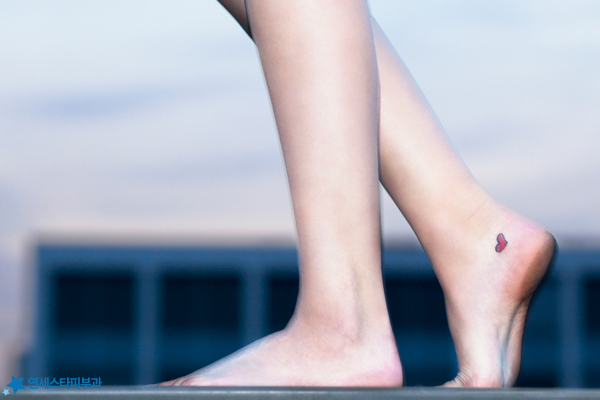
| Small size means less pain | Often placed on thin, sensitive skin areas like fingers, wrists, or ankles, which can make discomfort feel greater |
| Location doesn't matter much | The conditions of the area also contribute to the perceived pain |
Factors Influencing Pain
Many people hesitate to decide on removal due to concerns about pain. In laser procedures, multiple factors influence pain:
- Skin thickness
- Nerve distribution
- Fat and muscle distribution
- Distance from bone
Areas with a high concentration of nerves or close to bone tend to experience stronger pain.
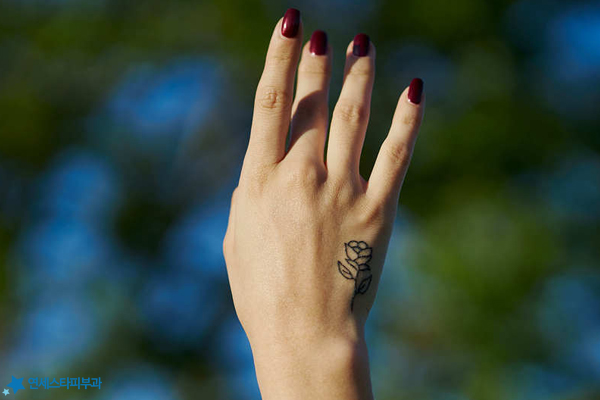
Common Characteristics of Areas Where Mini Tattoos Are Often Placed
Many areas where mini tattoos are frequently placed share the characteristics mentioned above. Therefore, even if the size is small, discomfort such as pain may be felt more intensely during the removal process.
This is why a more delicate approach is needed during the procedure. Individual differences in perceived sensation may occur.
The Point Where Pico Laser Is Mentioned
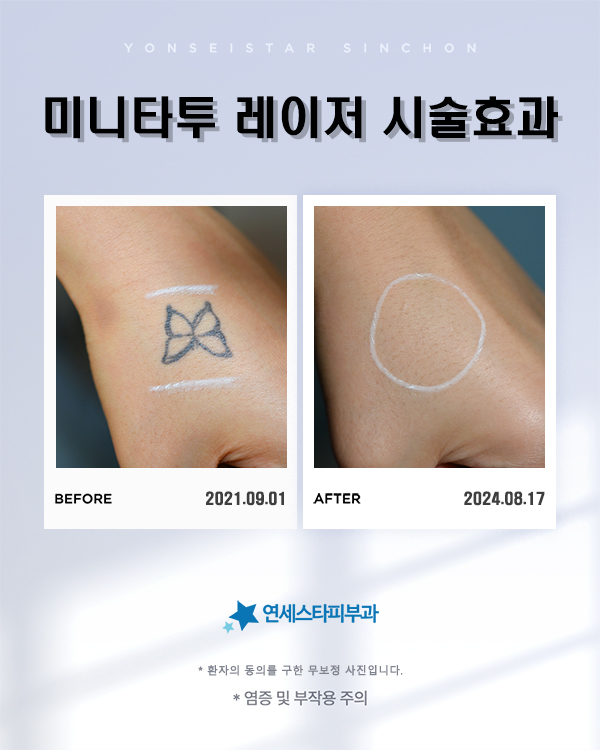
One of the devices frequently mentioned for mini tattoo removal is the PicoWay Laser. It can deliver high-output energy in a short time, breaking down pigment deep within the skin.
Since sufficient energy is delivered quickly, it can reduce the burden of pain and scarring from the procedure, and a key feature mentioned is that there is little burden in returning to daily life after the procedure.
For color tattoos, the PicoWay Laser device, which can combine wavelengths suitable for each color, is utilized. Information on equipment and method configurations can be found in R-Zero Pico-Frectat Tattoo Removal, and other approaches in Nd:YAG Tattoo Removal.
Even if it seems like a minor procedure, it is a medical act
Mini tattoo removal is often considered simple due to its small size. However, tattoo removal itself is classified as a medical act.
This is why a dermatology specialist is needed who can quickly respond to side effects such as scarring, pigmentation, or persistent pain. The process must prioritize safely applying the treatment by assessing the current skin condition, understanding the equipment, determining the feasibility of pain reduction, and preventing scars.
The overall treatment flow is summarized in Tattoo Removal Treatment Guide. If you are curious about the conditions of your tattoo, feel free to ask via Chat Inquiry Now.

Authored · Medically Reviewed by Chief Director Dr. Lee Sang-Joo (Dermatology Specialist) Graduated from Yonsei University College of Medicine · Ph.D. in Medicine from Yonsei University Graduate School · Dermatology Resident at Severance Hospital Currently Adjunct Professor, Department of Dermatology, Yonsei University College of Medicine · President of the Korean Dermatological Association in 2026 View Medical Staff Introduction
First Published 2026-01-08 · Last Reviewed 2026-07-29
This article contains general medical information and does not substitute for individual diagnosis and treatment. Results and recovery progress may vary by individual.