


When looking into tattoo removal, you might hear that black fades quickly, but red takes a long time, or that color tattoos are difficult to remove. This is not entirely wrong. The difficulty of removal does indeed vary by color.
This article explains the principle behind varying laser reactions for each color and the equipment conditions required for treating color tattoos.
Wavelength, Not Color, Is the Deciding Factor
At the core of tattoo removal is the wavelength of light. When a laser penetrates the skin with a specific wavelength, the pigment that absorbs that wavelength well is destroyed.
In other words, whether the laser reacts well is determined by how much the pigment absorbs light of that particular wavelength. It is not a matter of whether the color is dark or light.

Difficulty Levels by Color
| Color | Difficulty | Reaction Characteristics |
|---|---|---|
| Black | Relatively low | Absorbs most wavelengths and reacts well to lasers. This includes lettering and clear black lines. |
| Blue, Green | High | Reacts only to specific wavelength bands, requiring a high-output PicoWay Laser. |
| Red | Medium-high | Often located close to the surface, so the reaction may be fast, but the thermal reaction is strong, increasing the likelihood of redness or inflammation. |
| Yellow, Orange, Light Purple | Most challenging | These colors had little to no reaction to conventional lasers, so they were once considered difficult to remove. |
Why Color Tattoos Require Multiple Wavelengths
Since each color reacts to different wavelengths, tattoos with mixed colors are difficult to treat with just one wavelength. High-performance equipment that can use multiple wavelengths simultaneously may be necessary.
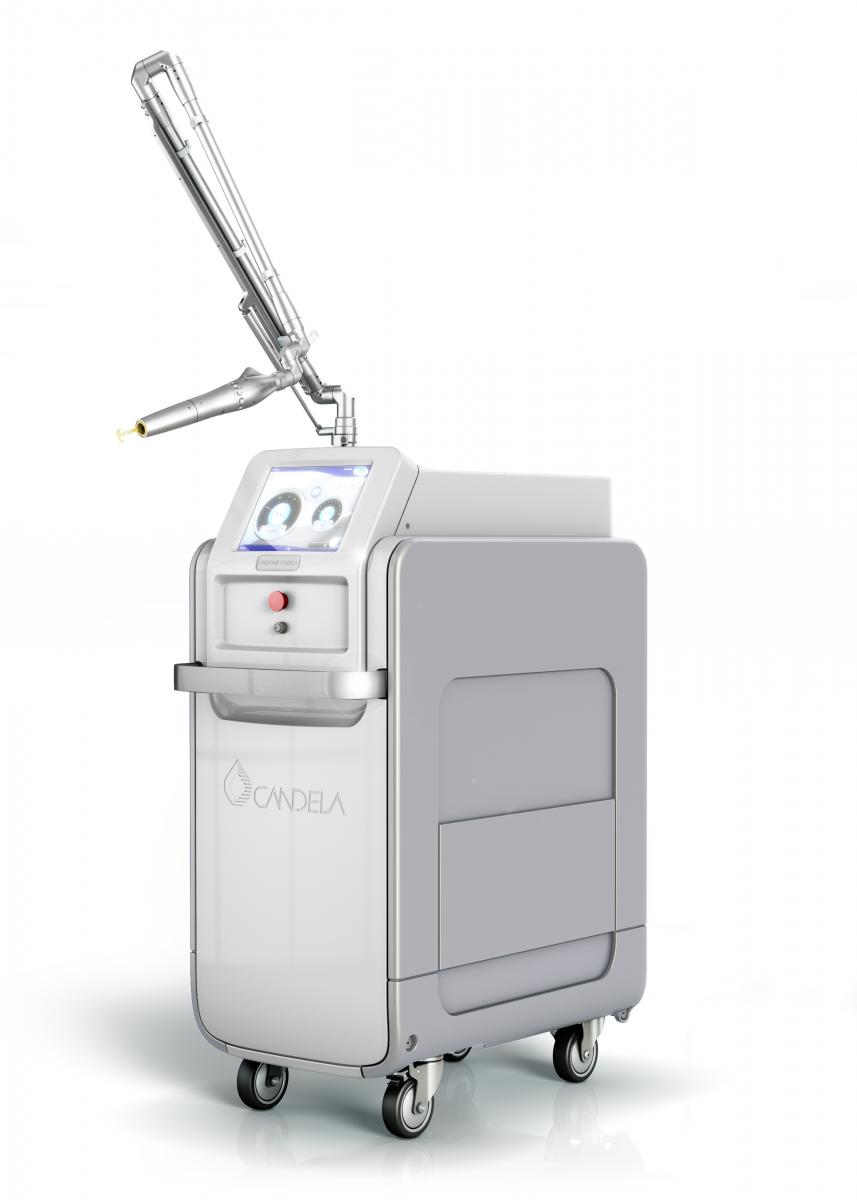
PicoWay Laser is a prime example of such equipment. The equipment configuration and treatment method are detailed in the R-Zero Pico-Frectat Tattoo Removal guide.
Breaking Down Pigment with Shockwaves, Not Heat
PicoWay Laser irradiates light in extremely short picosecond pulses. It works by breaking down pigment into finer particles using shockwaves rather than heat.
Because it strikes briefly, the pigment is broken down more finely, and the thermal burden on the surrounding skin is reduced.
The advantages of this method are summarized as follows:
- It can address various color tattoos.
- It irradiates in a way that minimizes damage to the surrounding skin.
- It is reported to lower the incidence of side effects such as scarring or pigmentation.
Using PicoWay Laser systems with a wide range of wavelength options and high color compatibility can help increase satisfaction. You can compare this method with treatments primarily using single wavelengths in Nd:YAG Tattoo Removal.
Results Vary Even for the Same Size and Area
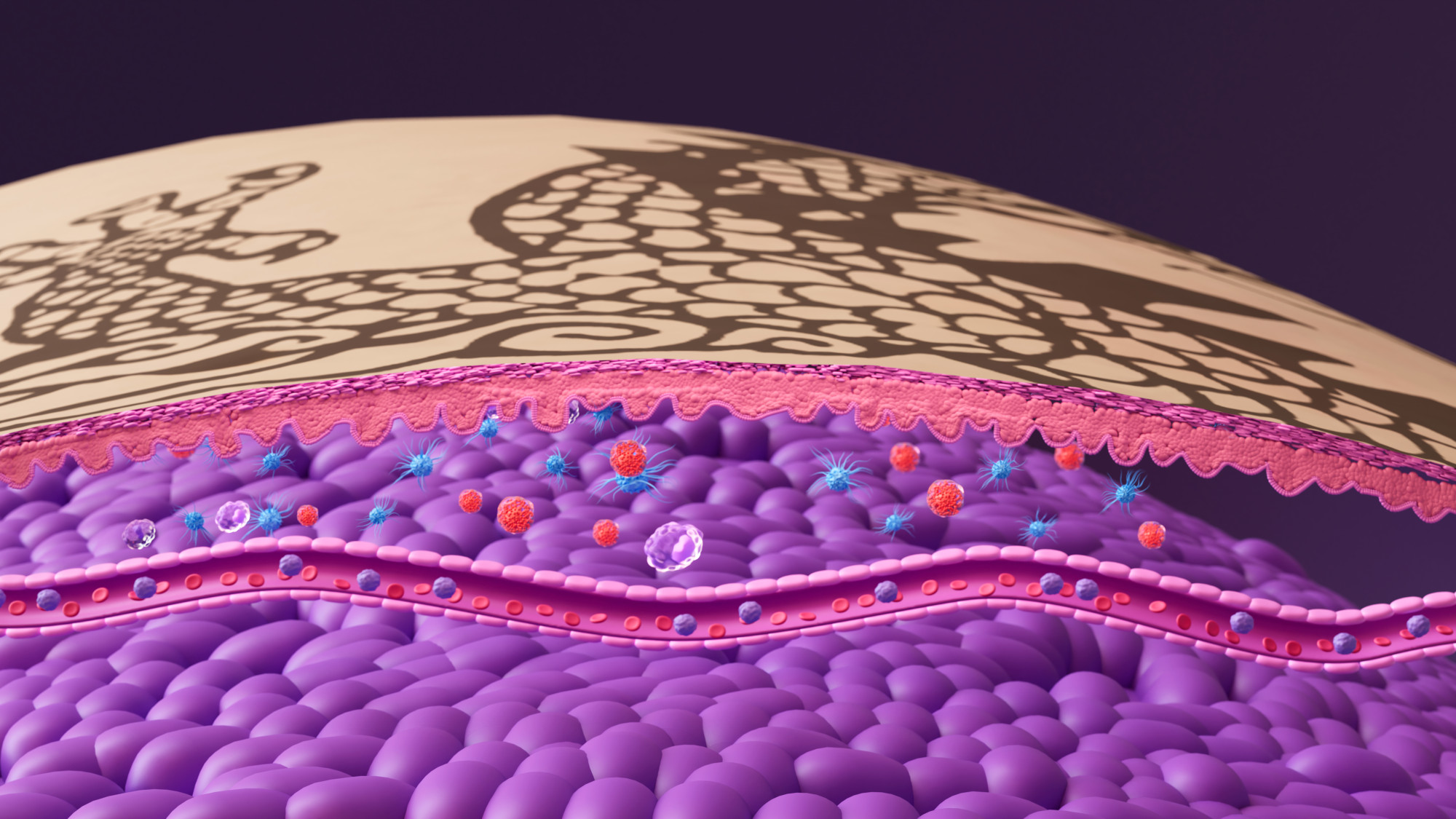
Not all tattoos fade in the same way. Even if the size and area are the same, the progress can vary depending on the color, depth, and skin type.
For color tattoos, the type of laser used, the treatment method, and the skill of the dermatologist all play a role. If you are concerned about scarring, you may also want to review the Pinhole for Burn & Surgical Scar treatment guide.
Why Consultation is Necessary Before Starting
Tattoo removal is a treatment that can involve significant time and cost once started. It is better to confirm the color composition and depth first and then plan the treatment.
You can check the overall treatment flow in the Tattoo Removal Treatment Guide, and if you have concerns about colors, you can comfortably ask via chat now.

Authored and Medically Reviewed by Chief Director Dr. Lee Sang-Joo (Dermatologist) Graduated from Yonsei University College of Medicine · Ph.D. in Medicine, Yonsei University Graduate School of Medicine · Resident in Dermatology, Severance Hospital Currently Adjunct Professor, Department of Dermatology, Yonsei University College of Medicine · President of the Korean Dermatological Association in 2026 View Medical Staff Profile
First Published 2025-07-07 · Last Reviewed 2026-07-29
This article contains general medical information and does not substitute for individual diagnosis and treatment. Results and recovery progress may vary by individual.