


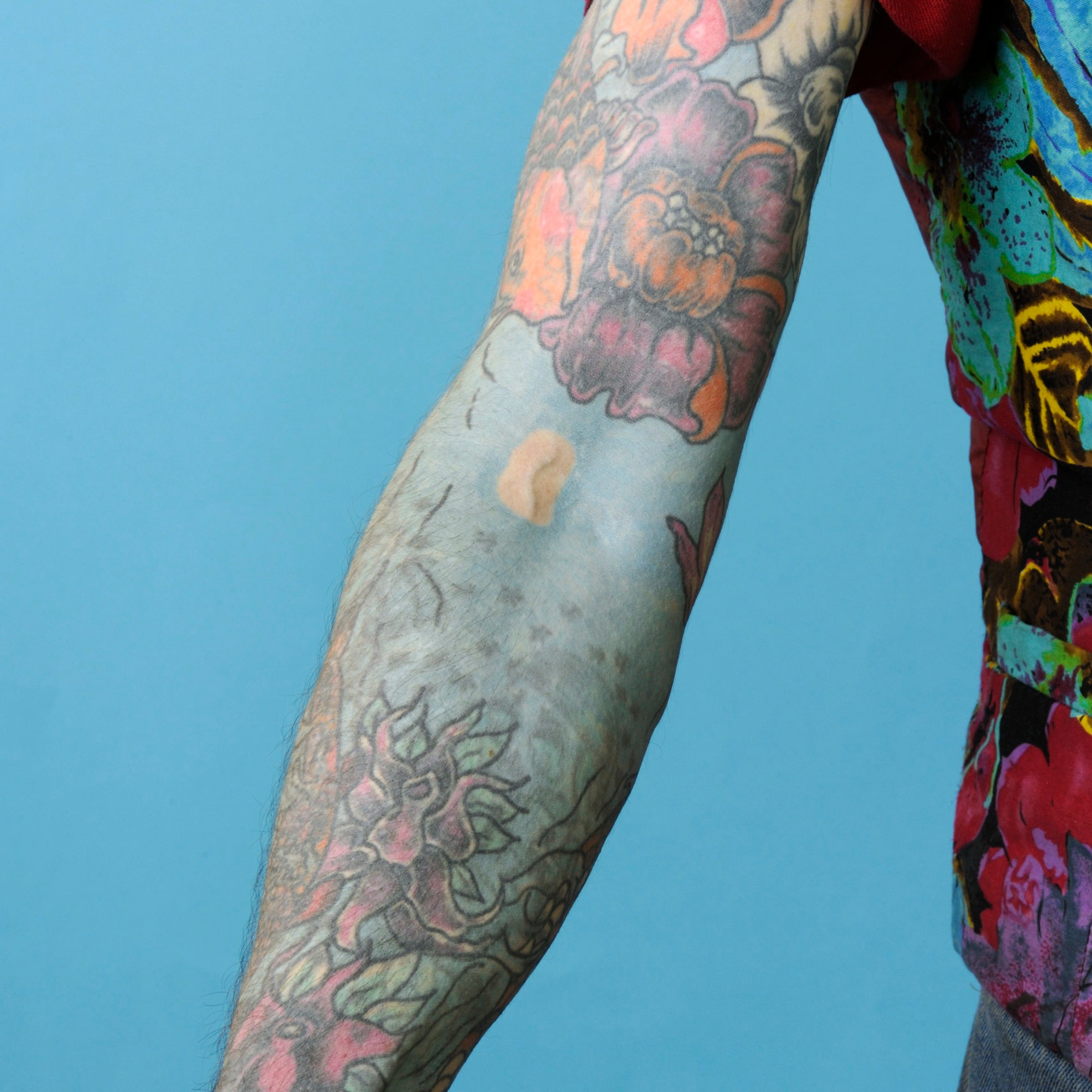
Irezumi is a traditional Japanese tattoo style, often featuring expressions with unique artistry and symbolism. Regardless of its cultural significance, more people are considering its removal.
This article summarizes the characteristics of Irezumi tattoos and dermatological laser treatment methods.
Four Characteristics Different from General Tattoos
| Characteristic | Impact on Removal |
|---|---|
| Pigmentation deeper into the skin layers | Requires wavelengths that reach the pigment layer |
| Dark black and multiple colors present | Combines different wavelengths for each color |
| Traditional hand-tool methods result in large, uneven pigment particles | Decomposition reaction may not be uniform |
| Often features large-area designs | Requires planning for time and sessions |
Due to these conditions, Irezumi tattoo removal tends to be more challenging than general tattoo removal.
The Role of Pico Laser
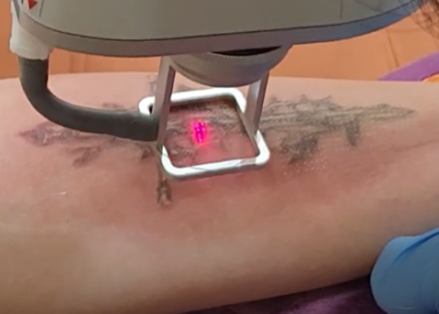
Dermatological laser treatment is possible, and PicoWay Laser is often used. Because it delivers strong energy in picoseconds, or one-trillionth of a second, it breaks down pigment more finely.
Its advantages include the ability to address various colors like black, red, and green through diverse wavelengths, and its capacity to reach pigment embedded deep in the dermis.
Equipment configurations are detailed in R-Zero Pico-Frectat Tattoo Removal, and single-wavelength methods are summarized in Nd:YAG Tattoo Removal.

Why It Doesn't End in One or Two Sessions
Irezumi tattoos have deeply and widely spread pigment. It is difficult to expect complete removal in one or two sessions.
Since the pigment concentration, skin type, and immune response vary for each individual, a gradual treatment plan over multiple sessions may be necessary.
Removing a large area too aggressively at once can lead to scarring. This is why an approach that considers skin regeneration is important.
Pinhole Technique in the Final Stage
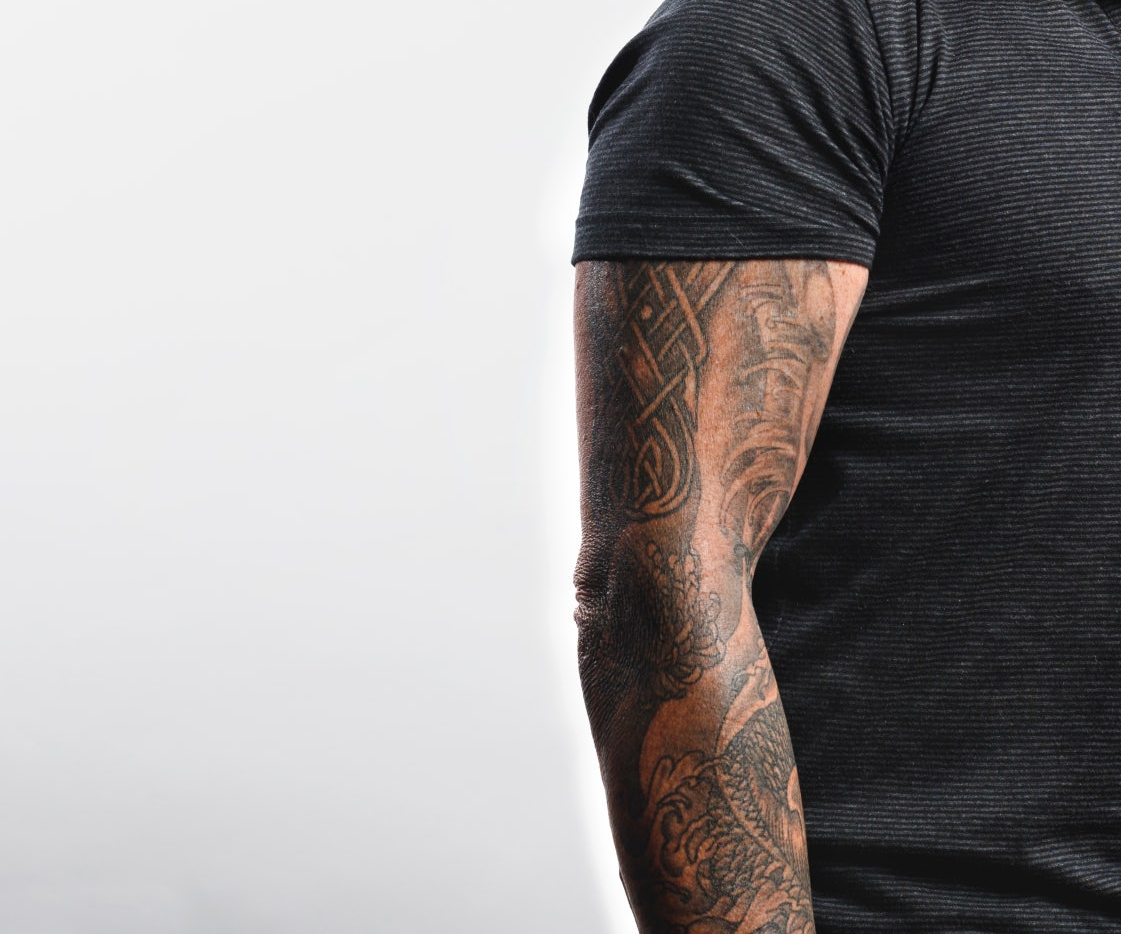
To prevent scarring or hyperpigmentation, the Pinhole Technique using a CO2 laser is sometimes combined in the final stage after laser removal.
This method creates small, microscopic holes uniformly to help the skin regenerate itself, naturally recovering from residual pigment or texture damage. More details can be found in the Pinhole for Burn & Surgical Scar guide.
If you have any questions, you can ask them via Chat Now.
Things to Check When Planning
- How many colors are mixed in the tattoo
- How deep the pigment has penetrated
- How many sessions to divide the area into
- How to plan the final recovery stages
The depth and spread of pigment in Irezumi tattoos vary for each individual. Rather than aggressive removal, a gradual treatment combined with skin recovery is preferable.

Authored and Medically Reviewed by Dr. Jinmoon Kang, Chief Director (Dermatologist) Board-Certified Dermatologist · Graduated from Yonsei University College of Medicine · Severance Hospital Dermatology Resident Member of the Korean Society for Medical Lasers · Member of the Korean Association of Dermatologists View Medical Staff Profile
First Published 2025-05-09 · Last Reviewed 2026-07-29
This article provides general medical information and does not substitute for individual diagnosis and treatment. Results and recovery progress may vary by individual.