


Let's answer some frequently asked questions about tattoo removal. This is about which tattoos are difficult and which are easy to remove, and when is the best time to start.
We look at the color first
There are definitely tattoos that are difficult to remove and those that are easy. The first criterion is color.
| Color Family | Removal Difficulty |
|---|---|
| Blue, Black | Relatively easy to erase |
| Yellow, Red | A bit trickier |
| Green, White | Known to be more difficult |

The Afterimage Left by Green
Green tattoos need to be addressed separately.
Even if only a little remains after the procedure, it can appear bluish, like a bruise, which may lead to a slightly lower satisfaction.
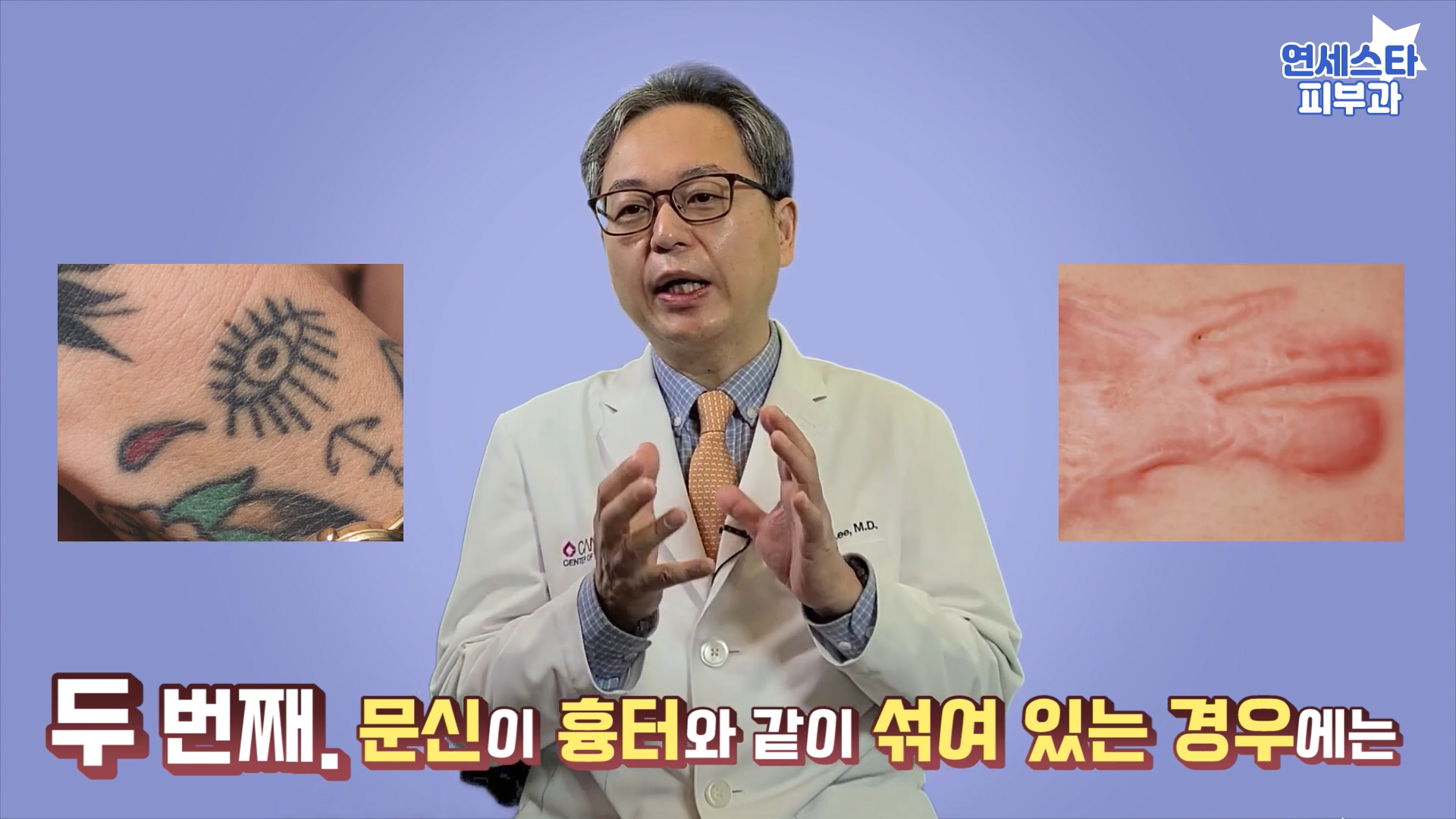
Tattoos Embedded in Scars
Secondly, if a tattoo is mixed with a scar, treatment can be challenging.
Scars have firm tissue, so tattoos embedded in them are proportionally more difficult to remove. Procedures that address scars can be found in the Pinhole for Burn & Surgical Scar guide.

Why Older Tattoos Are Actually More Advantageous
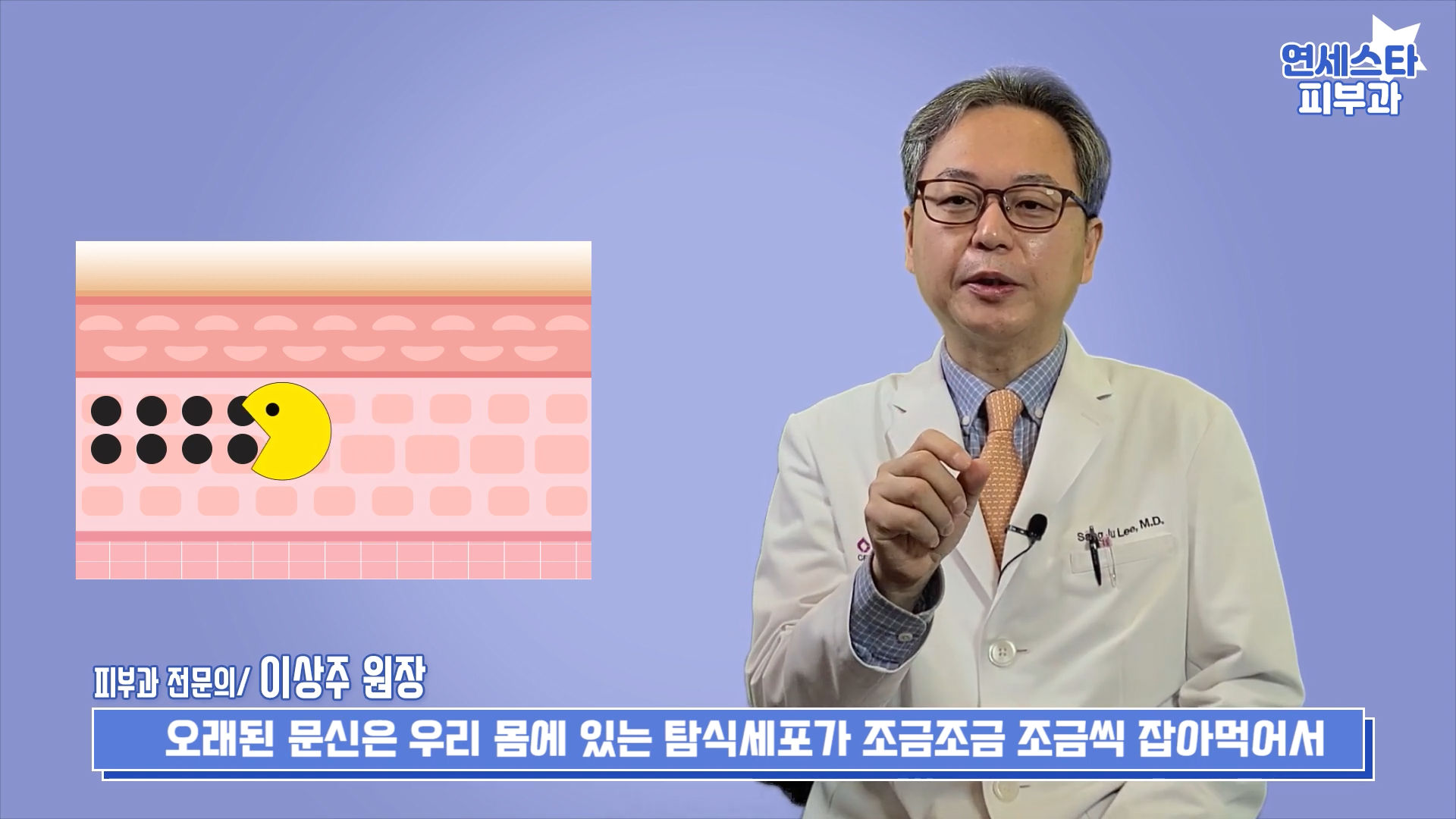
Between older tattoos and newer ones, older tattoos can be treated more quickly.
- If it's a new tattoo, there's still a lot of ink present.
- For older tattoos, our body's phagocytes have gradually consumed some of the tattoo, so the amount of tattoo has already decreased.
But if it's a New Tattoo
If you're not satisfied with a tattoo immediately after getting it, the situation changes. It's more effective to remove it before the skin heals.
This is because the tattoo particles can exit more quickly through the path created when the tattoo was applied. Therefore, if you're not satisfied after the procedure, we recommend getting treatment as soon as possible.
Methods for using different wavelengths for each color are summarized in the R-Zero Pico-Frectat Tattoo Removal and Nd:YAG Tattoo Removal guides. If you're curious which applies to your tattoo, please tell us the color and area by chatting with us now. Individual results may vary.

Authored and Medically Reviewed by Jinmun Kang, Chief Physician (Dermatologist) Graduated from Yonsei University College of Medicine · Severance Hospital Dermatology Resident Former Professor at Bundang CHA Hospital · Member of the Korean Society for Aesthetic and Dermatologic Surgery View Medical Staff Profile
First Published 2024-04-26 · Last Reviewed 2026-07-29
This article contains general medical information and is not a substitute for individual diagnosis and treatment. Results and recovery may vary by individual.