


Eyeliner tattoo removal and eyebrow tattoo removal have become common procedures. As such, many people are wondering where to get them removed.
Semi-permanent makeup tattoos are slightly different from regular tattoos, but the principle of removal and the qualifications for removal are the same. This article summarizes those qualifications and methods.

It becomes a problem the moment it's done at a shop
Performing semi-permanent makeup tattoos at a specialized shop is illegal. This applies not only to tattooing but also to removing them at a shop.
From the perspective of someone receiving the procedure, it's an area that's not easily distinguished. Therefore, it's necessary to know what can be done where.
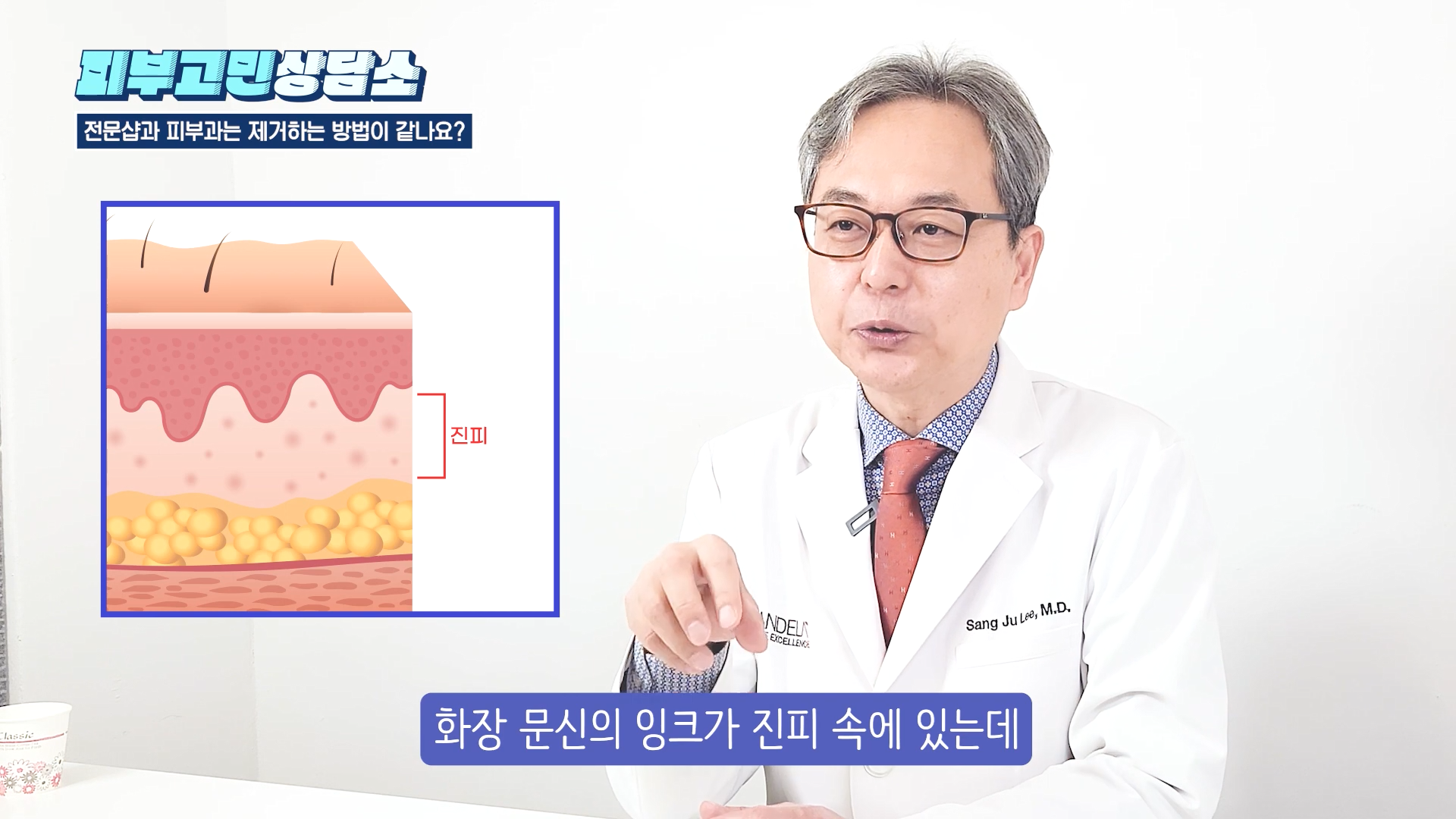

What the skin-shaving method left behind
The ink of semi-permanent makeup tattoos resides in the dermis. In the past, to remove this ink from the dermis, chemicals were used to shave off the skin.
This method had the disadvantage of causing tattoo removal scars, so it is no longer performed in clinics. However, some shops are known to illegally perform such methods. An approach that also considers the burden of scars can be found in the Pinhole for Burn & Surgical Scar treatment guide.


People who can handle lasers
Dermatology clinics with board-certified dermatologists primarily use lasers.
Currently, only medical professionals are permitted to use lasers.
Therefore, any eyeliner tattoo removal or eyebrow tattoo removal performed at a shop should be considered illegal.
Laser treatment for removing semi-permanent makeup tattoos or regular tattoos has become a standard treatment method due to its fewer side effects and excellent therapeutic effects. The overall process is summarized in the Tattoo Removal Treatment Guide.


Pain varies with the amount of ink
When there is a large amount of ink in the skin, the pain can be more severe. This is because pain occurs at the moment the ink is broken down and removed.
Eyeliner tattoos or eyebrow tattoos may cause less pain than regular tattoos because they contain relatively less ink. However, pain can occur in sensitive areas like the eyelashes.


A process of peeling off layer by layer
Tattoo ink needs to be broken into small pieces, so multiple treatments are required. If the ink is thick, it is removed layer by layer.
This is why semi-permanent makeup tattoos, like regular tattoos, must be performed over several sessions.
| Category | Regular Tattoo | Eyeliner/Eyebrow Tattoo |
|---|---|---|
| Amount of Ink | Relatively large | Relatively small |
| Pain | More severe with more ink | May be less, but sensitive area causes pain |
| Number of Sessions | Performed over several sessions | Also performed over several sessions |


The changing landscape of equipment
In the past, Q-switched Nd:YAG lasers were widely used for tattoo removal. This method is still used and can be seen in the Nd:YAG Tattoo Removal Guide.
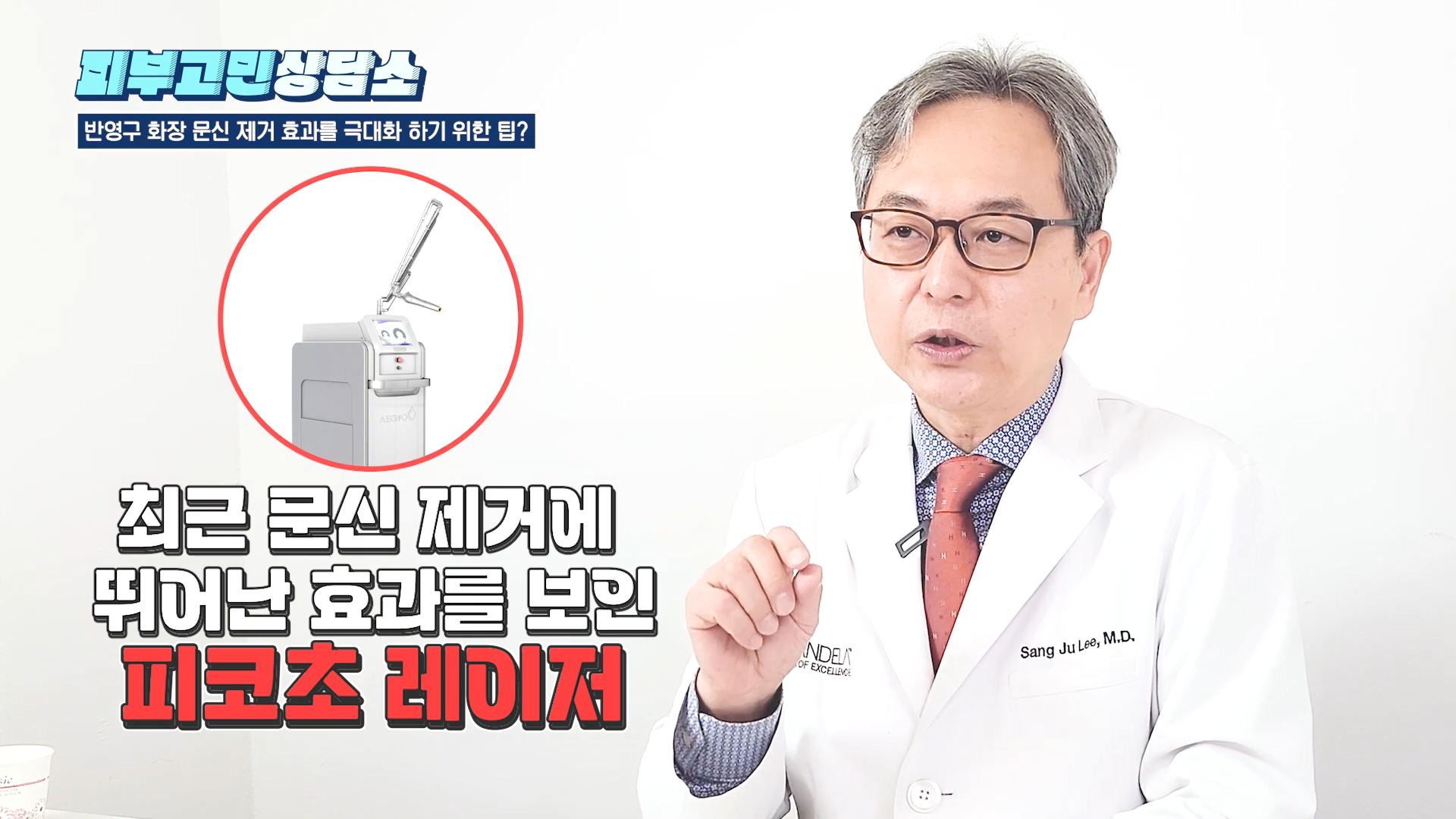
Currently, picosecond lasers show excellent results in tattoo removal. To achieve results in a short period, equipment configuration is important. The method used by our clinic is summarized in R-Zero Pico-Frectat Tattoo Removal.


What to check when choosing a clinic
The results of semi-permanent makeup tattoo removal depend on the person performing the procedure and the equipment used. Before booking, please check just two things:
- Confirm on the website or blog whether the medical professional performing the procedure is a board-certified dermatologist.
- Also, check what laser equipment is used for tattoo removal.
After confirming, we recommend that you receive treatment safely. If you need a consultation, you can use Chat for Consultation.


Authored · Medically Reviewed by Chief Director Lee Sang-joo (Board-Certified Dermatologist) Graduated from Yonsei University College of Medicine · Ph.D. in Medicine, Yonsei University Graduate School of Medicine · Resident in Dermatology, Severance Hospital Currently Adjunct Professor, Department of Dermatology, Yonsei University College of Medicine · President of the Korean Dermatological Association in 2026 View Medical Staff Profile
First Published 2024-08-02 · Last Reviewed 2026-07-29
This article contains general medical information and does not substitute for individual diagnosis and treatment. Results and recovery progress may vary by individual.