

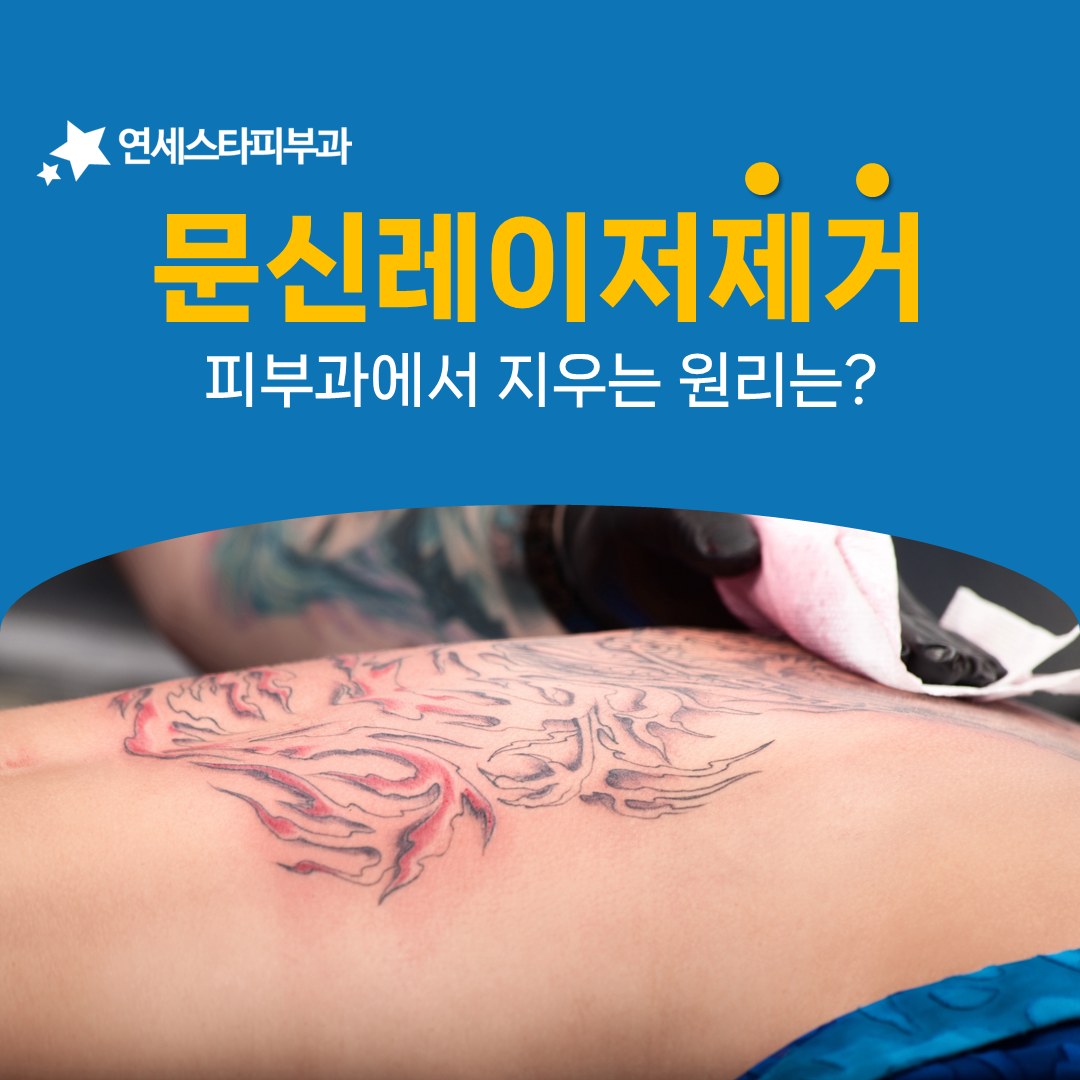
When we talk about removing tattoos with lasers, what exactly happens is not well known. This article summarizes the principles of tattoo removal in dermatology clinics, in order.
Why Tattoos Are Called Permanent
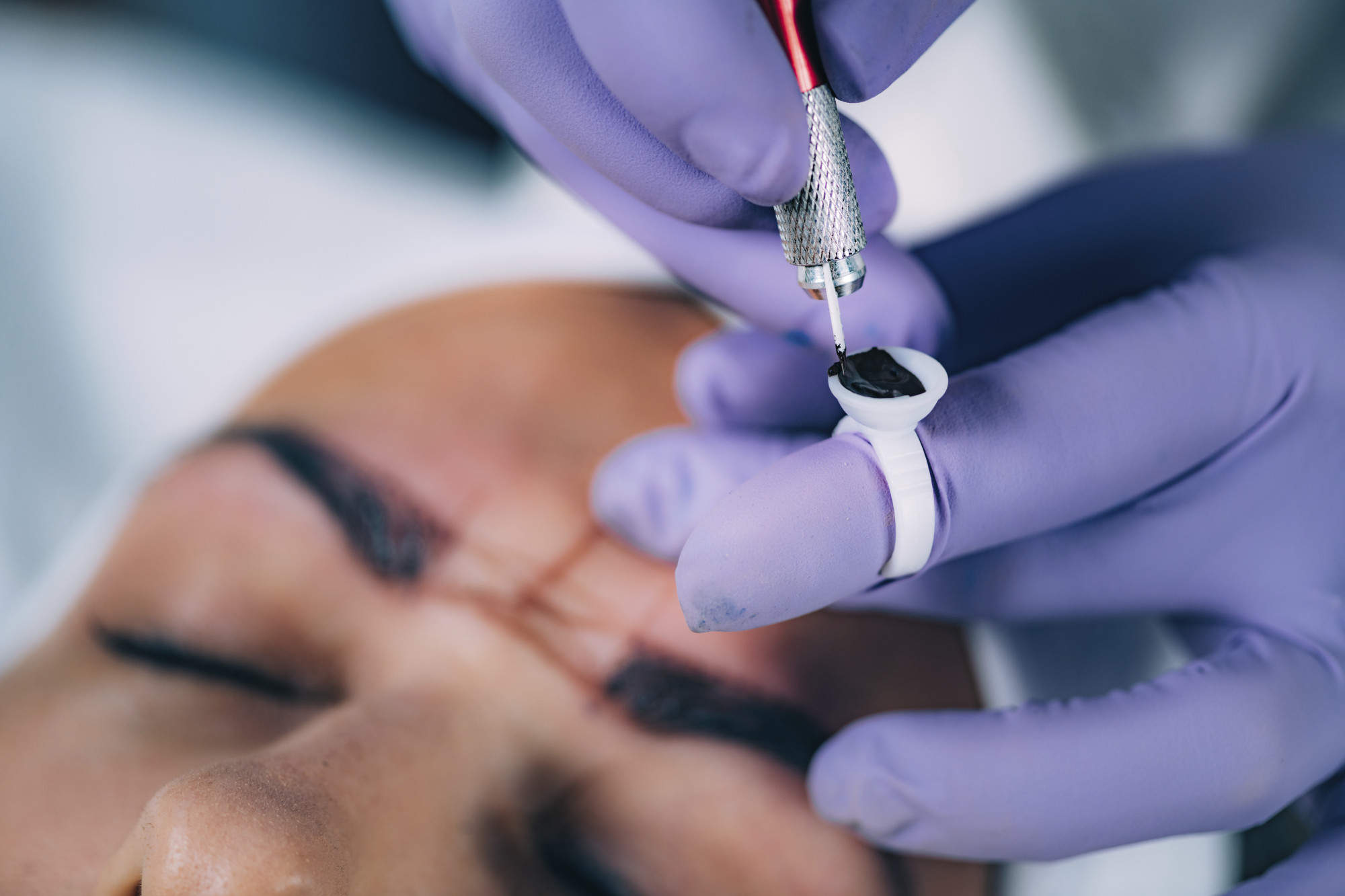
Tattooing is a method of depositing pigment into the dermis, the layer beneath the epidermis, which is the outermost layer of the skin.
The dermal layer is an area that undergoes little change through natural skin regeneration. Once pigment enters, it does not fade over time.
This is why tattoos are called permanent.
Targeting, Not Burning
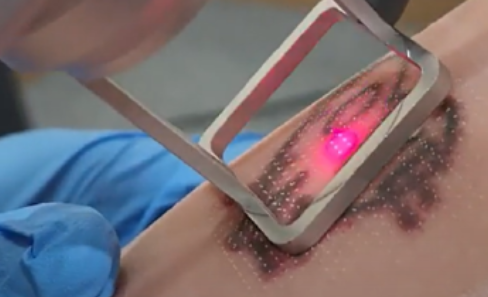
The core of laser tattoo removal is to use the wavelength energy of the laser to break down the pigment in the skin into tiny fragments.
What's important here is that it uses specific wavelengths of light that target only the pigment, rather than burning the entire skin.
When the pigment is broken down very finely, our body's immune cells process those ink particles. It's closer to helping the skin clean the pigment itself.

Different Lasers Are Needed for Different Colors
| Step | What Happens |
|---|---|
| Pigment Deposition | Pigment settles in the dermis, past the epidermis |
| Wavelength Irradiation | Specific wavelengths of light absorbed by that color are irradiated |
| Pigment Breakdown | Pigment particles are finely fragmented |
| Natural Excretion | Immune cells process the ink |
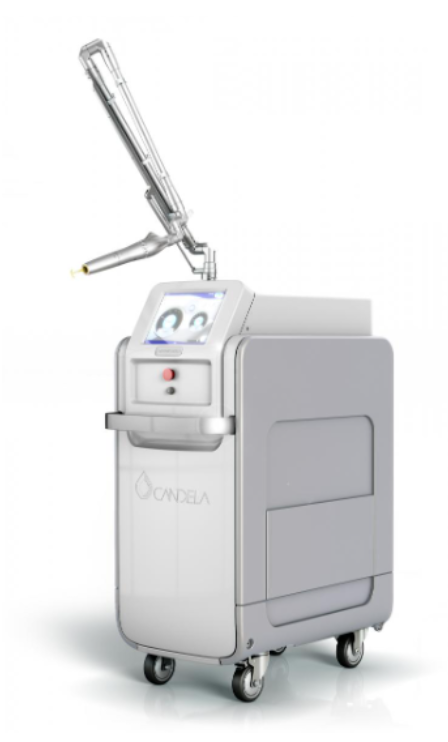
Each pigment used in tattoos, such as black, blue, green, and red, absorbs different wavelengths of light. It is difficult to treat all colors with a single laser. Therefore, picosecond lasers that support various wavelengths are often used. PicoWay, PicoSure, and PicoPlus fall into this category.
Equipment configurations are detailed in R-Zero Pico-Frectat Tattoo Removal, and single-wavelength methods are summarized in Nd:YAG Tattoo Removal.
If the Color Is Gone but Marks Remain
The biggest concern is whether scars will remain. If the pigment is gone but marks remain on the skin, satisfaction is bound to decrease.
Therefore, the Pinhole Technique using a CO2 laser may be utilized in the final stage. This method creates microscopic holes in the skin to induce regeneration and gently remodel existing damaged tissue, thereby preventing scars.
More details can be found in the Pinhole for Burn & Surgical Scar procedure guide.
Things to Confirm During Consultation
- Whether the laser type can treat your tattoo color
- Whether your current skin condition is suitable for the procedure
- The depth of the pigment
If you have any questions, you can ask them via Chat Now.

A Delicate Process
Removing a tattoo is not like erasing with an eraser; it is a delicate process that requires consideration of light and wavelengths, as well as skin physiology.
If you are interested, we recommend proceeding after checking the equipment, skin condition, pigment depth, and the expertise of the medical staff.

Authored and Medically Reviewed by Dr. Jinmoon Kang, Chief Director (Dermatologist) Graduated from Yonsei University College of Medicine · Completed Dermatology Residency at Severance Hospital · Former Professor at Bundang CHA Hospital Member of the Korean Society for Medical Lasers · Current Adjunct Professor at Yonsei University College of Medicine, Department of Dermatology View Medical Staff Profile
First Published 2025-06-25 · Last Reviewed 2026-07-29
This article contains general medical information and is not a substitute for individual diagnosis and treatment. Results and recovery progress may vary from person to person.