


Sometimes, people get a cover-up tattoo on their wrist or arm to hide an existing one, only to find it becomes larger and darker than the original, making them want to remove it.

It's common for people's views on tattoos to change as they start their professional lives. Let's first look at why choosing a cover-up can lead to a more difficult situation to reverse.


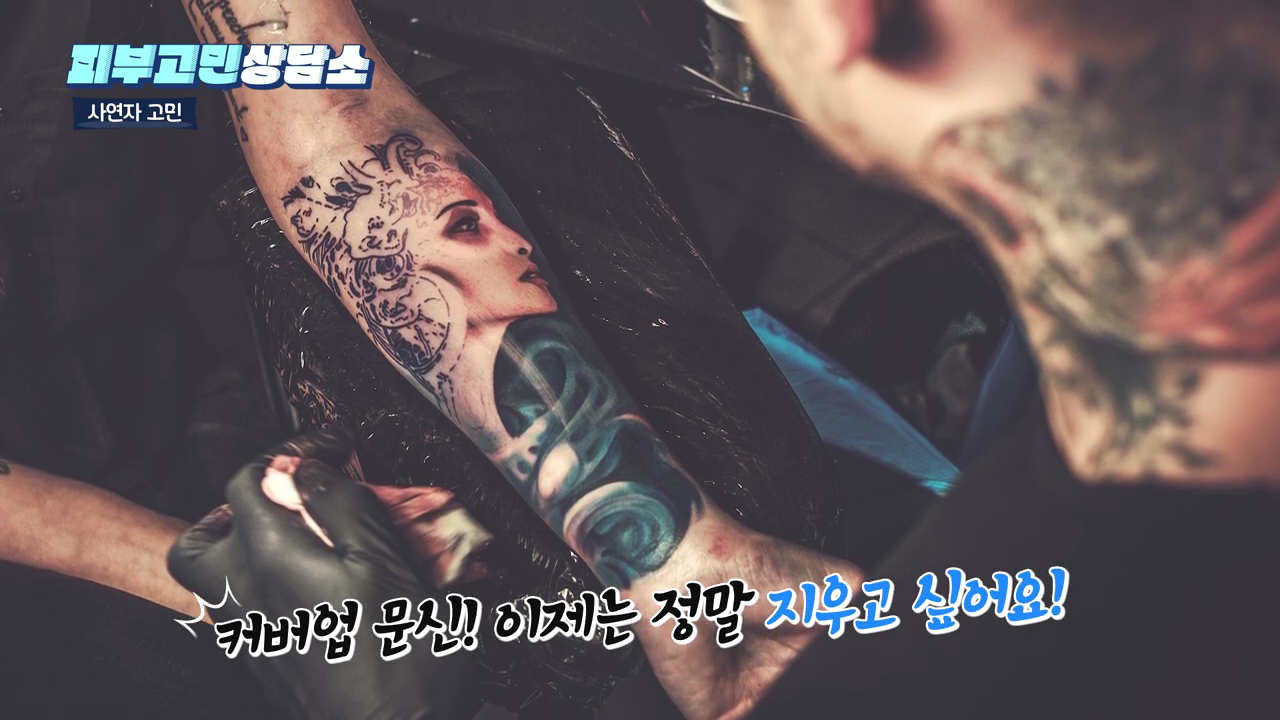


Laser reaction varies by color
General tattoos often use black or blue, which can be easily removed by lasers.
On the other hand, cover-up tattoos frequently use skin tones or completely black colors. These pigments tend to have a lower reaction to lasers.

The variable of ink quantity
It's not just a matter of color. Since the tattoo was done to cover something, the amount of ink used is inherently large.
Low reactivity colors and a large amount of ink. Because these two conditions overlap, cover-up tattoos can be more difficult to remove than general tattoos.

Difficult is not impossible
However, it is not impossible. With consistent treatment, improvement may be possible.


While some people use skin tones for cover-ups, others use a variety of colors. If there are many types of tattoo pigments, a combination of different lasers can be used.

However, color tattoos inevitably require more treatment sessions and a longer treatment period than single-color tattoos. Equipment configurations are detailed in R-Zero Pico-Frectat Tattoo Removal, and information on single-color tattoos can be found in Nd:YAG Tattoo Removal.


How many sessions to expect when starting
Tattoo removal is difficult to complete in one session. The estimated range varies by area.
| Target | Generally Expected Conditions |
|---|---|
| Eyebrow Tattoo | Sometimes completed in one session |
| General Body Tattoo | 5 to 10 or more sessions, one to two months apart |
| Cover-up Tattoo | May increase depending on color and ink volume |
Recently, lasers have advanced significantly, providing conditions that can enhance satisfaction.

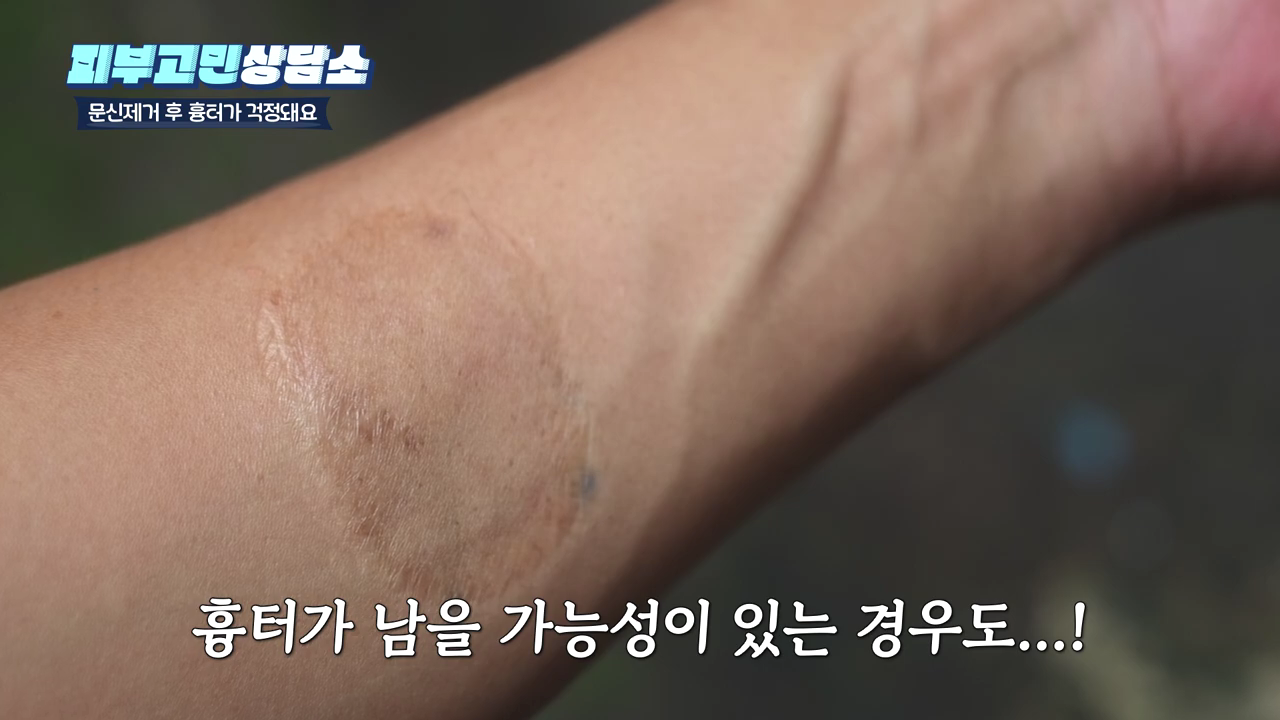
If you're hesitant to start due to scar concerns
Sometimes, there is a possibility of scarring during tattoo removal treatment.

In such cases, by appropriately combining laser intensity and skin type, scarring can be minimized. Rather than being afraid of scarring or incomplete removal and not starting, consistent treatment by a dermatologist is closer to improvement. For scar prevention, you can also refer to the Pinhole for Burn & Surgical Scar treatment guide.

Why it's difficult to commit to a fixed number of sessions in advance
Each person's skin type is different, and the amount of ink in a tattoo cannot be known in advance. Therefore, it is difficult to give an exact total number of sessions.
- The tattoo will gradually fade with each treatment.
- Consistent treatment for 5 to 10 or more sessions may lead to improvement.
- Results and recovery time may vary individually.
Tattoo removal is akin to a marathon. We recommend proceeding steadily with the understanding that there is a finish line. The overall treatment flow can be found in the Tattoo Removal Treatment Guide.

Authored · Medically Reviewed by Dr. Lee Sang-Joo, Chief Director (Dermatologist) Resident in Dermatology at Severance Hospital · Ph.D. in Medicine, Yonsei University College of Medicine Former Professor of Dermatology at Yeongdong Severance Hospital · Current Adjunct Professor, Department of Dermatology, Yonsei University College of Medicine President of the Korean Dermatological Association in 2026 View Medical Staff Profile
First Published 2025-04-07 · Last Reviewed 2026-07-29
This article contains general medical information and does not substitute for individual diagnosis and treatment. Results and recovery progress may vary individually.