


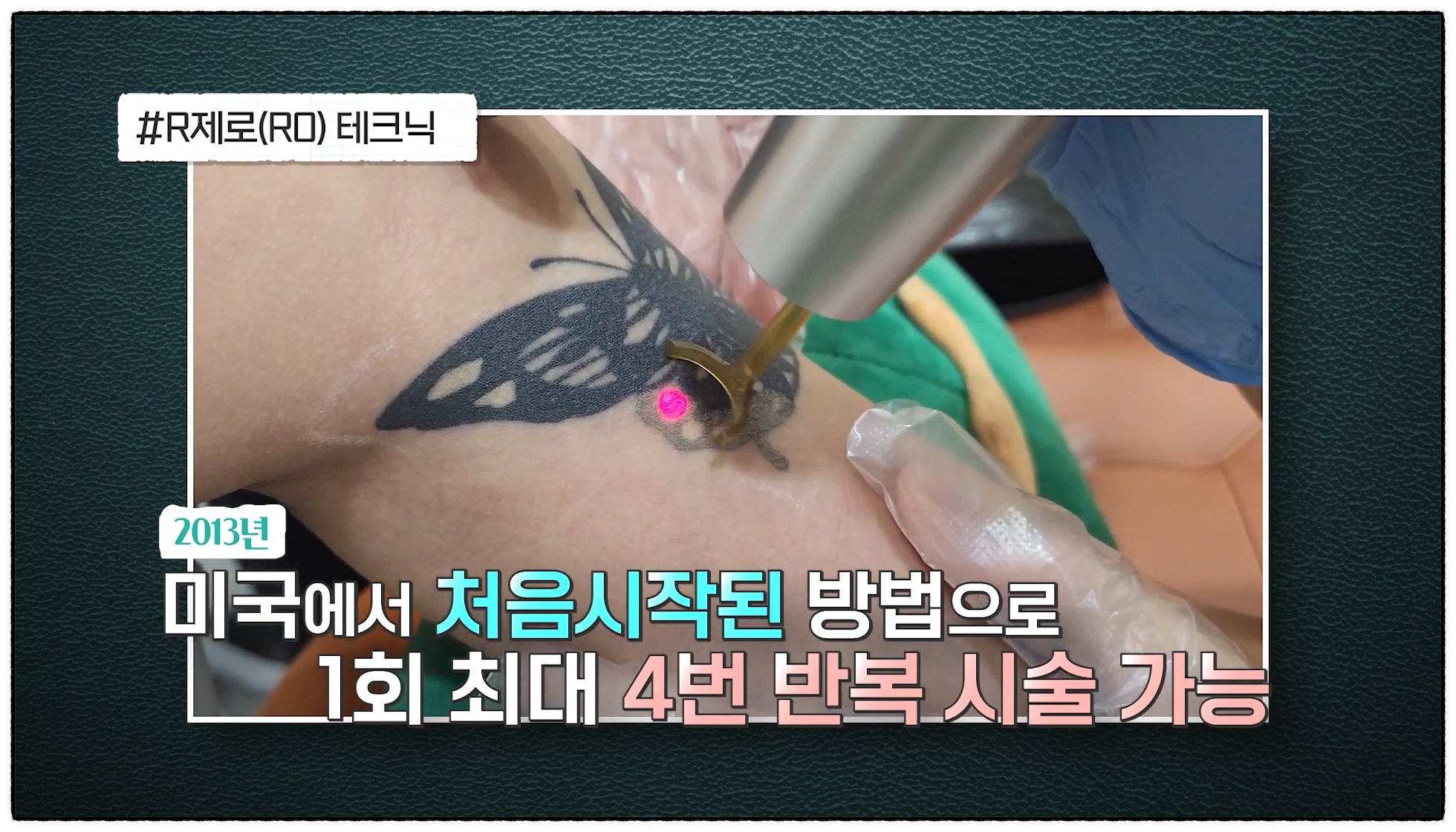
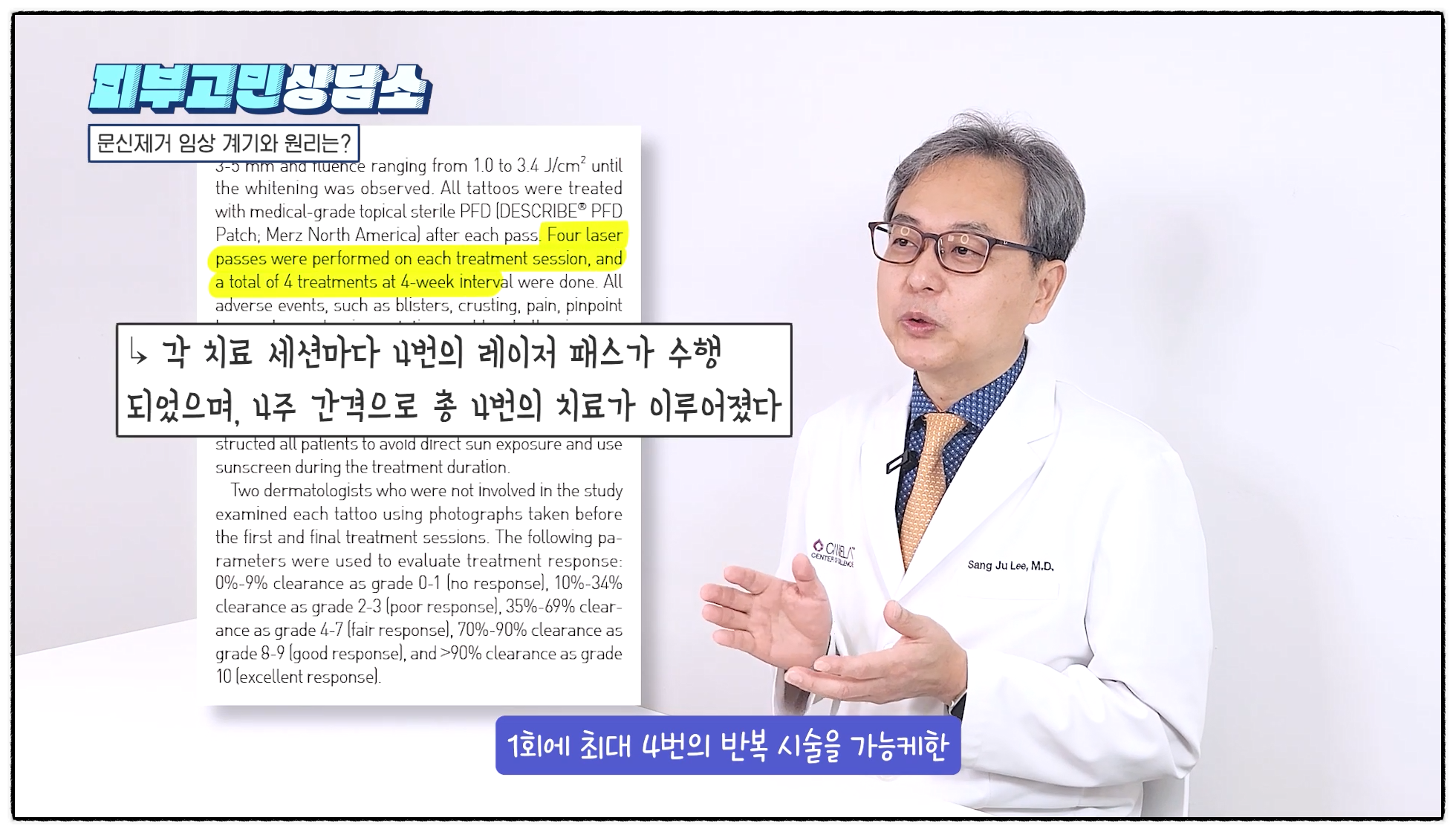
Yonsei Star Dermatology Sinchon utilizes the R-Zero Technique for tattoo removal. This method, first introduced in the United States in 2013, is characterized by the ability to repeatedly irradiate the laser up to four times in a single treatment session.
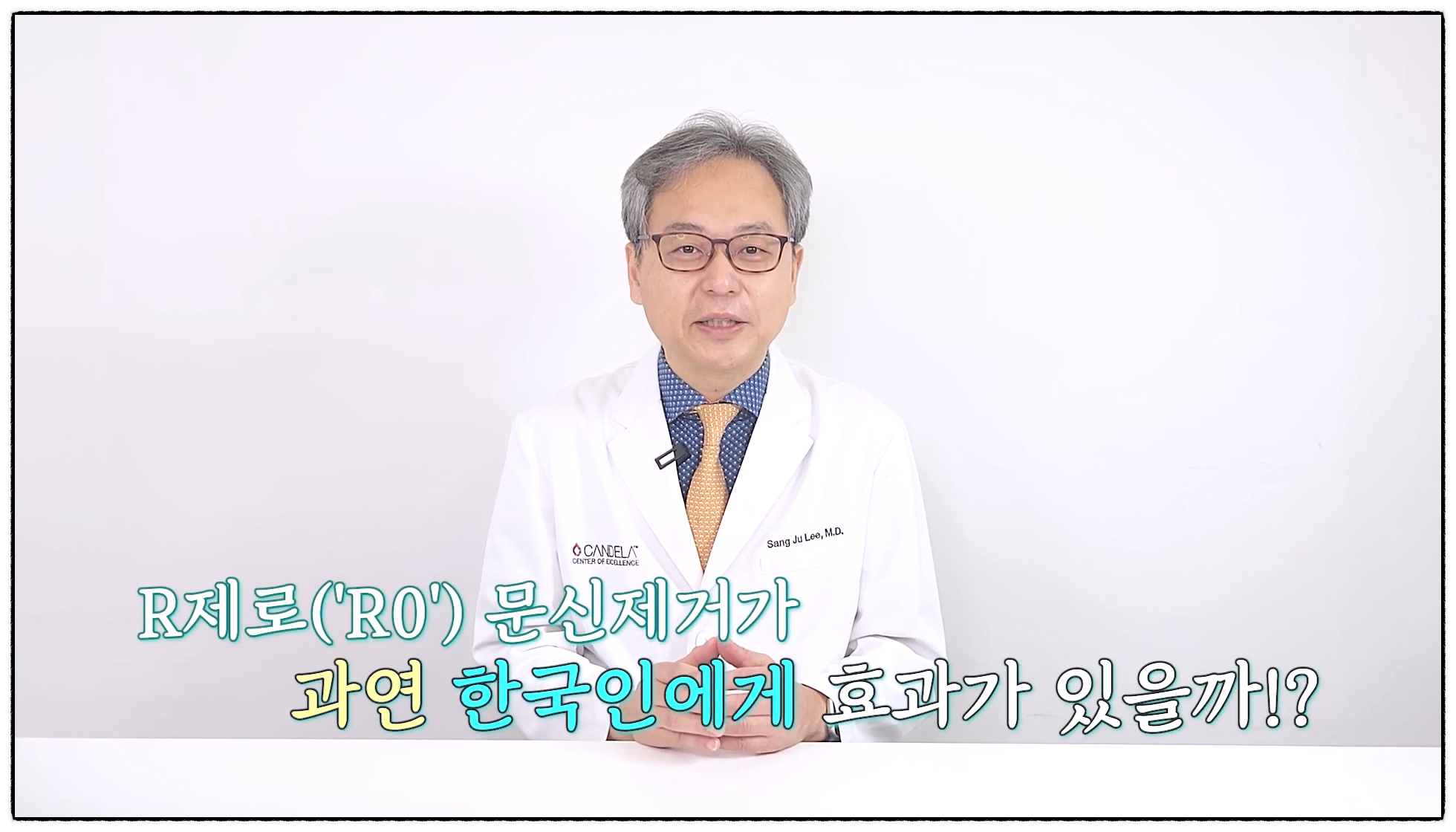
Our clinic's dermatologists and research team were the first in Korea to publish a clinical study on the R-Zero Tattoo Removal for Koreans in the Journal of the Korean Society for Laser Medicine and Surgery. This article summarizes the questions that initiated the research and what was confirmed.
First, the Principle of Tattoo Removal
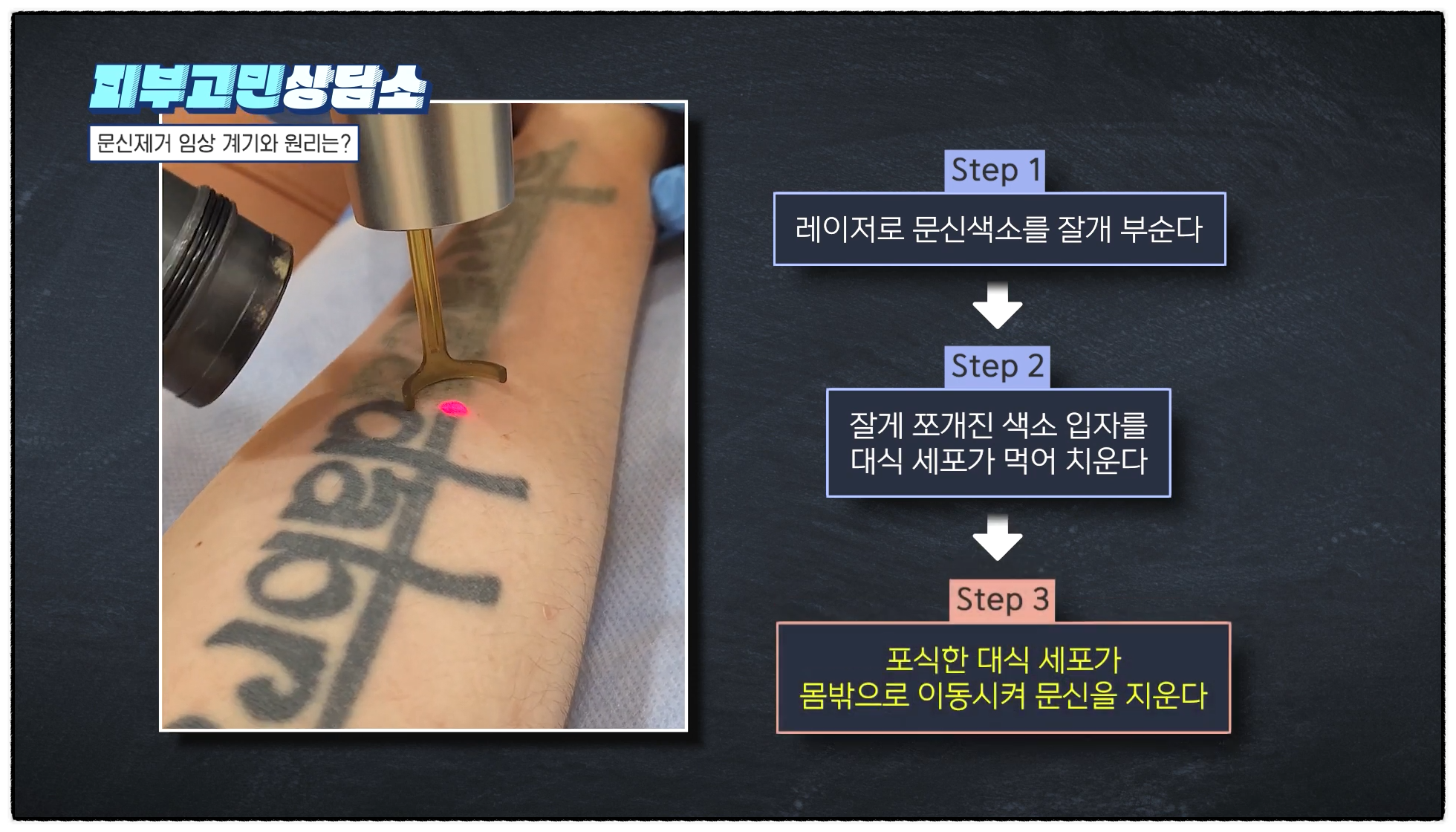
When tattoo pigment is broken down into tiny fragments by a laser, macrophages, our body's "clean-up cells," engulf these fragments and transport them away. This is how the pigment gradually disappears from the body.

Why it was necessary to stop after one laser shot
When a laser is irradiated, the pigment in the skin breaks down, creating white bubbles. These bubbles obstruct laser penetration, making it difficult to expect further effectiveness if the laser is used immediately again.
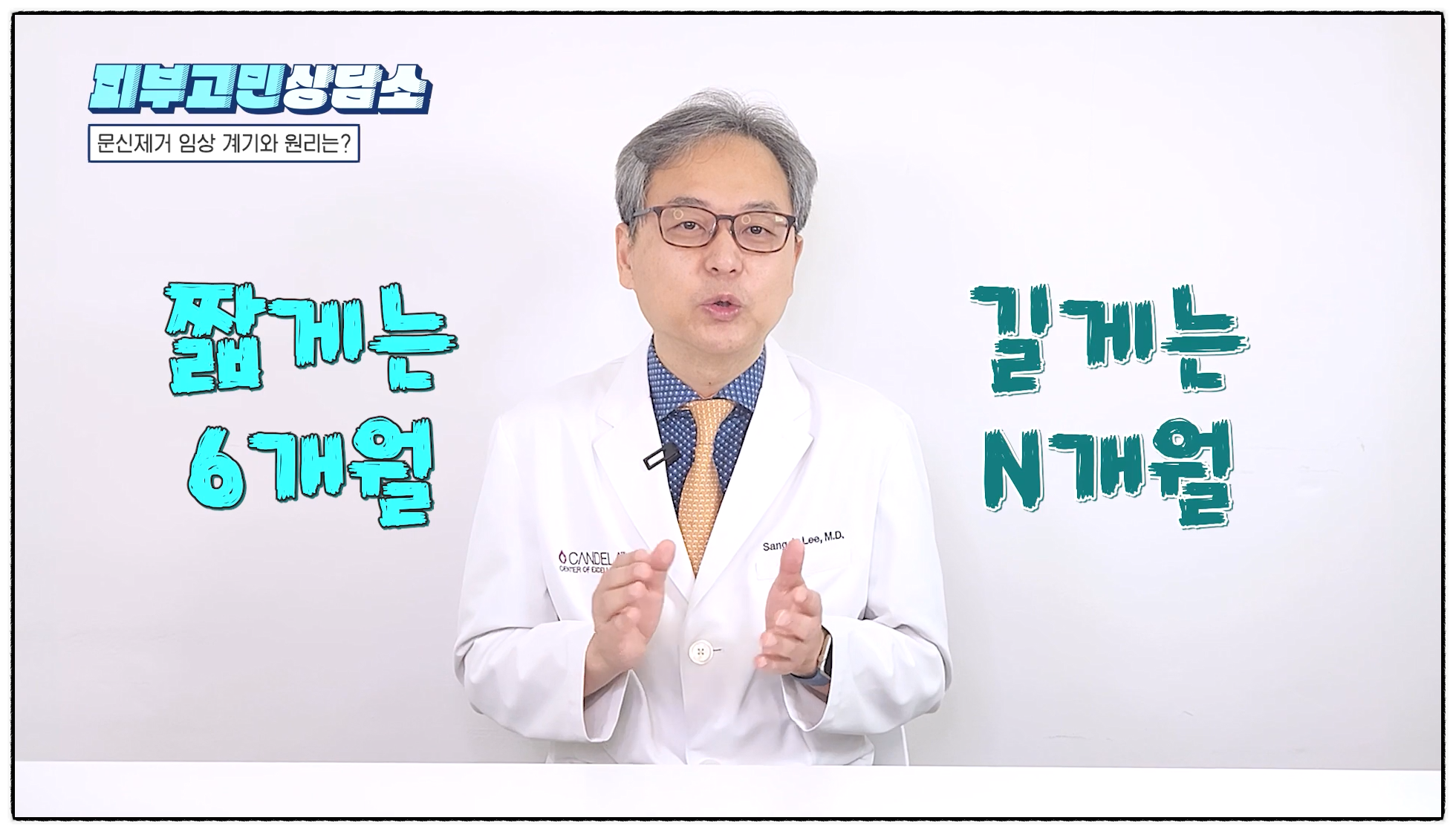
Therefore, complete tattoo removal typically requires 5 sessions, and sometimes more than 20 sessions. In terms of duration, this can take anywhere from 6 months to several years.
Special medication that absorbs bubbles
In 2013, a report from the United States indicated that applying a special medication to quickly dissipate bubbles allowed for repeated treatments up to four times in a single visit. The R-Zero Technique used by our clinic is precisely this method.
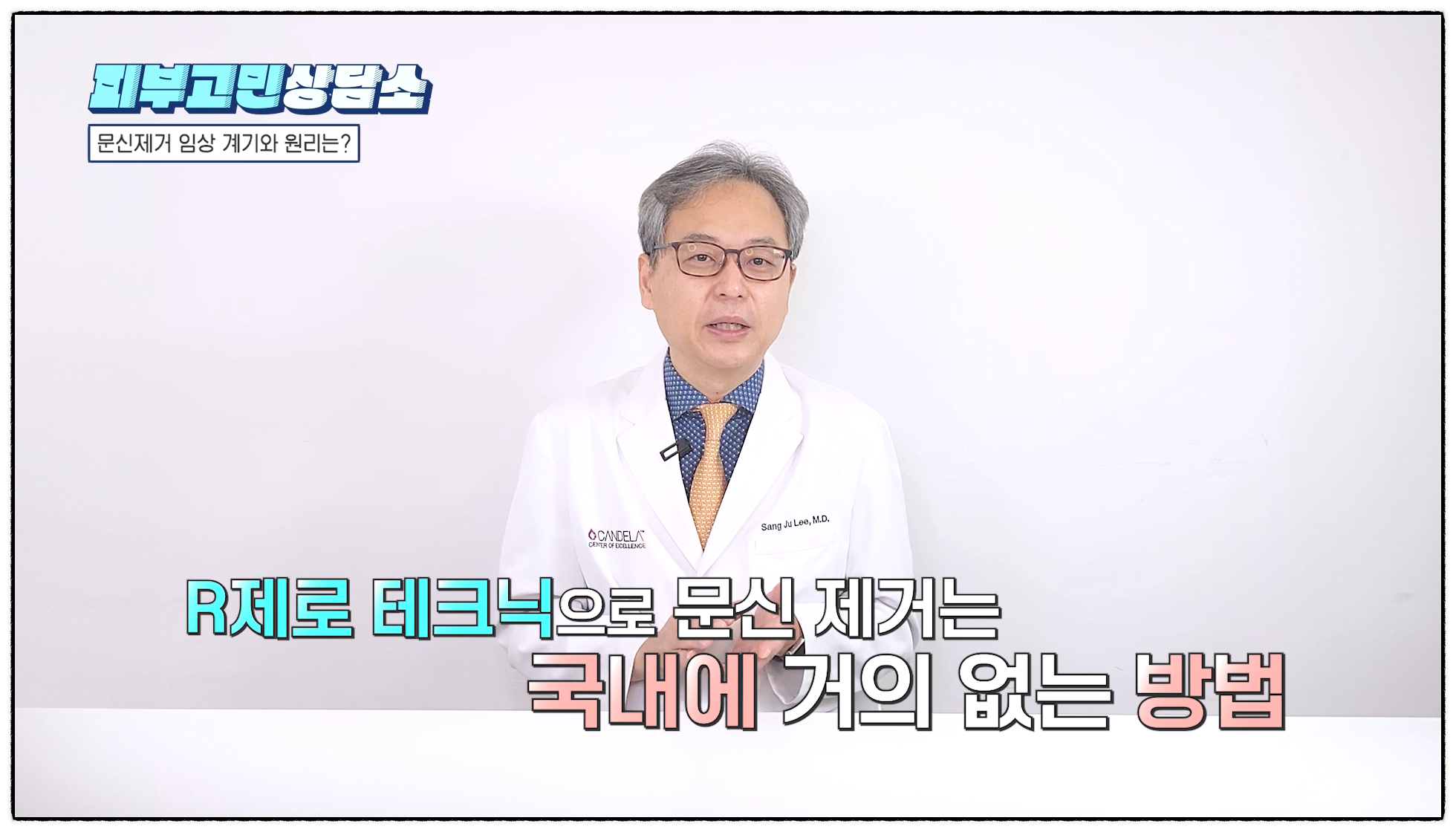
In Korea, it is difficult to even obtain the special medication that is central to the R-Zero Technique, so we understand that very few places operate using this method.
Consequently, there have been very few clinical trials and studies targeting Koreans. This is the background for our clinic's dermatologists and research team to conduct their own clinical trials.
How it differs from the existing method
| Item | Method of leaving bubbles as they are | R-Zero Technique |
|---|---|---|
| Irradiation per visit | 1 time | Up to 4 repetitions |
| Bubble treatment | Waiting for them to subside | Absorbed with special medication |
| Number of treatments required | Usually 5 to 20+ sessions | Sessions compressed by repeated irradiation |
| Duration | 6 months to several years | Aiming to reduce the number of sessions |

The clinical trial was designed as follows
- Conducted on 20 Koreans with tattoos
- Used a total of 4 wavelengths of picosecond laser, which breaks down pigment in femtosecond increments
- A total of 4 treatments at 4-week intervals
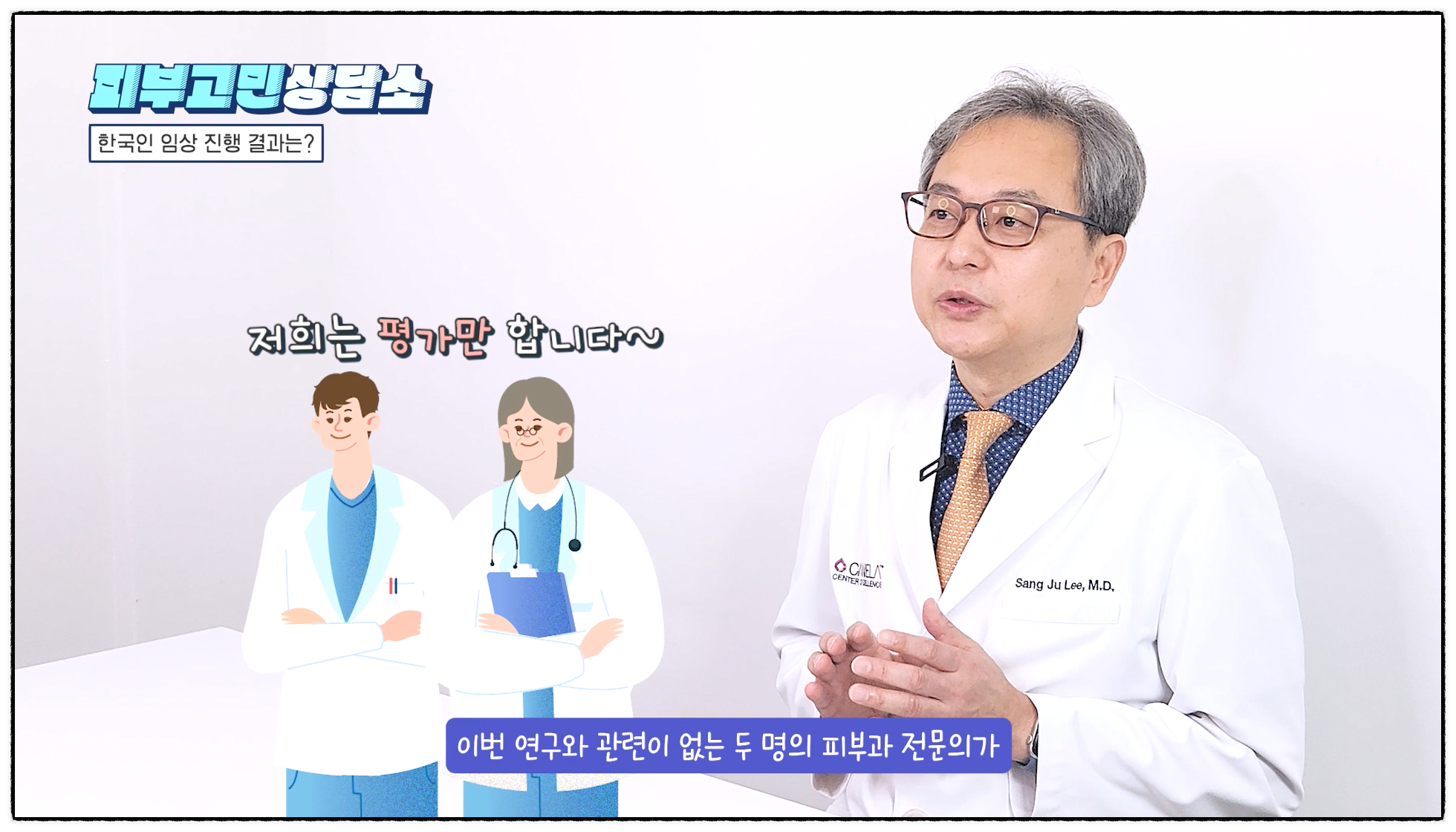
- Two dermatologists unrelated to the study evaluated before-and-after photos
How to interpret the results
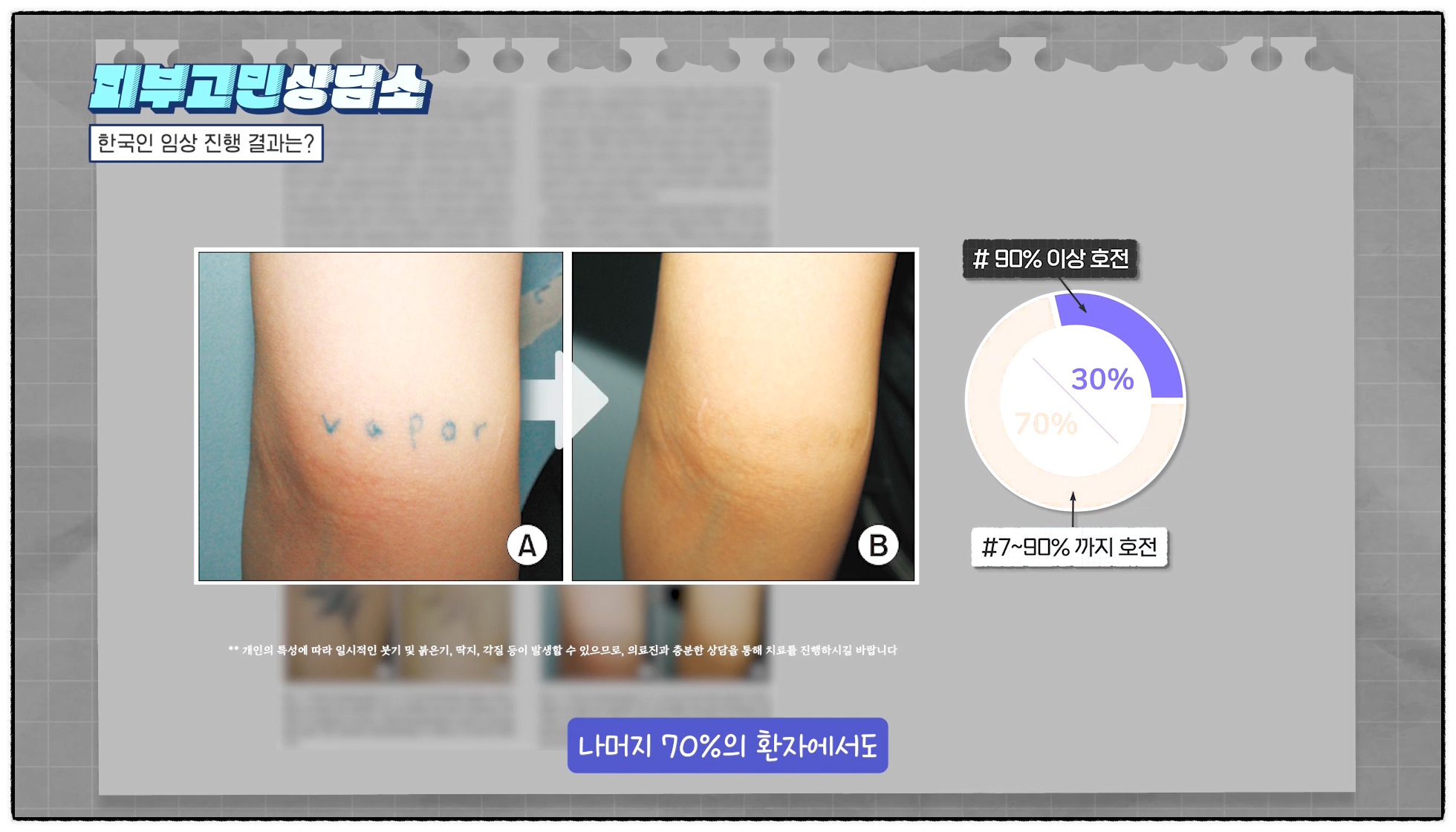
Even with only four treatments, a tendency for significant lightening of tattoos was observed. However, the degree of removal varied among participants, and individual differences may occur.
In terms of safety, temporary blisters or pigmentation were observed immediately after the procedure in some cases, but no long-term issues such as scarring were reported.
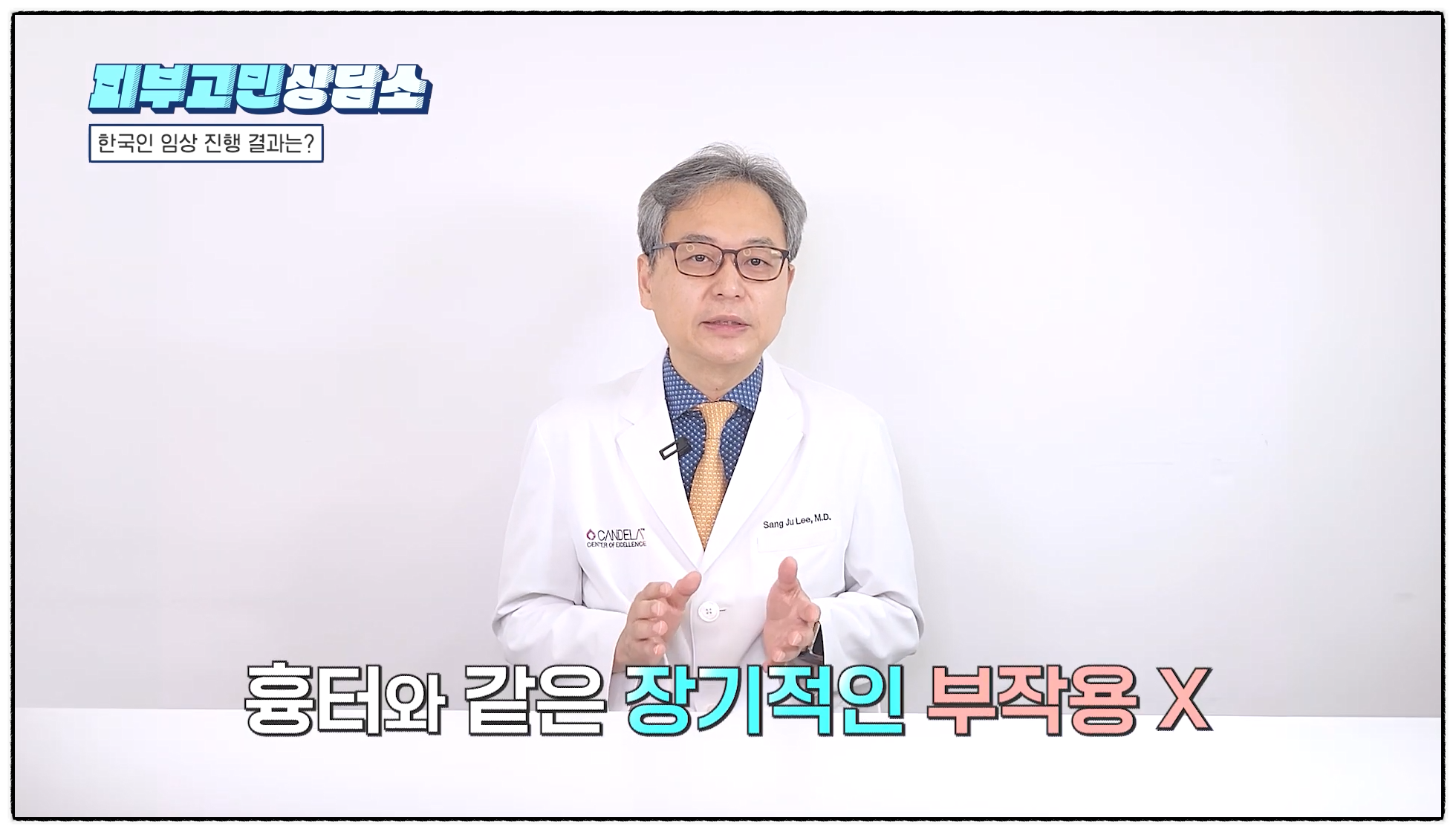
Will the skin be damaged if shot multiple times at once?
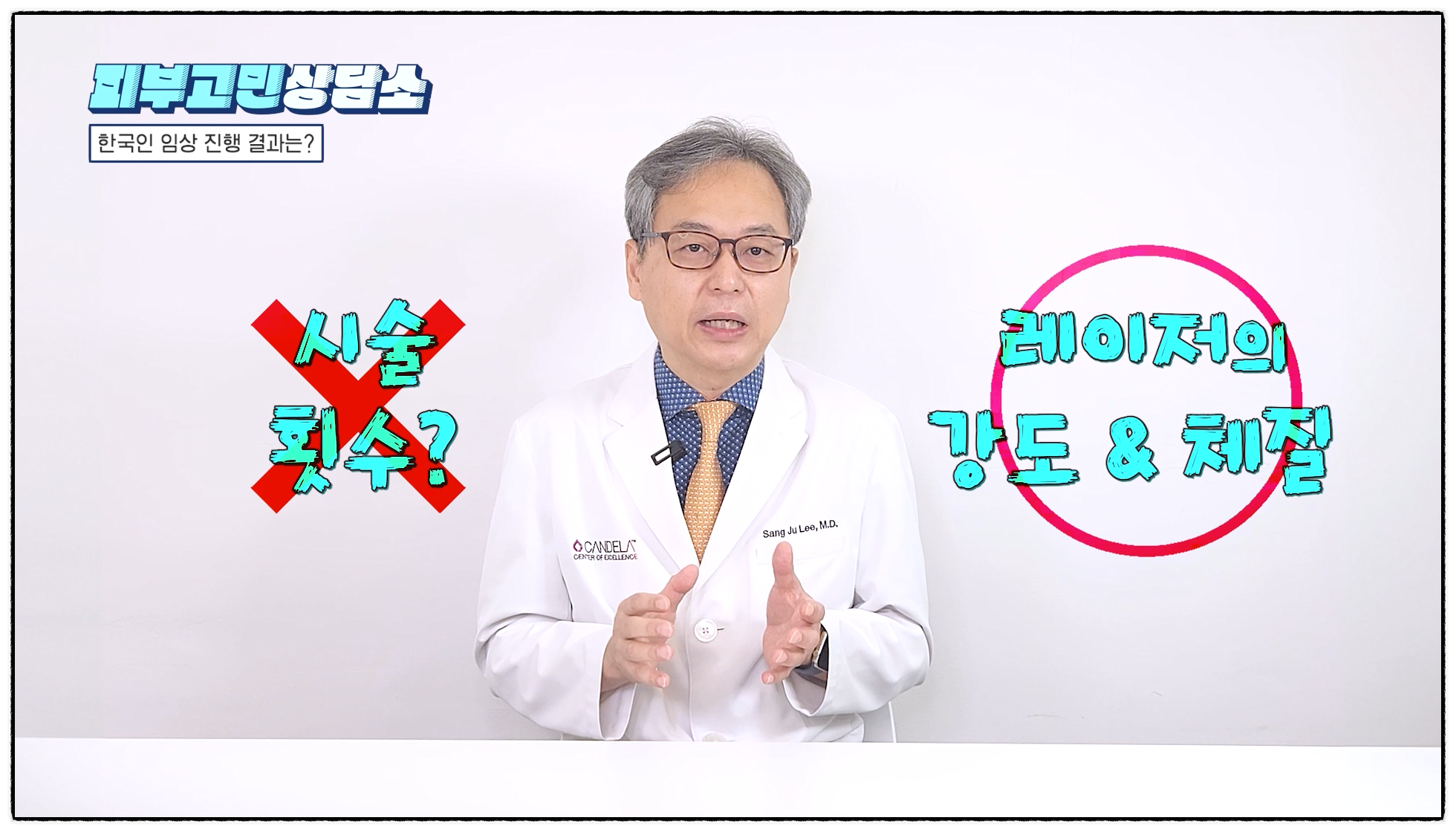
When you hear about multiple irradiations in one spot, you might first think of skin damage or scarring. However, the conditions for scarring are not in the number of times itself, but elsewhere.
Problems arise when the laser is excessively applied, or in individuals who are constitutionally prone to scarring. This means that even a single shot can leave a scar if the intensity is unreasonable. This is why it is the practitioner's responsibility to determine the appropriate intensity.
Future Plans
This clinical trial has provided evidence that the R-Zero Technique is applicable to Koreans. Given the lack of domestic research, we plan to continue studies focused on Koreans.
Equipment and treatment configurations are summarized in R-Zero Pico-Frectat Tattoo Removal, and the treatment flow is outlined in Tattoo Removal Treatment Guide. If you are curious about other methods, please also refer to Nd:YAG Tattoo Removal.

Authored and Medically Reviewed by Dr. Jinmoon Kang, Chief Director (Dermatologist) Graduated from Yonsei University College of Medicine · Completed residency in Dermatology at Severance Hospital · Former Professor at Bundang CHA Hospital Currently, Adjunct Professor at Yonsei University College of Medicine, Department of Dermatology · Member of the Korean Society for Laser Medicine and Surgery View Medical Staff Profile
First Published 2025-01-06 · Last Reviewed 2026-07-29
This article contains general medical information and does not substitute for individual diagnosis and treatment. Results and recovery progress may vary by individual.