


Initially, tattoos may look cool. However, over time, some people regret them and visit us for removal.
In the interim, some attempt removal at non-medical facilities, cover them with flesh-colored pigment, or try to remove them at home. Let's examine the problems with each of these methods.
How Pigment Exits the Body
Removal involves using a laser to destroy pigment particles injected into the dermis, which are then engulfed by macrophages and expelled from the body.
The finely fragmented particles are carried by these cells through the lymphatic vessels for excretion. This process gradually reduces the pigment remaining in the skin with repeated treatments.
The key here is to break down only the pigment into tiny fragments without affecting the surrounding tissue. This requires a dermatology laser device that possesses both destructive power and selectivity. The equipment configuration is detailed in the R-Zero Pico-Frectat Tattoo Removal guide and Nd:YAG Tattoo Removal.

The Difference Indicated by Equipment Price
Nowadays, searching online marketplaces reveals pico laser devices at low prices. Since they are easily accessible, some people try to use them themselves.
However, the pico laser devices used at our clinic cost between 100 and 200 million won each. It is worth reconsidering whether inexpensive devices sold online can offer the same stability and output.
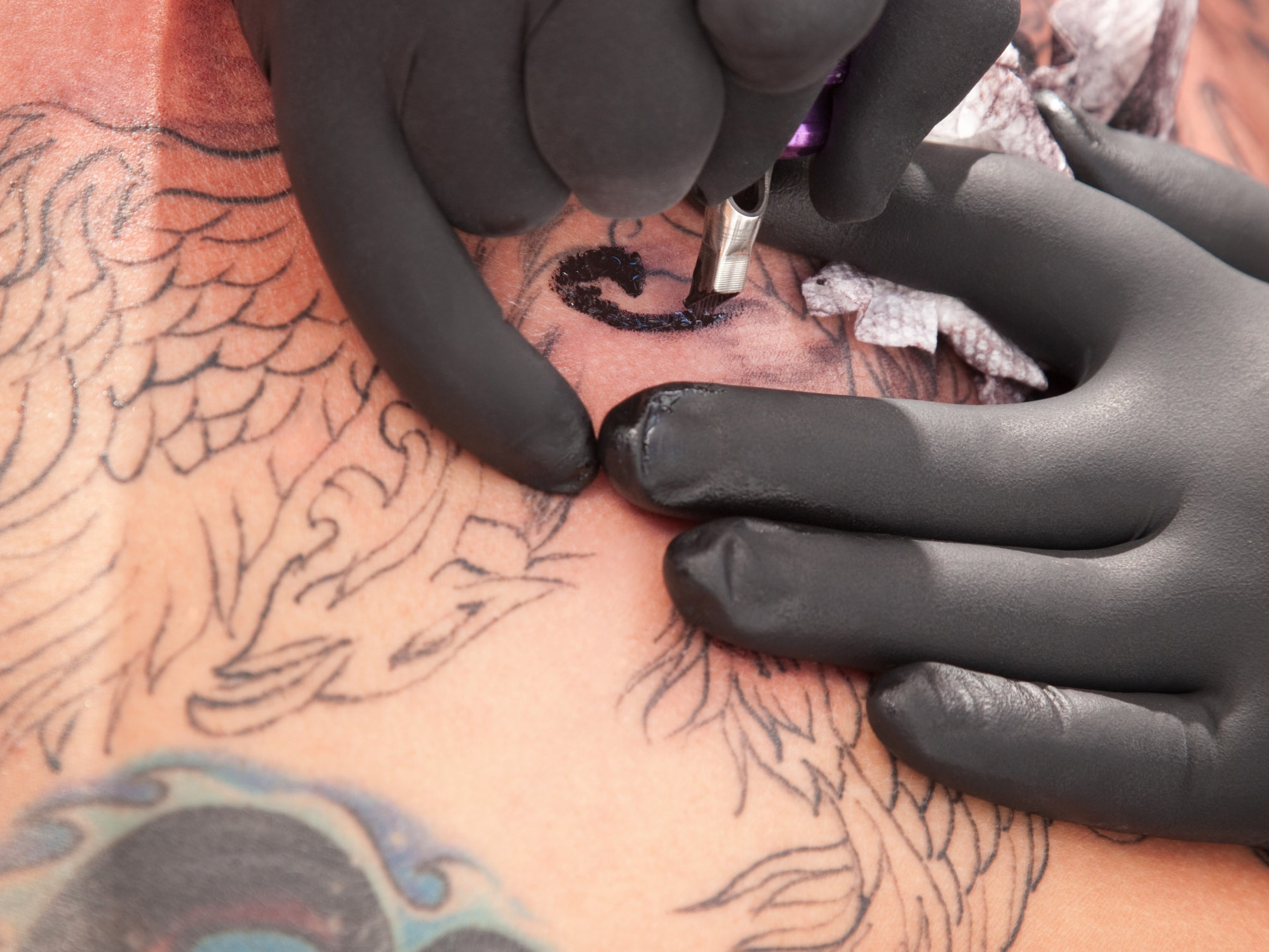
What Unverified Devices Leave Behind
It is difficult to verify two things about removal lasers sold online:
- Whether they react only to pigment and perform their intended function.
- Whether they cause damage to surrounding tissue.
More often, they cause tissue damage. We do not recommend attempting self-treatment with unverified devices.
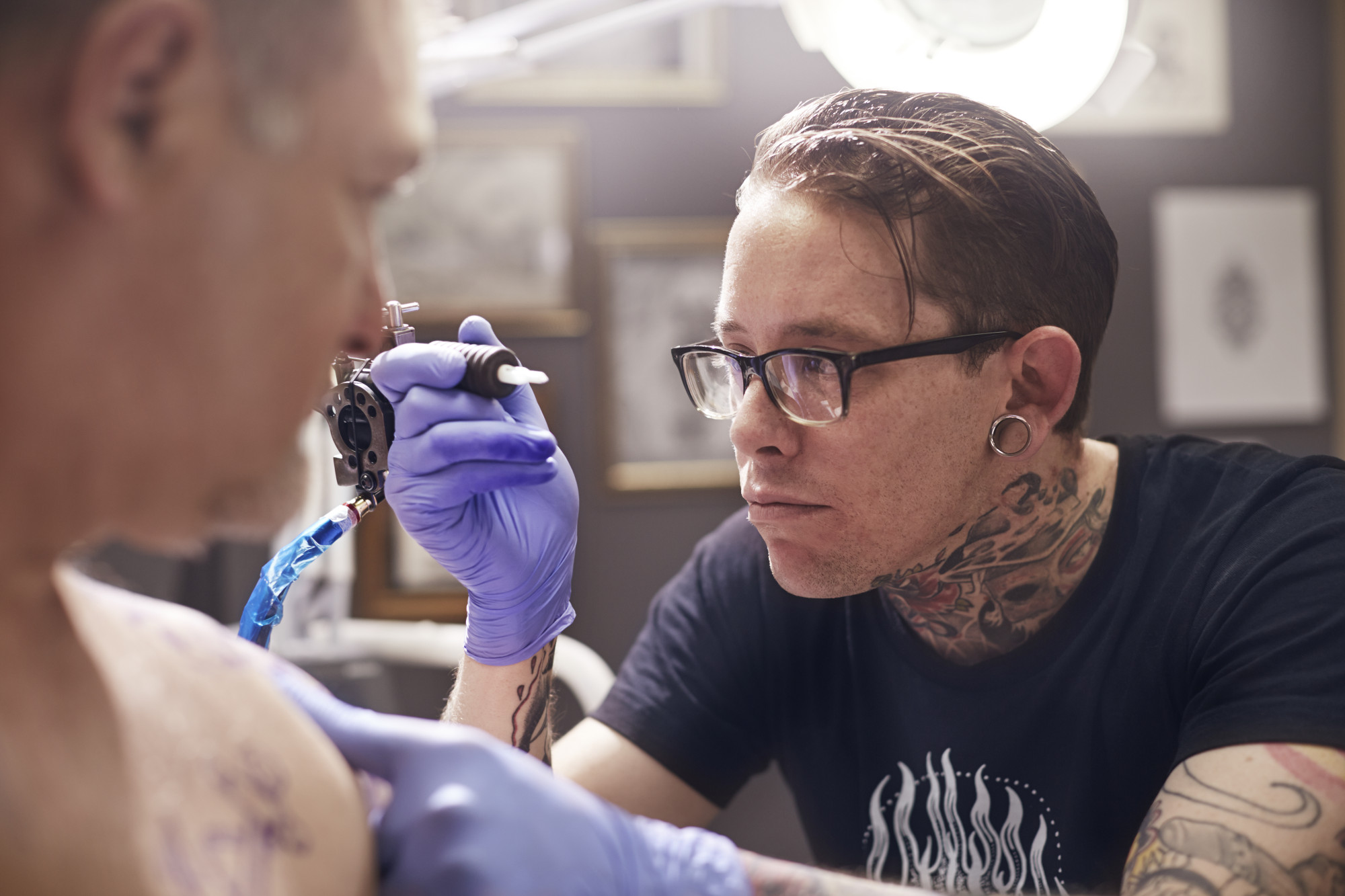
Covering with Flesh-Colored Pigment Doubles the Work
Flesh-colored cover-ups use a mixture of various colors. Even if pigment similar to skin tone is injected, it often differs from the actual skin tone after the procedure and can appear patchy.
If you want to remove it later, you will have to remove the tattoo and treat the skin concerns simultaneously, making it a much more difficult treatment.

Removal at Non-Medical Facilities
Tattoo removal performed at a shop, unless it is a medical institution, is strictly illegal. Since they use older methods rather than the latest techniques employed in dermatology clinics, scarring can be a disadvantage.
If scars have already formed, additional management will be required. More information can be found in the Pinhole for Burn & Surgical Scar treatment guide.
Where You Start Determines the Duration
If you want to see removal effects in a short period, it is better to proceed at a dermatology clinic equipped with proper devices rather than attempting self-treatment, flesh-colored cover-ups, or shop procedures.
| Method | Problems highlighted in this article |
|---|---|
| Self-treatment | Cannot confirm if it reacts only to pigment; risk of tissue damage |
| Flesh-colored cover-up | May differ from skin tone, appear patchy, and increase the amount to be removed |
| Shop procedure | Illegal if not a medical institution; older methods may result in scars |
| Dermatology consultation | Performed with equipment possessing destructive power and selectivity |
Information on how consultations proceed can be found in the Tattoo Removal Treatment Guide, and individual consultations can be arranged by chatting with us now.

Authored and Medically Reviewed by Dr. Jinmoon Kang, Head 원장 (Dermatologist) Graduated from Yonsei University College of Medicine · Former Professor at Bundang CHA Hospital · Current Adjunct Professor at Yonsei University Department of Dermatology Member of the Korean Dermatological Association · Member of the Korean Society for Aesthetic and Dermatologic Surgery · Author of "Medical Body Care" View Medical Staff Profile
First Published 2025-02-14 · Last Reviewed 2026-07-29
This article contains general medical information and is not a substitute for individual diagnosis and treatment. Results and recovery progress may vary from person to person.