


The collarbone is a highly visible area. While tattoos may look beautiful when first applied, many people change their minds over time.
Many consider removal due to reasons like employment or marriage, societal perceptions, or simply because the tattoo has faded over time. To avoid leaving traces, it's crucial to carefully select the removal method.
What a short pulse does to pigment particles
PicoWay is a tattoo removal device that uses picosecond technology. It utilizes much shorter pulses than traditional nanosecond lasers, breaking down pigment particles more finely.
Even when dealing with the same pigments, this approach minimizes damage to the surrounding skin, which can help reduce irritation and promote recovery.

Multiple colors require multiple wavelengths
A key feature of PicoWay is its wavelength configuration.
- 532nm
- 730nm
- 785nm
- 1064nm
By using these varied wavelengths, results can be expected even for challenging color tattoos like black, blue, and red. It can be even more efficient for multi-colored tattoos. You can compare device operations in the R-Zero Pico-Frectat Tattoo Removal guide and Nd:YAG Tattoo Removal.

Removing white bubbles changes the number of shots
When a laser is used for tattoo removal, white bubbles form on the skin. These bubbles obstruct continuous laser delivery, slowing down the procedure.
The R-Zero Technique is a technology that removes these bubbles with a special medication, allowing up to four laser shots to be delivered to a single spot.
| Item | Standard Shot Method | R-Zero Technique |
|---|---|---|
| Bubble Treatment | Wait for bubbles to subside | Removed with special ampoule |
| Shots per spot | 1 to 2 times | Up to 4 times |
| Next step | Re-treatment after recovery period | Continuous shots |
This can help reduce the overall treatment time and accelerate the rate at which the ink fades.
For any questions, please check Inquire via chat now.

Why it's more convenient to start in winter
Winter is a season when tattoos can be somewhat covered by clothing. Considering the time required to remove a tattoo, starting during this period can offer more flexibility.
Not just a simple procedure
As more people get tattoos as a fashion item, the number of people wanting to remove them is also increasing. However, removal should not be viewed as a simple procedure.
It requires an accurate diagnosis and plan based on characteristics such as skin condition, ink volume, and ink type. The sequence of consultations is outlined in the Tattoo Removal Treatment Guide.
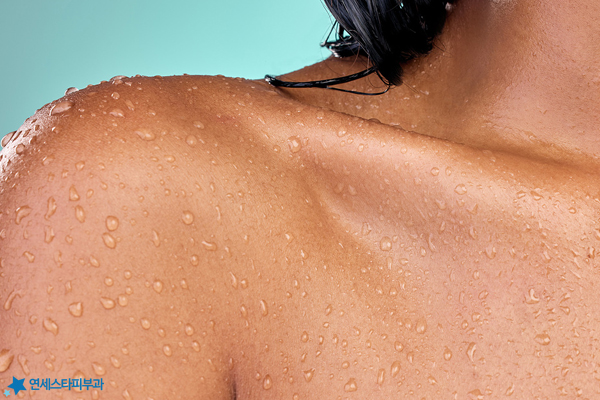
Minimizing the risk of scars and blisters
To prevent reactions such as scars or severe blisters during the removal process, we recommend undergoing treatment at a facility equipped with safe devices and a well-planned treatment approach. If you are particularly concerned about scarring, you may also want to review the Pinhole for Burn & Surgical Scar treatment guide.

Authored and Medically Reviewed by Representative Director Dr. Jinmoon Kang (Dermatologist) Graduated from Yonsei University College of Medicine · Completed Dermatology Residency at Severance Hospital · Former Professor at Bundang CHA Hospital Member of the Korean Society for Medical Lasers · Member of the Korean Society for Aesthetic and Dermatologic Surgery View Medical Staff Profile
First Published 2025-12-23 · Last Reviewed 2026-07-29
This article contains general medical information and is not a substitute for individual diagnosis and treatment. Results and recovery may vary from person to person.