

When seasons change, the outer arms or thighs can develop a bumpy texture, much like chicken skin, and the rough feeling can be bothersome. A significant portion of these changes stems from what we commonly call Keratosis Pilaris. The first question that usually comes to mind is: Is this just dead skin, or does it require treatment? To put it simply, keratosis pilaris is not merely a dead skin cell issue but a chronic change around the hair follicles, and a consistent management approach is more realistic than aiming for complete eradication.
Keratosis Pilaris is Not Just Dead Skin Cells
Keratosis pilaris is a skin condition characterized by a bumpy texture, like chicken skin, on the arms, thighs, and buttocks. While the surface may appear like old dead skin, it actually involves a complex interplay of sebum, keratin, and chronic inflammatory reactions around the hair follicles. The area around the hair follicles, where hair grows, undergoes hyperkeratosis, meaning an excessive buildup of keratin, leading to a rough and uneven surface.

Therefore, scrubbing vigorously will not make it smooth. Even if the surface keratin is removed, if the hyperkeratosis and inflammatory process inside the hair follicles remain, the same texture will reappear within a few days. Viewing chicken skin solely as a dead skin cell removal problem can actually worsen the condition due to irritation.
Why It Occurs and What Worsens It
Understanding the process in stages makes it easier to grasp.
Excessive keratin production around the hair follicles blocks the pores, resulting in an uneven surface.
Subsequently, if inflammatory reactions repeatedly occur around the sebum and hair, this condition can become increasingly fixed. Genetic predisposition can also play a role, and prolonged dry skin conditions, such as low humidity and environments where dead skin cells easily accumulate, can act as a cause of keratosis pilaris and further exacerbate the condition. This is also why it becomes particularly noticeable during seasonal changes.
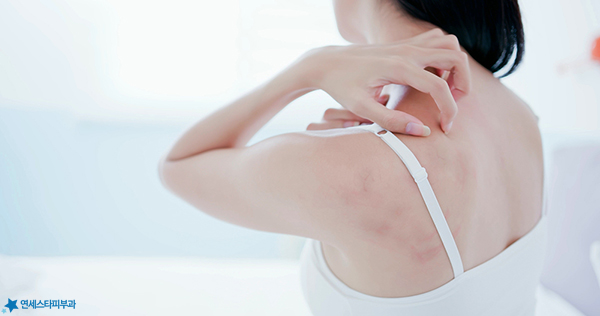
In clinical practice, it is often difficult to attribute chicken skin to a single cause. This is because excessive keratin, clogged pores, inflammation, and dryness are mixed in different proportions for each individual. Therefore, even for the same chicken skin condition, the required management approach may vary slightly.
Why is Management More Realistic Than a Complete Cure?
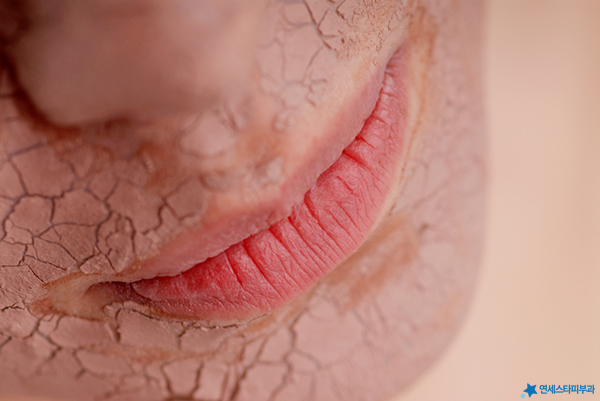
In modern medicine, consistent management of keratosis pilaris is considered a more realistic alternative than complete eradication. This is because structural changes in keratin and pores, along with inflammatory reactions, are complexly intertwined, making it difficult to resolve with a single treatment.
In a condition where it is difficult to pinpoint the exact cause, there is a possibility that it may reappear if not sufficiently managed. Therefore, approaching it from a long-term management perspective rather than trying to finish it in a short period is helpful. As there can be individual differences, understanding your skin condition first is the initial step.
If you have any questions, inquire about chicken skin management via chat consultation
In-Clinic Treatment Management
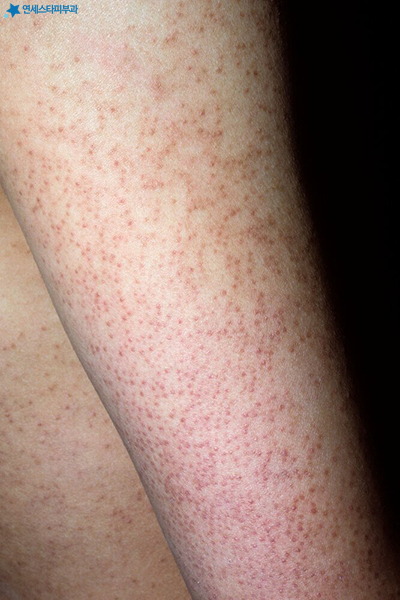
In dermatology clinics, depending on the condition, laser exfoliation, peeling treatments, or light therapies like IPL may be utilized. This approach, such as Keratosis Pilaris Treatment, focuses on refining the rough texture and unclogging pores on the surface.
However, if treatments are received without subsequent ongoing care, there is a risk of recurrence as keratin can build up again. Even with professional help to relatively quickly refine the skin texture, post-treatment care must be added to maintain that state for a longer period. While it varies depending on the condition and cause, cases of improvement over several weeks to months with consistent management are reported.
Home Care Routine to Continue at Home
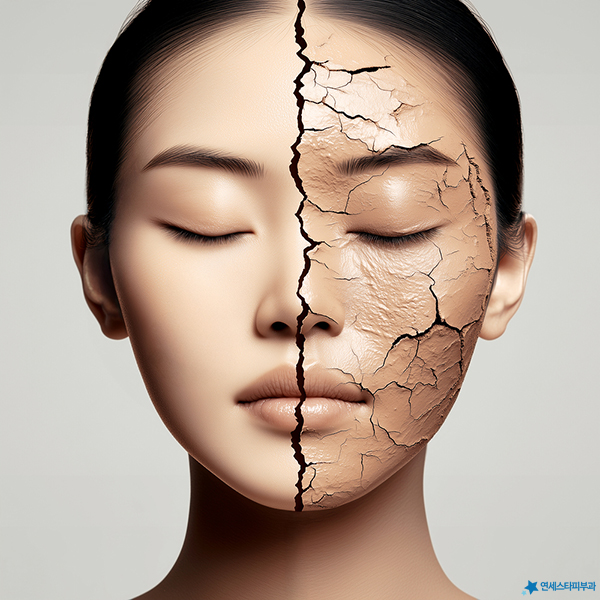
To maintain the effects of treatment for a long time, habits at home are crucial. Take care of the following items in your daily life:
- Exfoliation: Use gentle scrubs or AHA/BHA products to refine dead skin cells, without overdoing it.
- Moisturizing: When the stratum corneum thickens and clogs, moisturizing becomes difficult, so ensure sufficient hydration and oil balance.
- Avoid friction and irritation: Reduce tight clothing, rough fabrics, and habits of scratching or rubbing.
- Lifestyle habits: Maintaining appropriate humidity, avoiding drastic temperature changes, and managing stress all affect overall skin condition.

The key to home care is frequent gentle care, not strong one-time efforts. Trying to remove everything at once can make the area around the pores more sensitive, so consistently repeating a low-irritation routine is more stable.
When to Visit a Clinic

If the texture does not improve despite consistent care, or if pigmentation or inflammation remains, it is advisable to visit a clinic promptly to assess the condition and begin active management tailored to you. In particular, pigmentation can remain after exfoliation and inflammatory reactions, so early attention as a preventive measure before it sets in can be helpful. If marks remain, you can discuss pigment management options such as Epidermal Pigment Removal.
This approach not only alleviates the symptoms of chicken skin but also plays a positive role in restoring overall skin condition. Examining not only the rough texture but also the state of the pores themselves can make the management direction clearer.
If you have any questions, inquire about chicken skin and pigment management via chat consultation
In Summary

Keratosis pilaris can be a sign of skin health beyond just an aesthetic issue. It is recommended to establish a daily routine for moisturizing and exfoliation, and if the texture is prominent or marks remain, consult with a dermatologist to review treatment options. The key is to create a management routine that can be maintained for a long time without being burdensome, rather than aiming for perfect removal.

Chief Director Lee Sang-ju (MD, PhD, Yonsei University College of Medicine and Graduate School, completed dermatology residency at Severance Hospital, President of the Korean Dermatological Association) Chief Director Lee Sang-ju's Profile First published 2025-10-30 / Last reviewed 2026-06-16 This article provides general information, and symptoms and improvement patterns may vary by individual. Please consult with medical staff for accurate diagnosis and treatment.