


Old-school tattoos are a traditional style of tattooing that spread among sailors and soldiers in the early 1900s. They are characterized by symbolic images like anchors, skulls, roses, and eagles, expressed with bold, clear outlines and intense primary colors.
Thanks to this classic appeal, many people still choose them, but when they decide to remove them, the situation can often be more challenging than with other tattoos.
What's Inside the Bold Outline?
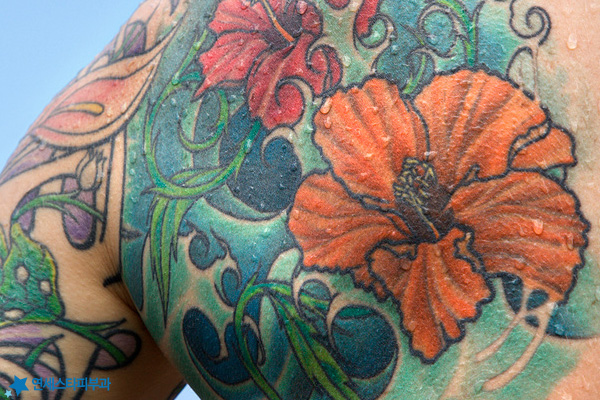
| Old-School Characteristics | Significance in the Removal Process |
|---|---|
| Ink is densely and deeply filled in thick lines | Not just a large area, but a high total amount of pigment, increasing the total volume of particles the laser needs to break down |
| Mix of primary colors like red, yellow, and blue | Each color reacts to a different wavelength, making it difficult to address them simultaneously with a single wavelength, complicating the process |
| Colors remain vivid even after many years | This means the pigment is stably embedded deep in the dermis, requiring the laser to reach deeper layers |
The reason old-school tattoo removal is challenging is that high ink density, complex color composition, and deep, stable pigment penetration all work simultaneously within one design.
To Erase More in One Session
For tattoos with a large amount of dense pigment, it can be difficult to break down enough pigment in one session using only conventional laser treatment methods. The R-Zero Technique is gaining attention as a way to overcome this limitation.
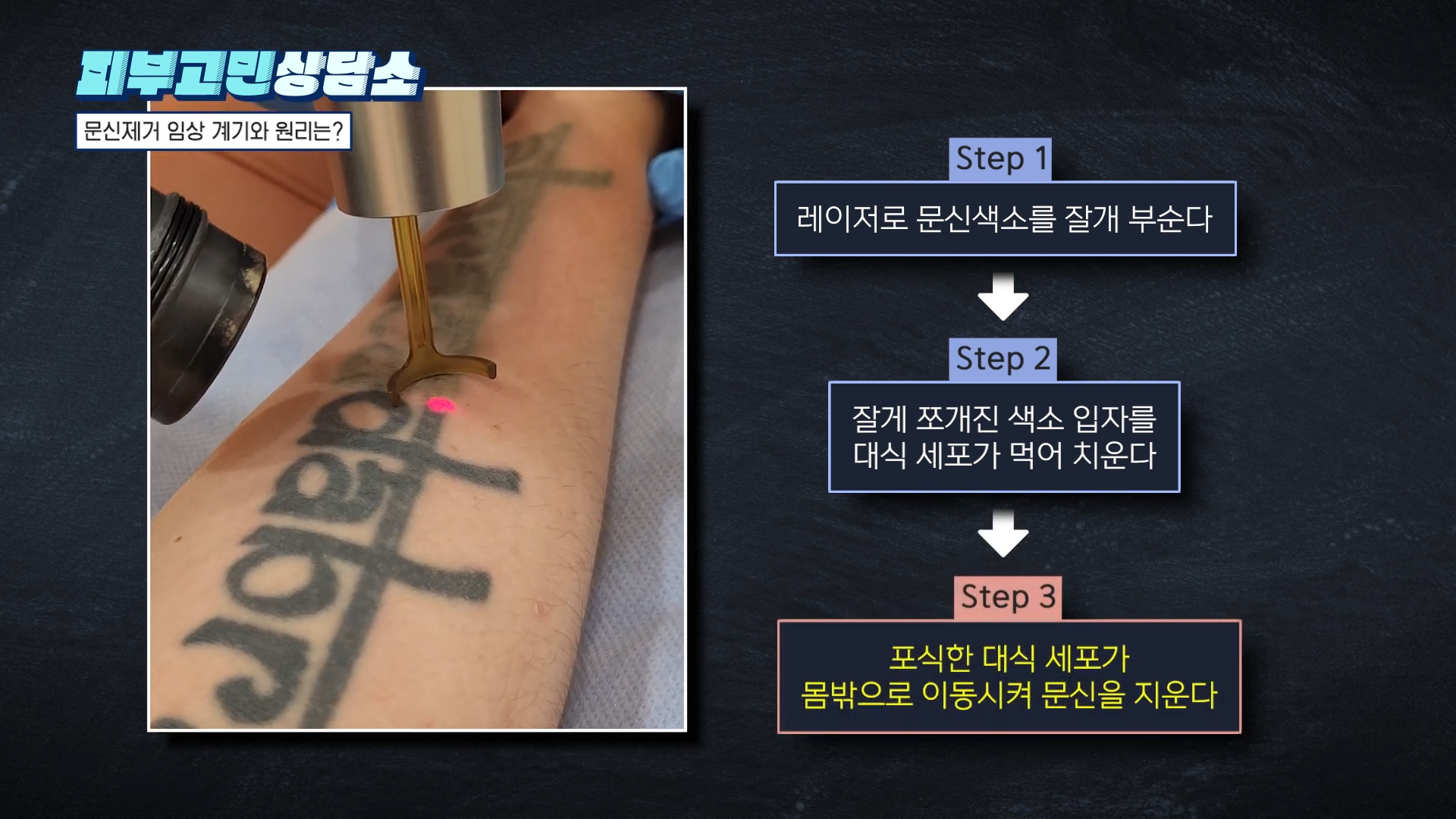
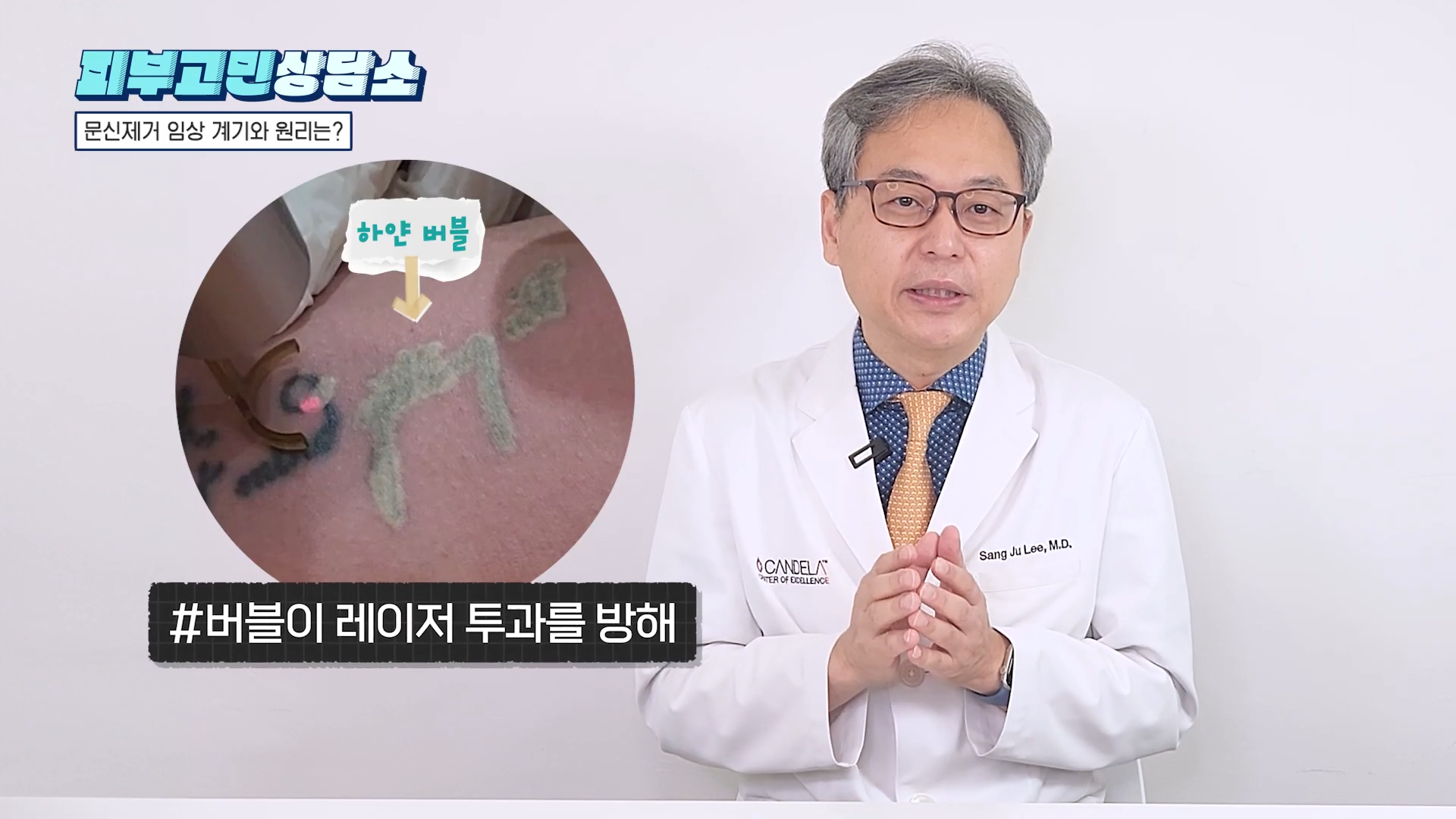

When a laser is applied for tattoo removal, white bubbles form on the skin's surface, obstructing laser penetration. This creates an environment where continuous treatment in one go is difficult. The R-Zero Technique involves applying a special medication immediately after irradiation to quickly clear these bubbles, then re-irradiating once the penetration path is secured.
By clearing the bubbles and repeating, continuous irradiation up to 4 times in one session may be possible.
However, the number of R-Zero Technique applications is determined by the medical staff based on the individual's skin condition and tattoo characteristics. Sufficient consultation before the procedure is necessary. The technique's composition is summarized in the R-Zero Pico-Frectat Tattoo Removal guide.
Why Different Lights for Different Colors

Old-school tattoos feature various primary colors and thick, dark outlines. This is why selecting equipment that can respond to multiple wavelengths is important for efficient removal.
Recently, picosecond lasers, which can break down pigments into finer particles for expulsion, are widely used. This characteristic is advantageous for reducing the burden on surrounding skin in the removal of dense tattoos like old-school ones, which often require repeated treatments.
Among them, PicoWay supports various wavelengths, including 532nm, 730nm, 785nm, and 1064nm. This allows for targeting each color, from black outlines to red, blue, and yellow pigments, with the appropriate wavelength. Equipment with different wavelength configurations can be compared in the Nd:YAG Tattoo Removal guide.
When Pinhole Technique is Used Concurrently
In the process of old-school tattoo removal, laser treatment and the Pinhole Technique may be combined. The Pinhole Technique involves creating very fine holes in the skin with a CO2 laser to induce skin regeneration, which helps the pigment naturally fade. More details can be found in the Pinhole for Burn & Surgical Scar treatment guide.
The combination of the R-Zero Technique, PicoWay, and the Pinhole Technique is utilized to increase the efficiency of old-school tattoo removal while reducing the risk of side effects such as scarring and blistering.
Items to Check Before Starting
While laser treatment is widely used for tattoo removal, satisfaction with the results can vary depending on several factors.
- Equipment used and supported wavelengths
- Treatment method within a session
- Practitioner's judgment and experience
We recommend thoroughly checking these items before starting. You can continue with the treatment flow in the Tattoo Removal Treatment Guide and individual questions via Chat with us now.

Authored · Medically Reviewed by Representative Director Dr. Kang Jin Moon (Dermatologist) Currently Adjunct Professor, Department of Dermatology, Yonsei University College of Medicine · Formerly Professor, Bundang CHA Hospital Resident in Dermatology, Severance Hospital · Author of "Medical Body Care" View Medical Staff Profile
First Published 2026-07-14 · Last Reviewed 2026-07-29
This article contains general medical information and does not substitute for individual diagnosis and treatment. Results and recovery progress may vary from person to person.