
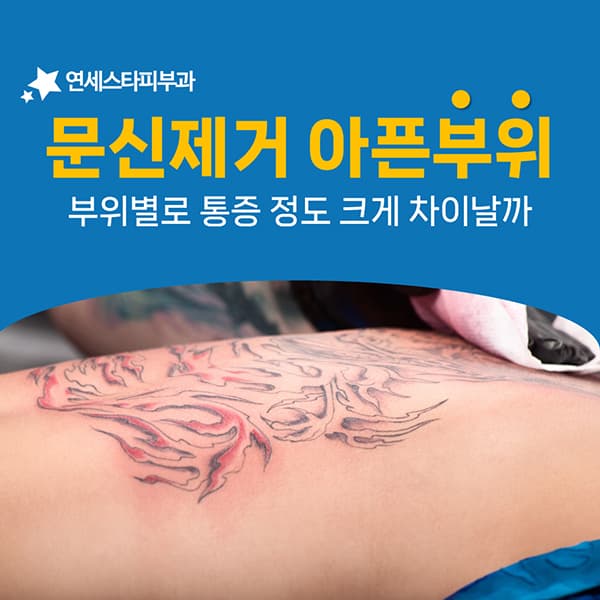
Even with the same laser equipment and energy settings, the perceived pain can vary depending on the area. Many people say that a tattoo on the arm was bearable, but one on the ankle or collarbone was much more painful.
The intensity of perceived pain is largely influenced by three factors.
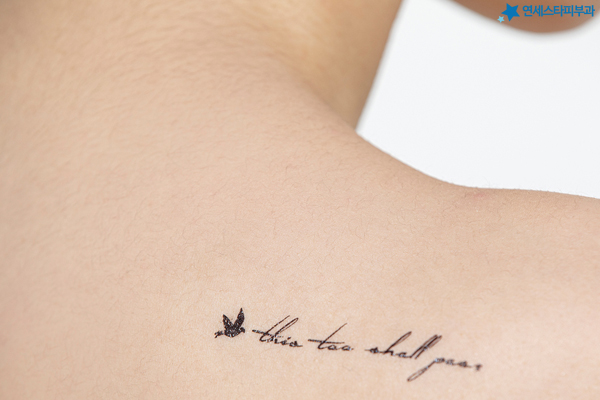
Three Conditions That Determine Perceived Pain
| Condition | How it works | Areas where it's more likely to apply |
|---|---|---|
| Thickness of subcutaneous fat and muscle layer | Thicker fat means less direct stimulation to bones or nerves; if it's thin and close to bone, stimulation is more directly transmitted | Wrist, ankle, collarbone, near the spine |
| Nerve distribution density | Areas with dense sensory nerves react more sensitively to skin stimulation | Fingers, toes, behind the ear, neck |
| Skin thickness | Thinner skin allows laser energy to reach the dermis more directly | Eyelids, ears, collarbone |
Even with the same intensity of laser, it may be perceived as stronger pain in areas with dense sensory nerves.

Choosing Anesthesia Methods
There are points to consider when removing tattoos from sensitive areas. First, anesthesia.
- Many medical institutions apply Topical Anesthetic Cream before the procedure. After a certain period, skin sensation becomes dulled, which can help reduce perceived pain by adjusting the timing.
- Anesthesia using nitrous oxide is safe enough for immediate return to daily life after the procedure and is widely used in hospitals for purposes other than tattoo removal.

Cooling Devices and Output Adjustment
Using a cooling device during the procedure can help reduce pain signal transmission by lowering skin temperature. Some equipment has this function built-in, while others use it separately. This can make the procedure relatively comfortable as skin temperature does not rise rapidly.
Energy output is also subject to adjustment. For sensitive areas, the first treatment may involve setting the energy low to observe the skin's reaction. Using excessively high output can increase the risk of side effects rather than effectiveness.
Dividing the Area and Speed
Treating a large area at once can increase cumulative pain. For sensitive areas, methods such as dividing the treatment area or separating it into multiple sessions with sufficient rest are sometimes used.

Reducing the Number of Sessions is Also a Pain Management Strategy
Pain is an unavoidable factor, but by understanding the characteristics of each area in advance and discussing thoroughly with the medical staff, the procedure can be more comfortable.
Choosing equipment like PicoWay Laser, which breaks down ink much faster than conventional methods, is also an important factor in pain reduction. Additionally, methods like R-Zero, which effectively reduce the number of treatment sessions, can remove tattoos in fewer visits. When the number of repetitions is reduced, the burden on relatively painful areas can be significantly alleviated.
Equipment and method configurations can be found in R-Zero Pico-Frectat Tattoo Removal, and other approaches in Nd:YAG Tattoo Removal.
Please Mention it During the Consultation
The most important thing is a thorough pre-consultation with a specialist who has extensive knowledge and experience in tattoo removal. Especially if you have concerns about pain in a specific area, please mention it during the consultation. A personalized plan, including anesthesia methods and output adjustment, is necessary.
The treatment flow is summarized in Tattoo Removal Treatment Guide. You can also let us know in advance which area you are concerned about by chatting with us now.
Authored · Medically Reviewed by Dr. Jinmoon Kang, Chief Director (Dermatologist) Graduated from Yonsei University College of Medicine · Former Professor at Bundang CHA Hospital Currently Adjunct Professor at Yonsei University Department of Dermatology · Member of the Korean Dermatological Association View Medical Staff Profile
First Published 2026-03-19 · Last Reviewed 2026-07-29
This article contains general medical information and does not substitute for individual diagnosis and treatment. Results and recovery may vary by individual.