
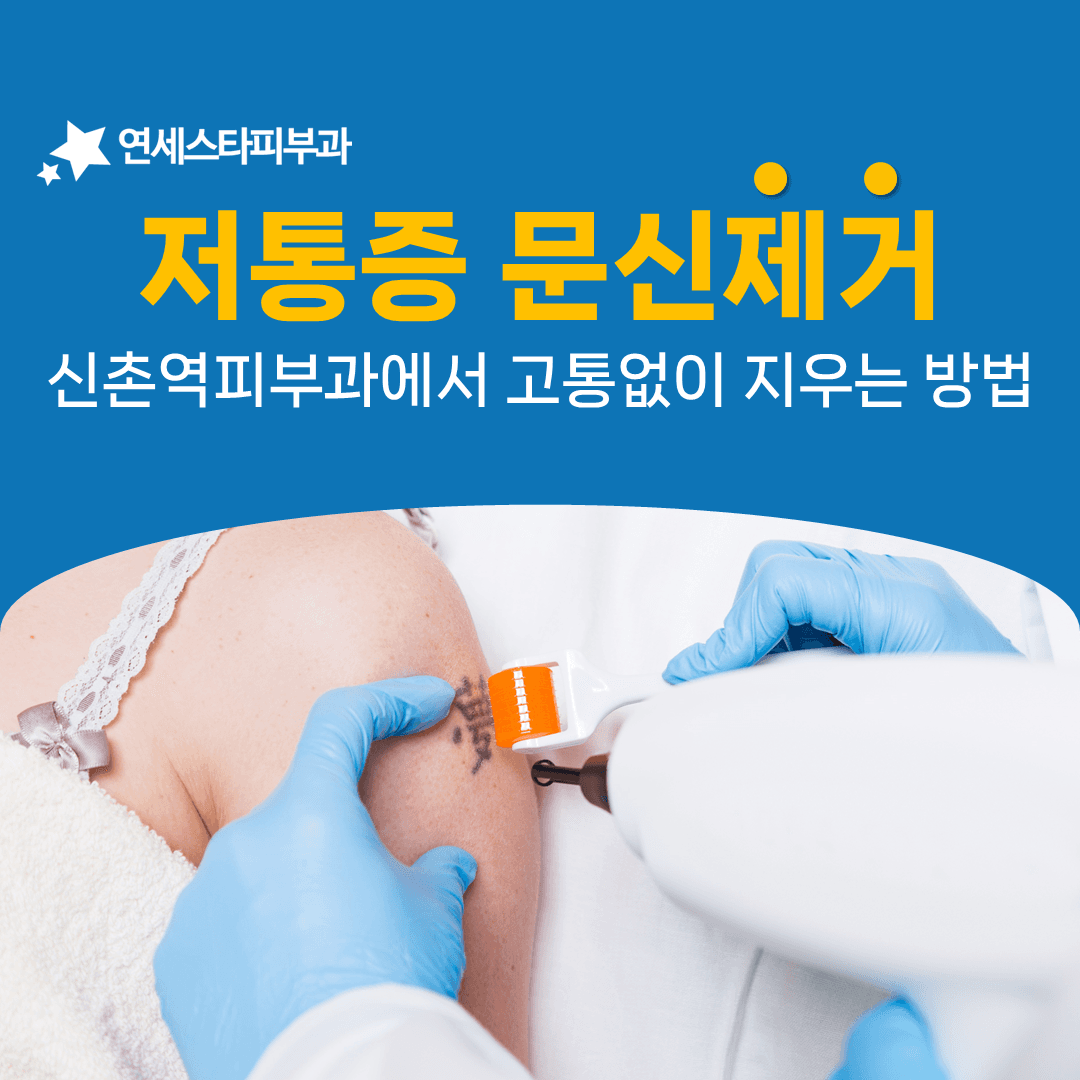
For those considering tattoo removal, pain is often the biggest concern. It's not uncommon for people to delay their decision due to fear of pain rather than the procedure itself.
Yonsei Star Dermatology Sinchon has continuously researched how to reduce pain during tattoo removal. We've compiled and introduced the low-pain system we operate as a result.
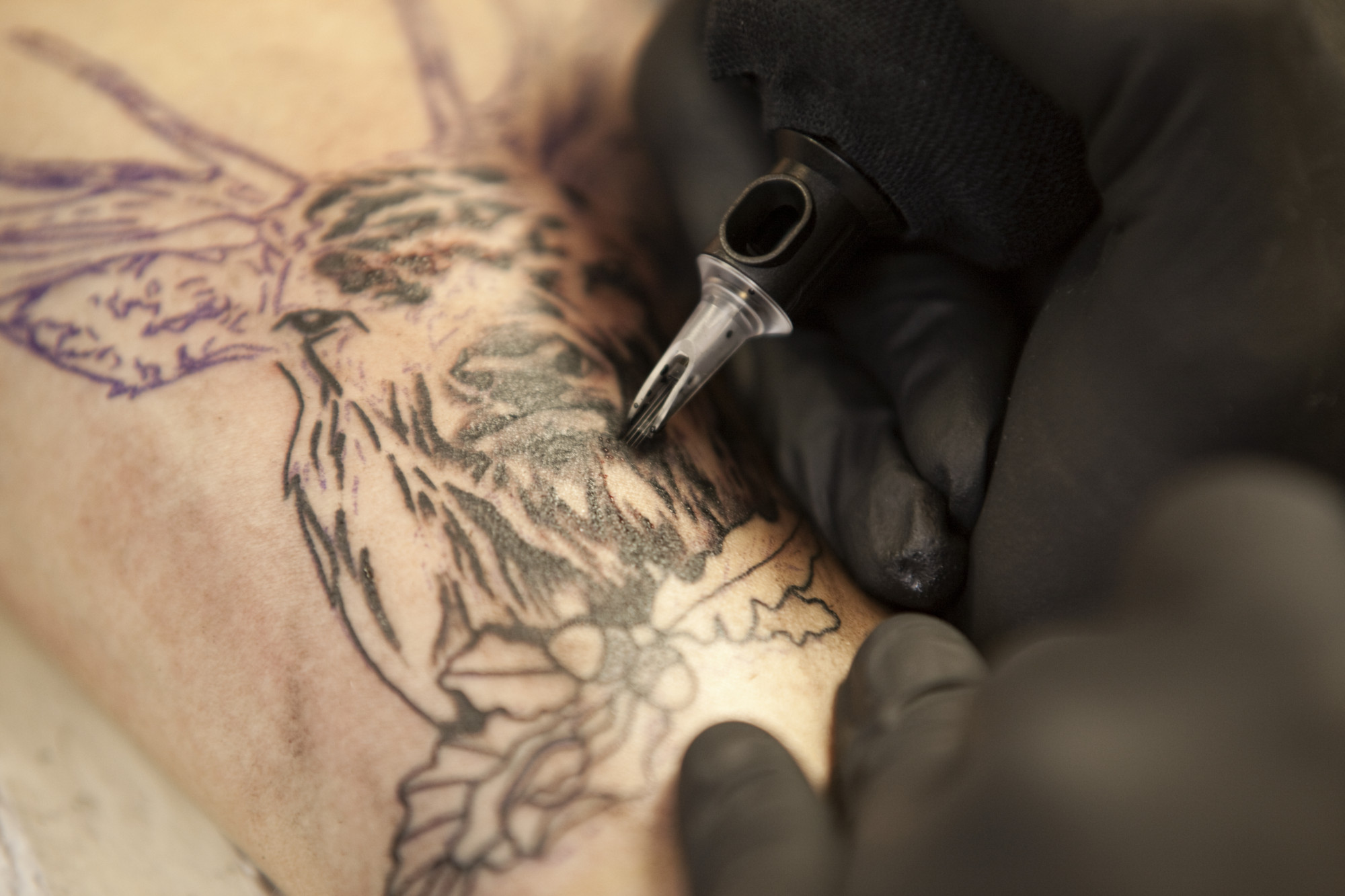
Why We Don't Use Just One Type of Anesthesia
Our clinic uses a variety of anesthesia solutions for tattoo removal procedures. This setup is designed to quickly reduce skin irritation and provide comfort during the procedure.
The degree of pain felt and preferred methods vary from person to person. Therefore, instead of applying one method to everyone, we chose to offer three options for consultation.
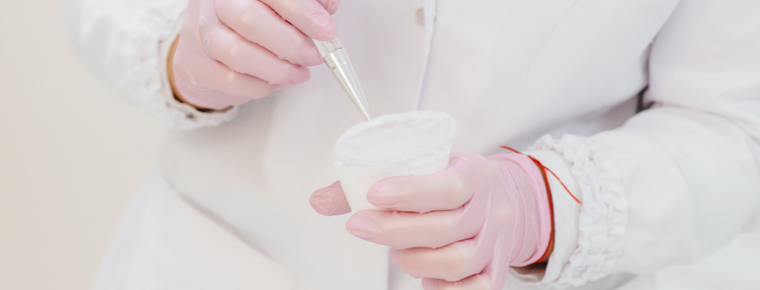
First, Topical Anesthetic Cream
We apply a sufficient amount of cream-type topical anesthetic to the skin surface. After a certain period, the anesthetic cream is removed, and tattoo removal begins.
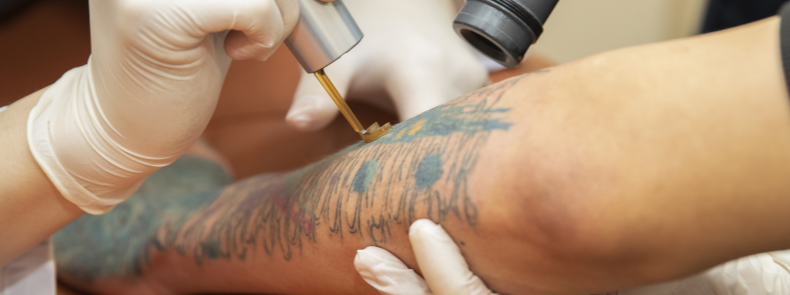
Second, Air Cooling
The air cooling system sends cold air deep into the skin to alleviate pain and discomfort during the procedure. In some cases, the procedure may be performed with air cooling alone, without the use of anesthetic cream.
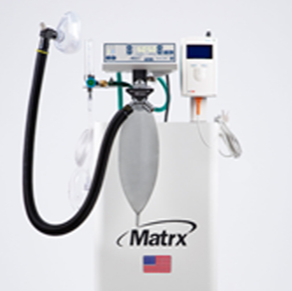
Third, Non-Sleep Nitrous Oxide Anesthesia
Many people ask about sleep anesthesia. Sleep anesthesia is a method of inducing unconsciousness using an anesthetic called propofol. While one does not feel pain when unconscious, there is a safety risk as communication with medical staff is not possible during this time.
Therefore, our clinic performs non-sleep nitrous oxide anesthesia, which has reduced risks. Oxygen and nitrous oxide are supplied to the body using a respirator, and the procedure is performed while the patient is conscious.
Since consciousness is not completely lost, it is possible to remove tattoos more precisely and delicately while communicating with the medical staff in real-time.
This method has been approved by the U.S. FDA. It is a confirmed safe anesthesia, used in pediatrics and dentistry for treating children, and even for mothers in birthing centers.
Three Methods at a Glance
| Method | How it works | State during procedure |
|---|---|---|
| Topical Anesthetic Cream | Topical anesthetic applied to the skin surface | Conscious |
| Air Cooling | Cold air delivered deep into the skin | Conscious |
| Non-Sleep Nitrous Oxide | Oxygen and nitrous oxide supplied via respirator | Conscious and able to communicate |
If You're Delaying Due to Pain
If you are hesitant about tattoo removal due to fear of pain, it is advisable to consult with a dermatologist and choose the method that suits you best from the following:
- Topical Anesthetic Cream
- Air Cooling
- Non-Sleep Nitrous Oxide Anesthesia
The overall procedure flow can be found in Tattoo Removal Treatment Guide, and the equipment used is summarized in R-Zero Pico-Frectat Tattoo Removal and Nd:YAG Tattoo Removal. The perceived pain may vary from person to person.
If you are concerned about choosing anesthesia, please use Inquire via Chat Now.

Authored and Medically Reviewed by Chief Director Lee Sang-joo (Dermatologist) Board-certified Dermatologist · Severance Hospital Dermatology Resident · Former Chief of Dermatology at National Police Hospital Ph.D. in Medicine, Yonsei University College of Medicine Graduate School · Current Adjunct Professor, Department of Dermatology, Yonsei University College of Medicine View Medical Staff Introduction
First Published 2025-01-08 · Last Reviewed 2026-07-29
This article contains general medical information and does not substitute for individual diagnosis and treatment. Results and recovery progress may vary from person to person.