


The number of people receiving tattoo removal at dermatology clinics is increasing. Tattoo removal is legally permitted in dermatology clinics, and they widely handle black and white, color, semi-permanent, and large tattoos.
Among these, we will explain what the R-Zero Pinhole Technique is and what the special medication, which is the core of this method, does.

The Bottleneck Created by the White Bubble Layer
When picosecond lasers are irradiated, a white bubble phenomenon occurs on the skin. This bubble layer blocks subsequent irradiation.
Therefore, the existing method had to end with a single irradiation per treatment. It was the skin's surface reaction, not the equipment's performance, that determined the speed.

What the Medication Does is Simple
The R-Zero Pinhole Technique involves applying a special medication to the bubble layer formed after irradiation. The medication acts to remove the bubble layer.
Once the bubbles disappear, the next light can penetrate again. This structure allows the laser to pass through up to 4 times while minimizing the possibility of skin damage.
Explanations of the Pinhole Technique can be found in Pinhole for Burn & Surgical Scar, and the overall treatment composition is summarized in R-Zero Pico-Frectat Tattoo Removal.
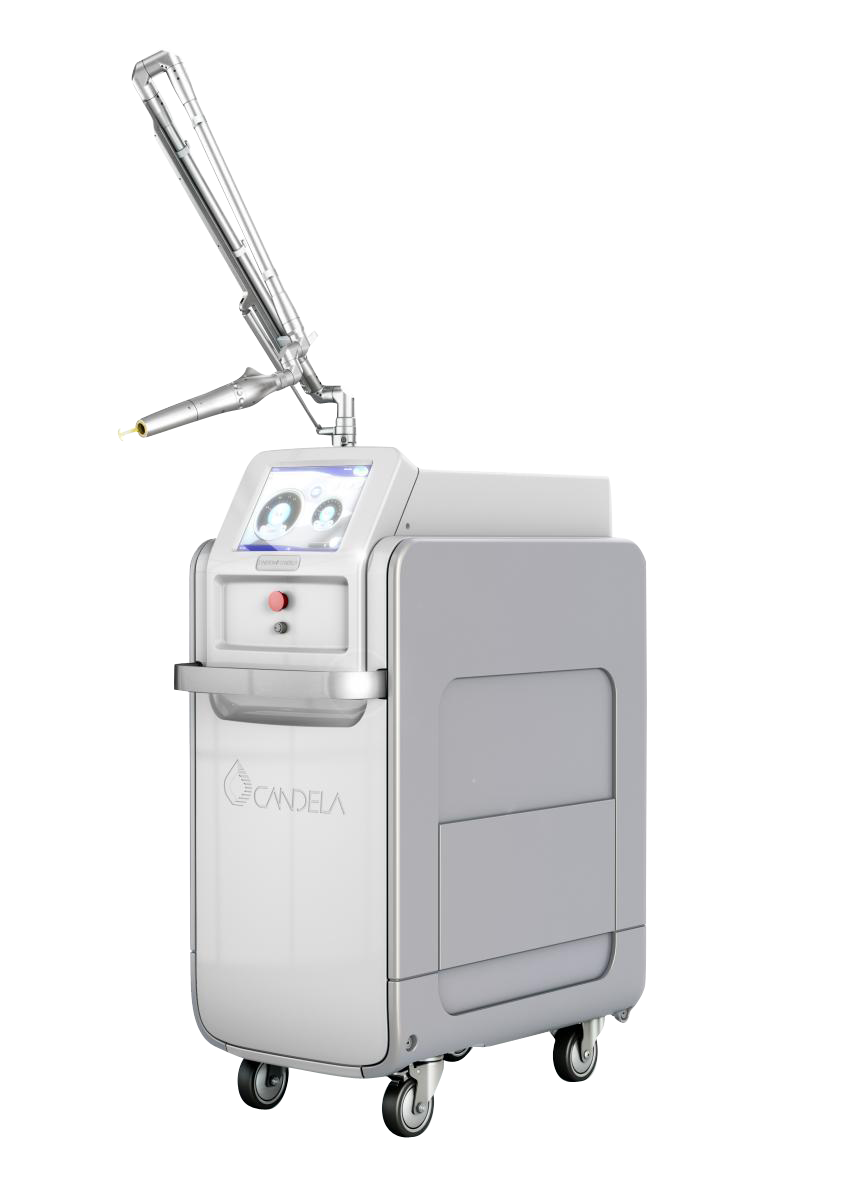
The Role of PicoWay
PicoWay uses picosecond (PS) units to deliver high power in a short time. This method aims to selectively treat pigment while minimizing damage to surrounding skin.
- It has high output energy.
- It can treat large areas.
- Among picosecond laser devices, its irradiation time is relatively short.
Wavelengths are Changed According to Color
The treatment is performed with wavelengths matched to the color of the tattoo.
| Wavelength | Corresponding Color |
|---|---|
| 532nm | Red, Orange |
| 730nm | Blue, Purple |
| 785nm | Sky Blue, Green |
| 1064nm | Black, Brown |
For tattoos with mixed colors, the wavelength may be changed for different areas within a single treatment. Single-color tattoos may also be treated with the Nd:YAG Tattoo Removal method.

Erasing and Not Leaving Marks
While erasing tattoos is important, safely performing the procedure to minimize scarring is paramount. We recommend proceeding after a diagnosis by a dermatologist with extensive experience in tattoo removal. Results may vary individually.
You can check the overall treatment flow in Tattoo Removal Treatment Guide.

Authored · Medically Reviewed by Chief Director Lee Sang-joo (Dermatologist) Resident in Dermatology at Severance Hospital · Doctor of Medicine, Yonsei University College of Medicine Graduate School Former Professor of Dermatology at Yeongdong Severance Hospital · Current Adjunct Professor, Department of Dermatology, Yonsei University College of Medicine President of the Korean Dermatological Association in 2026 View Medical Staff Profile
First Published 2025-04-14 · Last Reviewed 2026-07-29
This article contains general medical information and does not substitute for individual diagnosis and treatment. Results and recovery progress may vary individually.