

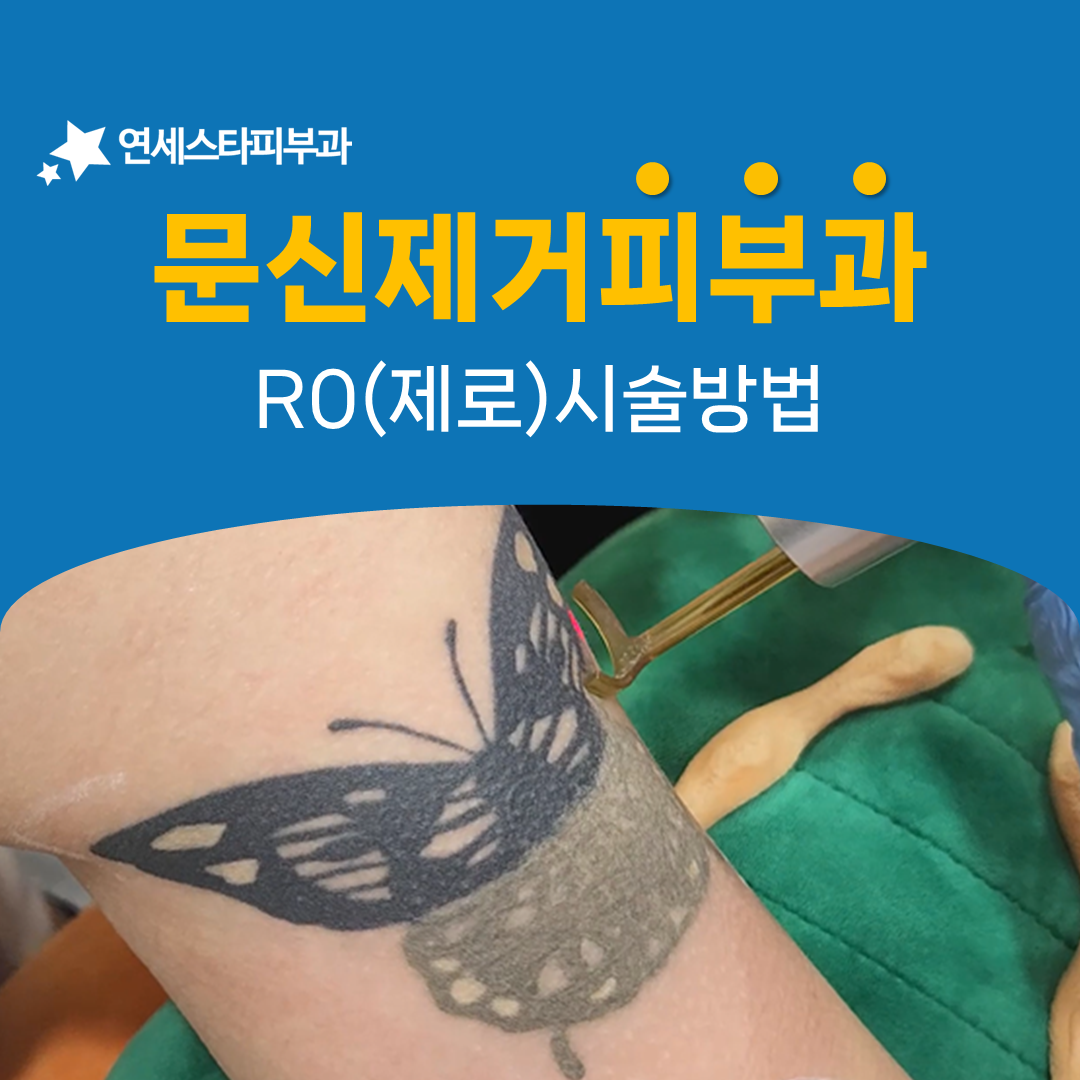
We have summarized the R-Zero Technique that can be performed for tattoo removal, focusing on the procedure steps.
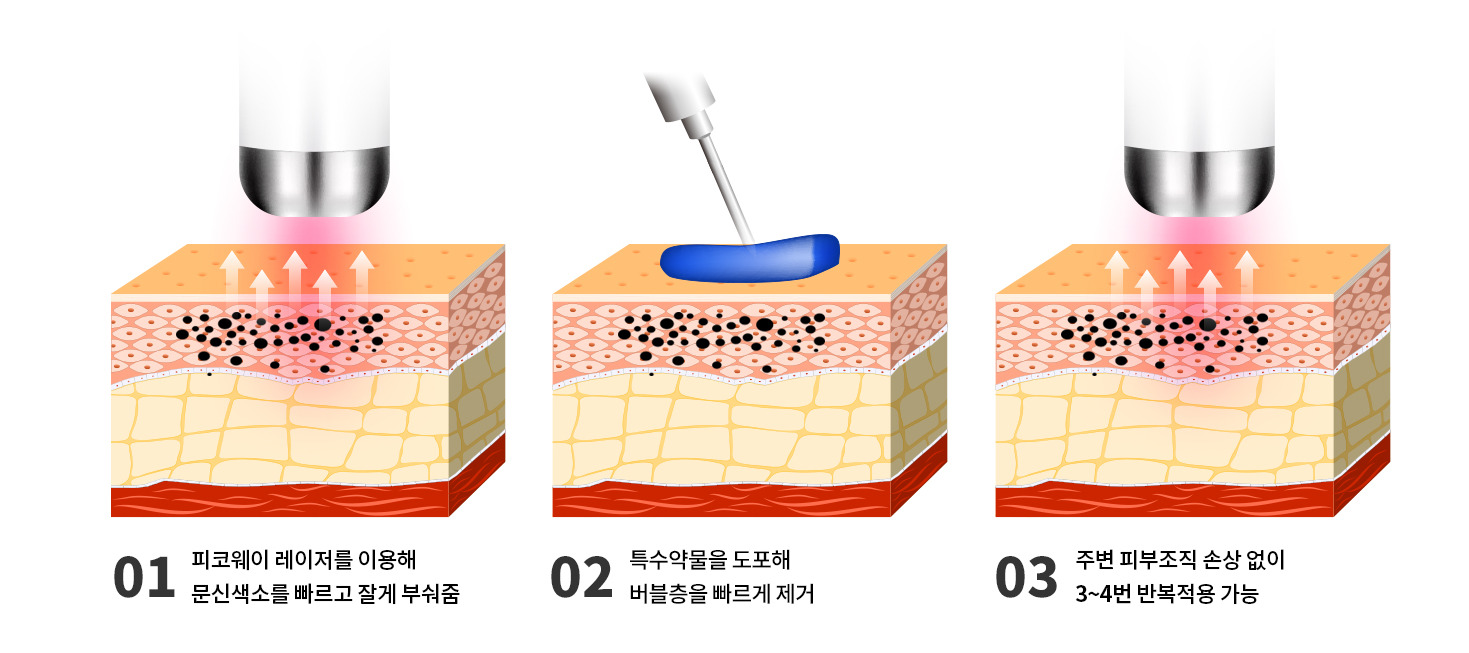
Previously, re-treatment was required at intervals of 4 to 8 weeks after a single session. The R-Zero Technique allows for multiple, up to 4, repeated laser irradiations in a single visit.
What enables repeated irradiation
The key to this is a specialized medication. It suppresses bubble formation in the skin and helps reduce tissue damage even with repeated laser irradiation.
By removing the factors that prevented irradiation, it is possible to proceed to the next irradiation within the same visit.

It proceeds in five stages
| Stage | Content |
|---|---|
| Skin condition analysis | Confirming tattoo depth, ink color, and skin thickness, then setting laser wavelength and energy |
| First laser irradiation | First irradiation to the tattooed area, same as the conventional method |
| Specialized medication application | Applied to the area to suppress bubble formation |
| Repeated laser irradiation | 2 to 3 additional irradiations to the same area |
| Post-treatment calming care | Basic care such as cold packs and moisturizers |
Equipment configuration and procedure are summarized in R-Zero Pico-Frectat Tattoo Removal Guide.
What you gain and what to be aware of
- More ink can be broken down per session.
- Epidermal protection may be partially achieved even with repeated irradiation.
- The practitioner's skill is required, and a high understanding of equipment settings and usage is necessary.
- Repeated irradiation may be limited depending on the skin condition.
If you have any questions, you can ask them via Chat Now.

The medical team's understanding determines the outcome
Accurate understanding by the medical team is paramount for the R-Zero Technique. This is because treatment satisfaction can vary depending on skill level.
If you desire this method, we recommend receiving treatment from a dermatologist specializing in tattoo removal.

When viewed with other methods
The method of repeated irradiation within a single visit is not suitable for all cases. Other methods may be more appropriate depending on the pigment condition.
For single-wavelength methods, you can check Nd:YAG Tattoo Removal, and for the overall treatment flow, refer to Tattoo Removal Treatment Guide. Individual results may vary.

Authored and Medically Reviewed by Chief Director Lee Sang-joo (Dermatologist) Graduated from Yonsei University College of Medicine · Ph.D. in Medicine, Yonsei University Graduate School of Medicine · Resident in Dermatology, Severance Hospital Currently Adjunct Professor, Department of Dermatology, Yonsei University College of Medicine · Author of Medical Skincare View Medical Team Profile
First Published 2025-07-25 · Last Reviewed 2026-07-29
This article contains general medical information and does not substitute for individual diagnosis and treatment. Individual results and recovery progress may vary.