

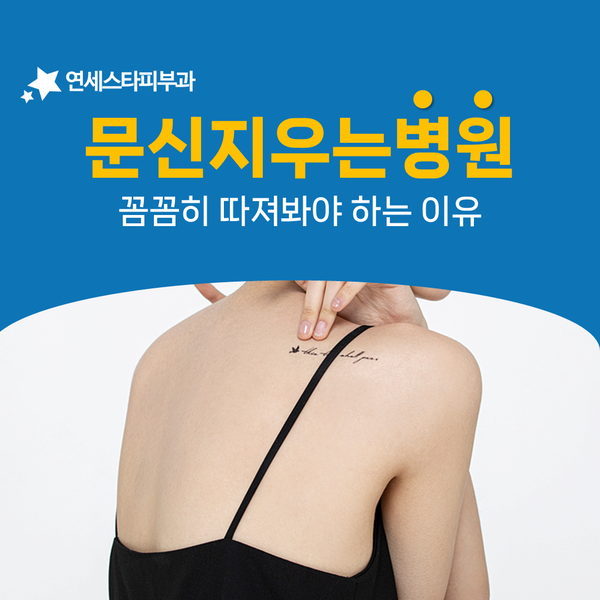
As laser equipment rapidly advances, picosecond lasers like PicoWay, which combine safety and speed, are gaining attention. However, it's also important to consider the expertise used for tattoo removal in conjunction with the equipment. Let's discuss the R-Zero Technique, which is also gaining popularity overseas.
The Question After the Equipment
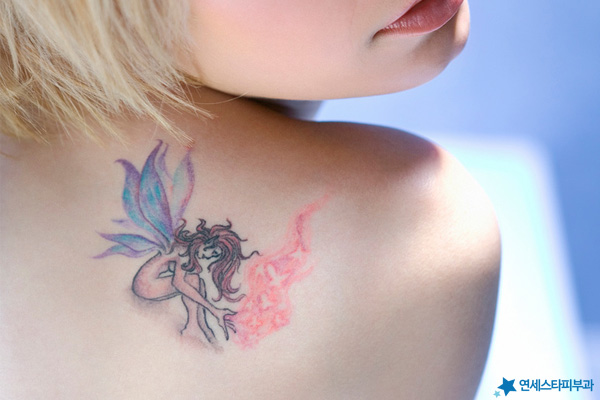
The R-Zero Technique involves applying a special medication around the tattoo, allowing the laser to be applied repeatedly up to four times in a single session.
Not all clinics perform this procedure; it can be received at places with relevant knowledge and expertise. When combined with good equipment, the speed of tattoo removal can be accelerated, and the risk of side effects like scars or blisters can be reduced, allowing for efficient removal. The method is summarized in the R-Zero Pico-Frectat Tattoo Removal Guide.
What Actually Happens When Intensity is Increased
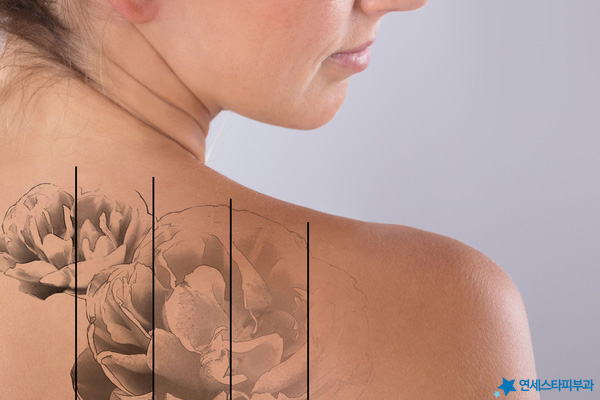
Laser removal procedures existed before. However, tattoo removal often takes a long time, and if colors are involved, it may not feel like it's fading quickly to the naked eye, leading to the choice of increasing intensity.
Increasing laser intensity does not necessarily speed up the removal process.
Instead, continuously applying strong stimulation to the skin can increase the risk of side effects such as wounds, blisters, burning sensations, and stinging, and in some cases, may even lead to stubborn scars.
Even with the Same Equipment, Results Differ

This is why we recommend places with extensive experience and expertise. Even when using the same procedure and laser equipment, the results can vary.
With more meticulous care, even safer and more satisfying results can be expected. Scar prevention and treatment management are precisely these aspects.
Scar Concerns Increase with More Sessions
Even with safe procedures, tattoo removal often involves many sessions, sometimes exceeding ten. This can lead to concerns about scarring, especially for those with delicate skin.
Methods for scar prevention and treatment can be found in the Pinhole for Burn & Surgical Scar Guide.
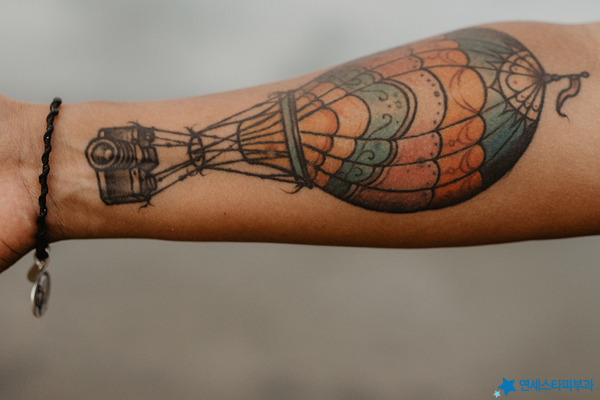
Items to Check When Choosing a Clinic
| Check Item | Reason for Checking This Item |
|---|---|
| Procedure Method | How safely it is performed in one session |
| Equipment Used | Can it be adjusted to the tattoo's color and depth |
| Scar Prevention Management System | Is there preparation for repeated stimulation |
| Availability of Scar Treatment | Can problems be resolved if they arise |
| Anesthesia and Low-Pain Management | Can the long process be continued without burden |
Since it takes a long time, deciding on tattoo removal requires a big commitment, and if a scar appears, it becomes a source of stress. Therefore, in addition to the procedure method and equipment, it is a wise choice to check if a scar prevention management system is in place and if there is a dermatologist who can treat scars if they occur.

To Start with Less Burden
Removing a tattoo often involves more pain and effort than getting one. You can feel a little less burdened when accompanied by a safe anesthesia method to alleviate pain, a low-pain management system to reduce discomfort, and medical staff who can deliver effective results.
- The overall treatment flow can be found in the Tattoo Removal Treatment Guide
- Methods using different wavelengths are summarized in Nd:YAG Tattoo Removal
- If you need advice on your condition, please feel free to contact us via chat now
There may be individual differences in the speed of progress and recovery.
Authored and Medically Reviewed by Chief Director Lee Sang-joo (Dermatologist) Graduated from Yonsei University College of Medicine and Graduate School · Resident in Dermatology at Severance Hospital President of the Korean Dermatological Association in 2026 · Author of "Acne Bible," "Medical Body Care" View Medical Staff Profile
First Published 2025-09-29 · Last Reviewed 2026-07-29
This article contains general medical information and does not substitute for individual diagnosis and treatment. Results and recovery may vary by individual.