


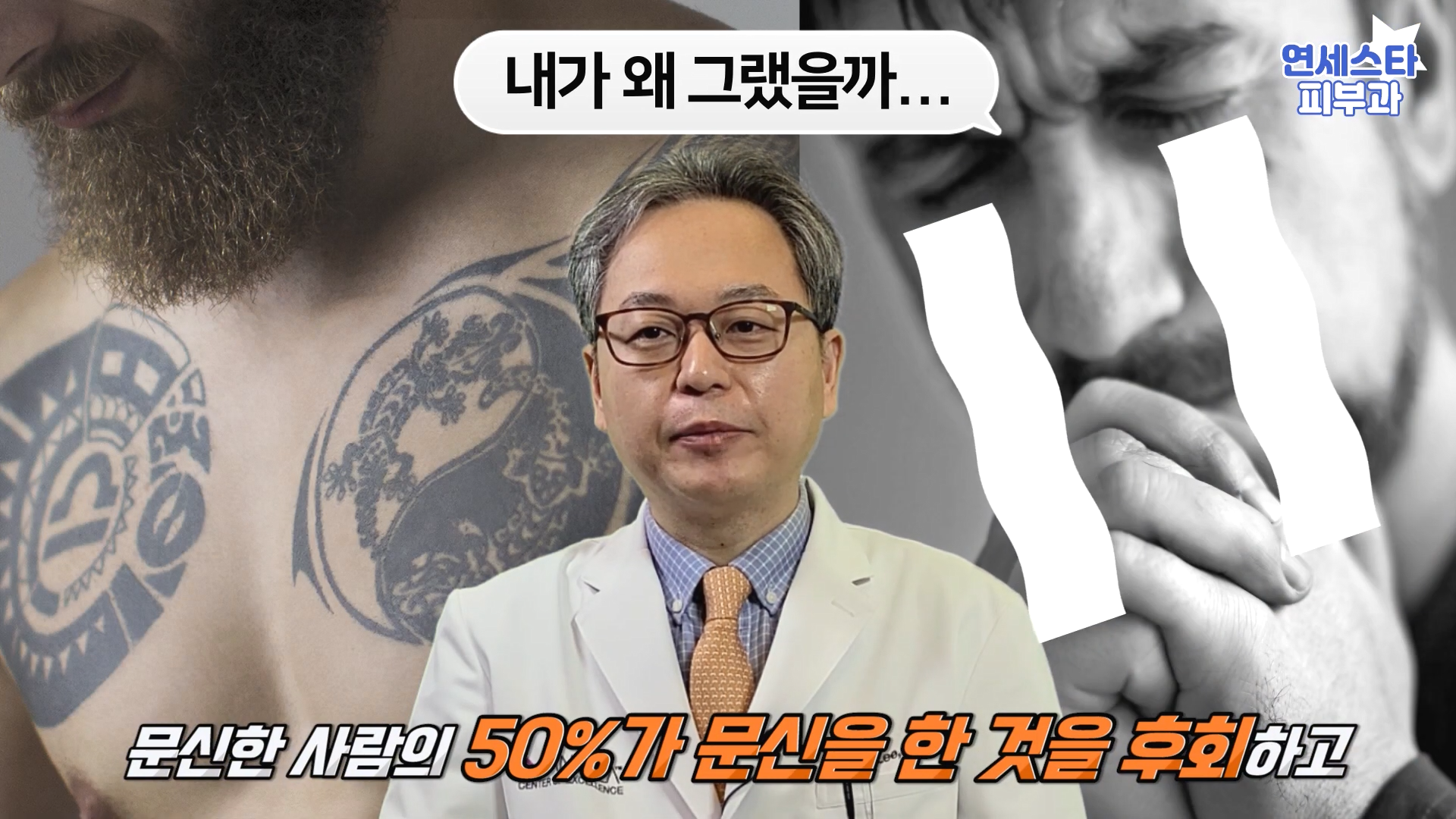
Tattooing is a procedure that invasively injects ink into the skin to create color. Once etched, it is difficult to remove, and removal requires a lot of time and effort.

According to some academic reports, a significant number of people regret getting a tattoo and wish to have it removed. Let's look at the removal methods that have been used, one by one.
Tattoo Removal Creams Advertised Online
There are products advertised online as tattoo removal creams. Tattoos are not removed as advertised.
Similar advertisements are common overseas, but such products are also known to have little effect.

What Acidic Substances Leave Behind
Acidic substances have also been used to remove tattoos. In the past, there were stories of tattoos being removed with things like battery fluid.
Acidic substances treat tattoos by causing chemical burns to the skin. While the tattoo may not be treated much, significant scars are left on the skin, often leading to greater concerns for patients.
After a burn, some parts of the tattoo may be removed, but remaining parts, combined with secondary scarring, often exacerbate the problem.
Excision Surgery is Limited to Small Tattoos
Tattoo removal surgery is a method of excising the skin where the tattoo is located. It is difficult to perform on large tattoos, but it can be used for small tattoos.

One advantage is that the tattoo can be removed in a single session. However, a more unsightly scar often remains in its place, so it is generally not a recommended method.

When Skin Grafts Were Used
Skin grafting was also used for tattoo treatment before laser tattoo removal became widespread. This method involves removing the tattooed skin and grafting other skin in its place.
With this method, tattoos often become even more noticeable. Scars, like patches, remain on both the donor and recipient sites, usually resulting in a cosmetically less desirable outcome.
Comparing the Methods
| Method | Effect on Tattoo | What Remains on Skin |
|---|---|---|
| Removal Cream | Almost no effect, contrary to advertising | No expected change |
| Acidic Substances | Only partial removal due to chemical burns | Large scars, secondary scars |
| Excision Surgery | Small tattoos removed in one go | Scar at incision site |
| Skin Graft | Tattoos often become more prominent | Scars on both donor and recipient sites |
| Laser | Selectively destroys tattoo pigment | Aims to minimize skin damage |

Why Laser Became the Standard
Currently, laser tattoo removal is established as the gold standard for tattoo treatment. There are two key differences from the methods above:
- It selectively destroys only tattoo particles, causing less damage to the surrounding skin.
- It is reported as a method that can reduce side effects while still achieving results.
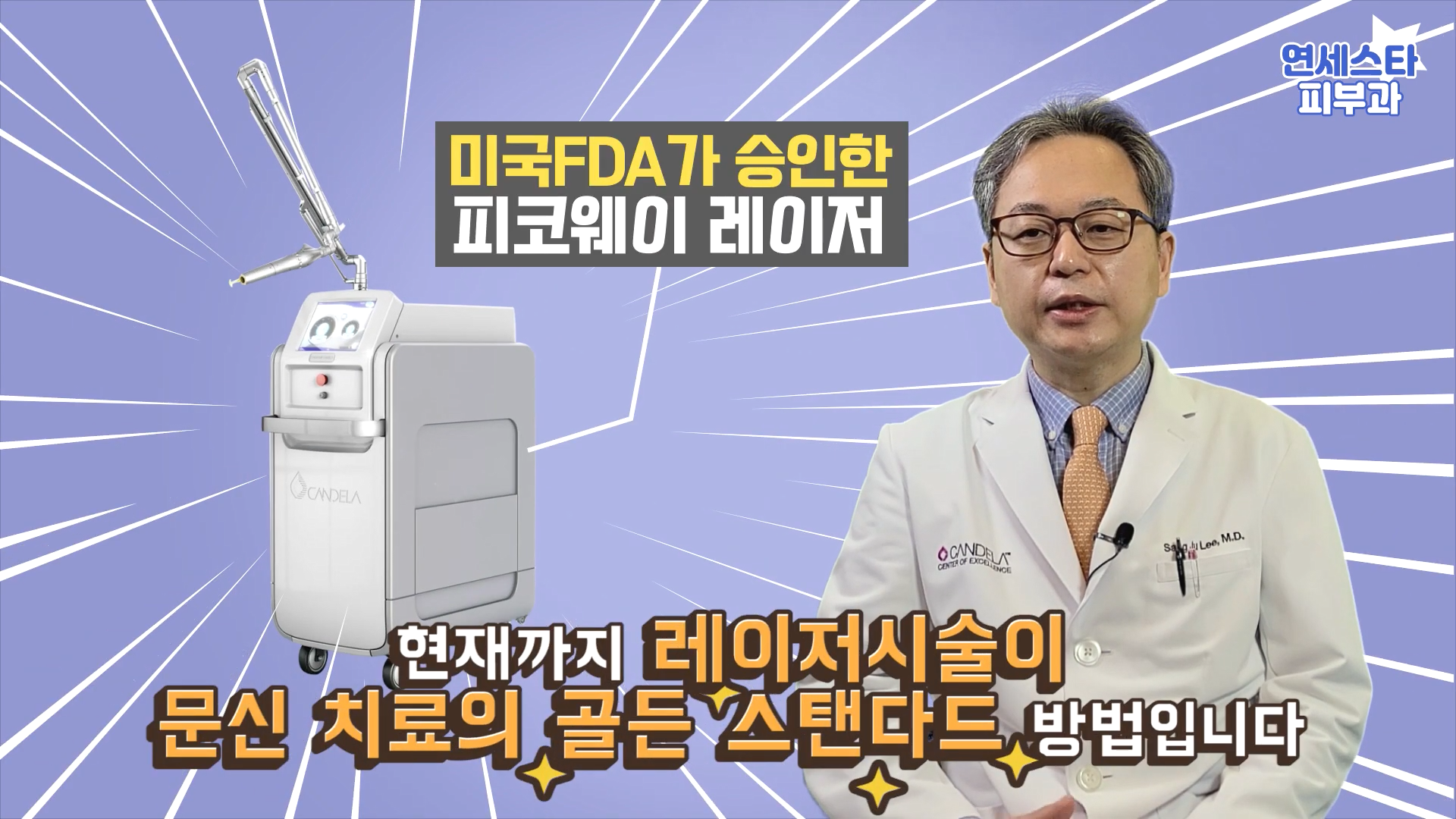
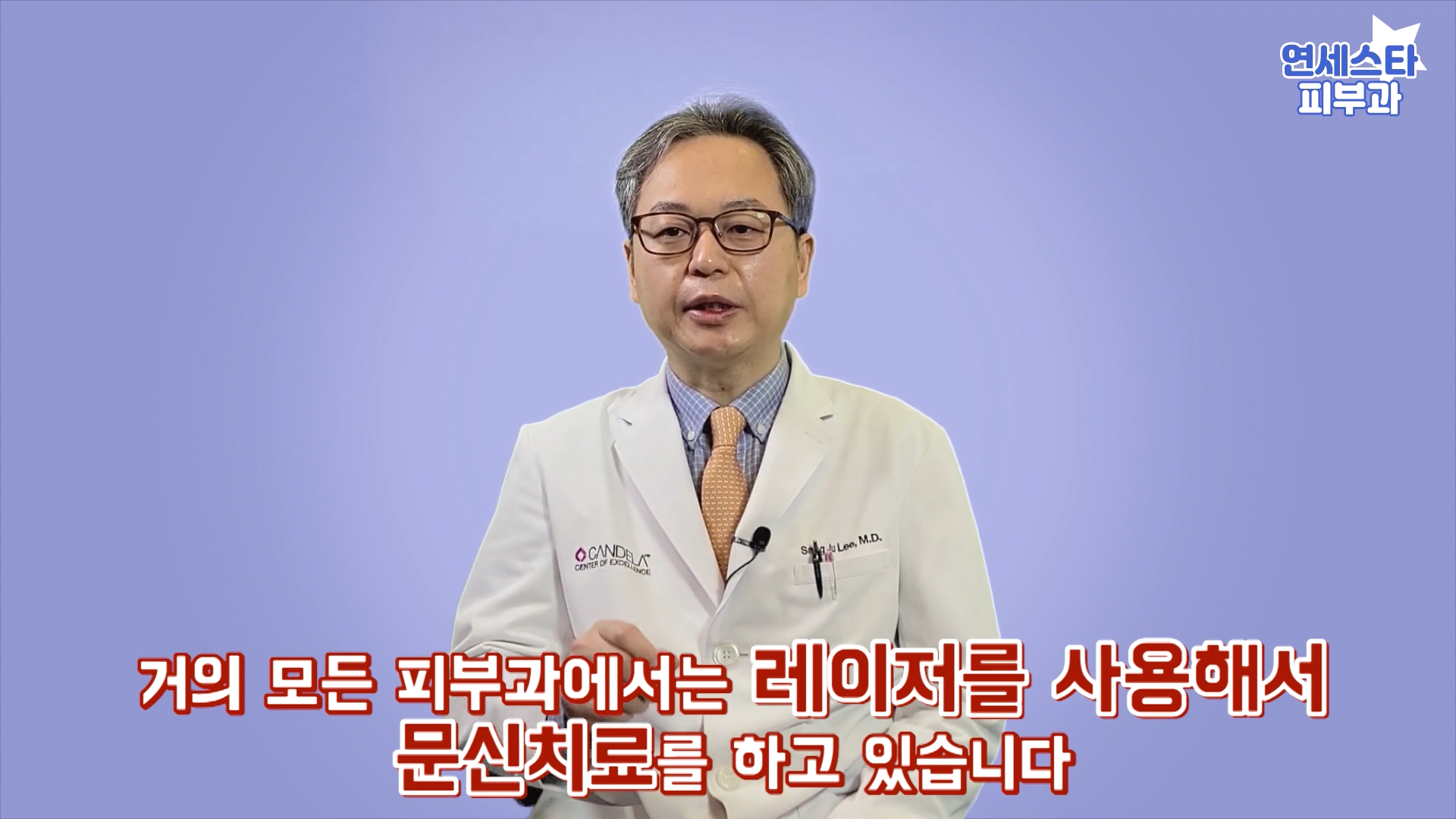
Almost all dermatology clinics perform tattoo removal using laser tattoo removal. Information on equipment and procedures is summarized in R-Zero Pico-Frectat Tattoo Removal and Nd:YAG Tattoo Removal, and methods for treating scars simultaneously can be found in Pinhole for Burn & Surgical Scar.
Think Twice Before Getting a Tattoo
Because removal is so difficult, it's best to make a careful decision before getting a tattoo.
If you are concerned about an existing tattoo, you can first review the Tattoo Removal Treatment Guide or let us know your condition by chatting with us now. Individual results may vary.

Authored · Medically Reviewed by Dr. Jinmoon Kang, Chief Director (Dermatologist) Graduated from Yonsei University College of Medicine · Resident in Dermatology at Severance Hospital Currently Adjunct Professor, Department of Dermatology, Yonsei University College of Medicine · Member of the Korean Society for Medical Lasers View Medical Staff Profile
First Published 2024-10-10 · Last Reviewed 2026-07-29
This article contains general medical information and does not substitute for individual diagnosis and treatment. Results and recovery may vary by individual.