


Some people occasionally consider non-medical facilities like tattoo shops when they want to remove a tattoo.
Tattoo removal is clearly a medical procedure.
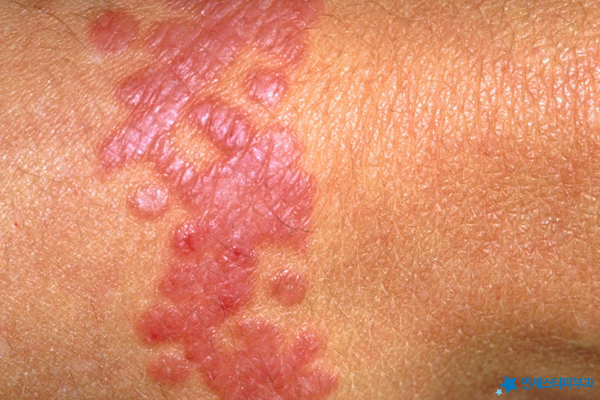
If performed in a facility without a medical license, there is a high risk of side effects such as burns, hyperpigmentation, and scarring. To proceed safely without worrying about scars, choosing the right clinic from the start is paramount.
Three things to check before choosing a clinic
Tattoo removal is not just about eliminating ink; it's a procedure that requires accurate analysis of skin condition and safe execution.
| Check Item | Content | When Neglected |
|---|---|---|
| Tattoo Analysis | First, check the type, color, and depth | Satisfaction may be low, and problems are likely to arise in the next stage |
| Treatment Equipment | Confirm if the equipment is suitable for the condition | The intensity will be increased, raising the risk of scarring |
| Practitioner Experience | Settings, configurations, and procedure methods | Even with the same equipment, results may vary |
Items reviewed during the analysis phase include:
- Colors, such as blue, green, and yellow
- Amount of ink
- Depth within the skin
The widespread use of picosecond lasers
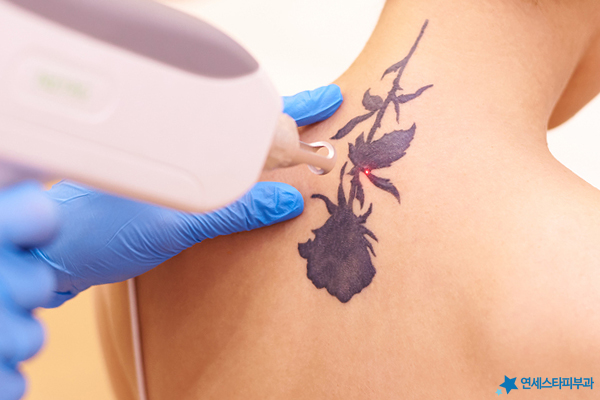
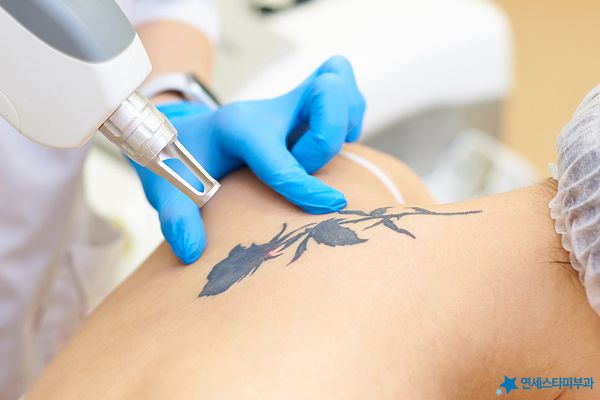
Many tattoo removal clinics recently utilize picosecond lasers. Pico lasers can break down pigments much more finely than nano lasers, and they can help reduce the incidence of scars by minimizing damage to surrounding tissues.
Currently, devices utilizing picosecond technology include PicoSure, PicoPlus, and PicoWay.
The condition of multiple wavelengths
PicoWay is gaining attention because it offers a variety of usable wavelengths. By combining four wavelengths, even challenging color tattoos can be adjusted and treated according to their condition.
The equipment configuration is detailed in R-Zero Pico-Frectat Tattoo Removal, and the different wavelength methods are summarized in Nd:YAG Tattoo Removal.
Additional steps to reduce scars in advance
After tattoo removal, subtle scars, unevenness, or other marks may remain. If scars are left, treating them again requires considerable time and effort.
Therefore, rather than focusing solely on removal, you should check whether scar-preventing management is also performed. This involves the Pinhole Technique using a CO2 laser.
Scope of the Pinhole Technique
The Pinhole Technique is known to show improvement in difficult-to-treat burn scars, and it is now used for general scar treatment as well as for conditions that have become chronic over time.
When the Pinhole Technique is added to the tattoo removal process, it can reduce concerns about scarring and help to naturally refine the marks. A detailed explanation is available in Pinhole for Burn & Surgical Scar.

Ultimately, the procedure includes recovery
Tattoo removal is not just about eliminating pigment; it's a process of extracting ink with minimal damage and helping the skin recover safely. This is why it's crucial to thoroughly check the clinic's expertise, equipment, and procedure methods.
The overall process can be seen in Tattoo Removal Treatment Guide, and individual consultations can be initiated via Chat Inquiry.

Authored and Medically Reviewed by Chief Director Dr. Lee Sang-joo (Dermatologist) Graduated from Yonsei University College of Medicine · Completed residency in Dermatology at Severance Hospital · Served as Professor of Dermatology at Youngdong Severance Hospital Currently Adjunct Professor, Department of Dermatology, Yonsei University College of Medicine · President of the Korean Dermatological Association in 2026 View Medical Staff Introduction
First Published 2025-11-18 · Last Reviewed 2026-07-29
This article contains general medical information and is not a substitute for individual diagnosis and treatment. Results and recovery progress may vary from person to person.