


There's a steady increase in people getting delicate tattoos in subtly visible areas like wrists or ankles, using them like accessories. Even without elaborate adornments, a single tattoo can change one's vibe, making these long-loved tattoo spots.
However, as time passes, many decide to remove them due to societal perceptions or because the color and shape have faded, making them less appealing than before.
Why Small Tattoos Are Classified as Tricky Areas
Because they often involve small areas and subtle accent tattoos, it's easy to assume that ankle tattoo removal would be quick and not very painful. In reality, it's considered a highly difficult area to remove tattoos from.
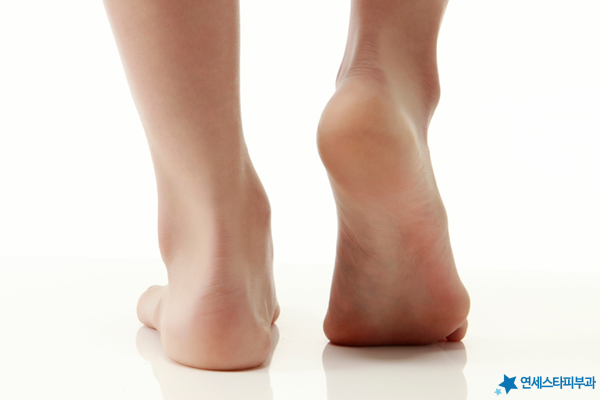
Conditions Created by Skin Thickness and Blood Circulation
The skin on the ankles is thin and close to the bone. Therefore, compared to areas like the thighs, there's a higher chance of being sensitive to pain.
Another condition applies here: being far from the heart, blood circulation is relatively weak. These characteristics combined can slow down recovery, even if the removal area isn't large.
| Condition | Ankle State | Impact on Removal Process |
|---|---|---|
| Skin Thickness | Relatively thin | Higher chance of being sensitive to pain |
| Proximity to Bone | Very close | Stimulation can feel greater even for the same area |
| Distance from Heart | Far | Relatively weak blood circulation |
| Recovery Speed | Can be slower | Recovery period can be longer even for small areas |
Not a One-Time Procedure
When you think of ankle tattoo removal, you're likely imagining laser treatment. However, it's not removed in a single session.
The factors determining the number of sessions are generally these three:
- Ink color
- Depth of pigment
- Skin condition of the area to be removed
Depending on these conditions, a minimum of 5 or more repeated treatments may be necessary. The exact number of sessions can vary for each individual.

Equipment Transitioned from Nano to Picosecond
Recently, picosecond devices with shorter pulse widths than traditional nano lasers are often used. This can reduce skin irritation while speeding up the process, making it suitable for sensitive areas like the ankles.
Equipment configuration and wavelength operation are detailed in R-Zero Pico-Frectat Tattoo Removal, and the differences from conventional methods are summarized in Nd:YAG Tattoo Removal.

Increasing Intensity Does Not Shorten the Period
Some people might think that stronger laser intensity would remove tattoos more effectively. While some intensity adjustment is necessary, excessively high intensity can irritate and damage the skin, leading to side effects like scarring.
If time is spent treating side effects, the overall duration of tattoo removal will ultimately be longer.
Therefore, it is safer and more efficient to undergo treatment by a dermatologist who can adjust the intensity according to the situation. You can check the treatment flow in Tattoo Removal Treatment Guide.
Feel free to ask any questions via Chat Now.

Additional Care When Concerned About Scars
If you are concerned about potential scarring, you can prevent scars in advance by combining Pinhole Technique management using a CO2 laser after tattoo removal.
The Pinhole Technique is a well-known method for treating scars. Applying it to ankle tattoo removal can lead to safer management, so it's a good idea to discuss this during your consultation. More details are available in Pinhole for Burn & Surgical Scar.

Removing Takes Longer Than Getting a Tattoo
Getting a tattoo takes a considerable amount of time and pain, but the time and effort required to remove it are even longer. We recommend making a careful decision both when getting and removing a tattoo.
We aim to minimize irritation and damage to the skin during the removal process, helping you return to a comfortable skin condition.
Authored and Medically Reviewed by Representative Director Dr. Lee Sang-joo (Dermatologist) Graduated from Yonsei University College of Medicine · Ph.D. in Medicine, Yonsei University Graduate School of Medicine · Dermatology Resident at Severance Hospital Currently Adjunct Professor, Department of Dermatology, Yonsei University College of Medicine · President of the Korean Academy of Dermatology in 2026 View Medical Staff Profile
First published 2025-12-16 · Last reviewed 2026-07-29
This article contains general medical information and does not substitute for individual diagnosis and treatment. Results and recovery progress may vary by individual.