


Anyone who has undergone laser tattoo removal knows there's a waiting period during the procedure. There's a reason for that wait.
We've summarized what you're waiting for and how to reduce that time.

The White Bubble Layer Formed After One Pass
With traditional methods, a white bubble layer often forms after one pass over the tattoo.
You cannot pass over that area again until the bubbles disappear. This waiting period takes about 20 minutes. Because this bubble layer prevents the laser from reaching deeper pigment, additional passes were not possible, limiting treatment to one pass at a time.
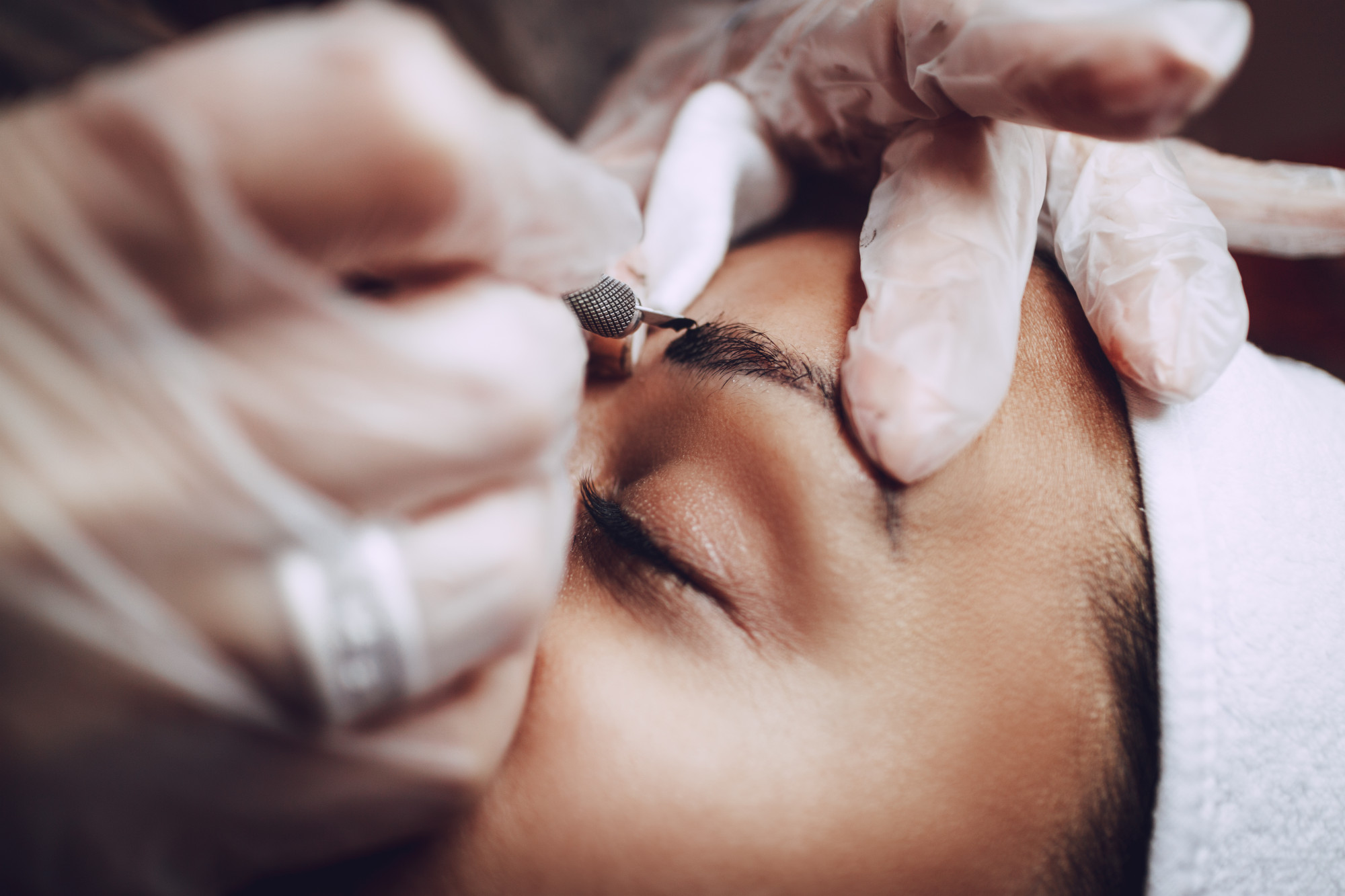
Erasing Instead of Waiting
The R-Zero Technique approaches treatment differently. After applying a picosecond laser and when white bubbles appear, a special medication is applied.
The medication quickly calms the bubble layer, allowing up to 4 passes while reducing the possibility of skin damage.
This means we've shifted from enduring the wait to addressing the cause. The procedure's composition is detailed in the R-Zero Pico-Frectat Tattoo Removal guide.
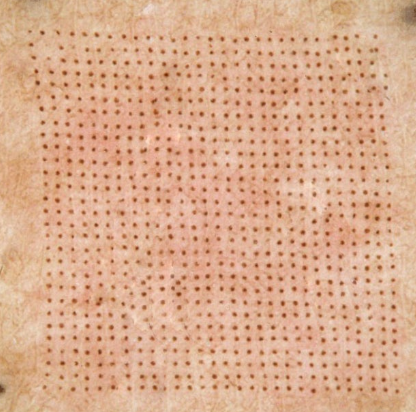
What the Pinhole Technique Does
Combining the R-Zero Technique with the Pinhole Technique can lead to more satisfactory results.
The Pinhole Technique uses a high-output laser to create precise, microscopic holes. Creating these holes can activate skin regeneration, allowing the skin to recover to a state similar to healthy skin. While primarily used for scar treatment, it can also be applied to laser tattoo removal.
Detailed explanations are provided in the Pinhole for Burn & Surgical Scar procedure guide.

Sequence When Combining Both Methods
The actual process proceeds as follows:
- The R-Zero Technique is used for 4 passes at once.
- This is followed by the Pinhole Technique to create microscopic holes.
- This lowers the probability of blistering, preventing scars.
| Stage | Method | Purpose |
|---|---|---|
| Treatment Stage | R-Zero Technique | Reduce waiting time and secure number of passes |
| Finishing Stage | Pinhole Technique | Induce regeneration and prevent blistering |
Performing both together can be advantageous in terms of results.
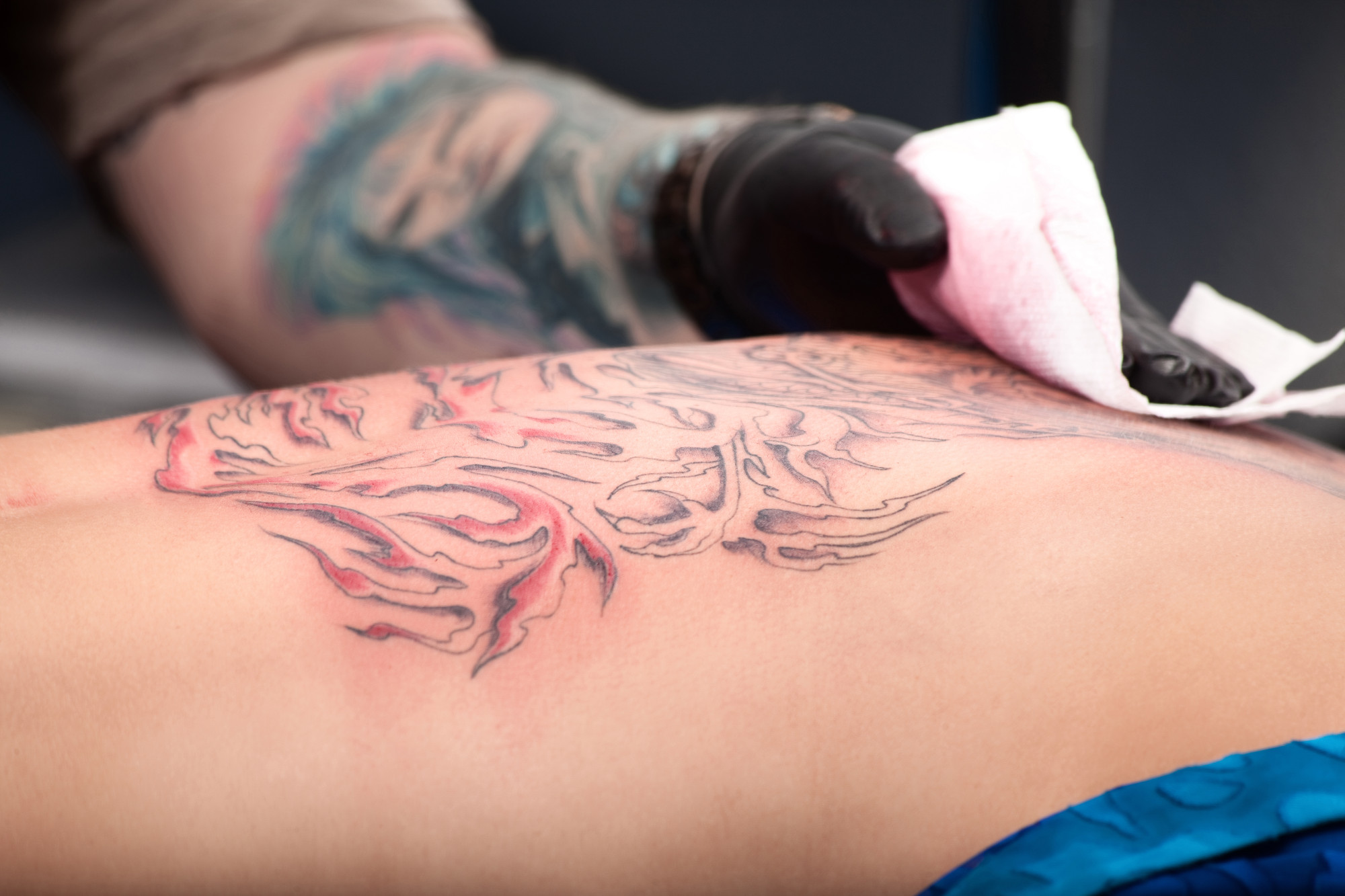
What to Check During Consultation
It's a good idea to ask if the R-Zero Technique and Pinhole Technique can be applied to your tattoo, and how many passes per session are planned. Results and recovery progress may vary by individual.
Other types of methods can be found in Nd:YAG Tattoo Removal, and the overall treatment flow in Tattoo Removal Treatment Guide.

Authored · Medically Reviewed by Representative Director Dr. Jinmoon Kang (Dermatologist) Graduated from Yonsei University College of Medicine · Severance Hospital Dermatology Resident Current Adjunct Professor, Yonsei University College of Medicine, Department of Dermatology · Former Professor, Bundang CHA Hospital Member of Korean Dermatological Association · Korean Society for Laser Medicine and Surgery View Medical Staff Profile
First published 2025-04-04 · Last reviewed 2026-07-29
This article contains general medical information and does not substitute for individual diagnosis and treatment. Results and recovery progress may vary by individual.