
Many people delay tattoo removal because they are afraid of the pain. To alleviate this burden, dermatology clinics that perform tattoo removal use several anesthesia methods.
It is difficult for the procedure itself to be completely painless. However, the goal is to minimize pain as much as possible through anesthesia.
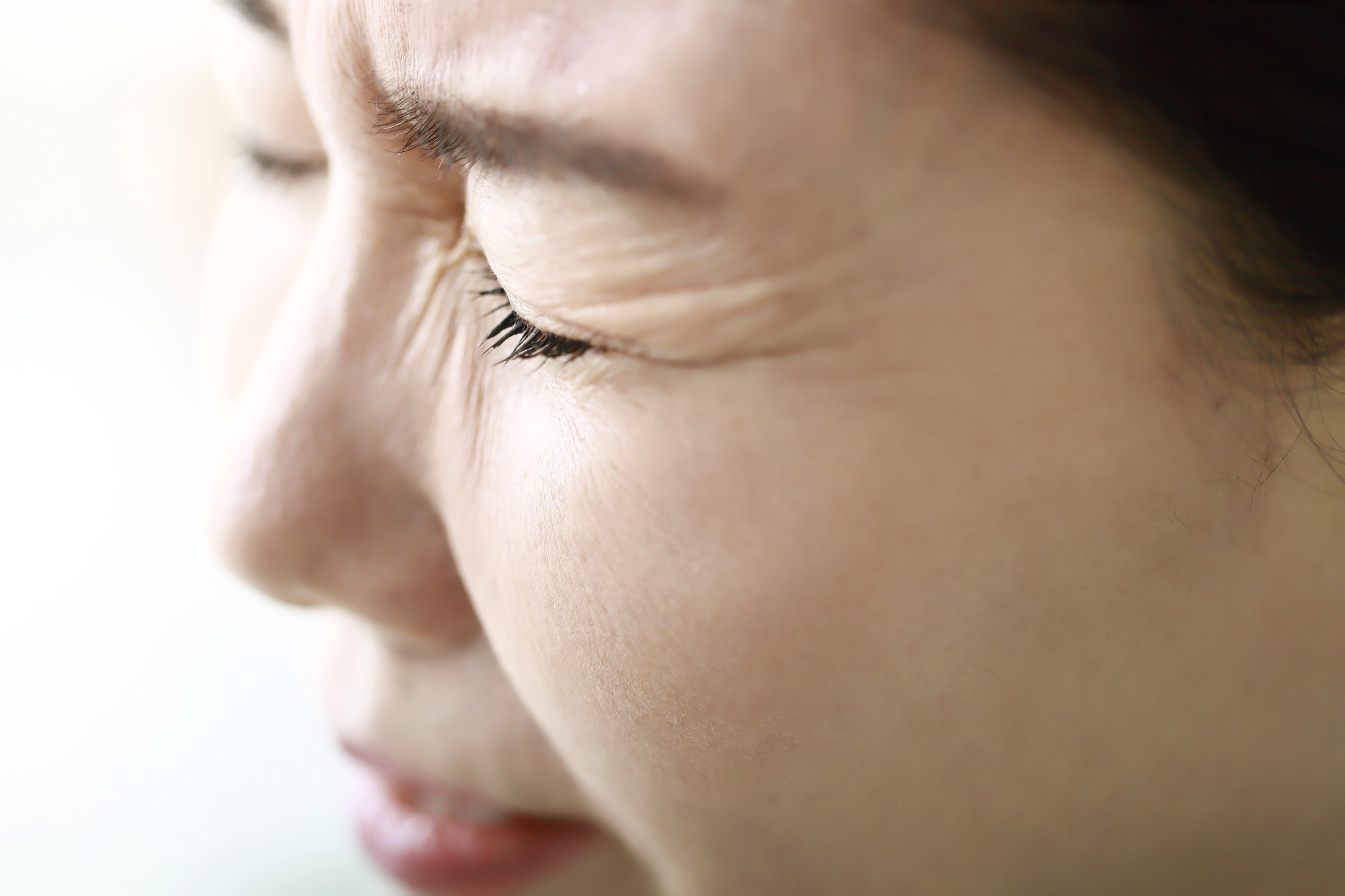
Procedures Delayed Due to Fear of Pain
Tattoo removal involves breaking down pigment into tiny particles, so concerns about pain can easily arise. Therefore, the choice of anesthesia method significantly influences the procedure experience.
The overall procedure and consultation process are summarized in Tattoo Removal Treatment Guide.
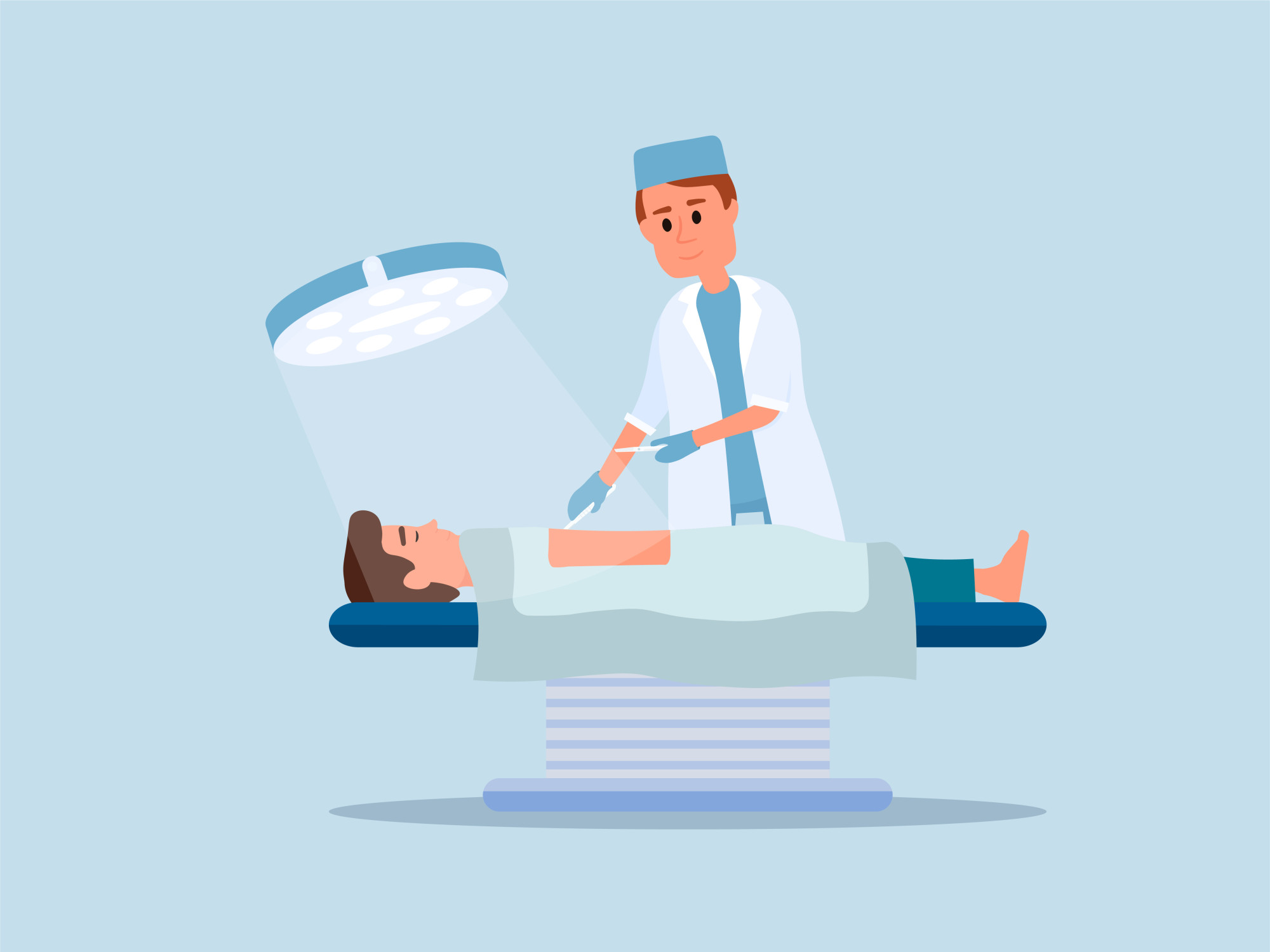
What is Sleep Anesthesia?
If you are very afraid of pain, you may choose sleep anesthesia as a method. This method uses a sedative called propofol to induce unconsciousness before proceeding with the treatment.
Since you are unconscious, you will not feel pain. However, communication with the medical staff is difficult in this state, which poses a safety concern.

Anesthesia Performed While Conscious
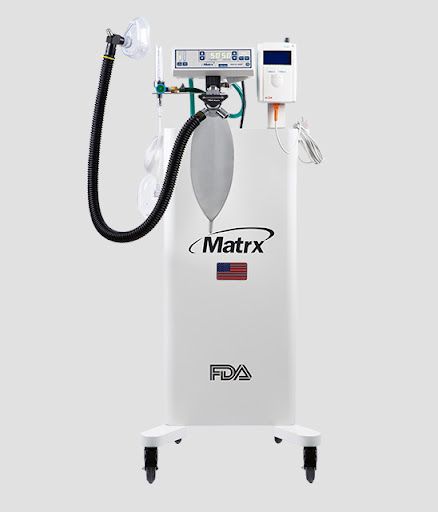
Recently, non-sleep nitrous oxide anesthesia, which reduces safety concerns, is widely used for tattoo removal. Oxygen and nitrous oxide are supplied to the body through a respirator, and the procedure is performed while the patient is awake.
| Category | Sleep Anesthesia | Non-Sleep Nitrous Oxide Anesthesia |
|---|---|---|
| State of Consciousness | Unconscious with propofol | Remains awake |
| Communication during procedure | Difficult | Possible in real-time with medical staff |
| Safety | Communication difficulties pose concerns | Relatively reduced concerns |
The Meaning of Being Able to Communicate
Being awake allows for real-time communication with the medical staff, enabling precise and delicate tattoo removal.
Being able to immediately express any discomfort during the procedure also helps alleviate fear and anxiety. This is particularly important for procedures that require fine-tuning of laser intensity. You can check the procedure methods for each device in R-Zero Pico-Frectat Tattoo Removal and Nd:YAG Tattoo Removal.
If you are concerned about choosing anesthesia, feel free to inquire via chat now.
Where is this Anesthesia Used?
Non-sleep nitrous oxide anesthesia has high safety, approved by the U.S. FDA. It is used in pediatrics and dentistry for treating children, and even applied to mothers in birthing centers.
It has minimal burden even with repeated applications, making it well-suited for tattoo removal, which often involves multiple sessions.
We Operate with a Low-Pain System
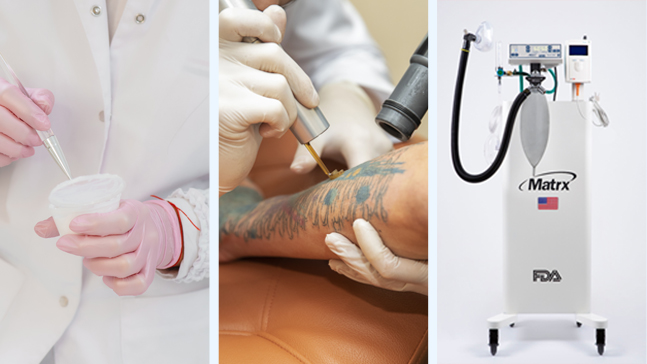
Our clinic does not only offer nitrous oxide anesthesia.
- Non-sleep nitrous oxide anesthesia
- Topical Anesthetic Cream
- Air cooling
If you have been delaying treatment due to pain, we recommend consulting with a dermatologist to determine your treatment direction. Consultations are also available via Chat Consultation.

Authored and Medically Reviewed by Chief Director Lee Sang-joo (Dermatologist) Graduated from Yonsei University College of Medicine · Resident in Dermatology at Severance Hospital · Former Professor of Dermatology at Youngdong Severance Hospital Former Head of Dermatology at National Police Hospital · Current Adjunct Professor at Yonsei University College of Medicine, Department of Dermatology View Medical Staff Profile
First Published 2024-05-27 · Last Reviewed 2026-07-29
This article contains general medical information and does not substitute for individual diagnosis and treatment. Results and recovery may vary by individual.