


For those considering tattoo removal, pain is often the first concern. It's not uncommon for people to hesitate after hearing that it's more painful than expected.
Recently, there's been a growing trend towards reducing the burden of pain through various methods. It's important to note that the perceived pain can vary depending on the approach, not just on enduring it.
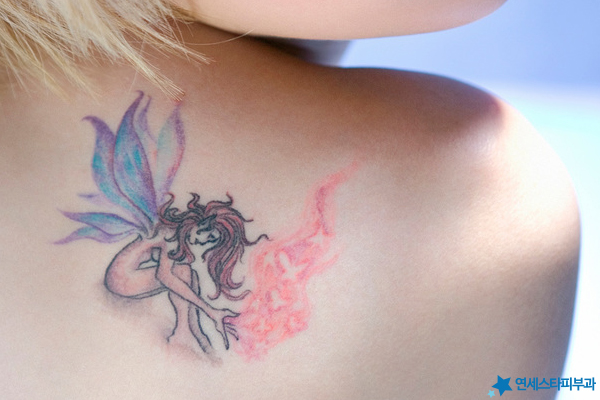
Points where pain occurs
Tattoo removal involves breaking down pigment in the skin with a laser. During this process, heat and stimulation are momentarily delivered, which can cause a stinging or snapping sensation of pain.
Pain may be felt more intensely in the following cases:
- When the pigment is deeply embedded
- When the tattoo is dark or large in area
- When the skin is sensitive
Therefore, to reduce pain, equipment selection, treatment method, and auxiliary methods are considered together.
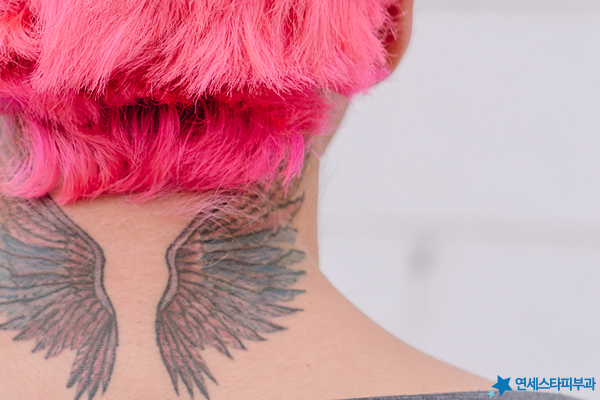
Three approaches to sharing the burden
| Approach | Method | Expected outcome |
|---|---|---|
| Nitrous oxide anesthesia | Performed without sedation | Relaxation and reduced treatment burden. Recovery is relatively fast, allowing for a quicker return to daily life |
| Pinhole Technique | Disperses stimulation applied to the skin | Helps to stably induce laser reaction and reduce blistering or excessive skin reactions |
| Laser selection | Delivers energy in a short time | Allows for an approach that minimizes impact on surrounding tissues |
Nitrous oxide, unlike general anesthesia, also offers a relatively quick return to daily life, which can be a consideration. However, suitability may vary depending on individual condition, so prior consultation is necessary.
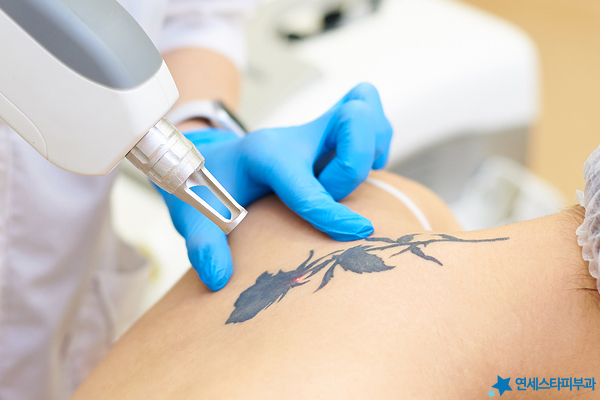
Choices that affect the recovery process
The Pinhole Technique is a factor that can influence not only pain but also the recovery process after treatment. More details can be found in the Pinhole for Burn & Surgical Scar treatment guide.
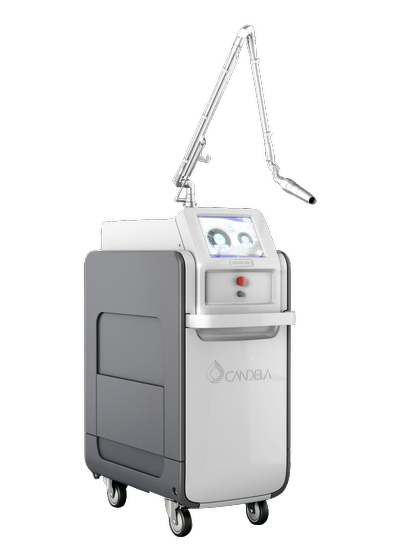
The same applies to lasers. Methods that deliver energy in a short time can help reduce pain or skin irritation, but individual responses vary. You can compare the characteristics of each device in R-Zero Pico-Frectat Tattoo Removal and Nd:YAG Tattoo Removal.
Skin reactions to watch out for
In tattoo removal, minimizing skin damage may be more important than just reducing pain.
Reactions requiring attention include blistering, redness, hyperpigmentation, and the possibility of scarring. To reduce these reactions, a staged approach rather than excessive intensity is necessary.
Checking during the planning stage
Tattoo removal pain can be felt differently by each individual, but by choosing appropriate methods, it is possible to approach it in a way that reduces the burden. It is advisable to consider various factors together, such as nitrous oxide anesthesia, the Pinhole Technique, and laser selection.
To create a plan tailored to your individual condition, a thorough consultation process is helpful. For the overall process, please refer to the Tattoo Removal Treatment Guide, and for any questions, please inquire via chat now.
Authored · Medically Reviewed by Chief Director Lee Sang-joo (Dermatologist) Graduated from Yonsei University College of Medicine · Completed dermatology residency at Severance Hospital · Served as professor of dermatology at Youngdong Severance Hospital Currently Adjunct Professor, Department of Dermatology, Yonsei University College of Medicine · President of the Korean Dermatological Association in 2026 View Medical Staff Profile
First published 2026-05-14 · Last reviewed 2026-07-29
This article contains general medical information and does not substitute for individual diagnosis and treatment. Results and recovery progress may vary by individual.