


There are moments when a tattoo, once a curiosity or something you wanted to keep because it looked pretty, becomes a source of stress every time you see it. In the past, there was a strong perception that once a tattoo was etched, it couldn't be removed for life, requiring careful consideration. However, with the advent of laser removal, the burden has somewhat decreased.
Nevertheless, the fact that removing a tattoo requires significantly more time and effort than getting one has not changed.
Why Lettering Tattoos Are Particularly Dense

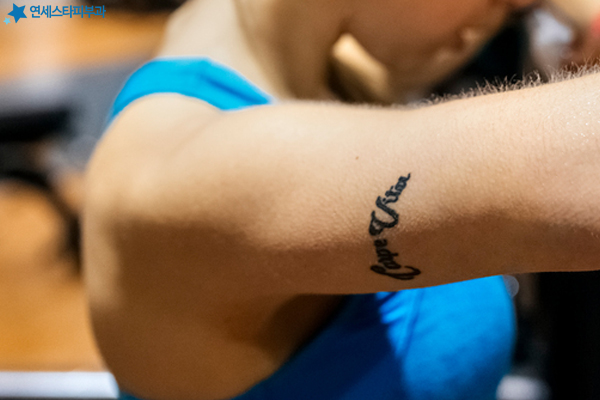
Even beautifully etched tattoos fade and lighten over time, losing their initial appearance. Nowadays, lettering tattoos, which involve engraving phrases or characters rather than pictures, are also very popular.
Because the letters need to be clearly defined, the ink tends to be denser and darker, making them a type that takes longer to remove.
The Point Where Increasing Intensity Doesn't Work
The more ink embedded in the body, and the denser it is, the more challenging and time-consuming the removal process becomes. If various colors are mixed, even more time may be required.
Simply increasing the laser intensity to remove it quickly does not necessarily lead to a proportional increase in effectiveness.
As the skin receives stronger stimulation, the risk of side effects also increases, so caution is needed.

Equipment with a Wider Range of Wavelengths
PicoWay Laser is widely used for lettering tattoo removal. PicoWay uses high power and various wavelengths to treat multiple tattoo colors.
Information on the equipment configuration can be found in R-Zero Pico-Frectat Tattoo Removal, and methods using different wavelengths are summarized in Nd:YAG Tattoo Removal.

Analysis Precedes Equipment
For efficient treatment, equipment alone is not the only important factor. Just as the type, size, and composition of tattoos differ for each person, a precise analysis is needed to formulate a treatment plan.
| Analysis Item | Impact on Plan |
|---|---|
| Skin condition | Setting irradiation intensity and interval |
| Ink amount | Estimating the number of sessions needed |
| Changes in laser-ink reaction | Basis for adjustment in next session |
| Skin thickness | Judging the extent of energy delivery |
| Tattoo size | Allocating the scope of one session |
The process of establishing a personalized treatment plan through such detailed analysis is important.
The Burden of Repeated Treatments
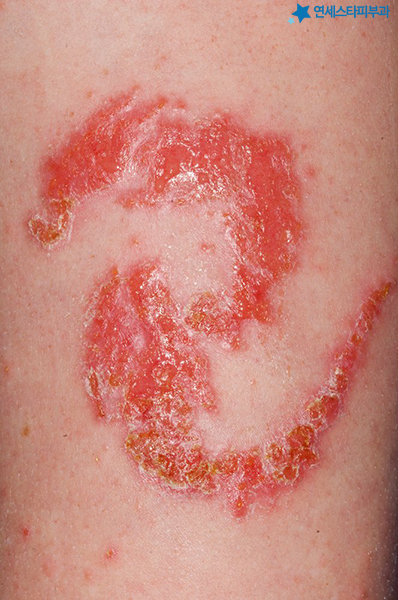
Even with high-performance and safe laser equipment, the skin is continuously stimulated due to the nature of lettering tattoo removal, which requires long-term, repeated treatments. This could potentially lead to side effects such as scarring.
Therefore, it is also important to understand what kind of management is applied to reduce skin irritation during the procedure. Methods for scar prevention can be found in the Pinhole for Burn & Surgical Scar treatment guide.
What to Check When Choosing a Clinic
- Whether anesthesia is safely administered without sedation
- Whether there is a cooling method to reduce skin damage during the procedure
- Whether scar prevention management is performed concurrently
- Whether a dermatology specialist with extensive experience in tattoo removal provides treatment
- Whether a systematic treatment plan is established
Tattoo removal is a time-consuming process with many complex factors to consider. The overall process can be viewed in the Tattoo Removal Treatment Guide, and you can inquire about your tattoo's condition by chatting with us now. There may be individual differences in the speed of progress.

Authored · Medically Reviewed by Chief Director Lee Sang-joo (Dermatology Specialist) Former Resident in Dermatology at Severance Hospital · Former Chief of Dermatology at National Police Hospital · Current Adjunct Professor at Yonsei University College of Medicine, Department of Dermatology Doctor of Medicine, Yonsei University College of Medicine Graduate School View Medical Staff Profile
First Published 2025-09-24 · Last Reviewed 2026-07-29
This article provides general medical information and does not substitute for individual diagnosis and treatment. Results and recovery progress may vary by individual.