

Deeply pitted acne scars are a concern that can't be easily covered with makeup, drawing attention every time you look in the mirror. When lasers like Fraxel don't show significant improvement, many people consider laser dermabrasion as a last resort. What exactly is laser dermabrasion, and what are the common misconceptions?
What are the treatment options for acne scars?
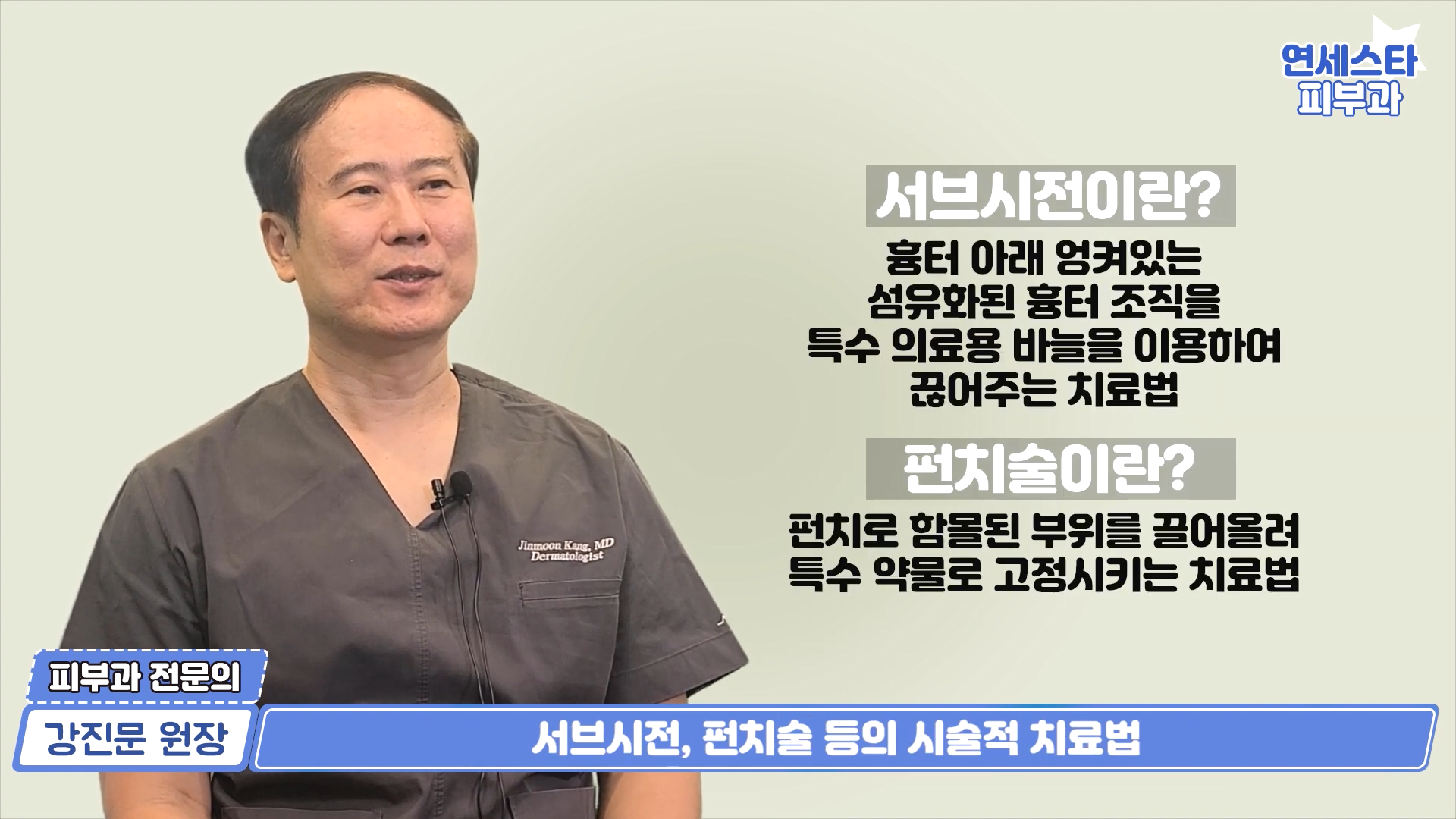
Representative acne scar treatments include procedural methods such as fractional laser, Subcision, and punch techniques, as well as combination treatments involving two or more of these. Laser dermabrasion can be considered as an additional treatment option.
Since the most suitable method varies depending on the shape and depth of the scar, no single treatment is the answer for all scars. Especially for deeply pitted scars, a single treatment may have limitations, requiring an approach tailored to atrophic acne scars.
The Root of Laser Dermabrasion: Chemical Peeling
Examining the history of laser dermabrasion can help understand its characteristics more easily and accurately. The precursor to laser dermabrasion emerged over 100 years ago: chemical peeling, which involves applying chemical substances to the skin to peel it off and induce skin regeneration.
Although an old treatment, it had the disadvantage of being difficult to precisely control the depth of the procedure. Laser dermabrasion was developed to compensate for this. A major advantage is the ability to control the treatment depth more precisely compared to chemical peeling.

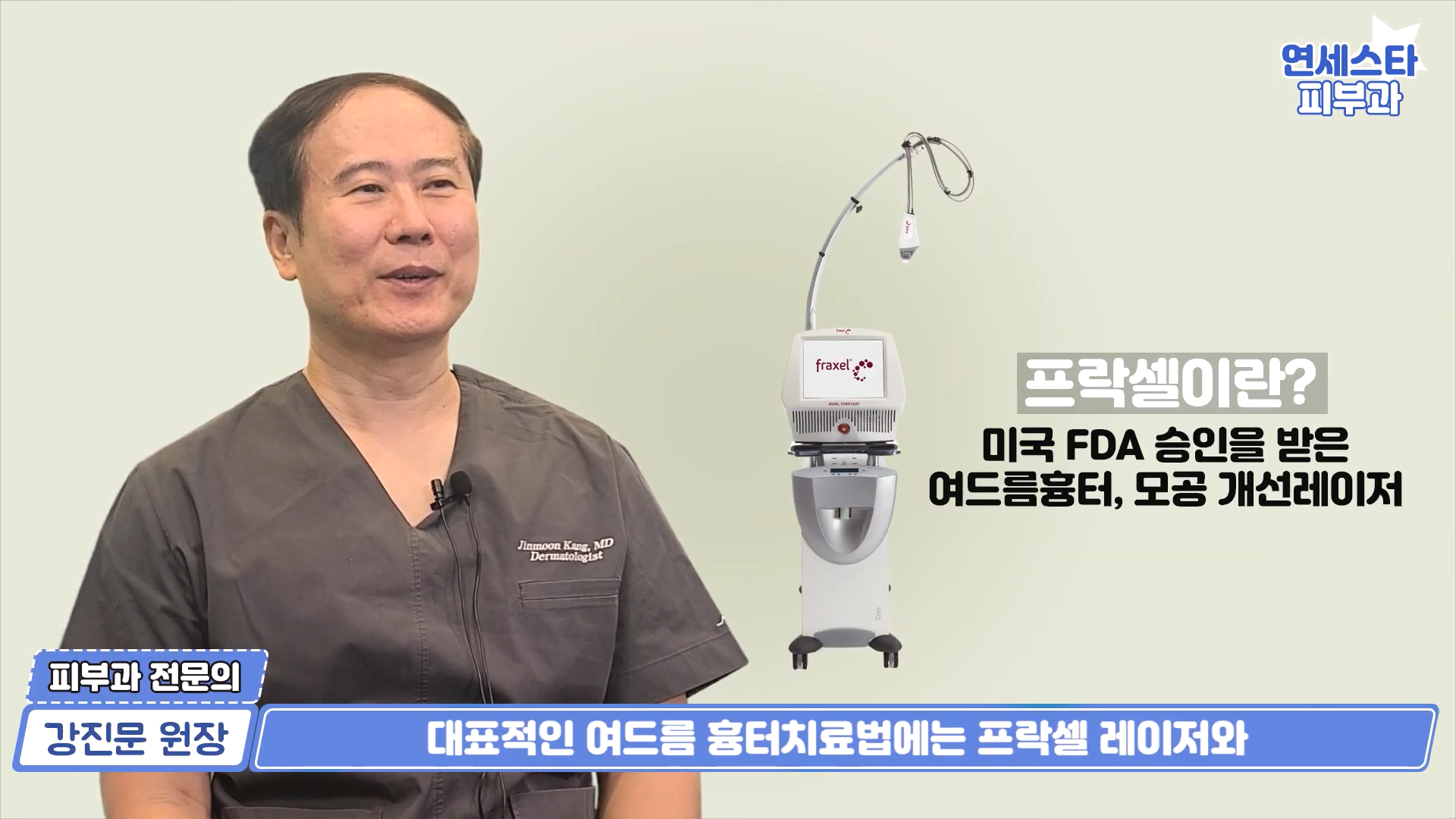
The treatment principle of fractional lasers, the most common acne scar treatment, also originated from laser dermabrasion.
To Ablate the Whole or Just a Part
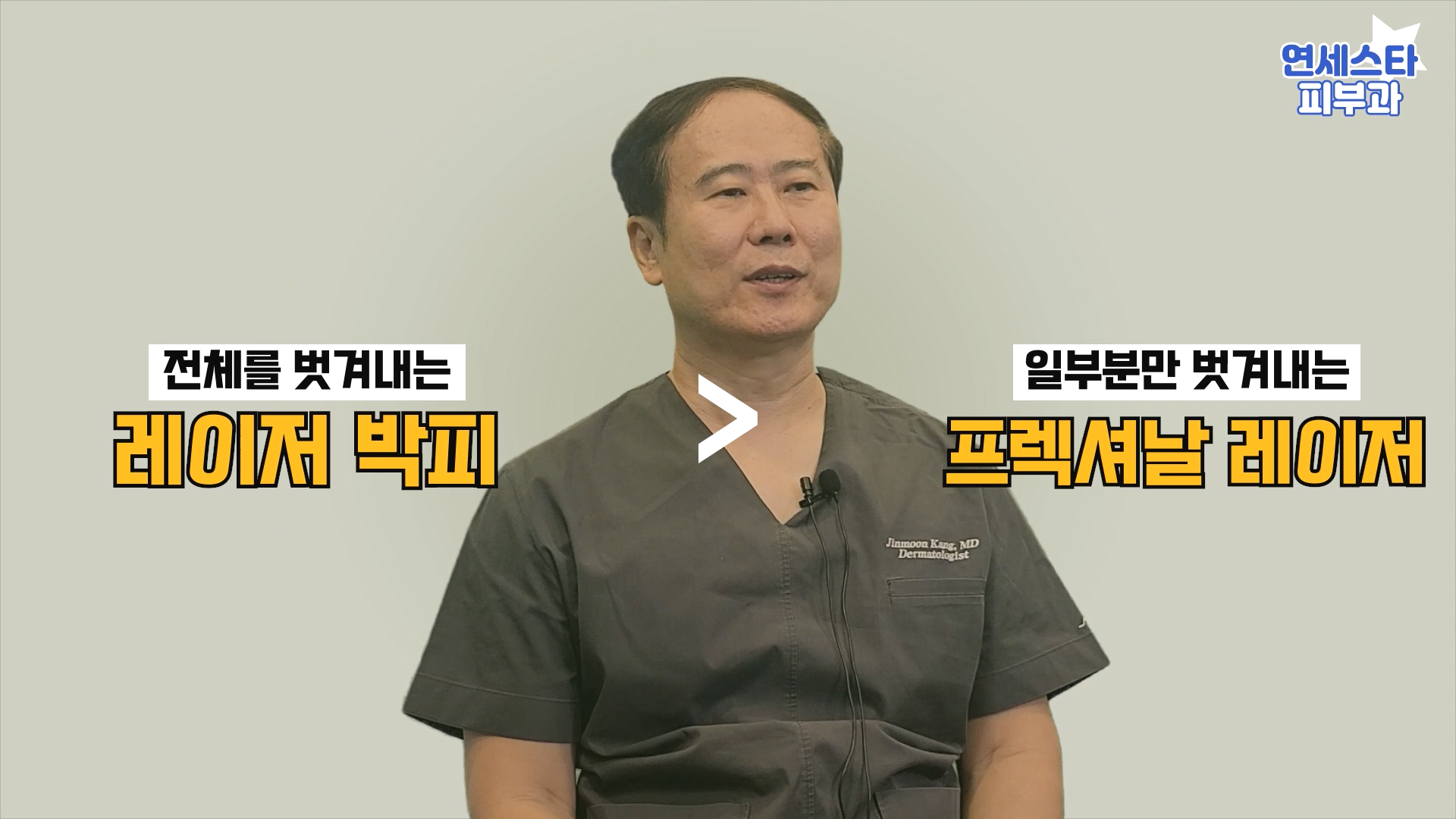
Both methods share the principle that skin regeneration occurs when the skin is injured and peeled off with a laser. However, there is a difference in whether the entire skin surface is ablated or only a part. Consequently, the advantages and disadvantages of the two treatments are inevitably opposite.
| Category | Fractional Laser | Laser Dermabrasion |
|---|---|---|
| Ablation Area | Part of the skin | Entire skin |
| Wound Healing | Relatively fast | Takes longer |
| Return to Daily Life | Less disruption | Requires ample time |
| Scar Improvement | Relatively weaker | Reported to be strong for deep scars |
Fractional lasers, such as the RePott Laser series, which ablate only a part of the skin, tend to have a weaker treatment effect compared to laser dermabrasion, which ablates the entire surface. However, because only a portion is ablated, skin wound healing is much faster, which is an advantage as it causes less disruption to daily life.
Due to this advantage, acne scar treatment rapidly shifted from laser dermabrasion to fractional lasers at one point. However, as there is less disruption to daily life, the treatment effect may also be reduced.
Therefore, the significance of laser dermabrasion is once again being highlighted as a treatment for severe scars that do not respond well to fractional lasers.

Based on our clinic's treatment experience, the scar regeneration effect of laser dermabrasion has been observed to be considerably greater than that of Fraxel (individual results may vary). For severe acne scars that have not shown improvement with Fraxel or similar fractional lasers, laser dermabrasion is reported as a meaningful option.
If you are wondering if laser dermabrasion is the right method for you, please use Acne Scar Laser Dermabrasion Chat Consultation.
Skin Gets Thicker, Not Thinner
A big twist is hidden in the principle of laser dermabrasion. Laser dermabrasion, which shaves off skin to induce regeneration, does not thin the skin but rather thickens it.
Laser dermabrasion does not shave down normal skin to match the height of pitted scars; instead, it shaves off the pitted scars along with the surrounding skin. When the skin regenerates, normal skin returns to its original state, but pitted scars regenerate by filling in more than before, making them shallower.
In the consultation room, many patients only truly understand "why the skin improves when it's shaved" after hearing this principle. Ultimately, the skin regenerates into a thicker and healthier state than before the treatment.
Long Downtime, Post-Care is Key
The most challenging aspect of laser dermabrasion is the long recovery period, known as downtime. Therefore, post-care during downtime is of utmost importance.

The importance of post-care is emphasized even more compared to general fractional lasers. The common course of events after the procedure is as follows:
- Usually, for about a week, you need to keep your entire face covered with gauze or regenerative tape.
- During this period, going out and even eating can be uncomfortable.
- The regenerative tape is removed after a week, but the skin remains red and sensitive for up to a month after dermabrasion.
- Normal social activities may also be difficult for a while.
Therefore, if you are planning laser dermabrasion, it is recommended to allow at least one month of free time. Even up to three months later, phenomena such as pigmentation may appear, so it is best to avoid important meetings, but light exercise, social gatherings, and office work are generally possible.

Effects Appear Slowly Over a Year
Skin regeneration after laser dermabrasion typically continues for about one year.

Therefore, it takes at least one year after dermabrasion to properly assess the effects, and various skin troubles or pigmentation that appear during that time will gradually disappear. If you wish to apply a similar approach to other scars, you can explore methods tailored to scar types, such as Surgical Scar Revision or Premium Customized Acne Scar Care.
In Summary
Laser dermabrasion is a challenging treatment with significant advantages reported for deeply pitted scars, and it requires special post-care proportional to its complexity. Therefore, it is recommended to have a thorough consultation with an experienced dermatologist to confirm if it is the right method for you before deciding on laser dermabrasion.
If you are unsure which treatment is suitable for your scar condition, you can easily inquire using the button below.
💬 Consult Now
Chief Director Lee Sang-joo (MD, PhD, Yonsei University College of Medicine and Graduate School, Completed Dermatology Residency at Severance Hospital, President of the Korean Dermatological Association) Chief Director Lee Sang-joo's Profile First Published 2024-07-31 / Last Reviewed 2026-06-16
This article is for general information purposes only, and treatment effects and progress may vary individually. Accurate diagnosis and treatment direction should be determined through face-to-face consultation with medical staff.