

What is Chicken Skin, or Keratosis Pilaris?
A skin condition commonly referred to as 'chicken skin' is characterized by small, rough bumps on the outer arms or thighs. Its formal name is keratosis pilaris. As summer approaches, many people hesitate to wear short sleeves or shorts and wonder if this condition can be left alone or if they should visit a dermatologist.
Keratosis pilaris is a skin condition caused by an excessive buildup of keratin (dead skin cells) around the hair follicles, blocking the pore openings. The blocked pores feel like small granules and may appear red or brownish depending on the area.
What Causes Keratosis Pilaris?

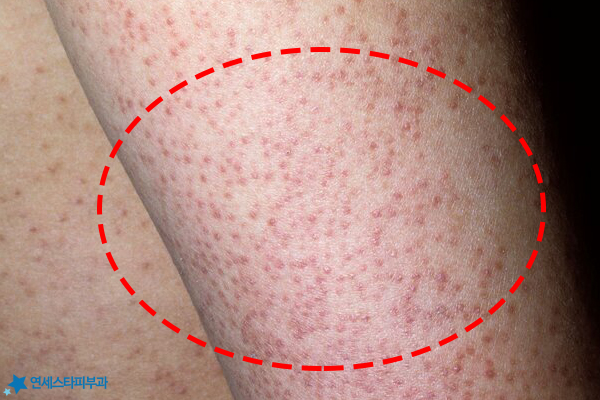
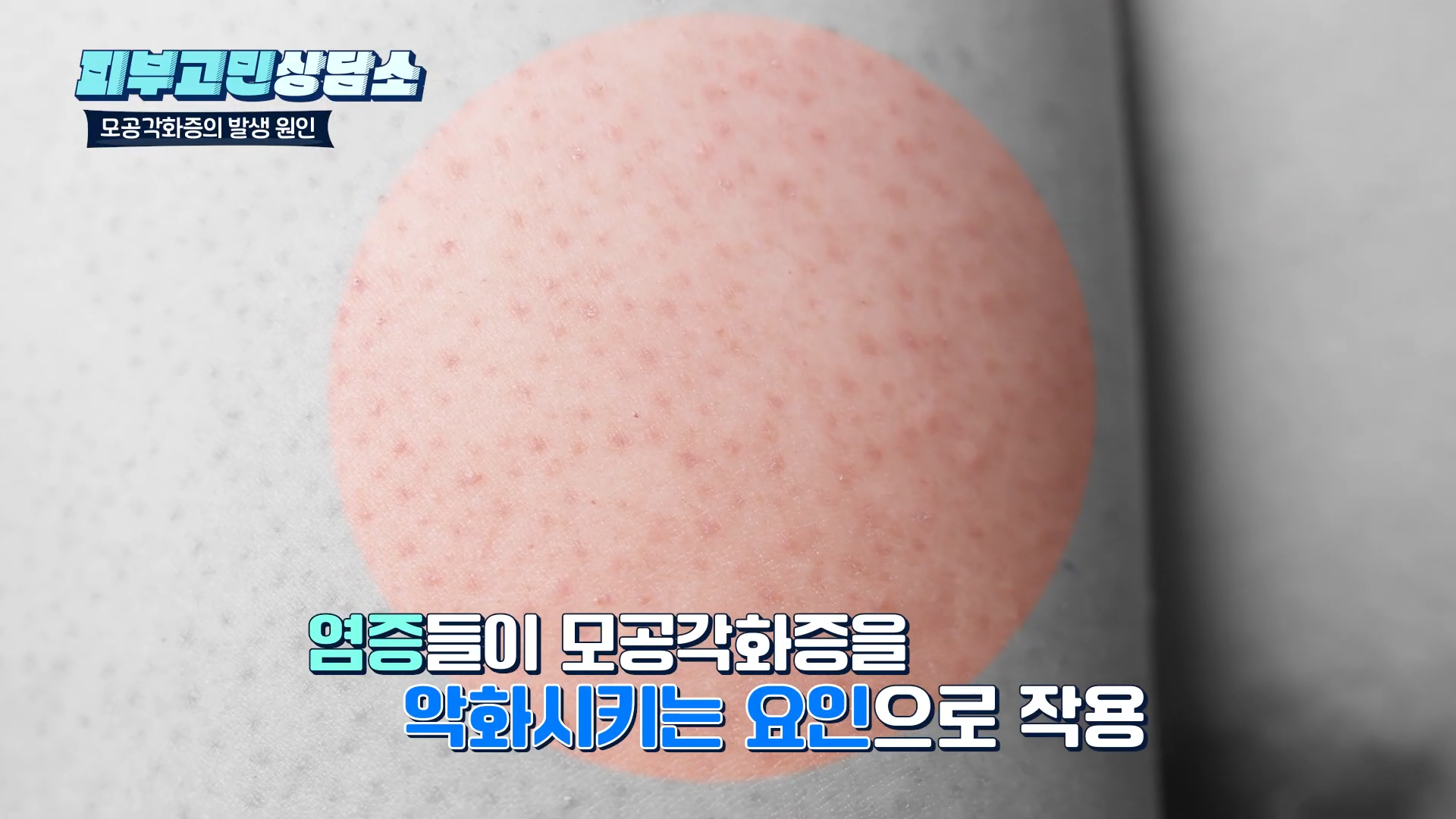
The exact cause is not yet fully understood, but genetic factors are known to play a major role. In addition to keratin, hair within the pores and red inflammation around them can also contribute to worsening the symptoms. Therefore, it's necessary to consider multiple factors rather than just one.
Dry skin tends to produce more keratinocytes. This is why symptoms often become more pronounced in winter or in environments with low humidity due to indoor heating.
Keratosis pilaris is reported as a condition involving keratin, hair within the pores, and red inflammation. An approach that considers co-occurring factors rather than targeting just one may be helpful.
It Looks Different Depending on the Type
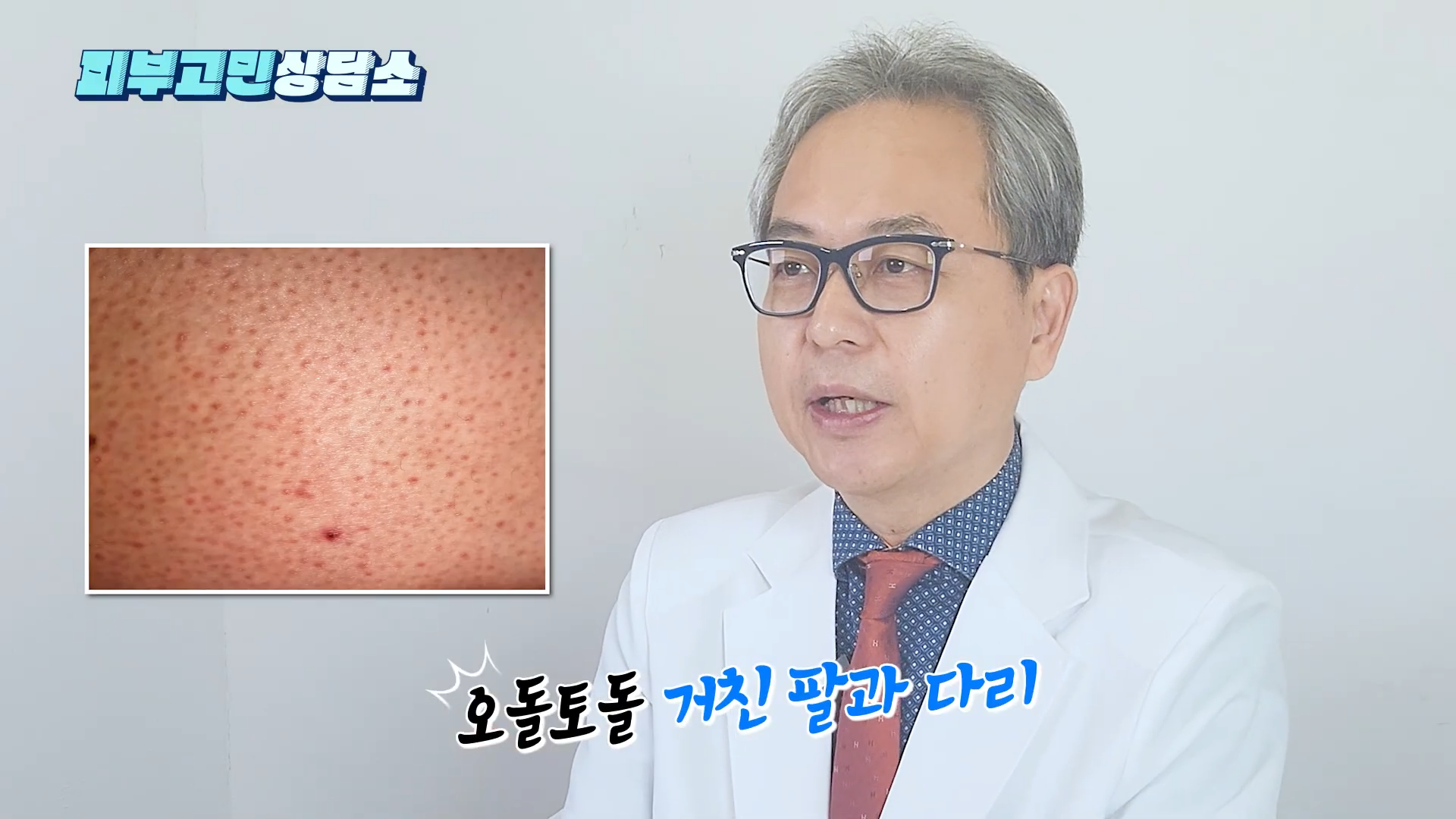
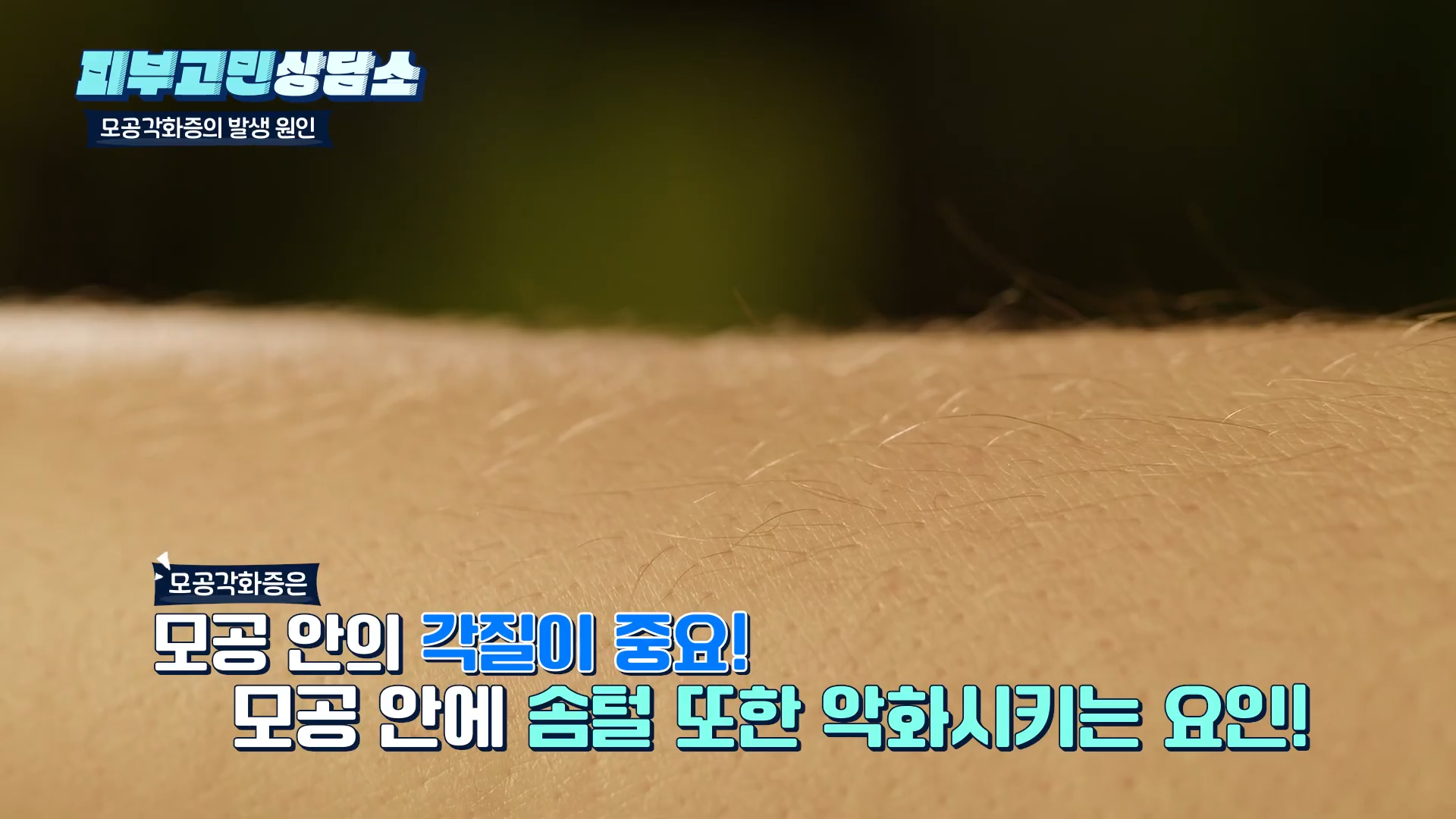
Keratosis pilaris manifests differently depending on the accompanying color changes. The table below summarizes the typical patterns observed.
| Type | Primary Appearance | Co-occurring Factors to Consider |
|---|---|---|
| Accompanied by Red Marks | Redness around the bumps | Red inflammation around the pores |
| Accompanied by Pigmentation | Appears as brown or black spots | Melanin pigment in the hair follicles |
| Keratin-Dominant Type | Prominent rough granules | Keratin blocking the pores |
Even with the same keratosis pilaris, the direction of management and treatment may vary depending on which factors are prominent. If you have similar symptoms, you can also check the overall characteristics in the Keratosis Pilaris Symptoms Guide.
Avoid Squeezing or Scrubbing
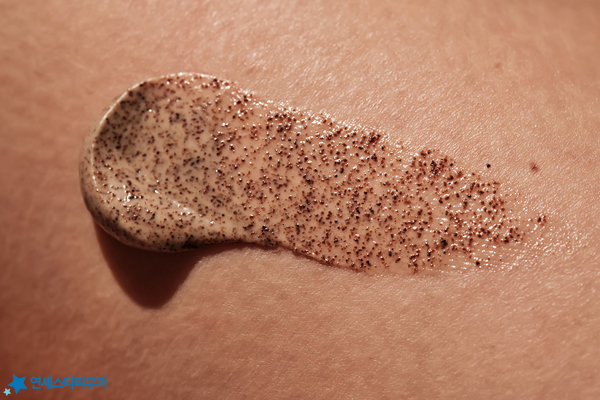
When seeing keratosis pilaris, it's easy to think of squeezing it like acne or scrubbing it because of the keratin buildup. In the clinic, we often see cases where self-management leads to increased irritation and darker red marks. Both squeezing and scrubbing can worsen symptoms and are not recommended.
Even before professional treatment, proper lifestyle habits can help alleviate symptoms. Here are some basic rules to follow at home:
- After showering, apply plenty of moisturizer while the skin is still damp to prevent dryness.
- Do not rub with a bath towel or harsh scrub.
- Do not squeeze or pick at the bumps with your fingernails.
- Maintain appropriate humidity indoors to prevent dryness.
- Use a mild, non-irritating cleanser.
If you are also concerned about your pore condition, the Pore Concerns Guide may be helpful. Feel free to leave any questions via Keratosis Pilaris Consultation Chat.
When to Consider Keratosis Pilaris Laser Treatment


If at-home care is slow to show improvement, or if prominent red marks or pigmentation are present, you might consider chicken skin treatment at a dermatology clinic. Currently, common methods used in dermatology include laser treatment, peeling, and ointment prescriptions.
Laser treatment may involve different approaches depending on the type of symptoms:
- For prominent red marks, lasers targeting blood vessels, such as Vbeam Prima, may be used.
- For brown or black pigmentation, lasers like GentleMax PRO, which are used to improve melanin pigment in hair follicles, may offer whitening, hair removal, and pore shrinkage effects. However, the effectiveness and response may vary among individuals.
If pigmentation is prominent, you can review the treatment process for Keratosis Pilaris Treatment. If you are interested in approaches targeting hair follicles, the GentleMax Pro Permanent Hair Removal guide may also be helpful.
Ointments are Auxiliary and Require Specialist Guidance


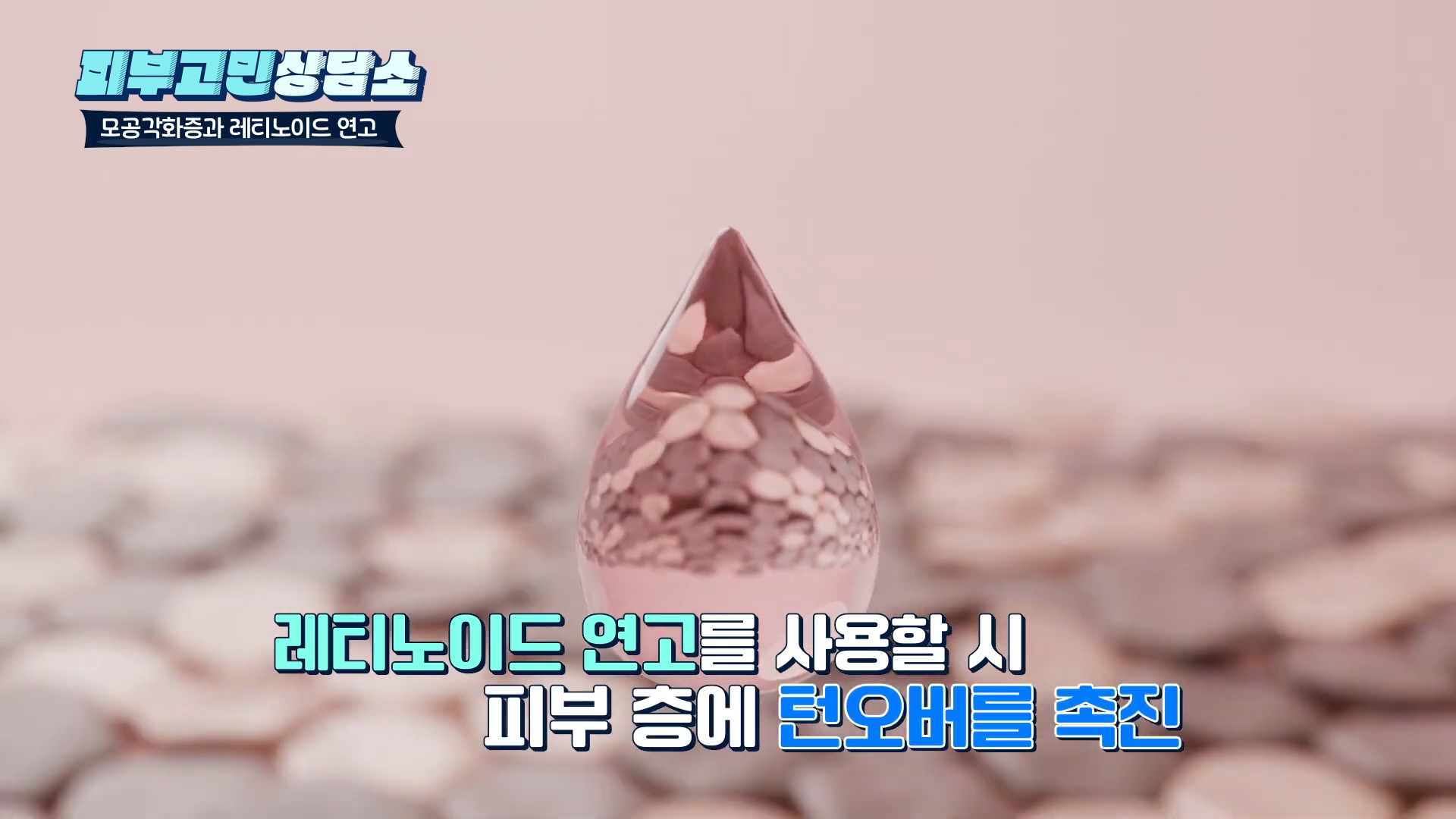
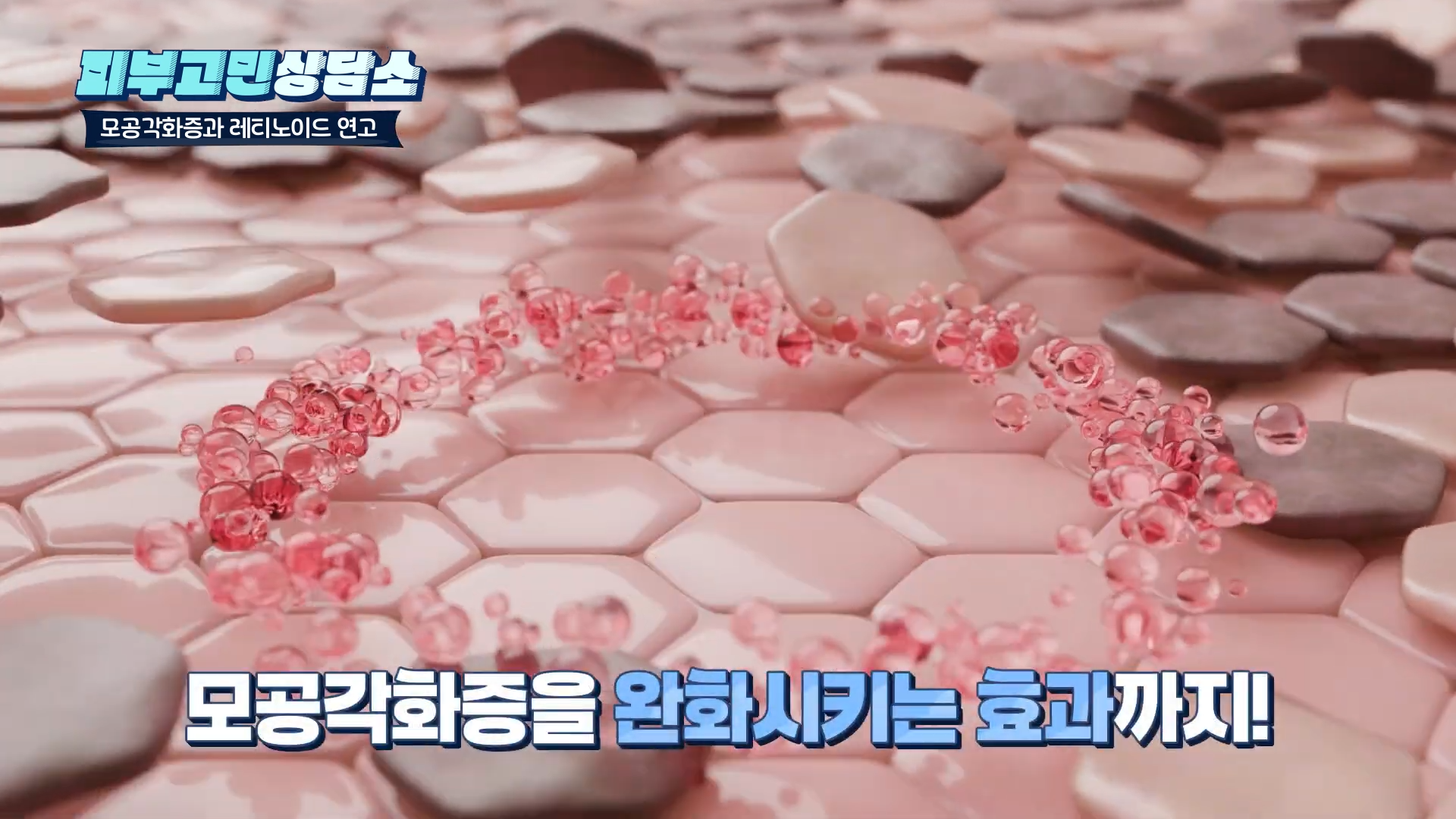
Dermatologists may prescribe retinoid (vitamin A derivative) ointments for keratosis pilaris management. These can be used as an adjunct to help refine skin texture by promoting keratin turnover.
However, excessive use can cause irritation, so it is crucial to use them appropriately under the prescription and guidance of a specialist. Self-purchasing and arbitrary use are not recommended. If you are also concerned about redness, you can find perspectives on red marks in the Facial Redness Guide.
Consistent Management is Key

Currently, there is no known method to completely eliminate keratosis pilaris. However, consistent moisturizing care, proper lifestyle habits, and professional treatment when necessary can help alleviate symptoms and maintain that state for a relatively long time. Of course, the extent of progression and response may vary among individuals.
Rather than worrying alone, we recommend discussing the appropriate approach for your skin condition with a specialist.
💬 Consult NowSang-Joo Lee, Chief Director (MD, PhD, Yonsei University College of Medicine and Graduate School; Completed Dermatology Residency at Severance Hospital; President of the Korean Dermatological Association)
First Published 2026-05-06 / Last Reviewed 2026-06-16
This article contains general information about keratosis pilaris, and the manifestation and treatment response of the same symptoms may vary from person to person. Please consult with medical staff for an accurate diagnosis and treatment plan.