
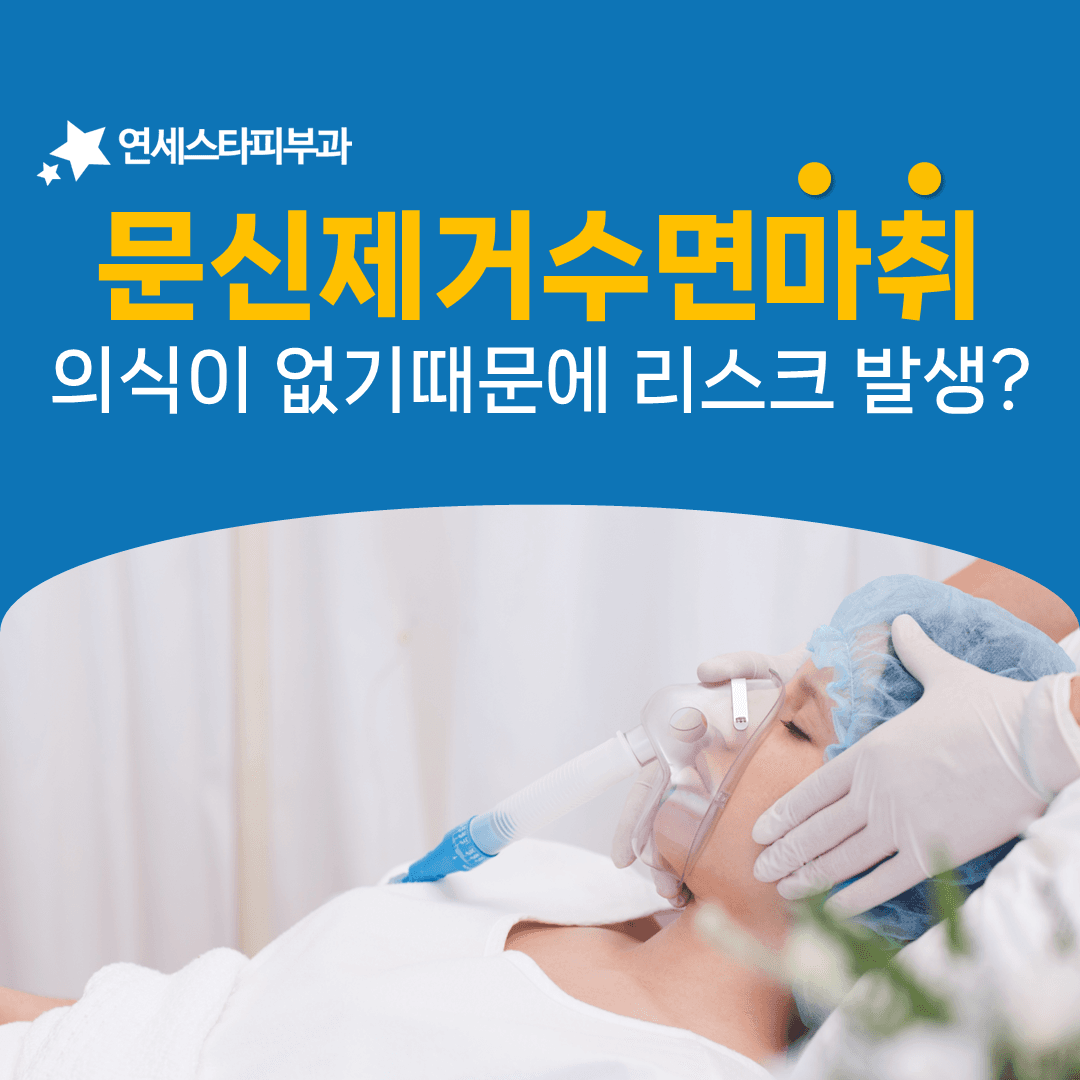
Tattoo removal is a laser procedure, so various anesthesia methods are used. Among them, many people first think of sleep anesthesia due to fear of pain.
Let's examine what sleep anesthesia entails and whether it might be an excessive choice for the length of the procedure.
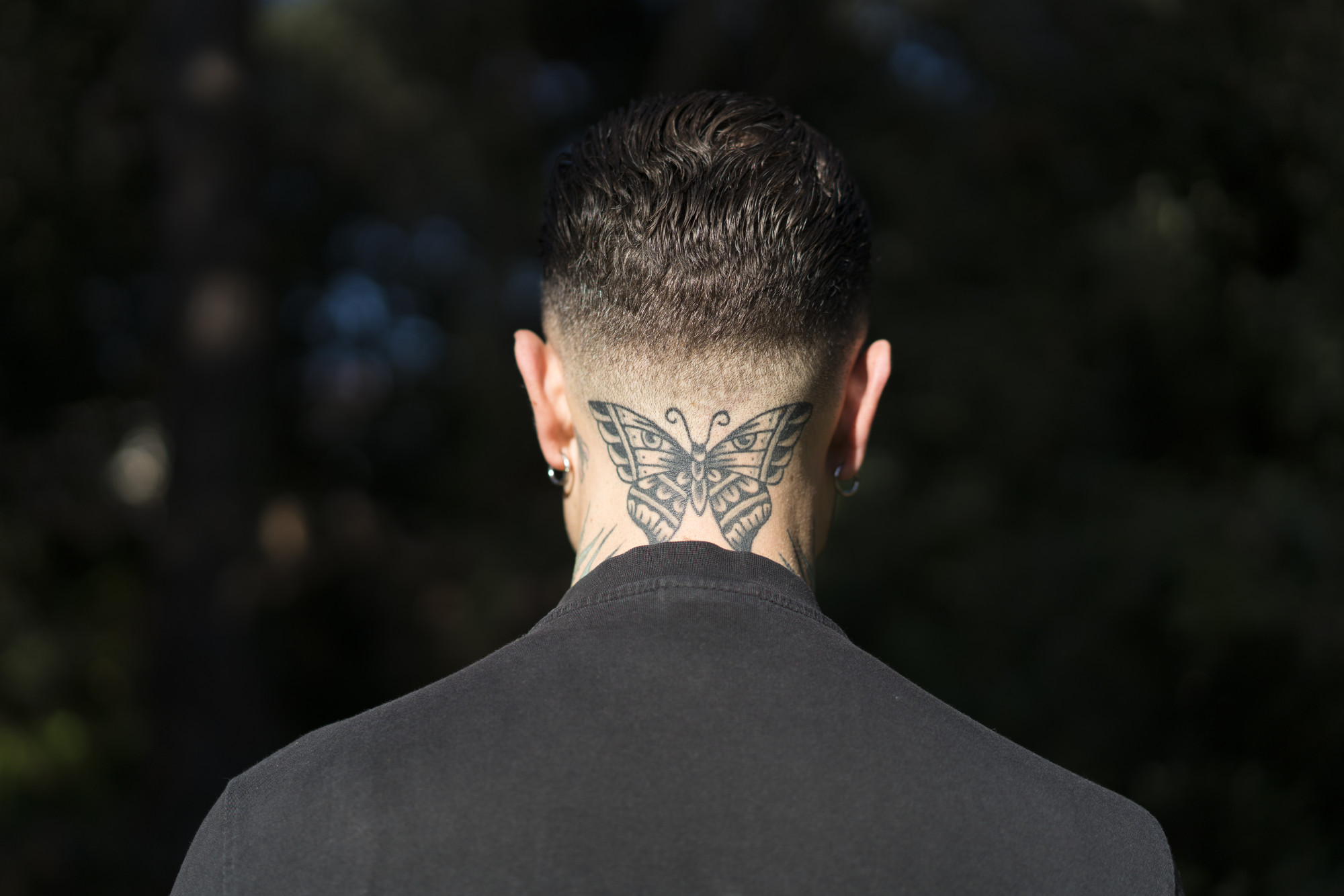
Anesthesia Methods Used for Tattoo Removal
There are four main methods:
| Method | Approach | Points to Consider |
|---|---|---|
| Sleep Anesthesia (Intravenous Anesthesia) | Induces unconsciousness with medication to prevent pain | Longer recovery time and potential risks |
| Topical Anesthetic Cream | Applied to the skin for anesthetic effect | Most basic method |
| Nitrous Oxide Anesthesia | Non-sleep inhalation anesthesia | Reduces pain and anxiety; immediate return to daily life after procedure |
| Local Anesthetic Injection | Injected directly into the treatment area | Reduces pain, but temporary swelling may occur |

A Seemingly Comfortable Choice That Can Be Excessive
Sleep anesthesia might feel like the most comfortable method. However, applying general sleep anesthesia for a relatively short procedure like tattoo removal might be excessive.
Sleep anesthesia involves administering a sedative called propofol to induce complete sleep. Since the patient is unconscious, they do not feel pain.
However, communication with the medical staff is difficult, and since the procedure is performed while the patient is unconscious, some safety risks must be accepted.
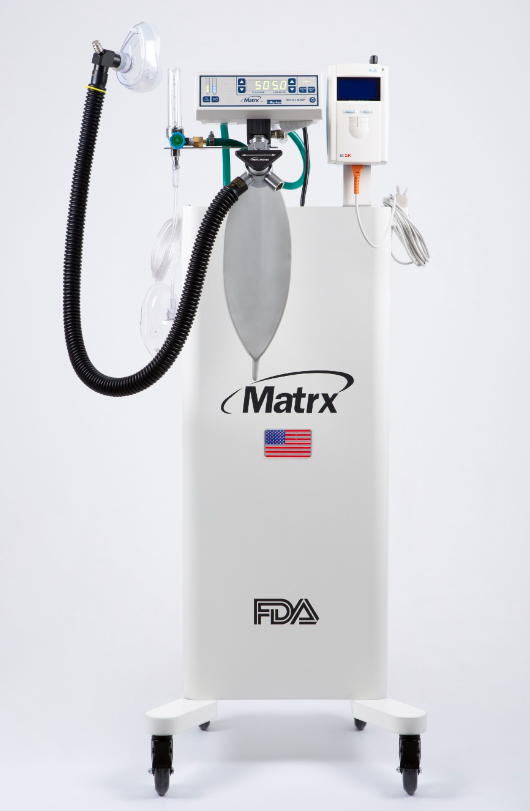
Nitrous Oxide Anesthesia as an Alternative
Nitrous oxide anesthesia is an inhalation anesthesia that reduces anxiety and pain while maintaining consciousness, rather than inducing sleep.
Without sleep induction, oxygen and nitrous oxide are delivered through breathing while the patient is awake. The benefits include:
- Reduces pain that may occur during the procedure
- Lowers fear and anxiety
- Allows communication with medical staff, enabling a more delicate procedure
Details on the procedure composition can be found in R-Zero Pico-Frectat Tattoo Removal, and other types of methods are available in Nd:YAG Tattoo Removal.

Strong Anesthesia Is Not Always the Answer
Tattoo removal can be a procedure accompanied by pain. However, strong anesthesia is not always necessary.
As it is a procedure performed directly on the skin, it is better to choose an anesthesia method that is tolerable while minimizing the burden on the body.
What to Clarify During Consultation
It is easier to determine the method if you inform us of the treatment area, estimated time required, your sensitivity to pain, and whether you need to return to daily life immediately after the procedure. There may be individual differences in anesthesia response and perceived pain.
The overall treatment flow can be checked in Tattoo Removal Treatment Guide.

Authored · Medically Reviewed by Chief Director Dr. Jinmoon Kang (Dermatologist) Board-Certified Dermatologist · Graduated from Yonsei University College of Medicine · Completed Dermatology Residency at Severance Hospital Currently Adjunct Professor, Department of Dermatology, Yonsei University College of Medicine · Former Professor at Bundang CHA Hospital Member of the Korean Dermatological Association · Member of the Korean Society for Laser Medicine and Surgery View Medical Staff Profile
First Published 2025-05-19 · Last Reviewed 2026-07-29
This article contains general medical information and does not substitute for individual diagnosis and treatment. Results and recovery progress may vary by individual.