


The reasons people often delay tattoo removal are usually similar: Will it be removed cleanly without leaving a scar? Will the procedure be very painful? Will it take a long time due to multiple repetitions?
These three concerns are actually intertwined. Let's unravel how they are connected.
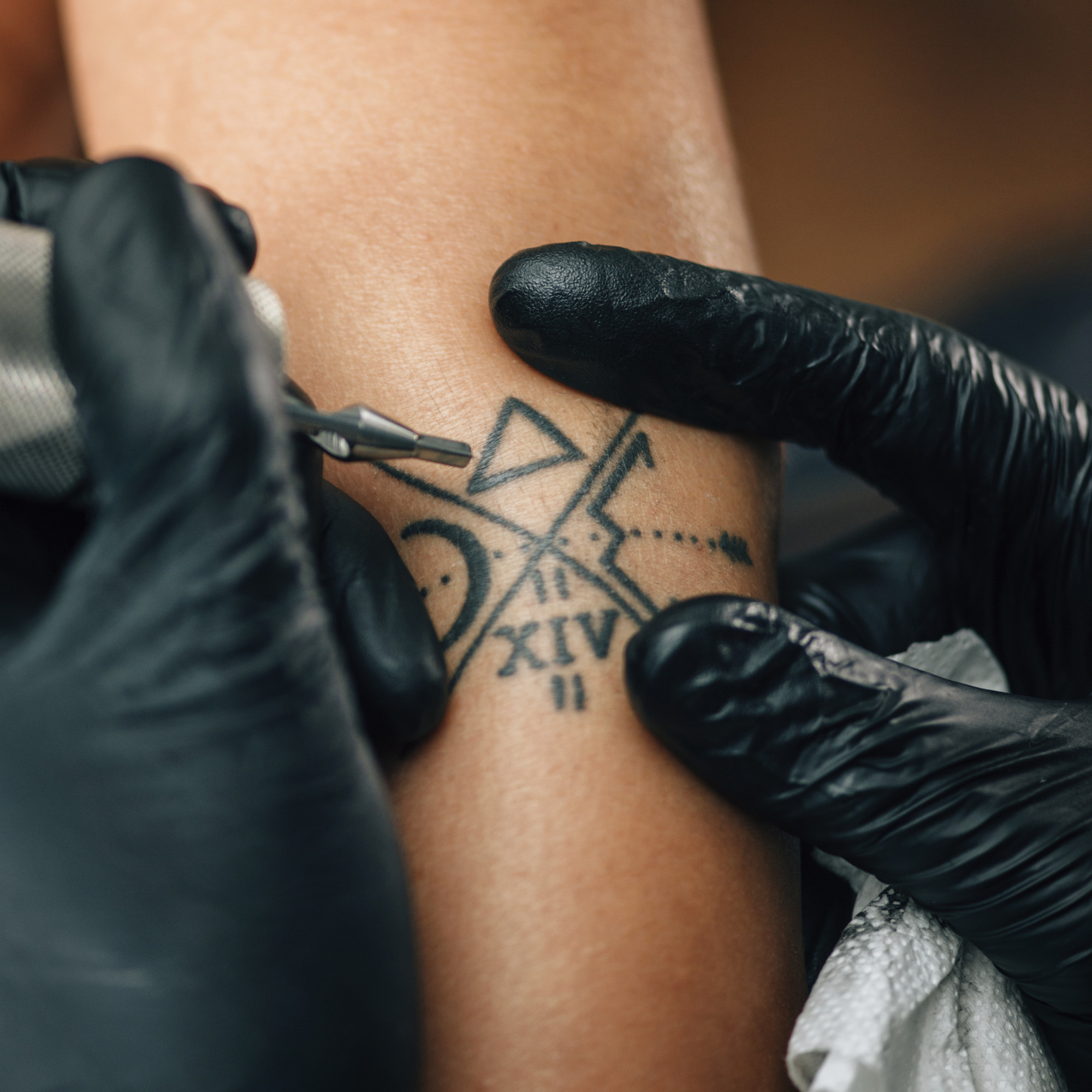
The root of time concerns lies in white bubbles
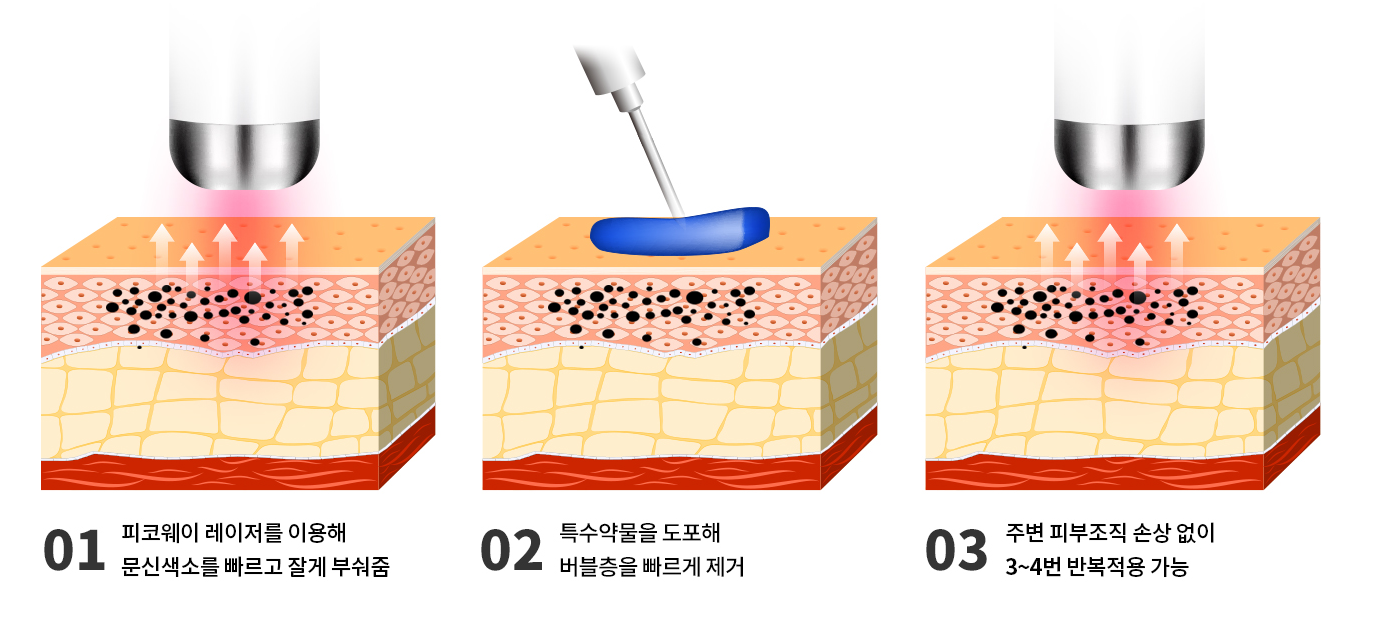
Traditional tattoo removal methods allowed for only one laser pass per visit. This is because when a laser is applied to the tattooed area, white bubbles form, which obstruct laser penetration.
Since only one pass could be performed at a time, the total duration of treatment was inevitably long. This is where concerns about time begin.
Up to four passes in one visit
Our clinic's R-Zero Technique applies a special medication to immediately eliminate these white bubbles. Once the bubbles disappear, further laser passes can be performed.
Depending on the individual's condition, up to four passes can be performed in a single visit. This approach aims to shorten the number of treatment sessions by overcoming the limitations of existing treatments.

Placing the three concerns side by side
| Concern | Cause | Approach |
|---|---|---|
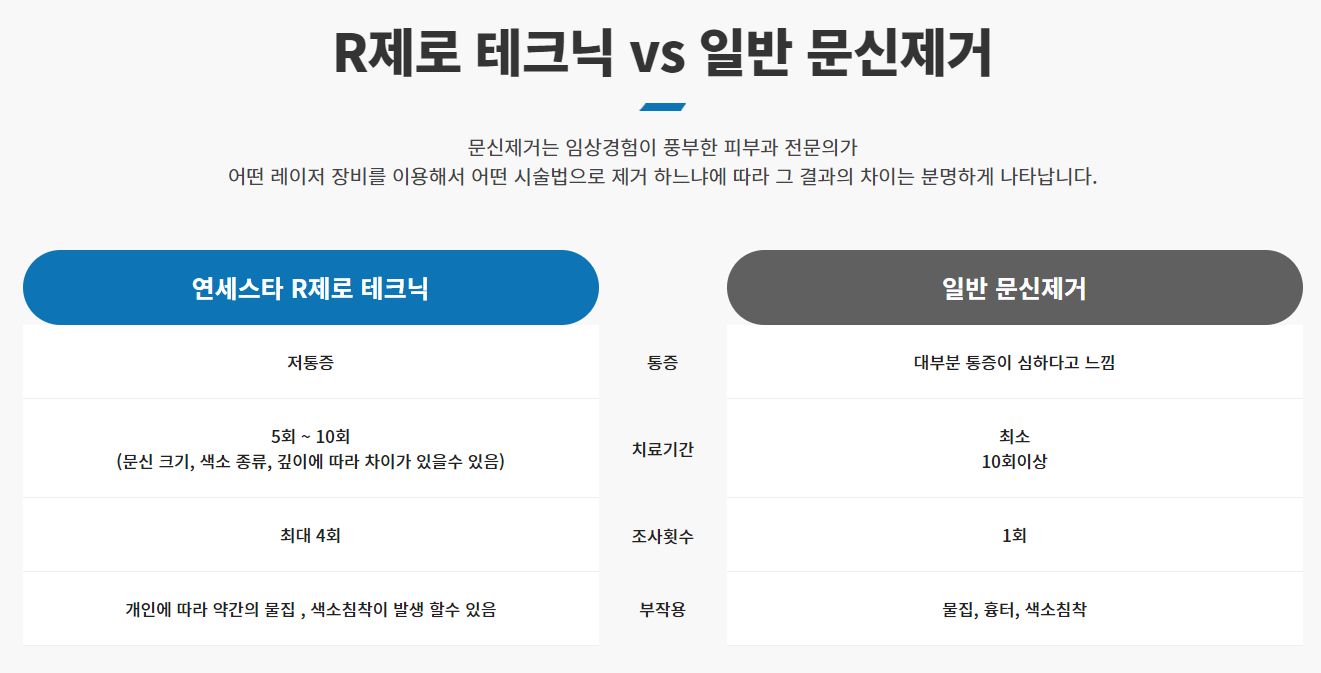
| Scarring | Skin damage due to excessive laser application | Intensity tailored to skin condition |
| Pain | Stimulation during laser application | Application of a low-pain system |
| Time | Existing limitation of one pass per session | Up to four passes per session |
Instead of addressing these three concerns separately, we adjust them together during the diagnosis and planning stages. The treatment composition is summarized in the R-Zero Pico-Frectat Tattoo Removal Guide.
How results vary depending on who performs the procedure
All medical staff at our clinic are board-certified dermatologists. Tattoo removal is an area where results can vary significantly depending on whether the procedure is performed by a dermatologist with extensive clinical experience or by a facility without one.
This is because determining the appropriate laser intensity by interpreting the depth and type of pigment is a matter of judgment.
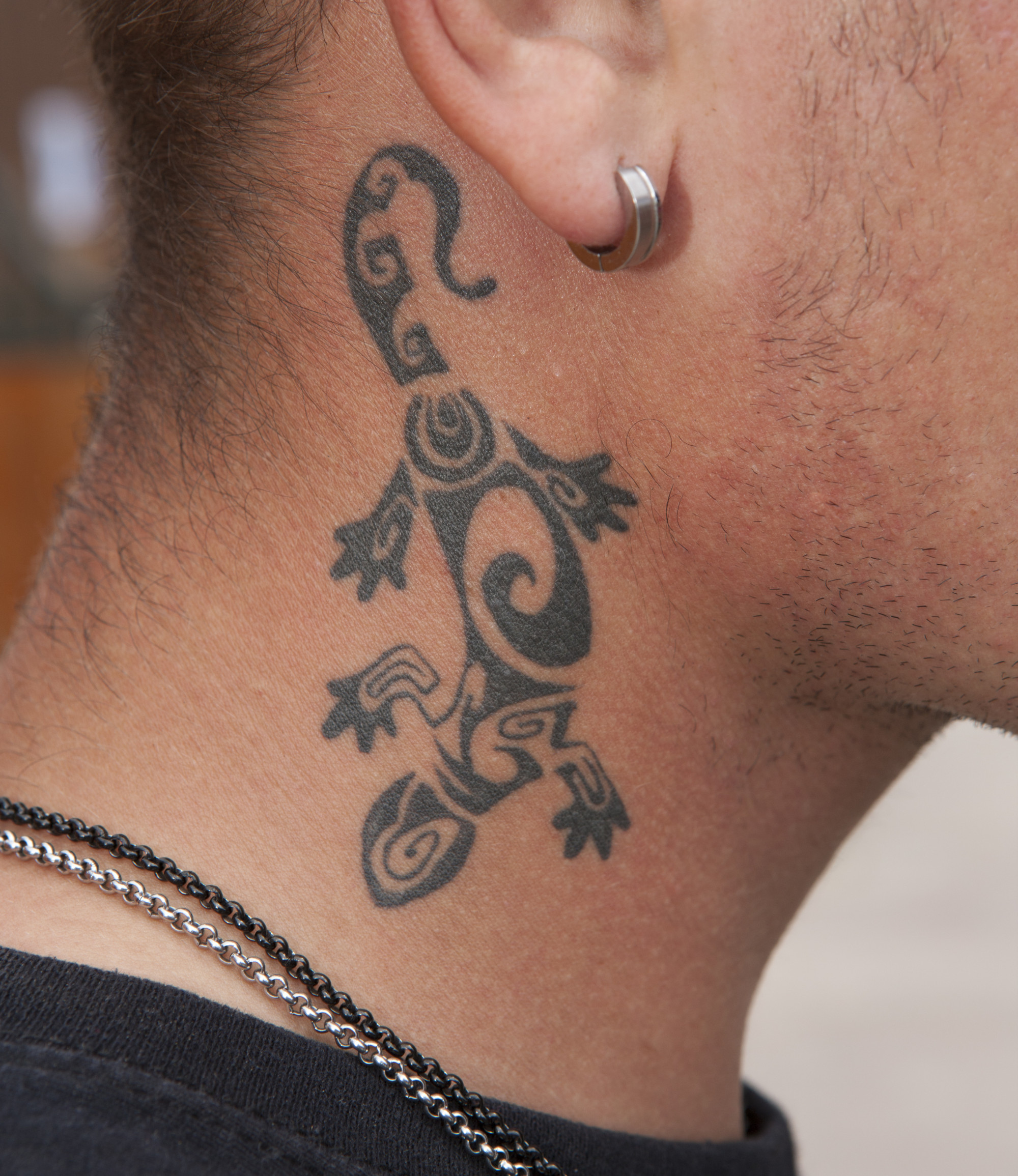
What types of tattoos are treated
The low-pain system is used for the following types of tattoos:
- Monochromatic tattoos
- Color tattoos
- Semi-permanent makeup such as eyebrows and eyeliner
The approach varies depending on the color composition of the tattoo, and in some cases, Nd:YAG Tattoo Removal may be performed.
What to check during consultation
If you wish to remove pigment without worrying about scarring, we recommend asking about how many passes are possible per session and the pain management methods. Individual experiences with pain and recovery progress may vary.
The overall treatment flow can be found in the Tattoo Removal Treatment Guide.

Authored and medically reviewed by Representative Director Dr. Lee Sang-Joo (Board-certified Dermatologist) Graduated from Yonsei University College of Medicine · Ph.D. in Medicine from Graduate School · Resident in Dermatology at Severance Hospital Currently Adjunct Professor, Department of Dermatology, Yonsei University College of Medicine · President of the Korean Dermatological Association in 2026 Author of Medical Skincare, Skin Barrier, etc. View Medical Staff Profile
First published 2025-02-05 · Last reviewed 2026-07-29
This article contains general medical information and does not substitute for individual diagnosis and treatment. Results and recovery progress may vary by individual.