
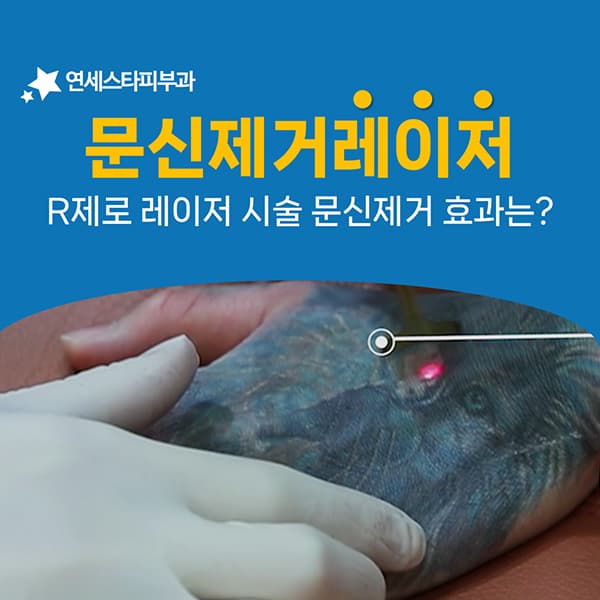
People often regret tattoos, semi-permanent makeup, or colored tattoos over time, or consider removal due to changes in shape. However, simply using multiple laser shots alone may not yield satisfactory results for several reasons.
Why Multiple Shots Alone Are Insufficient
- Tattoo pigments are deeply embedded in the dermis, making them difficult to remove with simple epidermal clearance.
- For older or multi-colored inks, the number of sessions and cost tend to increase with conventional methods.
- There is a possibility of side effects such as damage to surrounding healthy skin, scarring, or pigmentation during the treatment process.
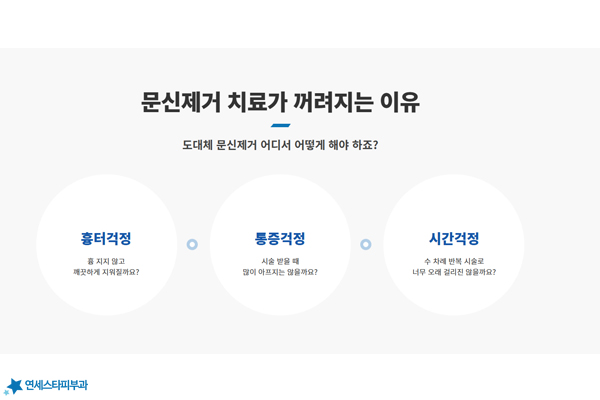
The Waiting Time Caused by White Bubbles
When tattoos are removed with a general laser, white bubbles form at the irradiated site. It was difficult to proceed continuously until these bubbles disappeared, which prolonged the treatment period.
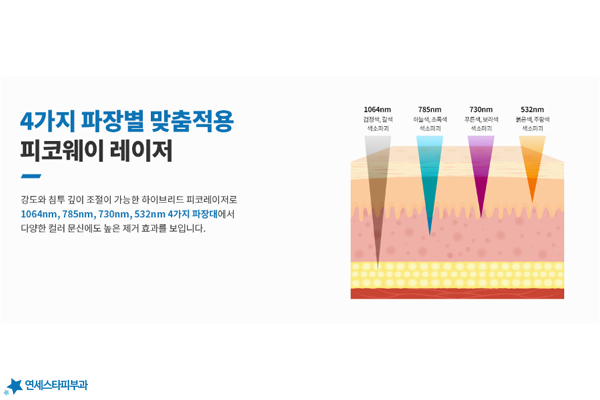
As sessions accumulated, the burden increased, and many people either stopped midway or hesitated to start at all. Recently, technologies focused on reducing the number of treatments and lowering the risk of side effects have been introduced. The R-Zero Technique, Pinhole Technique, and PicoWay Laser are examples of these.

R-Zero Technique to Clear Bubbles
The R-Zero Technique involves applying a special medication over the bubbles to make the bubble layer disappear quickly, allowing for immediate re-irradiation.
This enables the PicoWay Laser to be performed up to four times consecutively, speeding up the process. During the procedure, auxiliary devices are also used to minimize damage to surrounding healthy skin and alleviate pain. Air cooling is a prime example.
The equipment and procedure configuration are detailed in the R-Zero Pico-Frectat Tattoo Removal guide.

Where the Pinhole Technique is Added
The Pinhole Technique is used not only for tattoo removal but also for scar treatment. Its principle is to activate the skin's regenerative power by creating very small holes with a laser, and it is a clinically recognized technique that can help even with old scars.
Especially for large tattoos, colored tattoos, or deeply embedded ink, simple laser irradiation alone may be insufficient. Combining PicoWay with the Pinhole Technique is a strategy that can enhance effectiveness.
For an explanation of the Pinhole Technique itself, please refer to the Pinhole for Burn & Surgical Scar guide, and for other removal methods, check Nd:YAG Tattoo Removal.
Post-Treatment Precautions and Care
After laser tattoo removal, the skin is sensitive.
| Care Item | Content |
|---|---|
| Sun Protection | Continue throughout the recovery period |
| Friction | Avoid friction on the treated area |
| Exercise | Avoid strenuous exercise |
| Moisturizing | Included in post-treatment skincare |
| Cooling | Included in post-treatment skincare |
The number of treatment sessions may vary depending on the situation, such as with dark or colored tattoos. Choosing an experienced dermatologist to prevent damage to healthy skin is also part of this.
During the recovery period, there is a possibility of hyperpigmentation or scarring, so we recommend consistently continuing with moisturizing, cooling, and sun protection.
Rather Than Expecting a Single Treatment
Instead of expecting tattoo removal to be completed in a single laser session, a plan tailored to the method, equipment, and skin condition is more important. By carefully choosing a clinic, you can get one step closer to satisfactory results.
If you have any questions, please leave them via Chat Inquiry Now.

Authored · Medically Reviewed by Representative Director Dr. Jinmoon Kang (Dermatologist) Graduated from Yonsei University College of Medicine · Dermatology Resident at Severance Hospital Former Professor at Bundang CHA Hospital · Current Adjunct Professor at Yonsei University College of Medicine, Department of Dermatology · Member of the Korean Dermatological Association View Medical Staff Profile
First Published 2025-11-12 · Last Reviewed 2026-07-29
This article contains general medical information and does not substitute for individual diagnosis and treatment. Results and recovery progress may vary from person to person.