
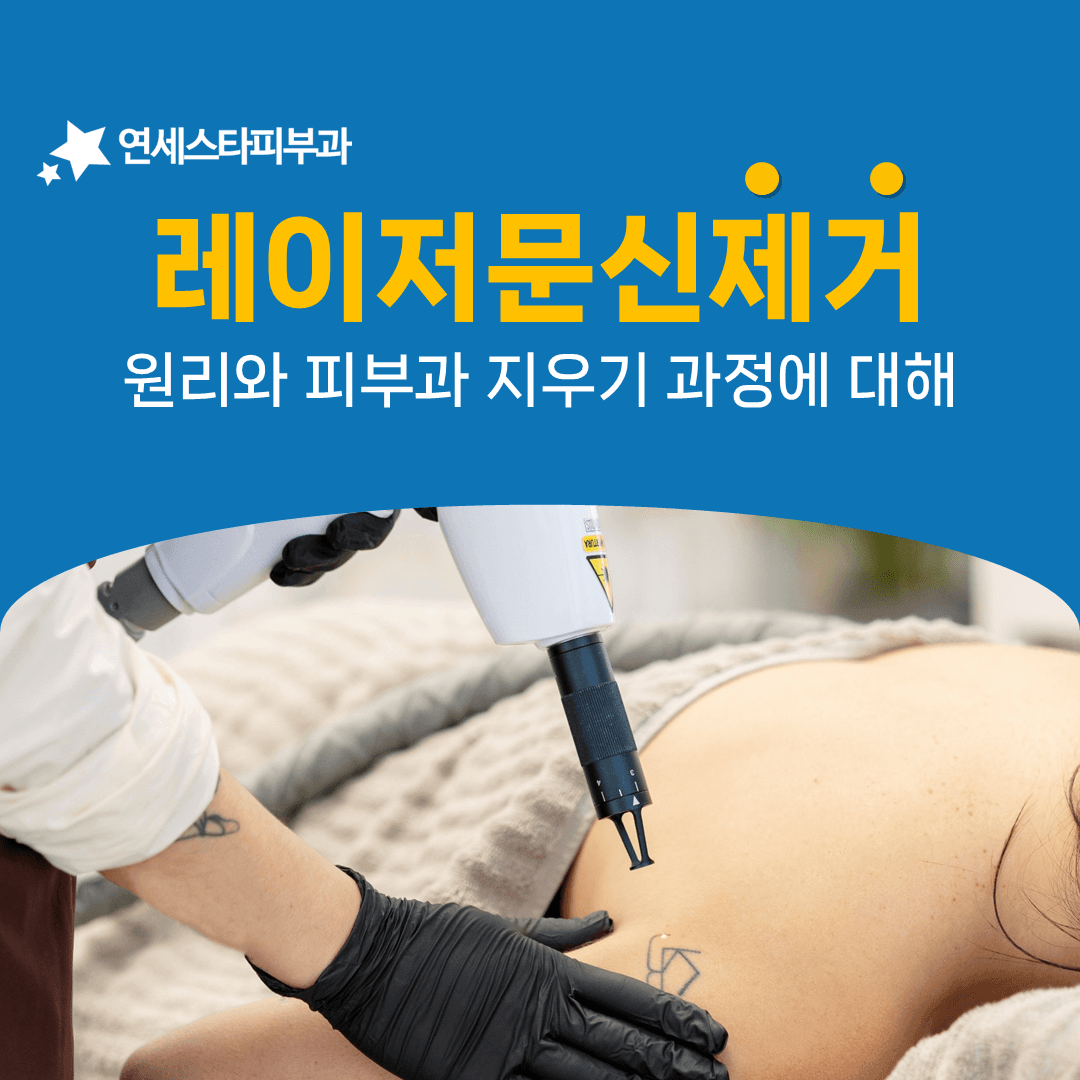
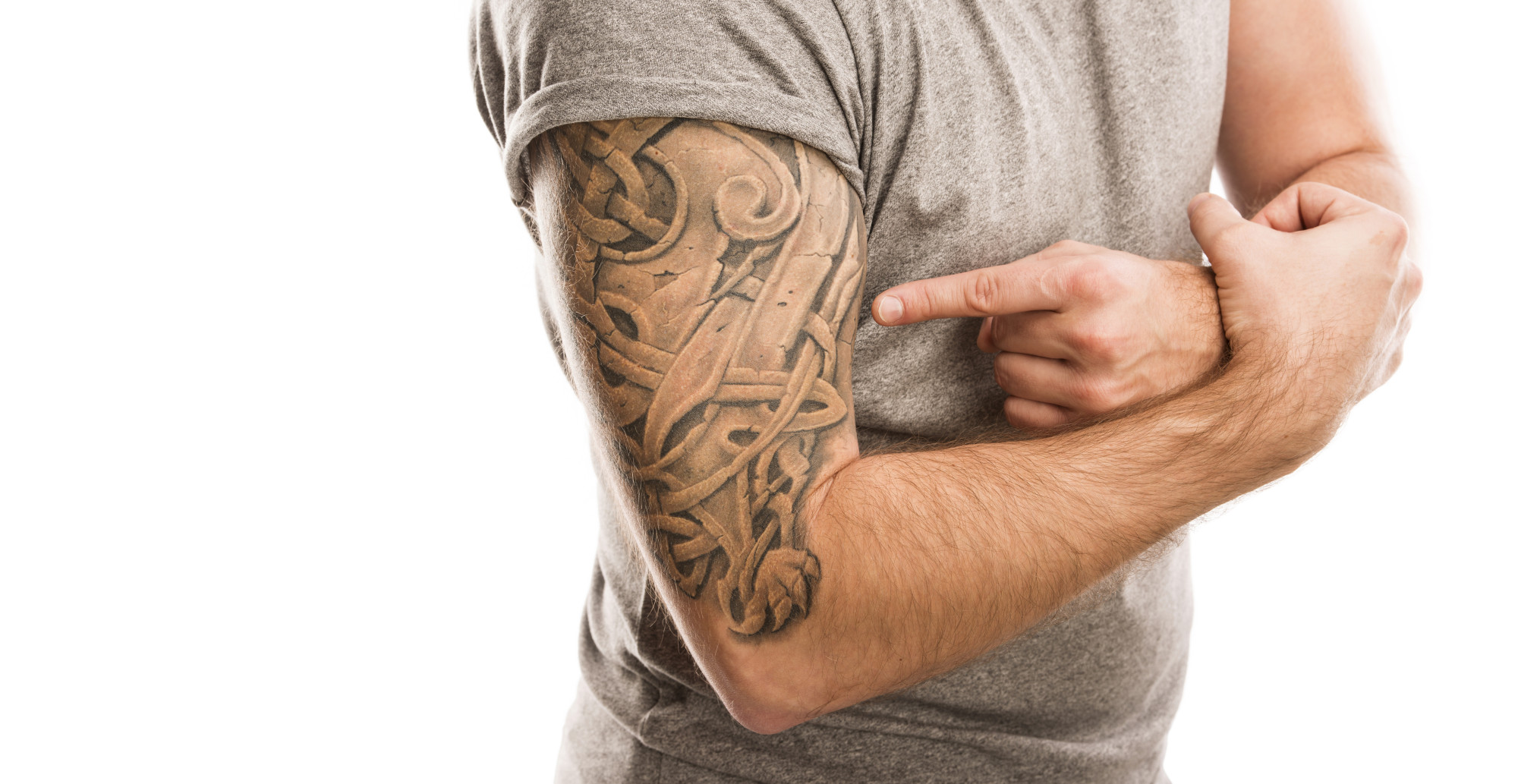
Tattoos, once a mark of individuality, can become unwanted traces. They might cause concerns due to workplace or daily life restrictions.
This article outlines how tattoos are removed, explaining the principles and process step-by-step.
Why Ointments Don't Reach
Tattoos are not made with ordinary ink. The pigment is deposited in the deeper dermal layer, not the outer epidermis, which is why it doesn't fade easily.
For this reason, cosmetic products like ointments or creams alone are insufficient. The pigment particles must be broken down within the skin and expelled by the body's immune response.
Wavelengths Targeting Only Pigment
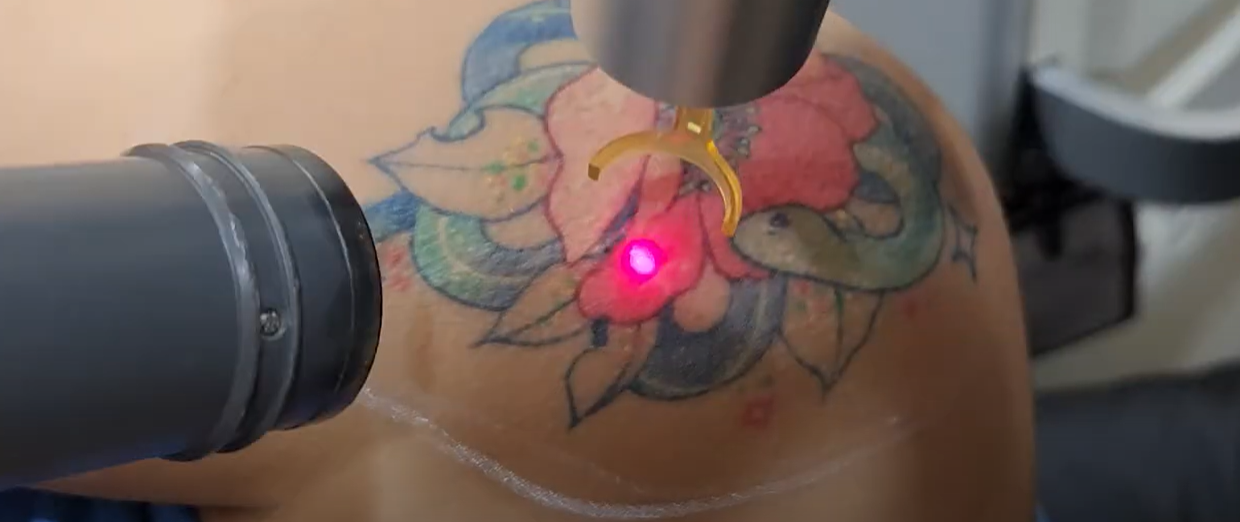
Laser tattoo removal uses specific wavelengths to target and break down only the tattoo pigment.
Once the pigment is finely fragmented, macrophages, which are immune cells in the body, slowly expel the broken-down ink.
While black responds to most wavelengths, red, blue, and yellow absorb different wavelengths depending on their color.
Therefore, using a picosecond laser like PicoWay can address various colors. Equipment configurations are detailed in the R-Zero Pico-Frectat Tattoo Removal guide, and the single-wavelength method is explained in Nd:YAG Tattoo Removal.
Variables Determining the Number of Sessions
| Variable | Impact on Number of Sessions |
|---|---|
| Tattoo size and depth | Larger and deeper tattoos require more sessions |
| Color composition | Multiple colors require different wavelengths |
| Amount of ink | More ink requires more time and sessions |
Typically, 5 to 10 or more treatment sessions are often required. If the color is dark or the amount of ink is large, it may increase further.
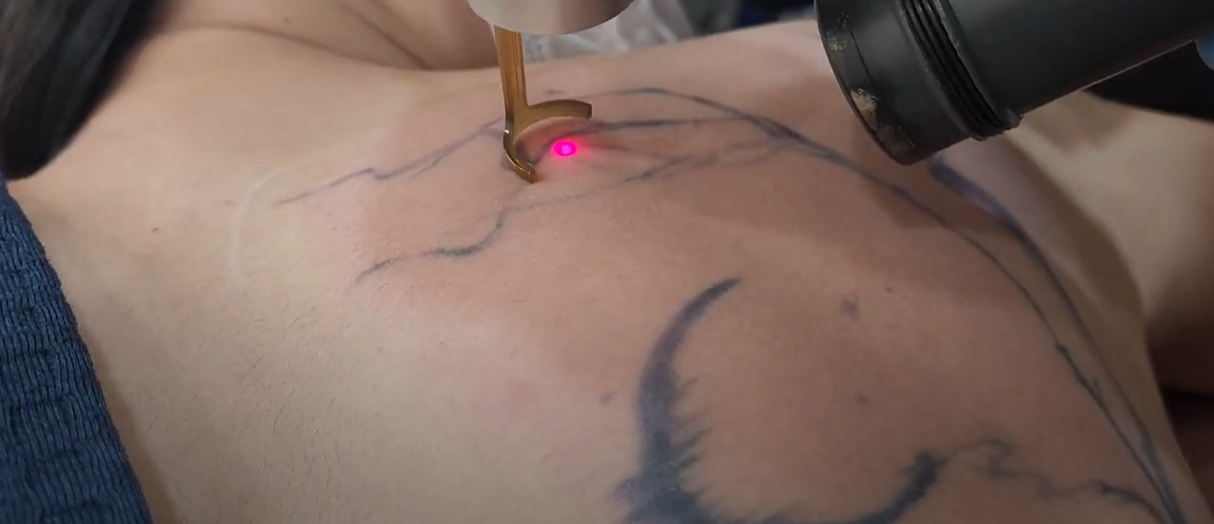
Pain and Recovery
- Pain can be reduced to some extent with topical anesthetic cream or nitrous oxide anesthesia.
- After the procedure, there may be some swelling, requiring a calming period.
- Laser intensity is adjusted to prevent scarring.
If you have any questions, you can ask them via Chat Now.
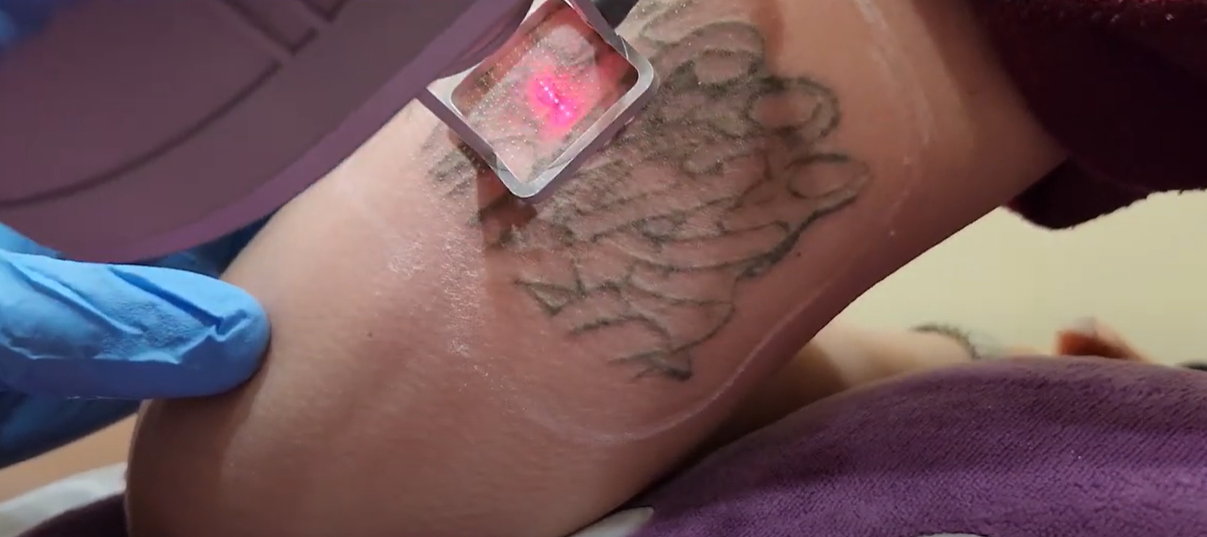
Adding Pinhole Technique When Needed
If necessary, the CO2 laser Pinhole Technique can be performed concurrently. This treatment creates very fine holes in the skin with a CO2 laser, a procedure to prevent scarring in areas where the skin is damaged or pigment has been removed.
More details can be found in the Pinhole for Burn & Surgical Scar procedure guide.
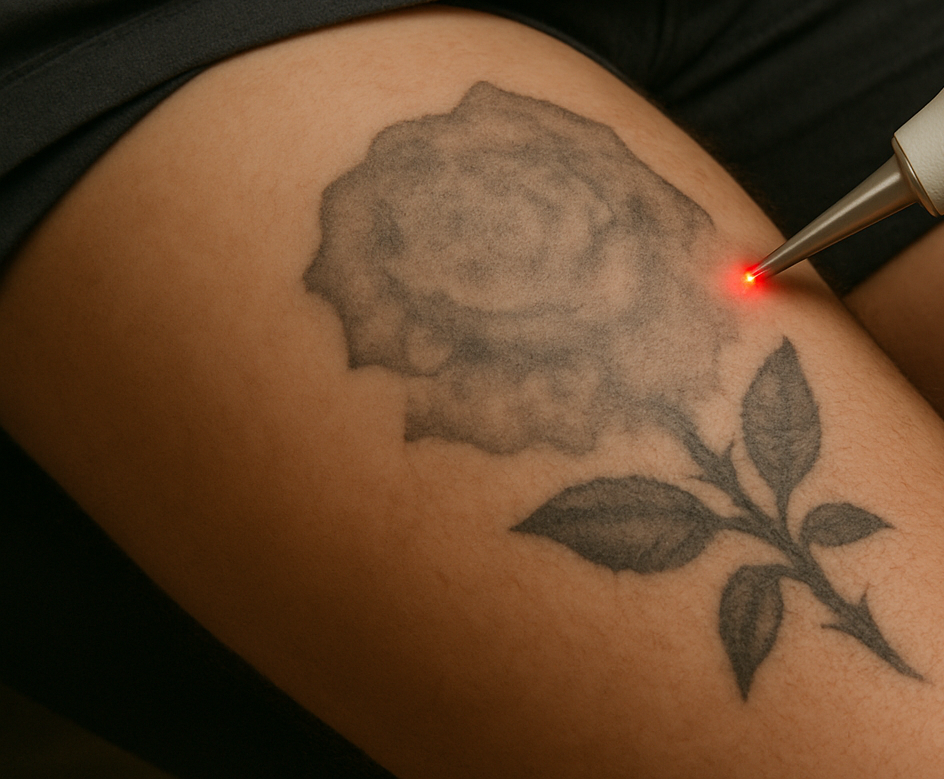
A Process Beyond Just Erasing
Laser tattoo removal involves a process that goes beyond simply erasing. Therefore, appropriate equipment and customized treatment by experienced medical staff are crucial.
Please make your decision carefully and proceed safely at a trustworthy clinic. Recovery progress may vary individually.

Authored · Medically Reviewed by Chief Director Lee Sang-joo (Dermatologist) Graduated from Yonsei University College of Medicine · Severance Hospital Dermatology Resident · Ph.D. in Medicine, Yonsei University College of Medicine Graduate School Currently Adjunct Professor, Department of Dermatology, Yonsei University College of Medicine · Author of Skin Barrier View Medical Staff Profile
First Published 2025-07-02 · Last Reviewed 2026-07-29
This article contains general medical information and does not substitute for individual diagnosis and treatment. Results and recovery progress may vary individually.