


We've organized, in order, why tattoos remain on the skin for a long time and how pico lasers handle pigment.
Once you understand the principle, you'll naturally understand why it doesn't finish in one session and why different colors require different equipment.
How Pigment Settles in the Dermis
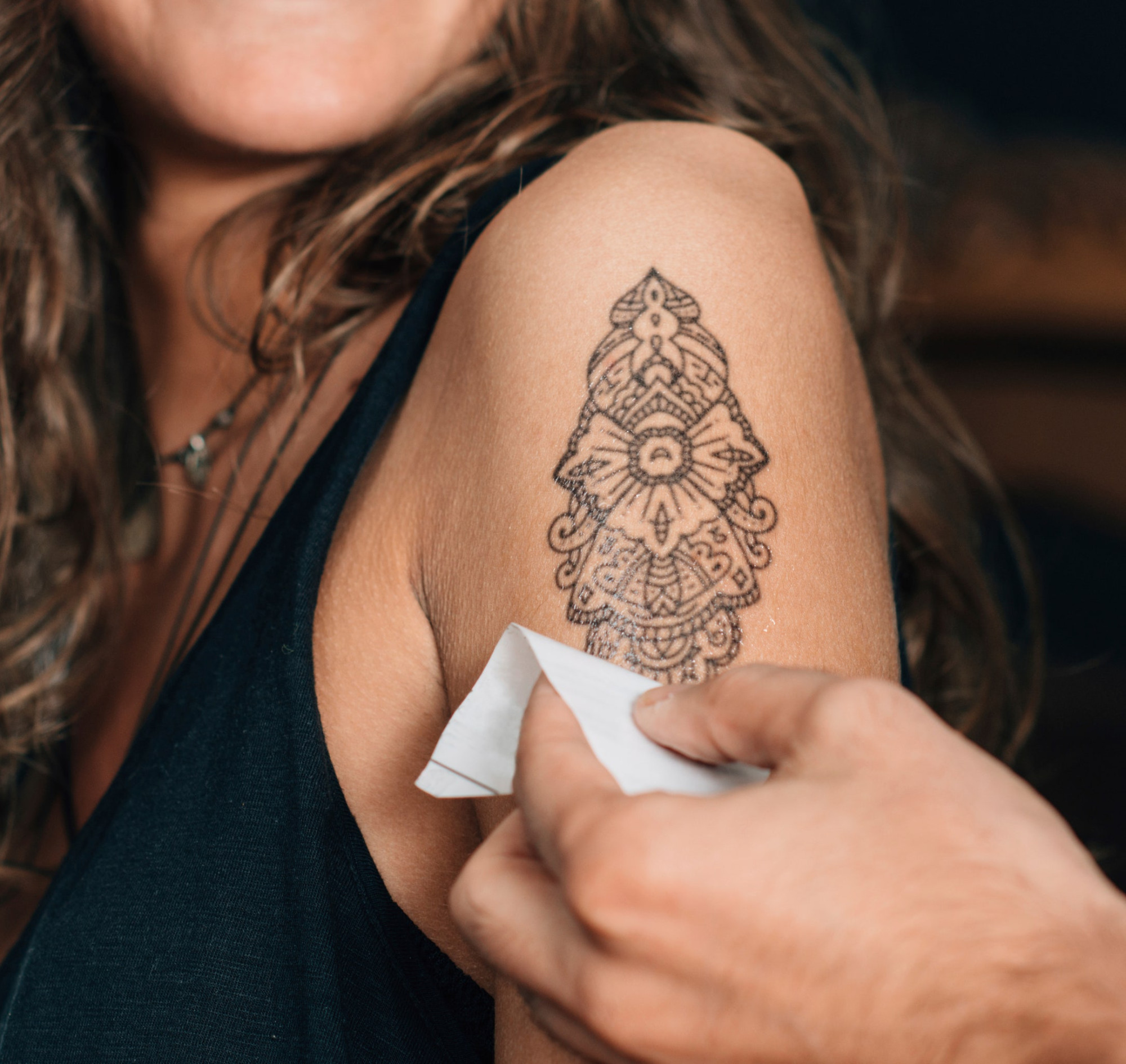
Tattooing involves injecting pigment into the dermis, the layer beneath the epidermis, which is the outermost layer of the skin. The dermis is a layer where skin regeneration is slow, so once pigment enters, it is rarely removed naturally.
Pigment particles are several micrometers in size. Even if macrophages, our body's immune cells, recognize them, the particles are too large to be easily processed.
Therefore, the pigment remains in that spot for a long time, becoming a tattoo.
The Key to Removal is Making Particles Smaller
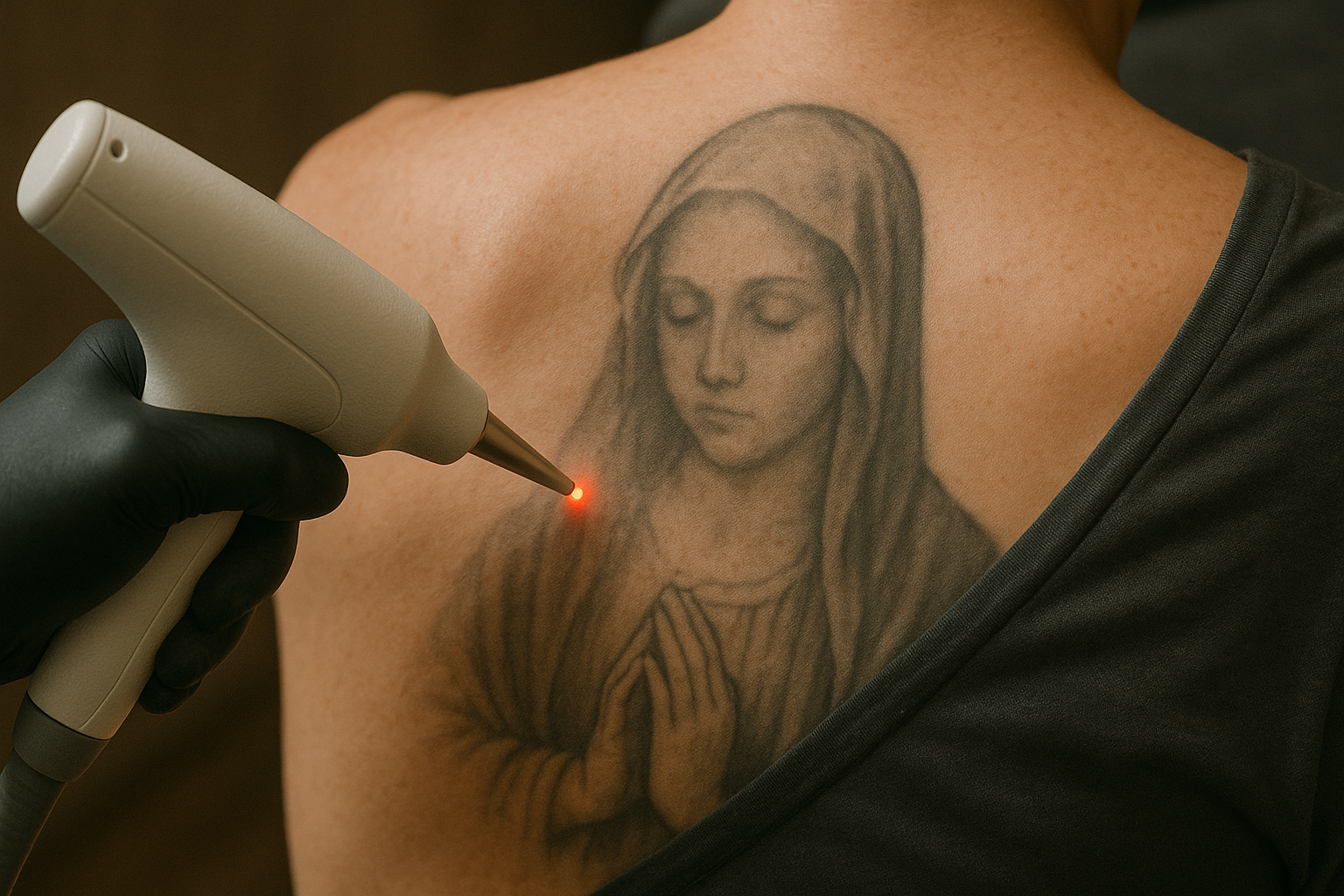
Tattoo removal basically involves using a laser to break down pigment into tiny fragments. These fragmented pigment particles are gradually absorbed and expelled by immune cells, causing the tattoo to fade.
In other words, it's not about extracting the pigment, but rather breaking it down into a size that the body can process.

Breaking Down with Vibration, Not Heat
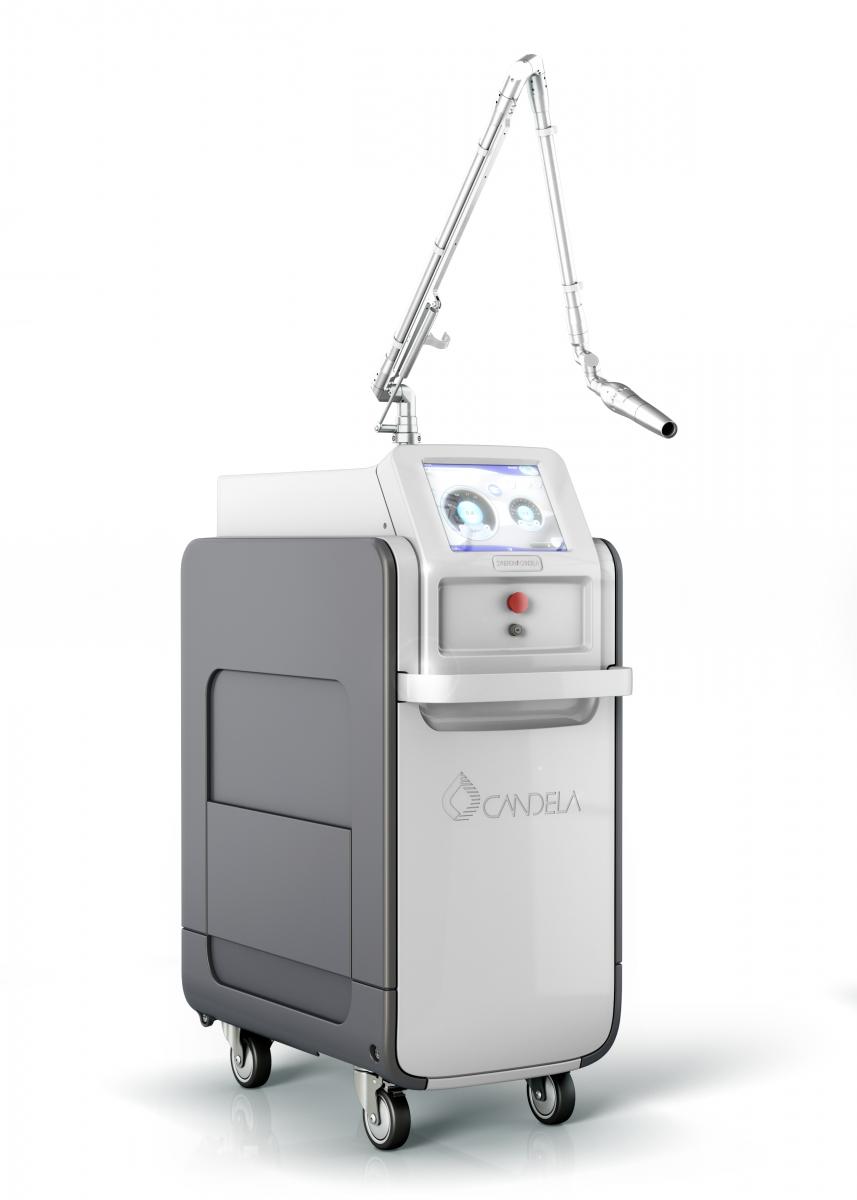
Dermatology clinics use pico laser devices to remove tattoos. This method applies instantaneous shockwaves to the pigment with high-power, short pulses, mechanically breaking down the particles.
It's not simply melting due to heat. Hundreds of millions of vibrations per second shake the pigment, breaking it down as if shattering glass.
This method causes almost no thermal damage to surrounding healthy tissue, which can reduce the risk of skin scarring or pigmentation.
Wavelengths Needed for Each Color
| Color | Responsive Wavelength | Removal Condition |
|---|---|---|
| Black | Absorbs most wavelengths | Relatively easy |
| Blue and Green | 785nm, 730nm | Requires absorption of specific wavelengths |
| Red and Yellow | 532nm | Requires a laser using the corresponding wavelength |
Therefore, among pico laser devices, models that support multiple wavelengths are advantageous for tattoo removal.
What to Consider When Choosing Equipment
- How many colors are mixed in the tattoo
- How deep the pigment is in the dermis
- Whether the supported wavelengths can handle those colors
Equipment configurations are detailed in R-Zero Pico-Frectat Tattoo Removal, and single-wavelength methods are described in Nd:YAG Tattoo Removal.
If you have any questions, you can ask via Chat Now.
A Precise Medical Procedure
Tattoo removal is not just about erasing; it is a very precise medical procedure. It is advisable to understand the principles and choose a method suitable for you after consulting with a dermatologist.
The overall treatment flow can be found in Tattoo Removal Treatment Guide.


Authored and Medically Reviewed by Dr. Kang Jin-Moon, Chief Director (Dermatologist) Board-Certified Dermatologist · Former Resident at Severance Hospital Dermatology · Former Professor at Bundang CHA Hospital Member of the Korean Dermatological Association · Member of the Korean Society for Aesthetic and Dermatologic Surgery View Medical Team Profile
First Published 2025-05-26 · Last Reviewed 2026-07-29
This article contains general medical information and does not substitute for individual diagnosis and treatment. Results and recovery progress may vary by individual.