


Laser tattoo removal methods are becoming increasingly diverse. As such, the 고민 of which method to choose can become prolonged.
We have summarized two recently popular methods, Frectat and R-Zero Technique, side by side.
Only One Shot at a Time Due to Bubbles
When tattoos are removed with a laser, bubbles form at the treatment site. It is known that it is difficult to irradiate the laser more than once at a time due to these bubbles.
Therefore, the long time required to reach a satisfactory level has been cited as a disadvantage of tattoo removal.
Micro-holes Created by Frectat
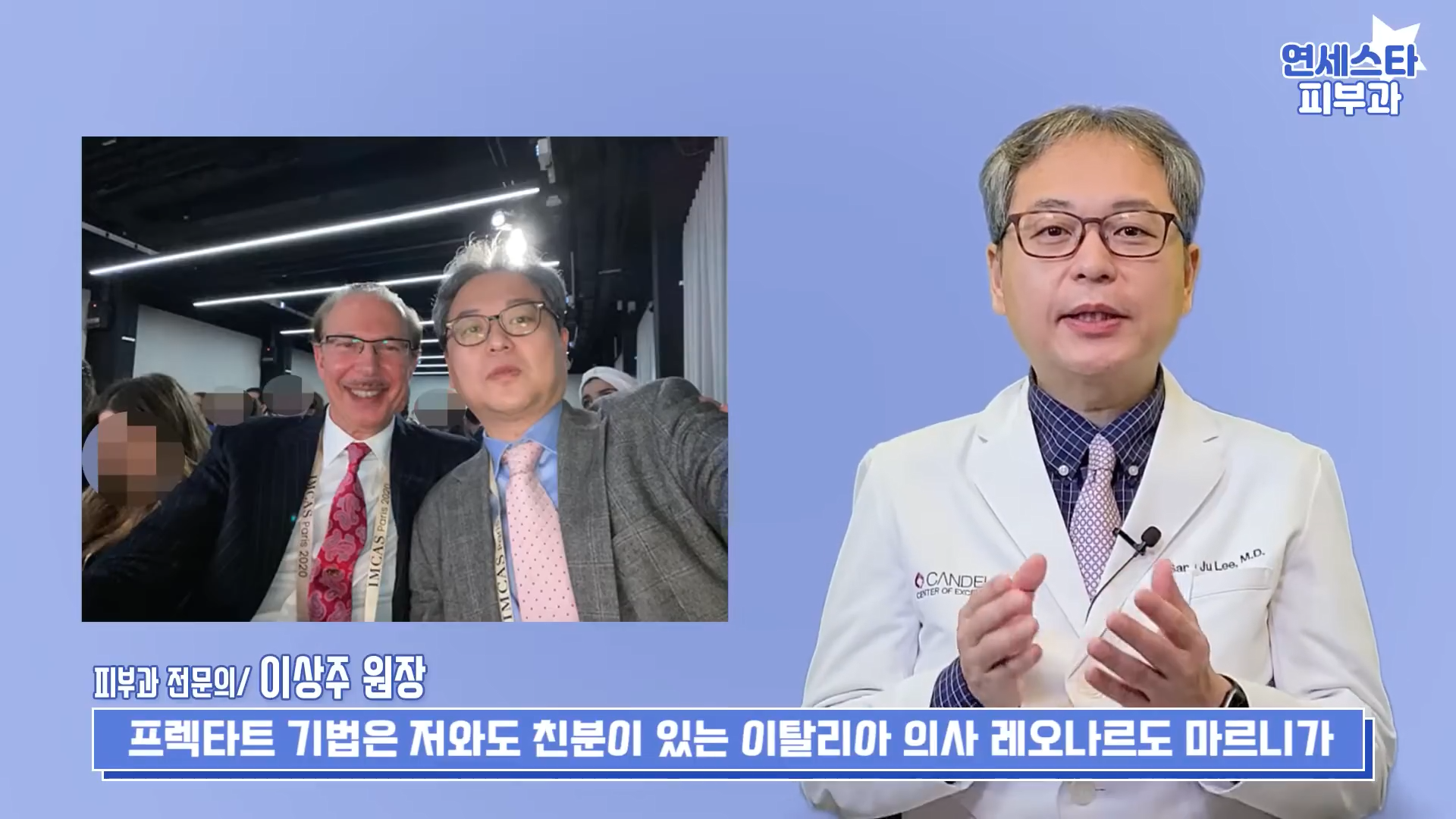
Frectat is a laser tattoo removal procedure first presented by Italian doctor Leonardo Marni at the American Academy of Dermatology in 2013. He is also acquainted with our clinic's chief director, Dr. Lee Sang-joo.
This method creates micro-holes during the procedure to allow bubbles to escape, enabling two irradiations at once.
- First, a fractional beam is irradiated to create micro-holes in the tattooed area and destroy the epidermal tattoo pigment first.
- These holes then become a pathway for subsequent bubbles to escape.
- After 5 minutes, a second Q-switched Nd:YAG laser is irradiated with a full beam to treat pigment in the deeper layers of the skin.
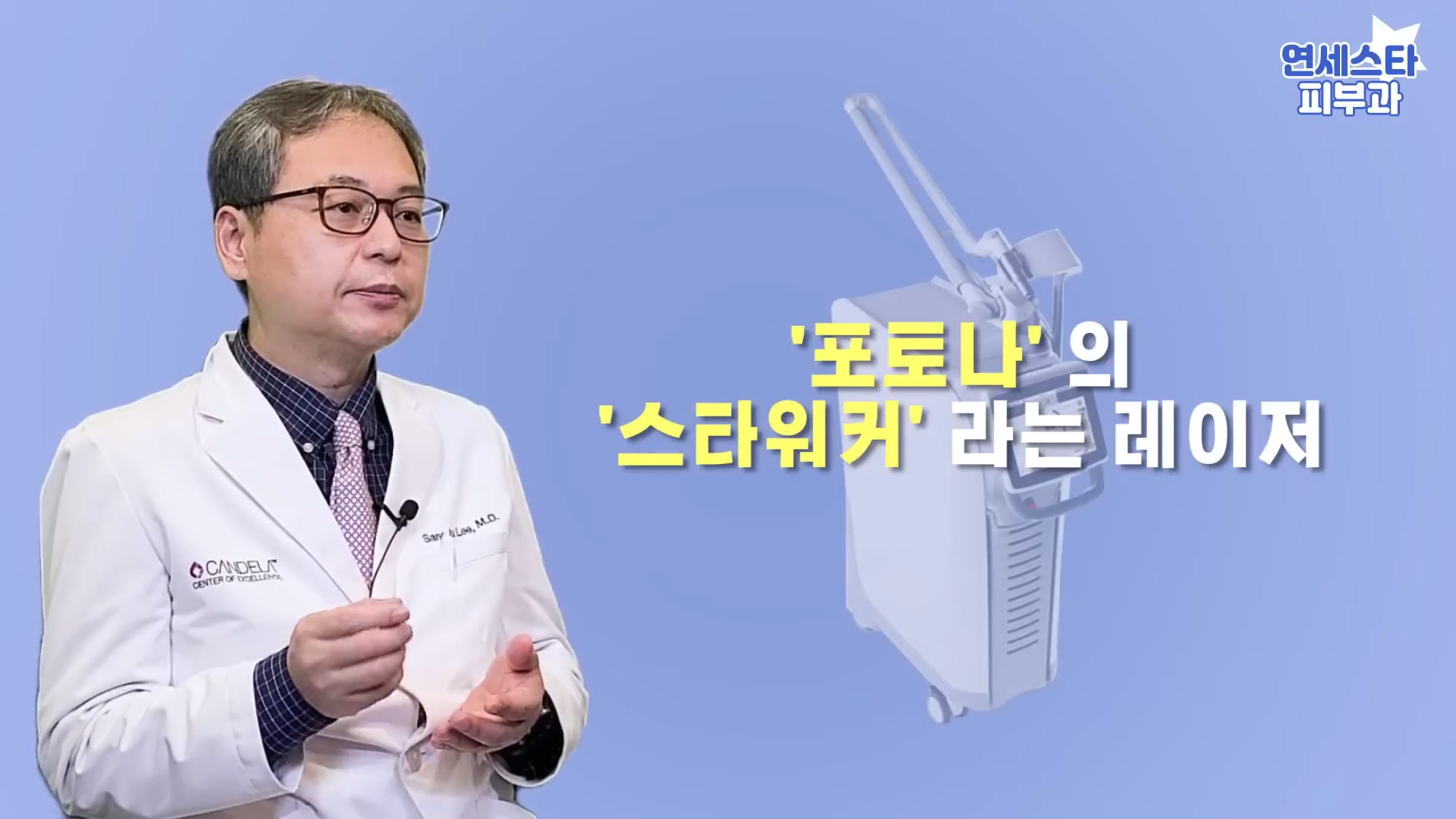
It is known that since two irradiations are performed at once, the amount of pigment that can be treated in one session increases. In Korea, Fotona's StarWalker laser is often used for this technique.

How R-Zero Technique Handles Bubbles
Our clinic currently performs tattoo removal with the R-Zero Technique. It is relatively well-known abroad but used by only a few clinics in Korea.
This method allows up to four irradiations at once, which was previously only possible once due to bubbles, by using a PFD special medication. The detailed procedure is outlined in R-Zero Pico-Frectat Tattoo Removal.

PicoWay Laser Using Divided Wavelengths
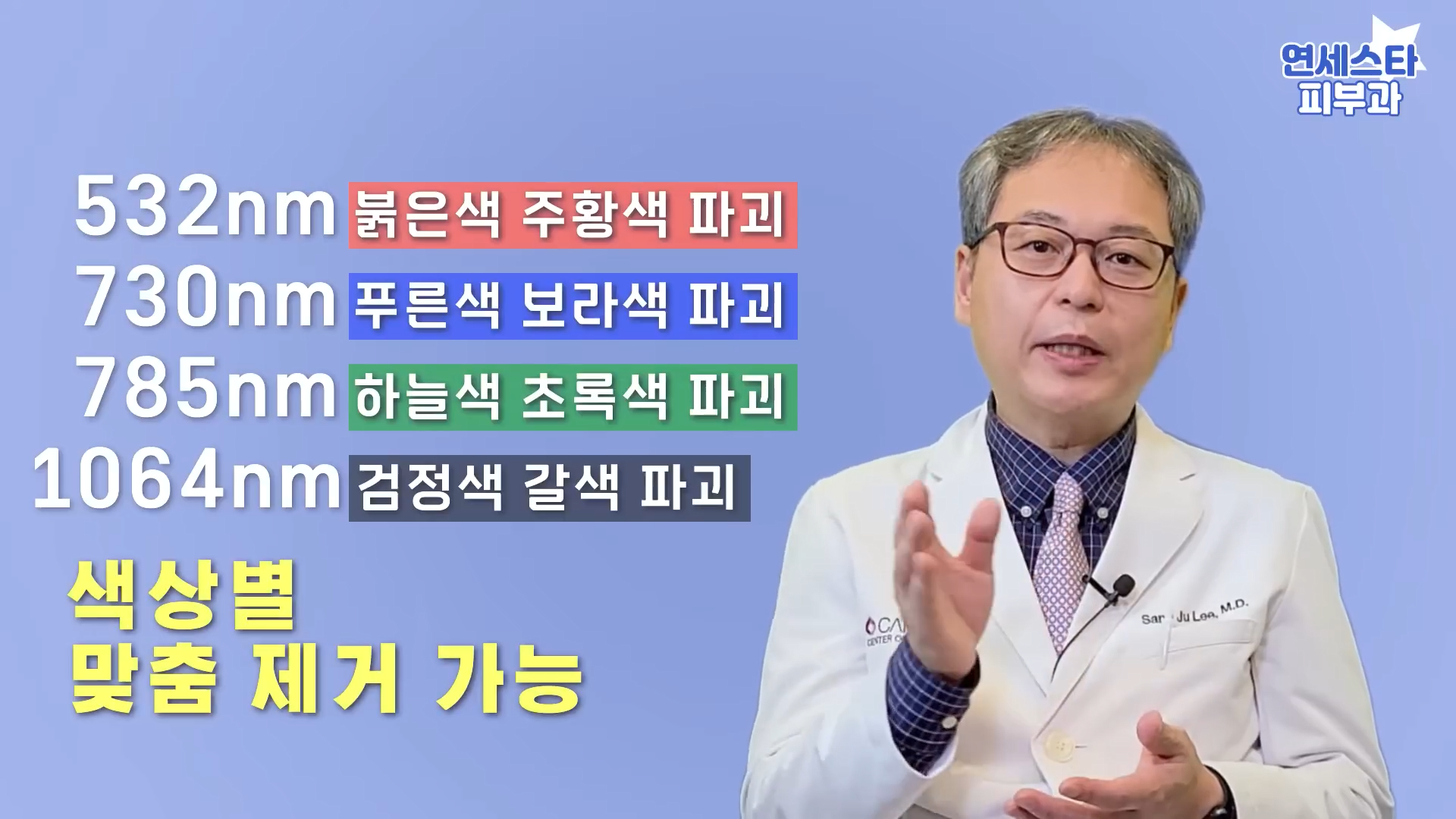
The equipment used for the procedure is the PicoWay Laser, which is a high-end picosecond laser. It quickly and finely breaks down tattoo pigments, and allows color-specific removal with a total of four wavelengths: 532nm, 730nm, 785nm, and 1064nm.
By using the PFD special medication in conjunction with this equipment, we are significantly reducing the tattoo removal period, which previously took at least 6 months.
If you have any questions, you can easily ask them via Chat Now.
Will Four Shots at Once Leave Scars?
Some people worry whether scars will remain if the laser is immediately re-irradiated on the treated area.
Our clinic has extensive experience in scar treatment, and we perform scar prevention treatment concurrently with tattoo removal procedures. Information on scar prevention treatment can be found in Pinhole for Burn & Surgical Scar.

Comparing the Two Methods
| Item | Frectat | R-Zero Technique |
|---|---|---|
| Bubble Treatment | Micro-holes created by fractional beam for discharge | Uses PFD special medication |
| Possible Irradiations per Session | 2 times | Up to 4 times |
| Laser Used | Q-switched Nd:YAG full beam | PicoWay PicoSecond Laser |
| Domestic Use | Fotona StarWalker laser commonly used | Used by a small number of clinics |
Since the amount of pigment that can be treated in one session differs, our clinic recommends the R-Zero Technique. This is also the reason why we have continued with the R-Zero Technique even after encountering the Frectat technique in 2013.

As Pulse Width Shortens
The StarWalker laser, which evolved from the Frectat technique, is known as a Q-switched Nd:YAG laser. General procedures using similar equipment are summarized in Nd:YAG Tattoo Removal.
For tattoo removal, the shorter the pulse width, the more effectively the pigment can be broken down and removed.
You can consider Pico-Frectat as a method that enhances removal efficiency by using a picosecond laser, which has a much shorter pulse width than conventional Q-switched Nd:YAG lasers.
The results of tattoo removal may vary depending on the equipment and treatment method used. You can find information on the consultation process in Tattoo Removal Treatment Guide and individual inquiries in Chat Consultation.

Authored and Medically Reviewed by Chief Director Lee Sang-joo (Dermatologist) Ph.D. in Medicine, Yonsei University College of Medicine Graduate School · Resident in Dermatology, Severance Hospital · Current Adjunct Professor, Department of Dermatology, Yonsei University College of Medicine President of the Korean Dermatological Association in 2026 · Author of Pigmentary system, Medical Skincare View Medical Staff Profile
First Published 2024-05-03 · Last Reviewed 2026-07-29
This article contains general medical information and does not substitute for individual diagnosis and treatment. Results and recovery progress may vary from person to person.