
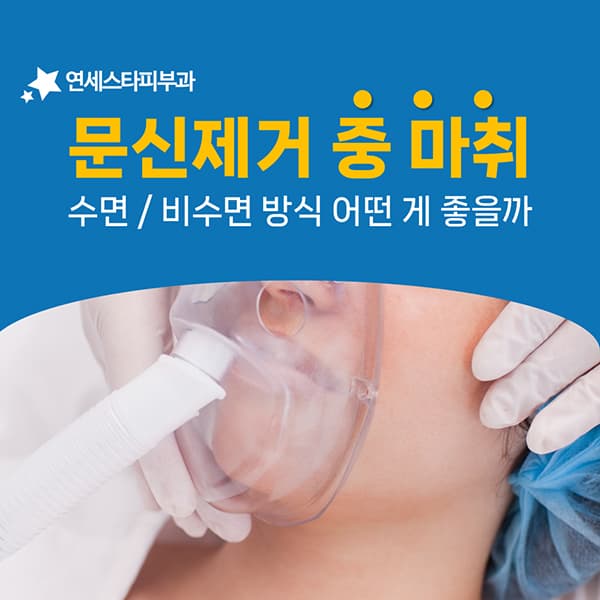
When considering laser treatment to remove a tattoo, the first concern that comes to mind is pain. Many people meticulously search for ways to reduce pain, from sedation to various non-sedation anesthesia methods.
Because tattoo removal lasers selectively destroy pigment, a stinging sensation or heat may accompany the treatment process. This pain can make some hesitate to start, or even wonder if they should continue during the removal process.
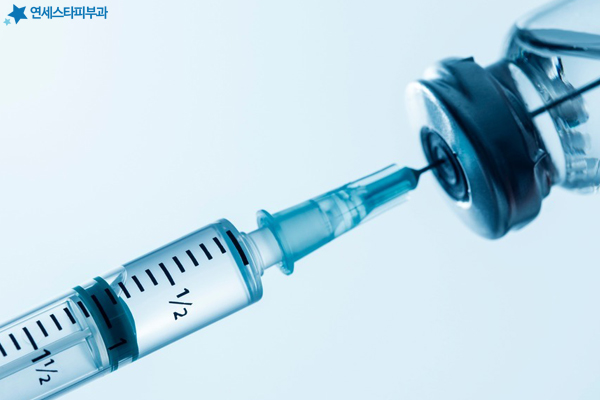
Comparing the four anesthesia methods side-by-side
| Method | Procedure | Characteristics |
|---|---|---|
| Topical Anesthetic Cream | Applied to the treatment area and left for a certain period | Relatively simple and suitable for small areas rather than large ones. Effectiveness varies depending on pain sensitivity. |
| Local Injection Anesthesia | Injected directly into the area | Relatively strong anesthetic effect. May cause discomfort from the injection itself. |
| Sedation Anesthesia | Induced to a state similar to being asleep with a sedative | Aims to relieve pain and tension. Performed under medical staff monitoring. |
| Non-Sedation Nitrous Oxide | Inhaled sedative | Consciousness is maintained while tension and pain sensitivity are reduced. Recovery is relatively fast. |
What to consider when choosing
The appropriate method varies depending on the situation.
- Tattoo size
- Treatment area
- Tattoo color
- Treatment intensity
- Patient's own condition
Among these, a method that can reduce pain without being excessive, or an appropriate combination of methods, is chosen.
If you are considering sedation anesthesia
Since tattoo removal is not a one-time treatment, some consider sedation anesthesia to reduce pain stress. However, it involves the administration of drugs like sedatives, not just a simple procedure.
As consciousness becomes hazy during the procedure, it is essential to first confirm safety with medical staff through consultation.
If excessive doses are avoided and the appropriate time for anesthesia is maintained, pain can often be reduced without significant discomfort. It is important to decide on the method by considering whether the level of anesthesia is not excessive for the procedure and taking into account your health condition.

Options for conscious procedures
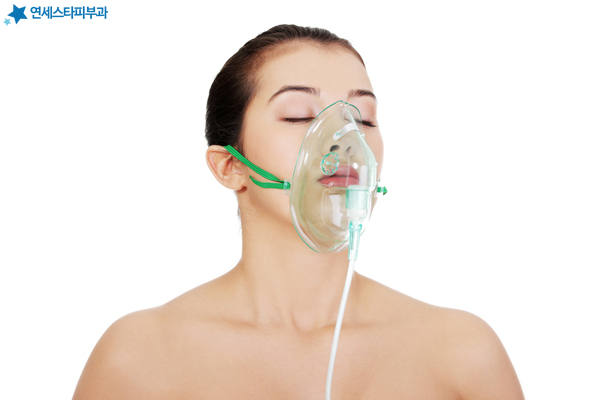
Recently, some choose the nitrous oxide method instead of sedation anesthesia. Nitrous oxide is supplied through a respirator, allowing consciousness to be maintained during the procedure.
While pain is reduced, real-time communication with medical staff continues, allowing for a more precise and delicate monitoring of the tattoo removal process. Recovery after the procedure is also relatively fast, so you can continue your daily life without difficulty on the day of the laser treatment.
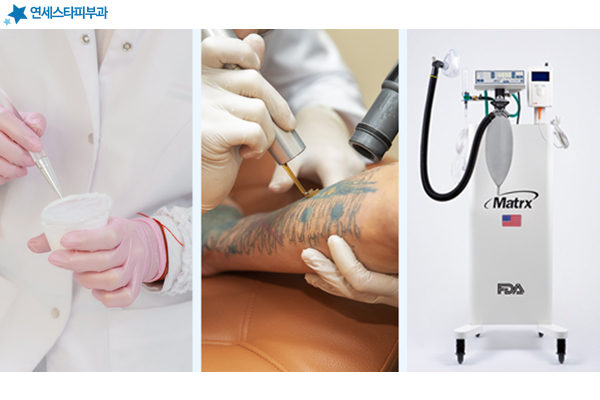
Devices to reduce pain besides anesthesia
The correct answer depends on the individual's condition. If the tattoo area is small and pain tolerance is relatively high, non-sedation anesthesia alone is often sufficient. Conversely, if the removal area is large, the tattoo is very dark, or if there are various and deeply embedded pigments, you might worry if this method will be effective.
Dermatology clinics specializing in tattoo removal also operate systems to reduce pain in addition to anesthesia. This includes low-pain methods using air cooling and the Pinhole for Burn & Surgical Scar to prevent blisters or scars after the procedure. We recommend checking if such devices are used in conjunction before starting.
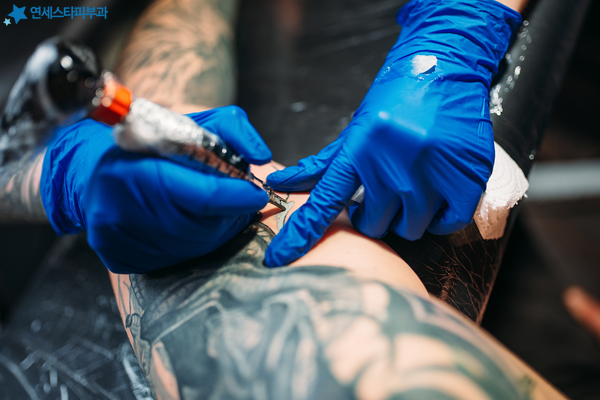
It doesn't end with finding a less painful method
Tattoo removal anesthesia should be chosen with safety and the recovery process in mind. Whether sedation anesthesia is necessary or a non-sedation method like nitrous oxide is suitable can vary depending on the individual's condition.
Just as important as the anesthesia method, an approach tailored to the treatment plan and skin condition affects satisfaction. We recommend planning gradually within a safe range rather than making an excessive choice. The treatment flow is summarized in Tattoo Removal Treatment Guide, and differences by equipment are detailed in Nd:YAG Tattoo Removal.
If you are concerned about how to choose the anesthesia method, please leave a consultation via Chat Inquiry.

Authored · Medically Reviewed by Chief Director Lee Sang-joo (Dermatologist) Former Resident in Dermatology at Severance Hospital · Former Professor of Dermatology at Yeongdong Severance Hospital · Former Chief of Dermatology at National Police Hospital Current Adjunct Professor, Department of Dermatology, Yonsei University College of Medicine · President of the Korean Dermatological Association in 2026 View Medical Staff Profile
First published 2026-03-05 · Last reviewed 2026-07-29
This article contains general medical information and does not substitute for individual diagnosis and treatment. Results and recovery may vary by individual.