
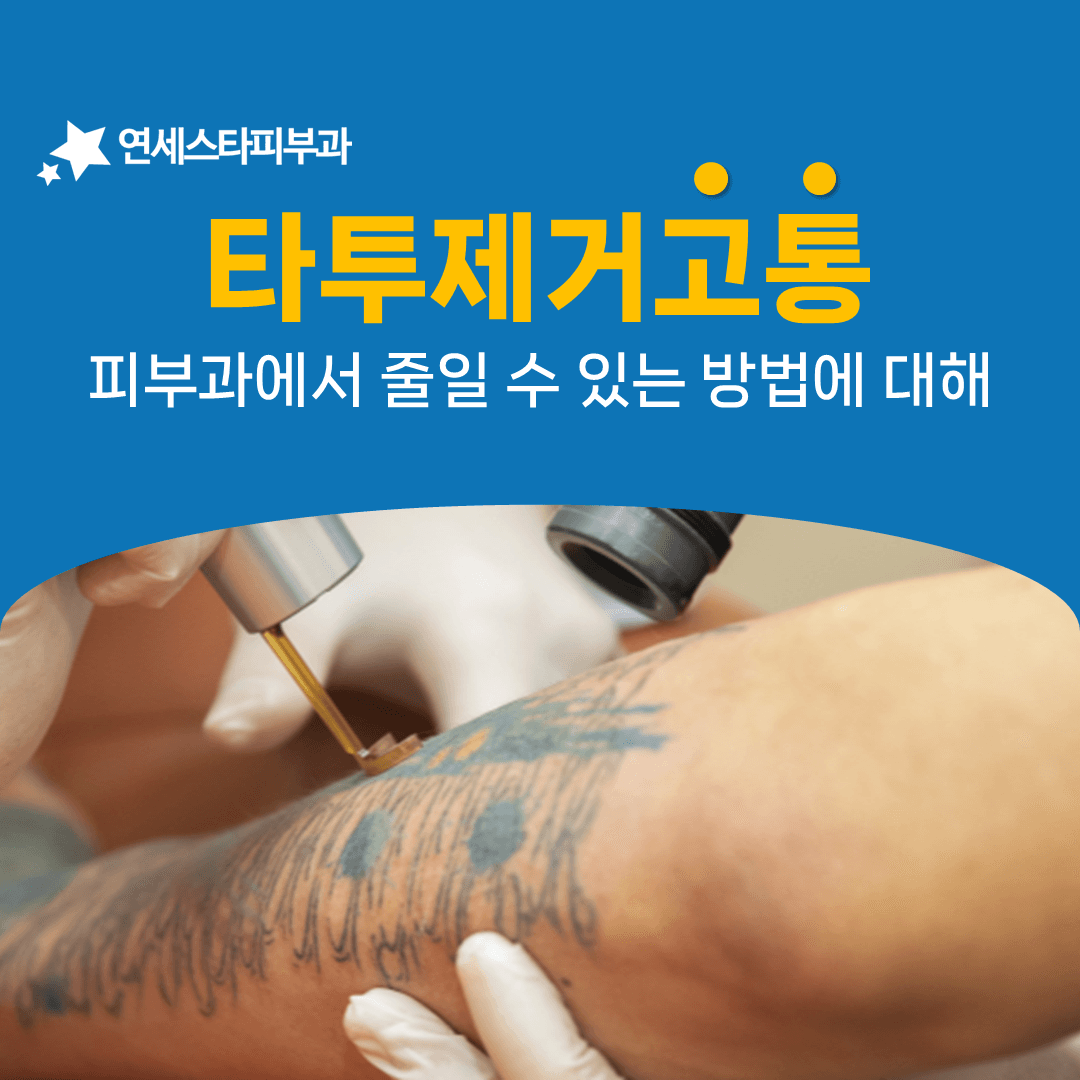
One of the most common questions when searching for tattoo removal is whether it hurts.
Since the laser penetrates deep into the skin to break down pigment, irritation cannot be avoided. Dermatology clinics significantly alleviate pain through various anesthesia and calming techniques.
Four Methods at a Glance
| Method | Approach | Points to Note |
|---|---|---|
| Topical Anesthetic Cream | Applied to the treatment area for 20 to 40 minutes, then wiped off | Applicable to delicate areas like the face or fingers |
| Cryo-Anesthesia | Cold air at around -30 degrees Celsius is sprayed simultaneously with laser irradiation | Not a drug-based anesthesia, so less burden, and also reduces swelling and erythema |
| Nitrous Oxide Anesthesia | Inhaling a mixture of nitrous oxide and oxygen gas through a mask | Consciousness is maintained, and recovery is within minutes after stopping inhalation |
| Sedation Anesthesia | Administered by injecting a sedative intravenously to induce a deep sleep state | Carries risks such as respiratory depression or hypotension |
Most Commonly Used: Cream Anesthesia
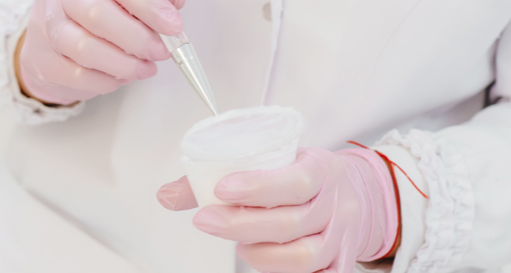
The most commonly used method to reduce pain is topical anesthetic cream. It is applied to the treatment area for about 20 to 40 minutes, then wiped off before proceeding with the laser.
The pain-relieving effect spreads evenly and can be applied to delicate areas such as the face or fingers.
However, if strong energy needs to be irradiated to deep pigments, it may be difficult to completely eliminate the pain.
Cryo-Anesthesia to Lower Skin Temperature
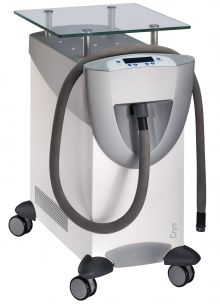
This method rapidly lowers skin temperature by spraying cold air at around -30 degrees Celsius simultaneously with laser irradiation.
Since it is not drug-based anesthesia, there are almost no side effects or burdens, and it also helps reduce swelling and erythema.
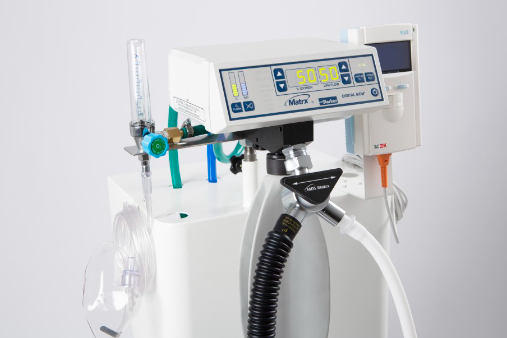
Nitrous Oxide Anesthesia While Maintaining Consciousness
This method involves inhaling a mixture of nitrous oxide and oxygen gas through a mask just before the procedure to alleviate tension and pain while maintaining consciousness.
The sedative effect is fast, and you can return to daily life within minutes after stopping inhalation. It is known to be safer than general anesthesia, with fewer risks and no drug residue.
What to Consider When Choosing Sedation Anesthesia
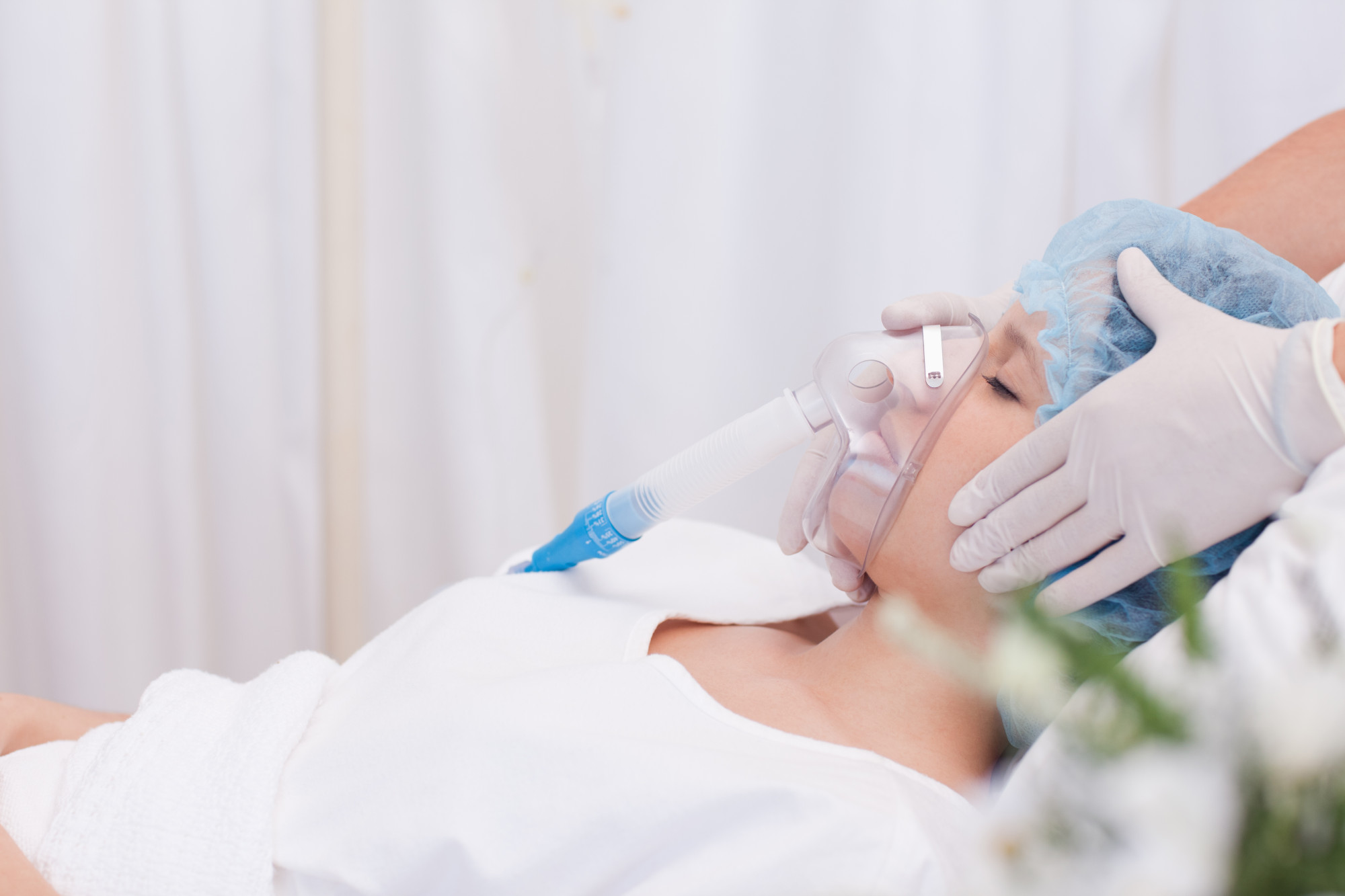
Sedation anesthesia involves injecting a sedative intravenously to perform the procedure in a deep sleep state, blocking most pain and memory. The degree of pain reduction is strong.
- There are risks similar to general anesthesia, such as respiratory depression or hypotension.
- Driving or important tasks may be difficult for several hours after the procedure.
Information on the procedure methods and equipment configuration is available in R-Zero Pico-Frectat Tattoo Removal, and other methods are summarized in Nd:YAG Tattoo Removal.
Pain Varies by Individual
Pain is felt differently depending on skin thickness, tattoo depth, color, and individual pain sensitivity. The most important thing is to have a thorough consultation before the procedure and choose the anesthesia method that suits you.
If you have any questions, you can ask them in Chat Now, and the overall process can be checked in Tattoo Removal Treatment Guide.

Authored · Medically Reviewed by Representative Director Dr. Jin-Moon Kang (Dermatologist) Board-Certified Dermatologist · Graduated from Yonsei University College of Medicine · Completed Dermatology Residency at Severance Hospital Former Professor at Bundang CHA Hospital · Member of the Korean Medical Laser Association View Medical Team Profile
First Published 2025-07-16 · Last Reviewed 2026-07-29
This article contains general medical information and does not substitute for individual diagnosis and treatment. Results and recovery progress may vary by individual.