
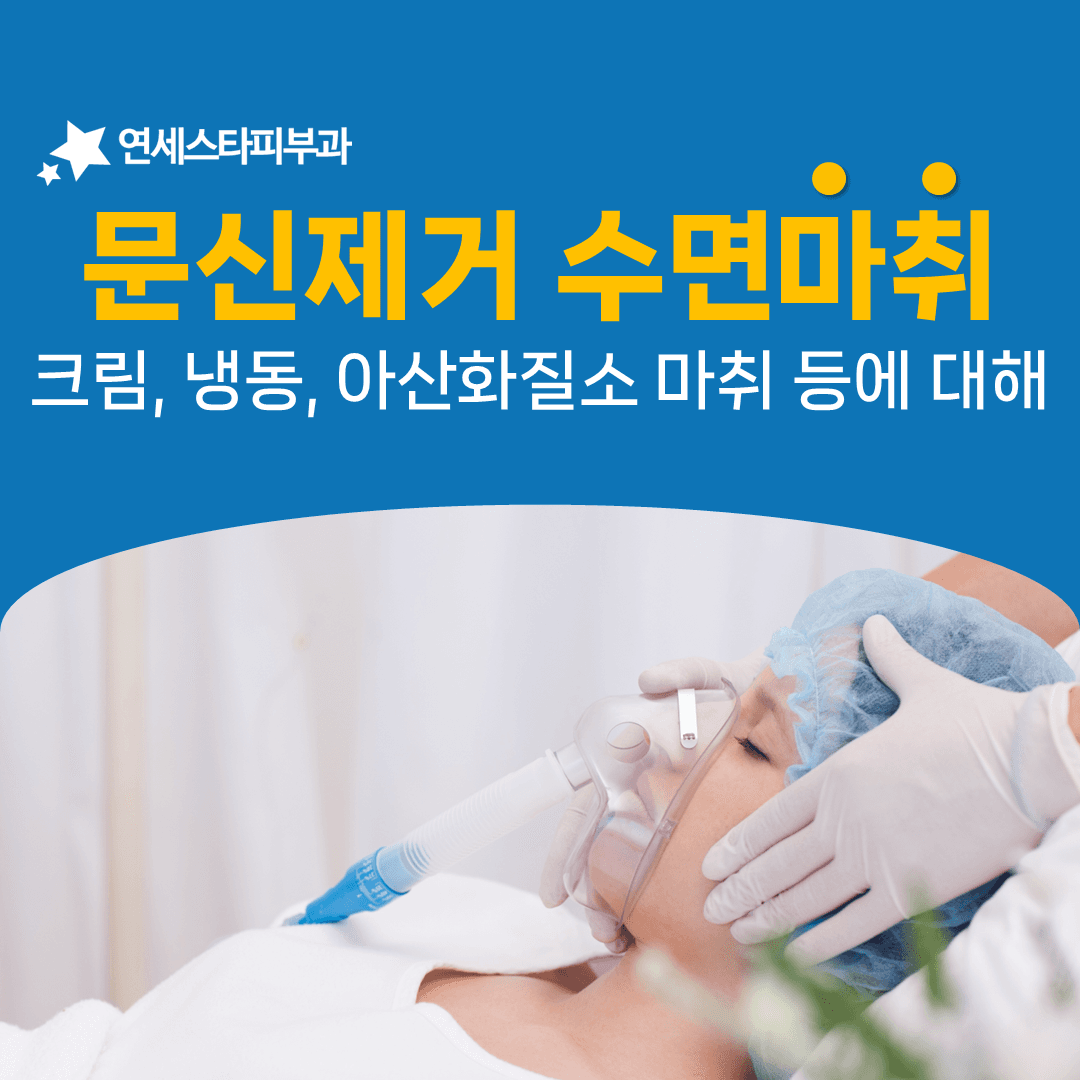
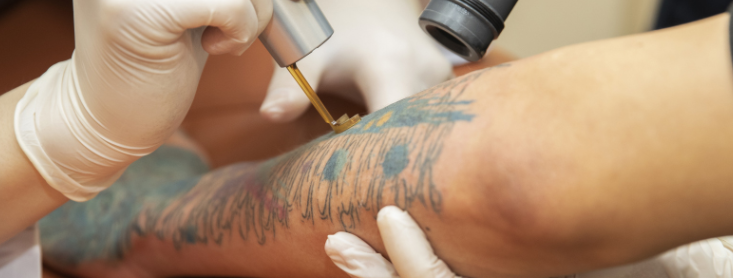
Many people cite pain as a reason for delaying tattoo removal. Fortunately, there is more than one method of anesthesia.
We've summarized the four methods: cream, cryo, sleep, and non-sleep nitrous oxide.

Topical Anesthetic Cream
Topical anesthetic cream is often used for tattoo removal in dermatology clinics.
Anesthetic cream is applied to the tattoo removal area, and after a certain period, the area becomes numb to stimulation. The procedure is then performed in this state.
Cryo Anesthesia
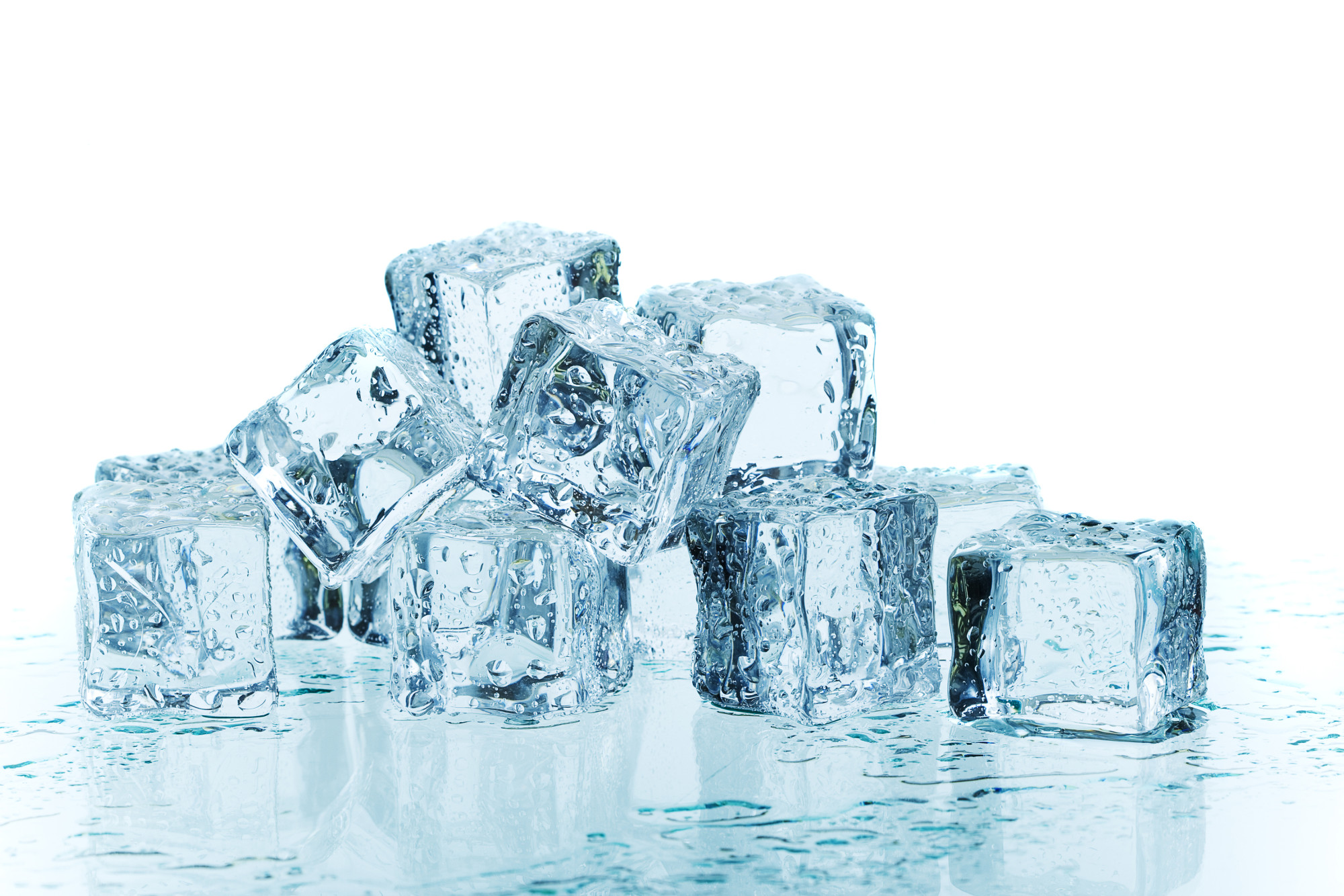
The second method is cryo anesthesia, also known as air cooling.
This method involves delivering cold air deep into the skin to alleviate pain, and it can be performed simultaneously with laser irradiation.

Sleep Anesthesia
If pain is still a concern even with topical anesthetic cream or cryo anesthesia, sleep anesthesia may be used.
Sleep anesthesia involves administering an anesthetic called propofol to induce complete sleep. Since the procedure is performed while the patient is unconscious, no pain is felt.
However, it is important to be aware that communication with medical staff is difficult, which entails a certain level of safety risk.
Non-Sleep Nitrous Oxide Anesthesia
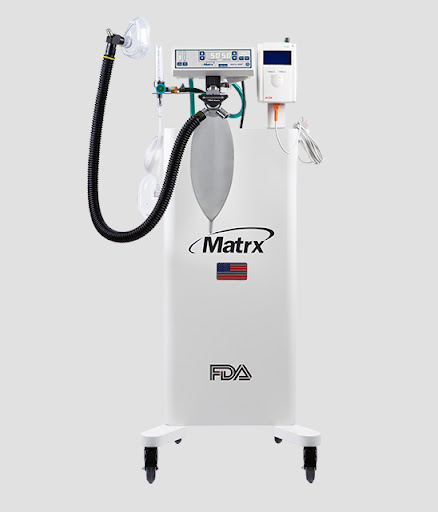
The last method is non-sleep nitrous oxide anesthesia. Oxygen and nitrous oxide are delivered through respiration while the patient remains conscious, without inducing sleep.
Since the patient is conscious, communication with medical staff is possible, allowing for a more precise procedure.
Four Methods in One Table
| Method | Approach | State of Consciousness |
|---|---|---|
| Topical Anesthetic Cream | Anesthetic cream applied to the area | Conscious |
| Cryo Anesthesia | Cold air delivered deep into the skin | Conscious |
| Sleep Anesthesia | Complete sleep induced by propofol | Unconscious |
| Non-Sleep Nitrous Oxide | Oxygen and nitrous oxide delivered through respiration | Conscious |
Details on the procedure components can be found in R-Zero Pico-Frectat Tattoo Removal, and other types of methods are available in Nd:YAG Tattoo Removal.
What to Decide During Consultation
Here are the criteria for selection:
- Area of the procedure and estimated time
- Your sensitivity to pain
- The degree of communication needed during the procedure
If you have been hesitant about tattoo removal due to fear of pain, we recommend consulting with a dermatologist to choose the method that is right for you. Individual differences in pain perception may exist.
The overall treatment flow can be found in Tattoo Removal Treatment Guide.

Authored and Medically Reviewed by Dr. Jinmun Kang, Chief Director (Dermatologist) Dermatologist · Graduated from Yonsei University College of Medicine · Dermatology Resident at Severance Hospital Former Professor at Bundang CHA Hospital · Current Adjunct Professor at Yonsei University College of Medicine, Department of Dermatology Member of the Korean Dermatological Association · Member of the Korean Association of Dermatologists View Medical Staff Profile
First Published 2025-04-09 · Last Reviewed 2026-07-29
This article contains general medical information and does not substitute for individual diagnosis and treatment. Results and recovery progress may vary by individual.