
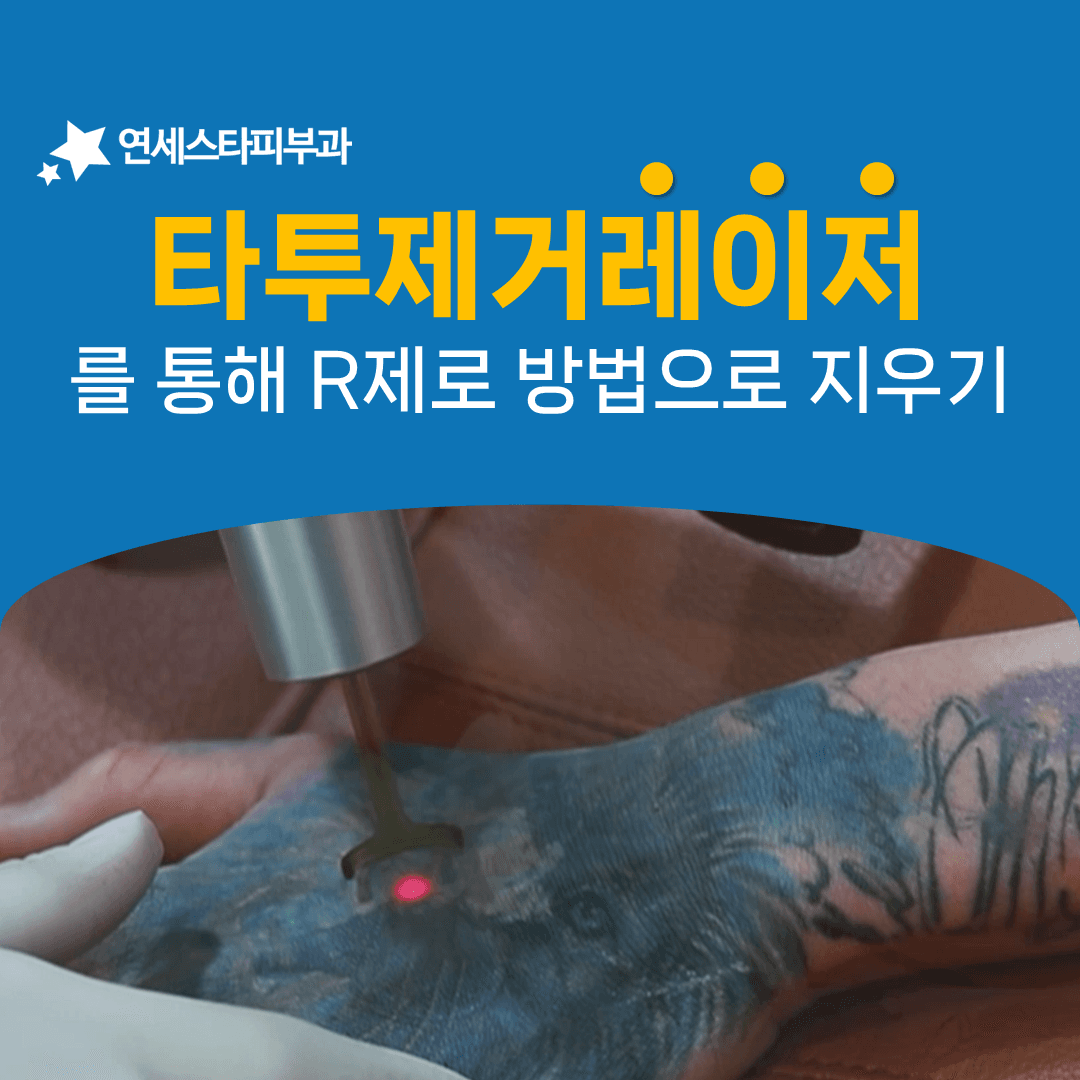
Before starting tattoo removal, the most realistic question is, "How long will it take?" To answer this question, you need to calculate the interval and the number of sessions together.
By calculating, it naturally reveals where you can shorten the duration.
Why only one session was possible per visit
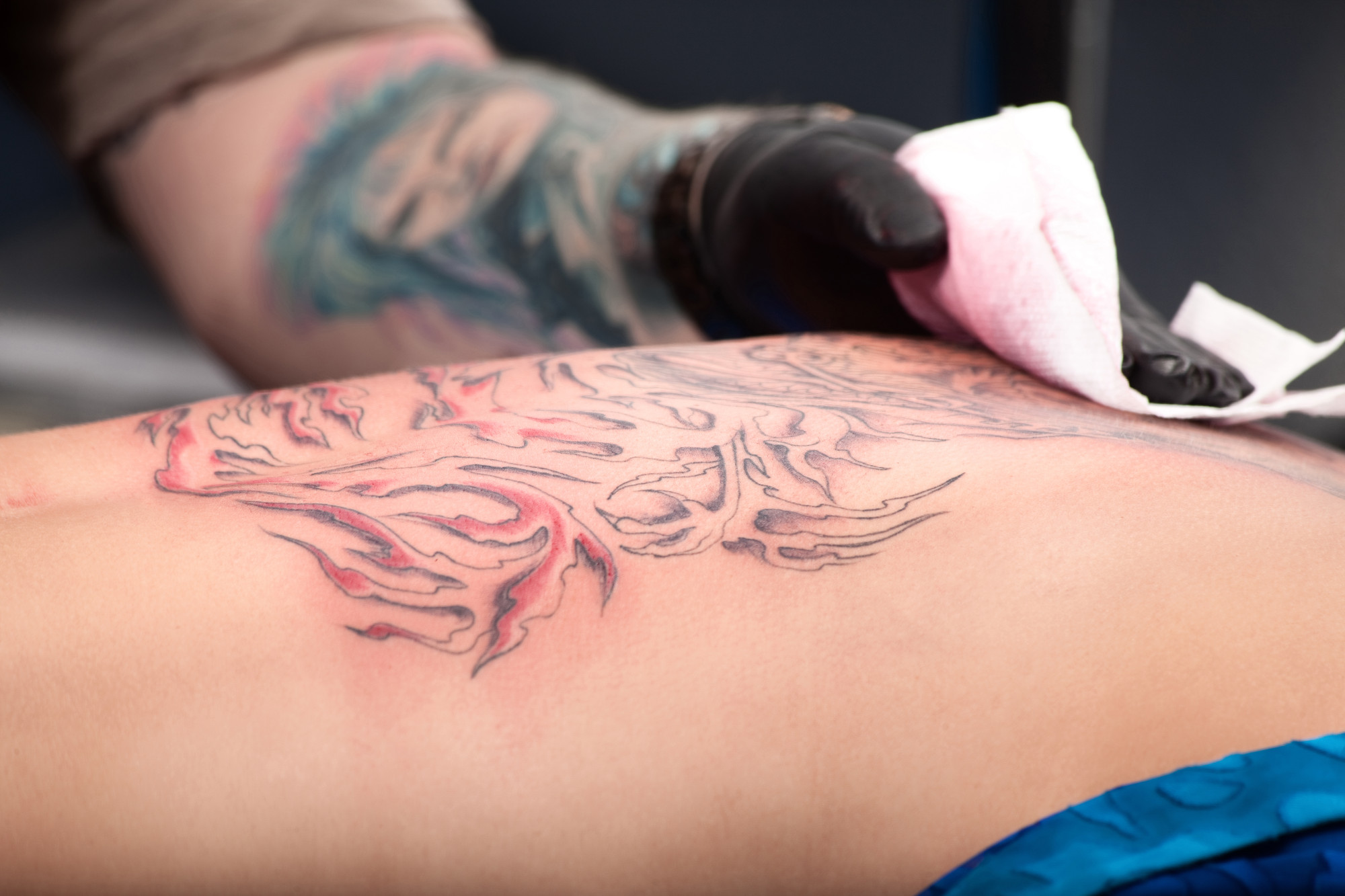
Generally, when removing tattoos, a tattoo removal laser is used to break down the pigment into tiny particles. However, after the laser penetrates once, white bubbles form on the skin.
These bubbles obstruct further laser penetration when attempting to re-treat. Therefore, with the traditional method, only one session was possible per visit.

If you multiply the interval and the number of sessions
Tattoo removal is usually performed under the following conditions:
| Item | Typical Range |
|---|---|
| Treatment Interval | 4 to 5 weeks |
| Required Sessions | Minimum 5 sessions, often 20 or more |
| Minimum Condition Period | Approximately 5 months for 5 sessions at 4-week intervals |
Even with the minimum conditions, it's five months. As the number of sessions increases, the duration lengthens accordingly.
The reason tattoo removal takes a long time is not because a single laser pass is weak, but because the skin needs time to recover between passes.

Where to adjust to shorten the duration
Aggressively shortening the interval can put a strain on the skin. The remaining option is the number of laser passes per visit.
The R-Zero Tattoo Removal method, which originated in the United States, changed this aspect.
- A special medication is applied to the white bubbles that form during laser irradiation.
- Once the bubbles disappear, re-irradiation is possible.
- Up to 4 repeated treatments are possible in a single visit.
The R-Zero method was reported to the global dermatology community in 2013. It offers the potential to shorten the tattoo removal duration compared to conventional methods.
Who performs the treatment also factors into the calculation
Ultimately, it is the practitioner who determines the laser intensity and intervals. To shorten the duration while managing skin burden, a dermatologist's diagnosis must precede the treatment.
Treatment configurations are detailed in R-Zero Pico-Frectat Tattoo Removal Guide, and other methods are summarized in Nd:YAG Tattoo Removal.
Things to remember when planning
The number of sessions and duration vary depending on the tattoo's color, ink volume, and skin condition. The numbers above are general ranges, and individual differences may occur.
The overall treatment flow can be found in Tattoo Removal Treatment Guide.

Authored and Medically Reviewed by Chief Director Dr. Lee Sang-joo (Dermatologist) Graduated from Yonsei University College of Medicine · Ph.D. in Medicine from the same graduate school Completed residency in Dermatology at Severance Hospital · Served as Professor of Dermatology at Yeongdong Severance Hospital Currently an Adjunct Professor in the Department of Dermatology, Yonsei University College of Medicine View Medical Staff Profile
First Published 2025-03-22 · Last Reviewed 2026-07-29
This article contains general medical information and does not substitute for individual diagnosis and treatment. Results and recovery progress may vary by individual.