


Many people get cover-up skin tattoos to hide melasma, stretch marks, or scars. However, there are issues to consider with this method.
Colors That Don't Match Your Skin Tone
Cover-up skin tattoos involve injecting pigments similar to your skin color. However, after the procedure, the satisfaction tends to be low because the color often doesn't match the individual's skin tone.
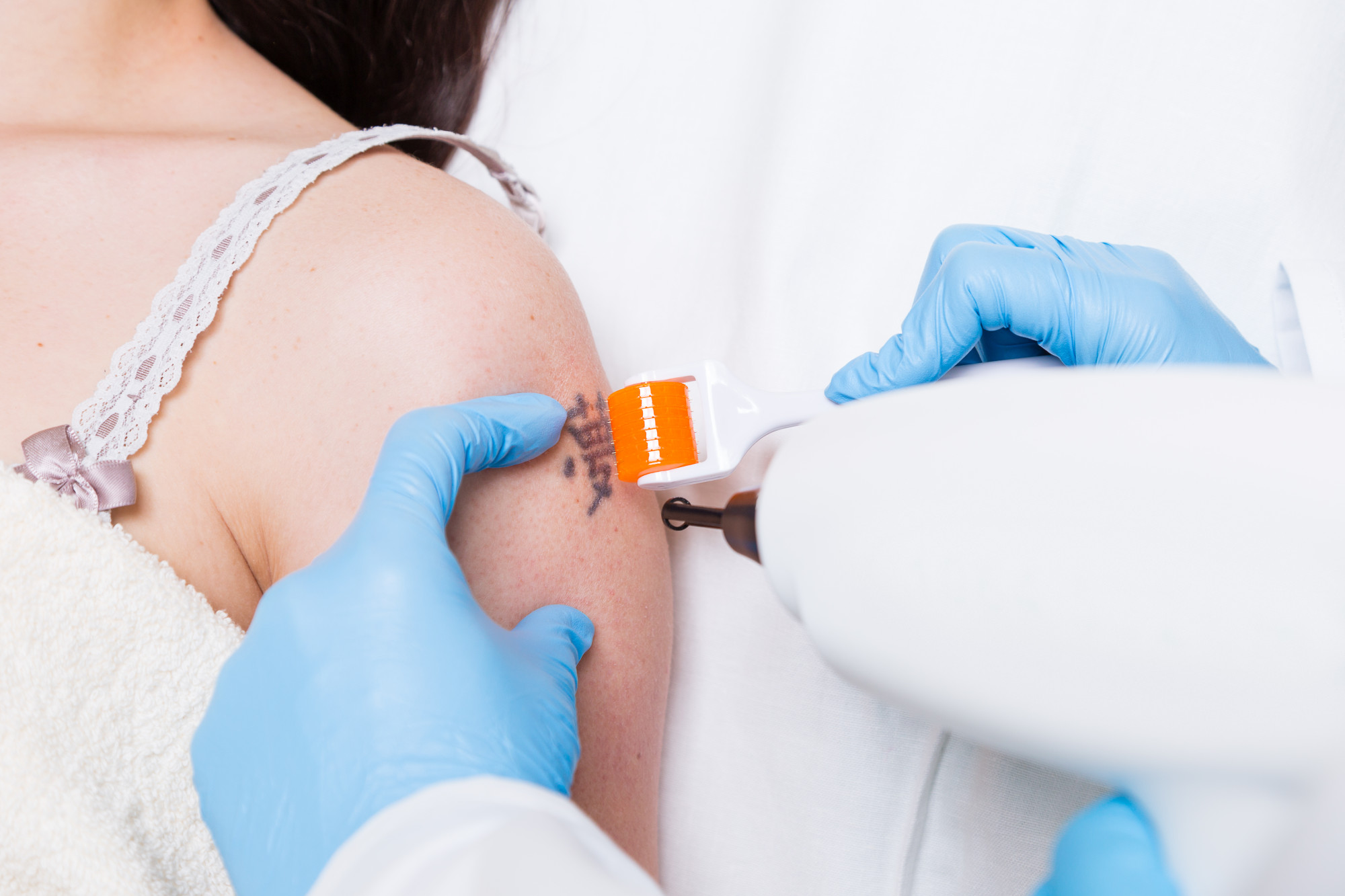
Colors Shift with the Seasons
Our skin color changes slightly with the seasons. Even if the cover-up initially matched your skin color perfectly, many people regret it later as only the covered area becomes noticeable over time.
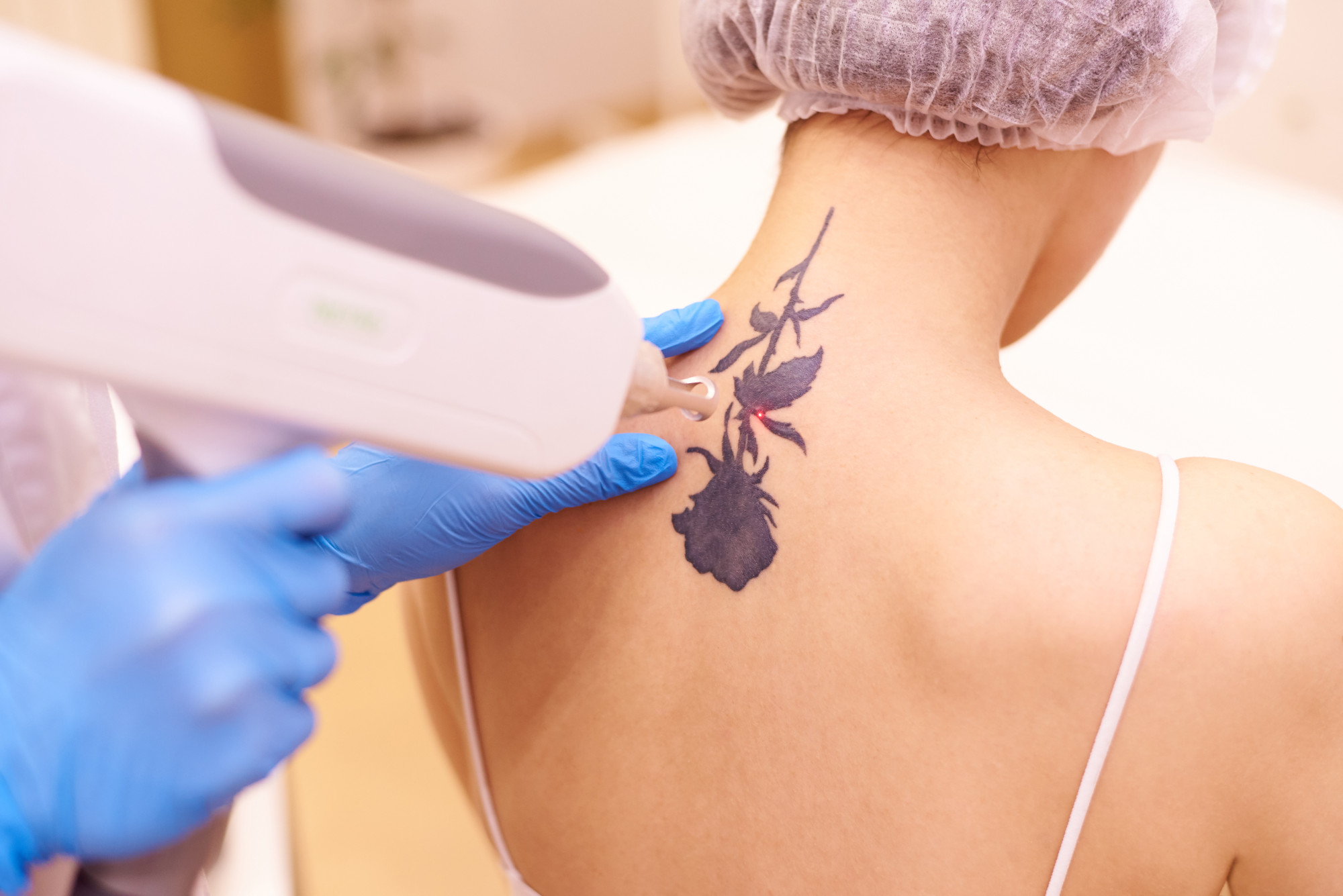
The Act of Mixing Multiple Colors
Cover-up skin tattoos use various colors to create a shade similar to the individual's skin. Some of these pigment substances may contain allergens that can cause reactions in certain skin types.
If you regret it, you'll have to remove the cover-up tattoo and address the original skin concern, leading to a situation that is twice as difficult.
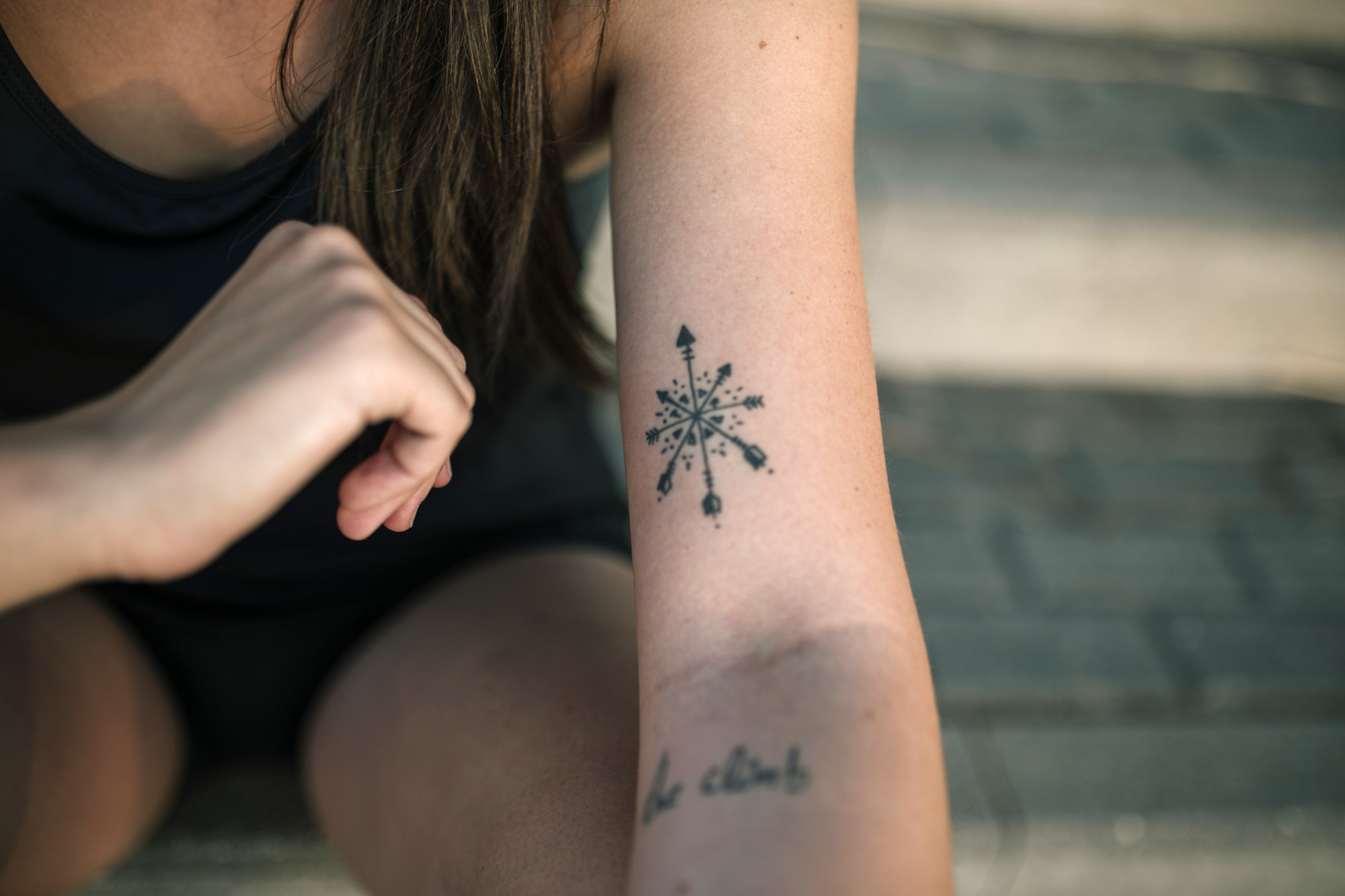
Skin-Colored Tattoos Are Difficult to Remove
If you have a cover-up skin tattoo, it will take longer to remove than a simple tattoo. This is because skin-colored tattoos are among the difficult colors to remove.
- The color itself is challenging for lasers to react to.
- Therefore, dozens of treatments may be necessary.
| Situation | Target to Remove | Expected Burden |
|---|---|---|
| Original concern only | Melasma, stretch marks, scars | Only relevant treatment |
| After cover-up | Cover-up pigment and original concern | Increased duration and number of sessions |
Information on handling colored pigments can be found in R-Zero Pico-Frectat Tattoo Removal, and for black-based colors, refer to Nd:YAG Tattoo Removal.
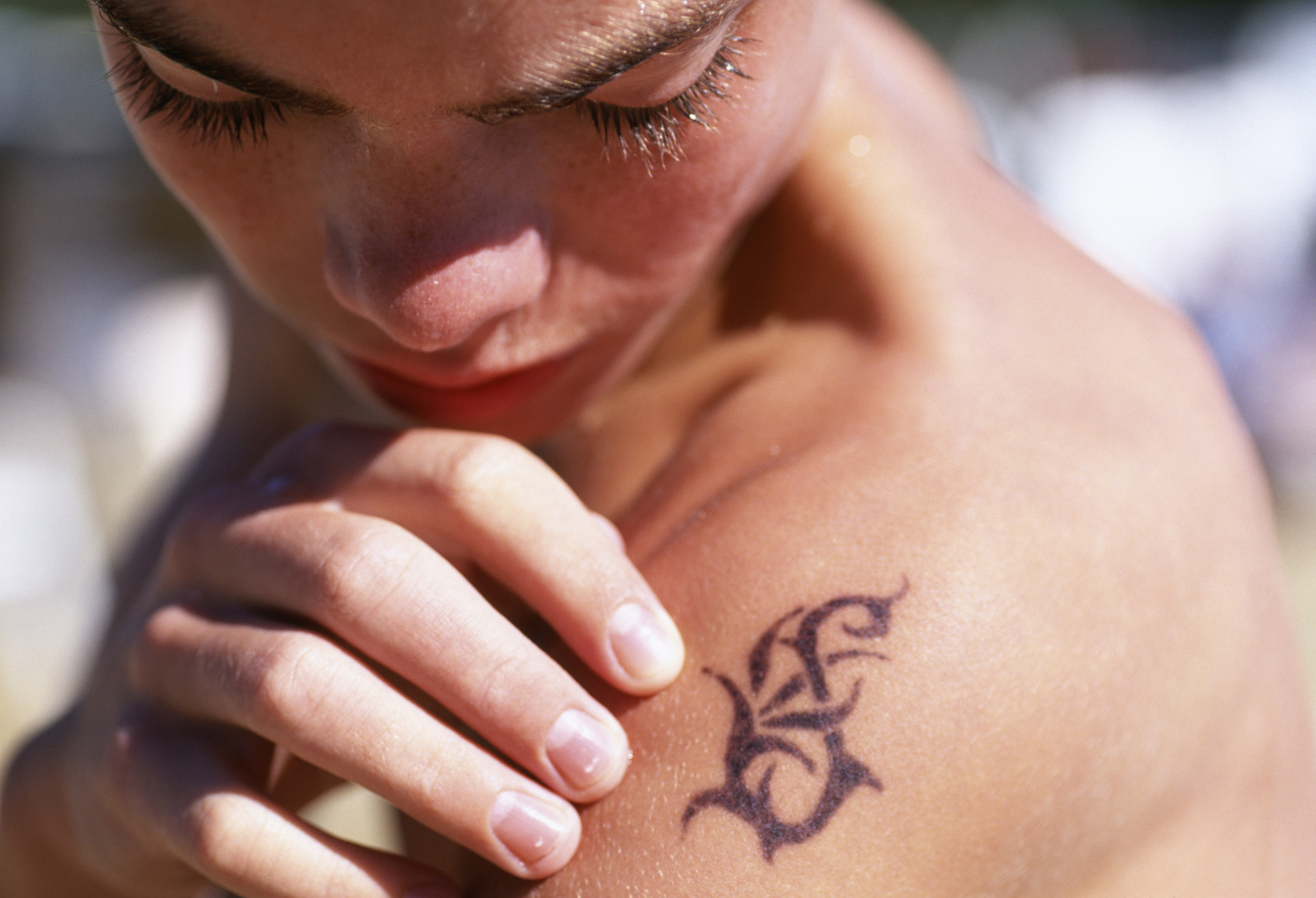
If You've Already Had It Done, Aim to Shorten the Duration
If you want to remove it quickly, it's better to use a method different from conventional approaches. Yonsei Star Dermatology Sinchon is implementing the R-Zero Technique.
This method allows for up to 4 repeated treatments in a single session, not by simply irradiating the laser once, but by applying a special medication to make the bubbles disappear.
If you have already had a cover-up skin tattoo, we recommend considering this method to shorten the duration. If you haven't had it done yet, we advise you to think it over once more before deciding. The treatment flow is available in Tattoo Removal Treatment Guide, and if you need to check your condition, please contact us via chat now. Individual results may vary.

Authored and Medically Reviewed by Chief Director Dr. Lee Sang-joo (Dermatologist) Graduated from Yonsei University College of Medicine · Completed Dermatology Residency at Severance Hospital Served as an advisory physician for Amorepacific IOPE · Author of "Medical Skincare" View Medical Staff Profile
First Published 2024-12-30 · Last Reviewed 2026-07-29
This article contains general medical information and is not a substitute for individual diagnosis and treatment. Results and recovery progress may vary by individual.