
Once you decide on tattoo removal, the next concern is usually choosing a clinic. Many people visit after comparing various places and spending two to three months or more researching.
In this article, we've organized frequently asked questions about tattoo removal based on treatment criteria. The order is starting point, equipment, procedure, pain, and difficulty according to tattoo type.
Immediately after getting a tattoo is actually a good time
If you don't like your tattoo right after getting it, we recommend removing it as soon as possible.
This is because if a laser is applied before the wound on the tattooed area heals, the tattoo ink can exit through the pores more quickly.
Some express concern that applying a laser to unhealed skin could leave a larger scar, recommending treatment 3 to 6 weeks, or even several months, after getting the tattoo.
However, during that time, the pores through which the tattoo can exit may close, which can reduce the treatment effect.
Removing tattoo ink early with a laser to avoid scarring is a core know-how of the practitioner. The process aims to quickly treat the tattoo while minimizing scarring. If you are also concerned about scarring, you may want to look at the Pinhole for Burn & Surgical Scar procedure guide.

PicoSure vs. PicoWay: What's the Difference?
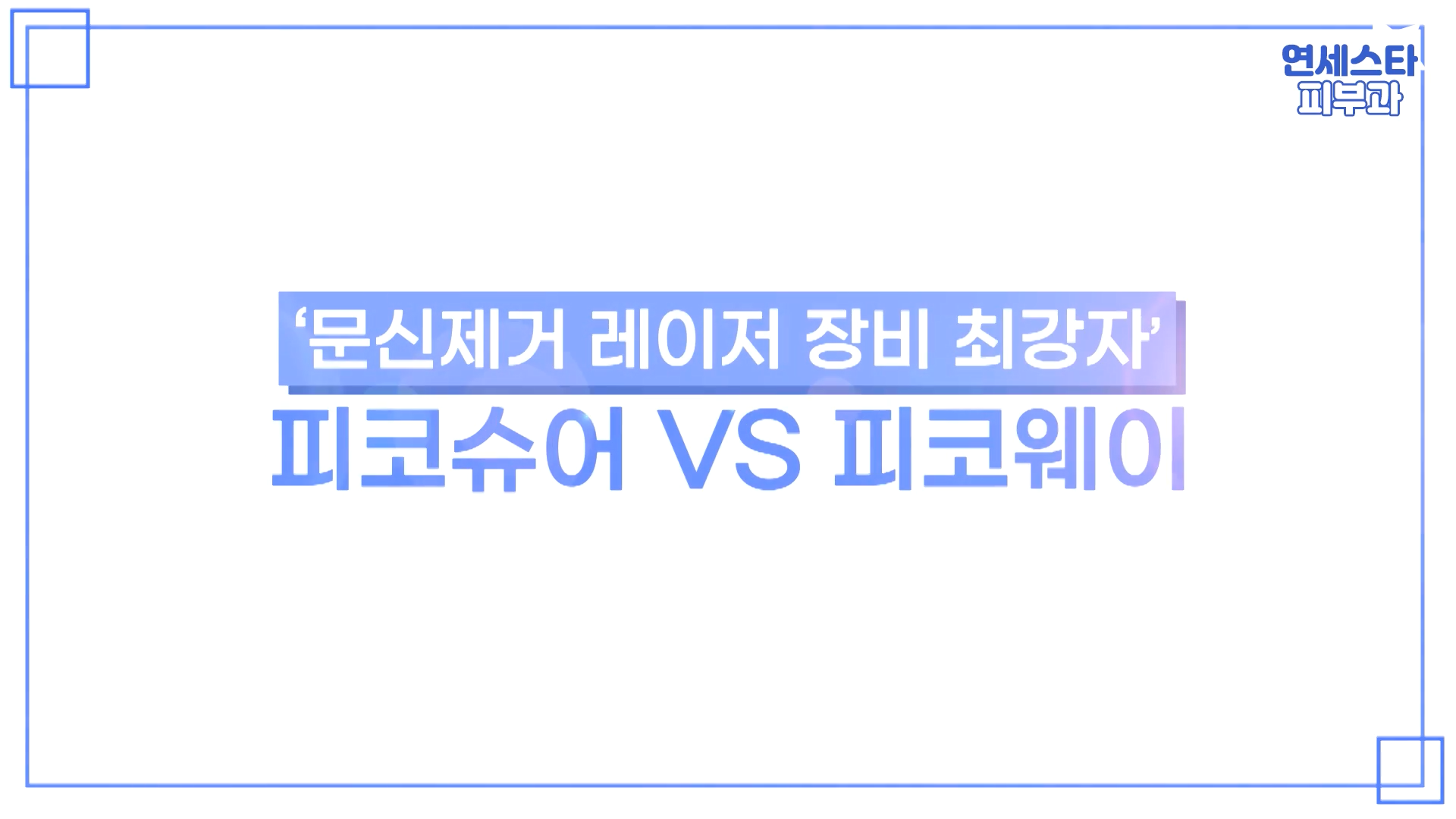
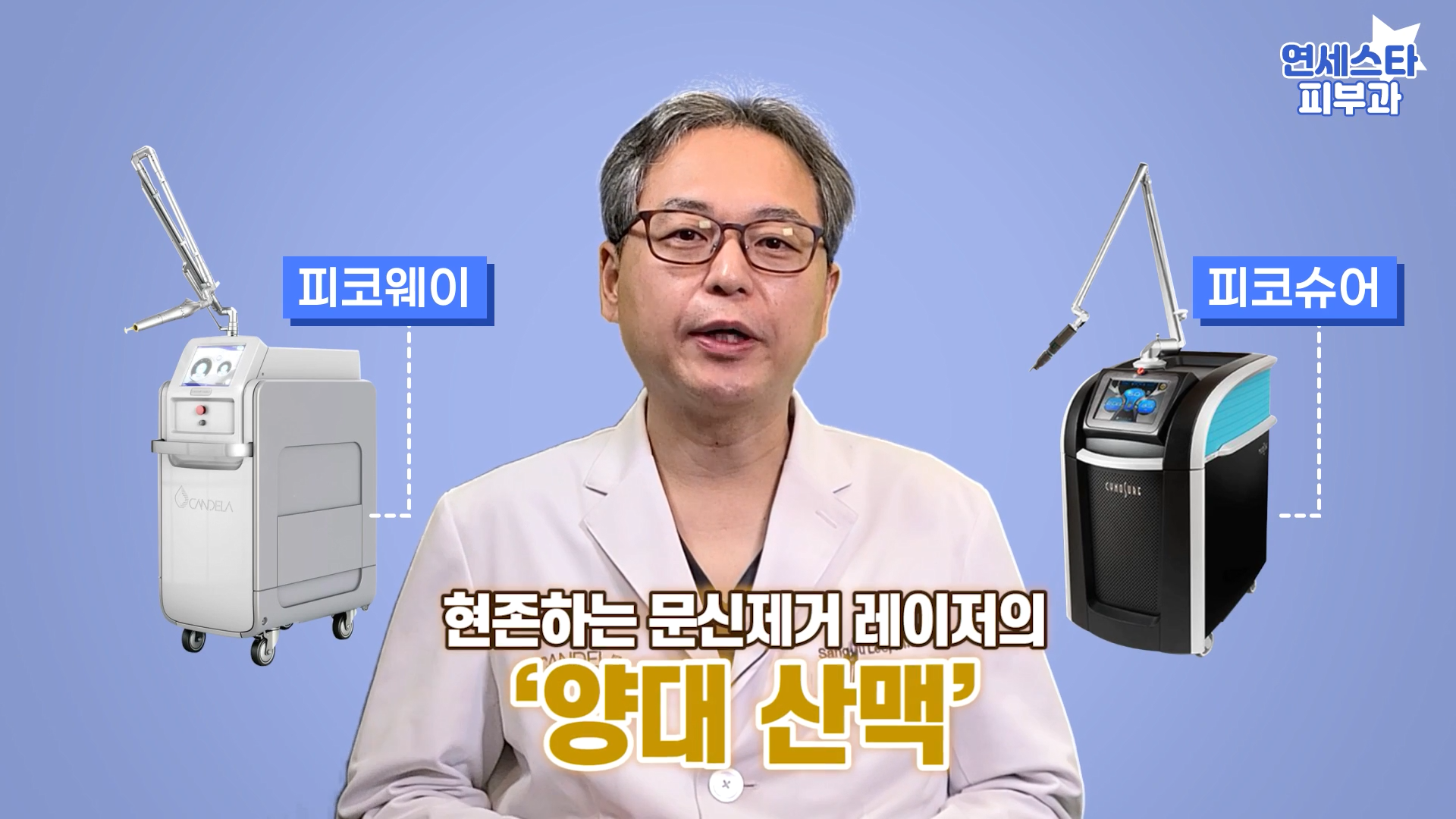
PicoWay and PicoSure can be considered the two major players in tattoo removal lasers today. PicoSure was the first device developed, and PicoWay came after it.
The basic principle of both devices is the same: they remove tattoo pigment by breaking it down in one trillionth of a second.
The device our clinic uses is PicoWay. For tattoo removal lasers, the shorter the pulse duration, or irradiation time, the better the effect. PicoWay has the shortest pulse duration among existing picosecond lasers. A shorter irradiation time allows for more finely breaking down tattoo pigment.
The Meaning of Multiple Wavelengths
Whether it's a black-and-white tattoo or a color tattoo, using a specific wavelength suited to each color helps remove it more effectively. PicoWay is equipped with four wavelengths, allowing for customized treatment for both black-and-white and color tattoos, tailored to each color.
Picosecond lasers selectively remove pigment without damaging the surrounding skin. They can be seen as devices that reduce skin burden and enhance pigment removal. The device configuration and procedure are outlined in the R-Zero Pico-Frectat Tattoo Removal guide.

The R-Zero Technique Procedure
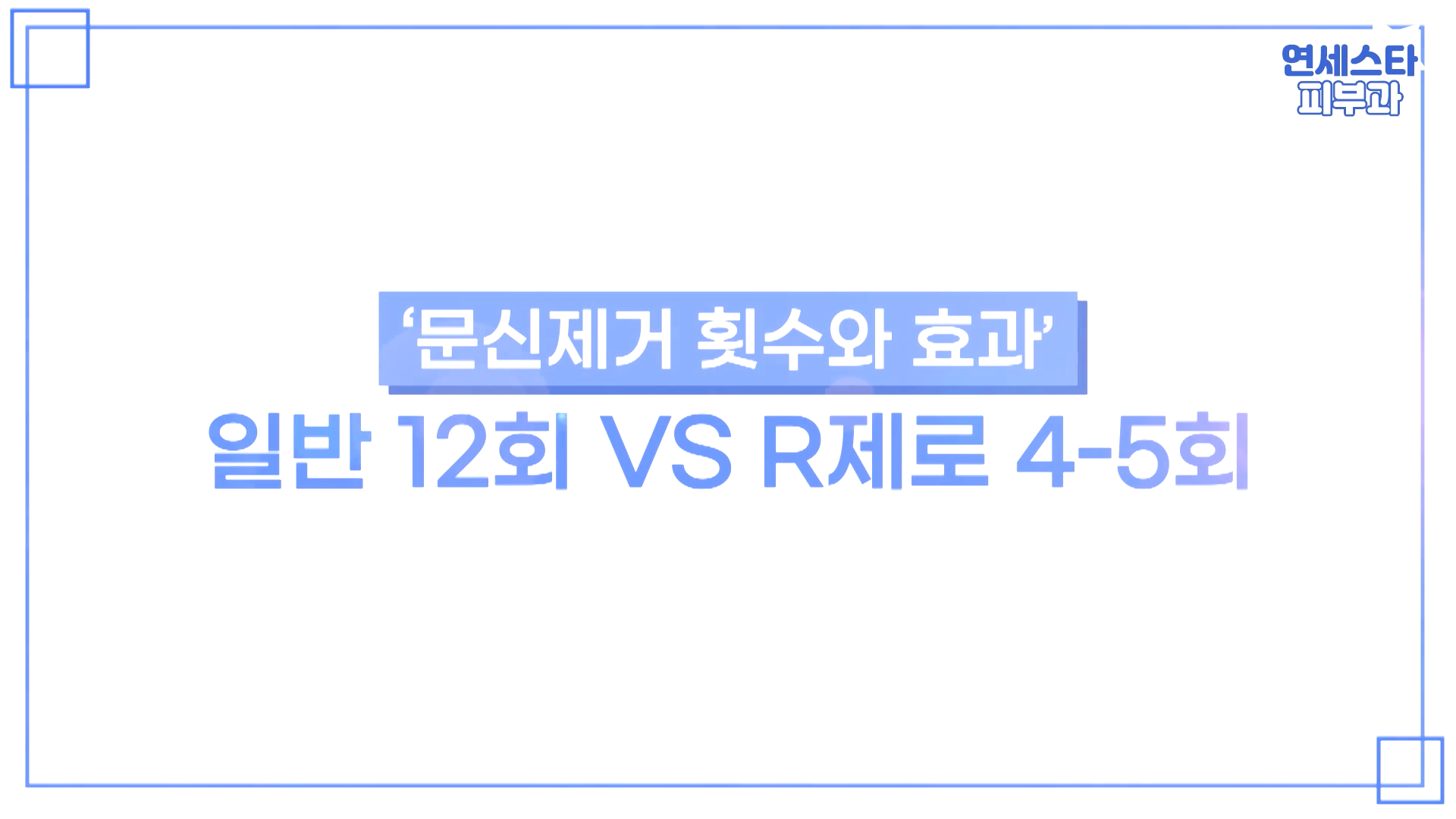
The R-Zero Technique is our clinic's procedure that allows for up to four tattoo removal treatments in one session by applying PFD medication, whereas previously only one treatment was possible per session.
Compared to conventional methods, it is reported that the number of treatment sessions required to achieve the same outcome is reduced. The speed of progress may vary individually depending on the tattoo's condition.
If you have any questions, you can easily ask them via Chat with us now.
What Kind of Pain is Tattoo Removal Pain?
One of the most common questions we receive about tattoo removal is how much it hurts. Many people worry before the procedure because there's so much talk about pain online.
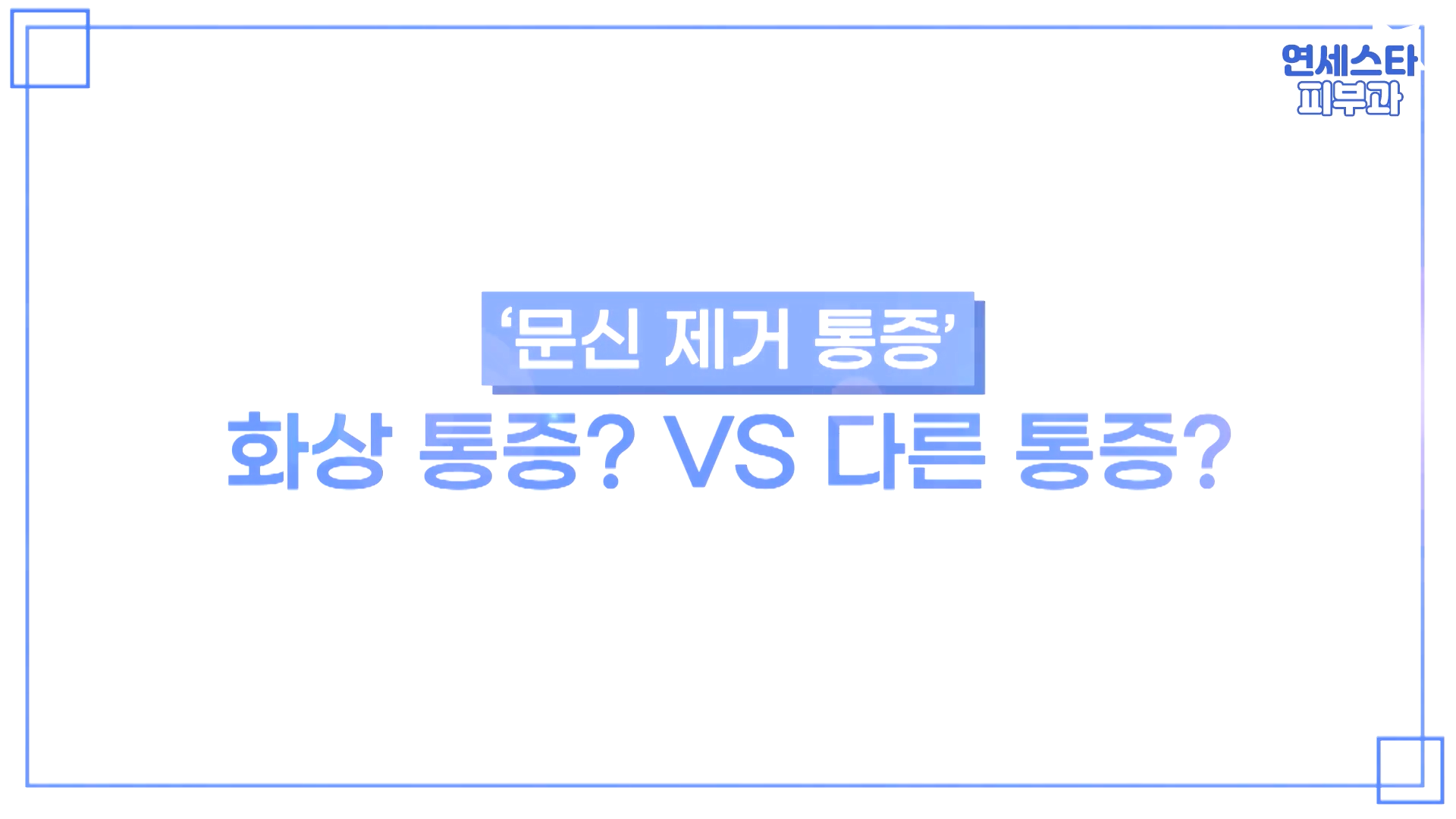
Since the degree of pain varies for each individual, it's difficult to explain exactly how much it hurts. However, we can describe the nature of the pain:
- You might easily think it's pain from laser heat, but that's not actually the case.
- While heat pain feels hot, the pain during tattoo laser treatment feels like tearing the skin.
- This pain occurs because the tattoo particles explode, slightly tearing the surrounding skin.
Low-pain tattoo removal methods are continuously evolving. Our clinic performs procedures with significantly reduced perceived pain using low-pain air cooling systems, so you don't need to worry solely about pain beforehand.

Large Tattoos vs. Cover-Up Tattoos: Which is More Challenging?
Both are very challenging cases to remove. If we compare a large tattoo the size of an A4 paper with a cover-up tattoo that has been done three times, the cover-up is much more difficult.
| Category | Condition | Conditions for Removal |
|---|---|---|
| Large Tattoo | Large tattoo size | No significant difference in principle from small tattoos, except for longer procedure time |
| Cover-Up Tattoo | Covered multiple times | Procedure count increases significantly as it's treated according to color and removed layer by layer |
Both cases are difficult and require a long treatment period.

Good Criteria to Consider When Choosing a Clinic
Getting a tattoo is easy, but removing it is difficult and takes a long time. Therefore, it is a treatment that requires a more careful choice.
The overall treatment flow can be found in the Tattoo Removal Treatment guide, and information on other laser methods can be found in Nd:YAG Tattoo Removal.

Authored and Medically Reviewed by Dr. Jin-Moon Kang, Chief 원장 (Dermatologist) Former Resident in Dermatology at Severance Hospital · Former Professor at Bundang CHA Hospital Currently Adjunct Professor at Yonsei University College of Medicine, Department of Dermatology · Member of the Korean Society for Aesthetic and Dermatologic Surgery View Medical Team Profile
First Published 2024-05-08 · Last Reviewed 2026-07-29
This article contains general medical information and does not substitute for individual diagnosis and treatment. Results and recovery may vary individually.