
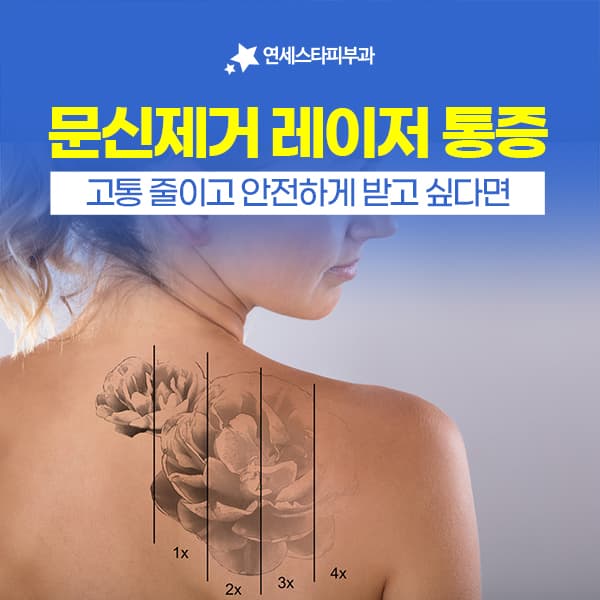
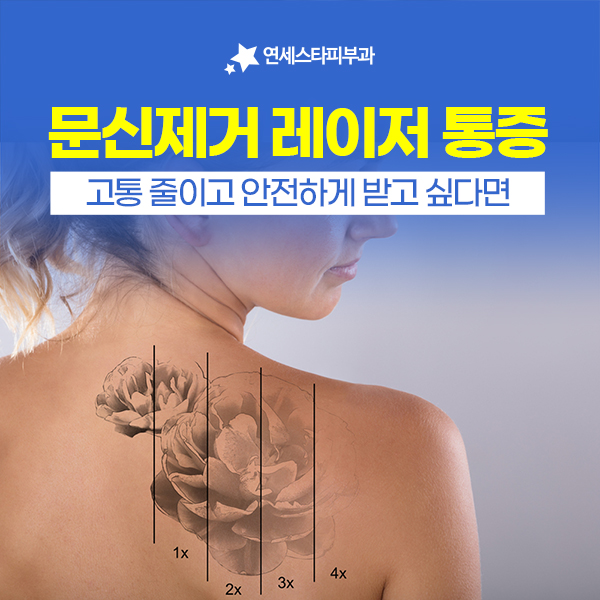
As we move into seasons with more exposure, more people want to remove tattoos as cleanly as they got them. The first concern that comes to mind before a procedure is pain. Many people are afraid of how much it will hurt to remove a tattoo when it hurt to get it.
The degree of pain varies depending on the conditions:
- Location of the tattoo
- Size of the tattoo
- Color composition
- Individual pain sensitivity
Most people want to remove tattoos safely and with as little pain as possible. Recently, hospitals have been actively utilizing methods to reduce the burden of pain. R-Zero Technique and PicoWay Laser are representative examples.
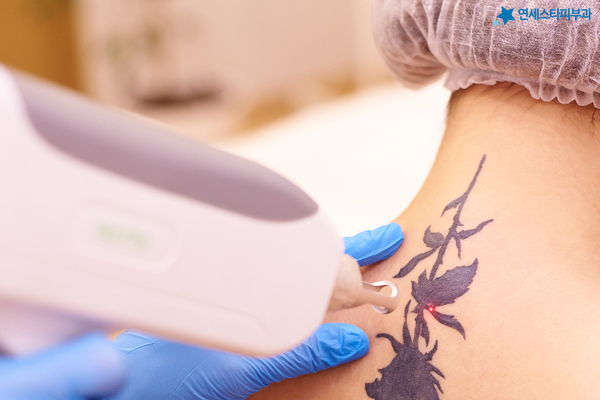

Why only one shot at a time was possible
The R-Zero Technique enhances the efficiency of the procedure by using a special drug during laser irradiation. Conventional laser tattoo removal had the inconvenience of only being able to be performed once at a time.
If the bubble phenomenon created during laser irradiation does not disappear properly, the laser beam may not fully reach the target.
Naturally, the overall treatment period became longer, and the period during which pain could be felt also tended to be longer.
Time gained by removing bubbles
R-Zero Technique rapidly removes bubbles with a special drug, allowing the laser to be repeated up to 4 times in a single session. As a result, the overall period for tattoo removal is reduced.
At this time, the results can vary greatly depending on the equipment used and how skillfully the procedure is applied. The procedure is summarized in R-Zero Pico-Frectat Tattoo Removal.

What ultrashort pulses do
PicoWay Laser is a device that delivers energy with ultrashort pulses in picosecond units. A picosecond means one trillionth of a second.
It is much shorter and more powerful than the previously used nanosecond method, helping to break down pigments more finely and quickly so they can be expelled. PicoWay can utilize four wavelengths, making it possible to approach color tattoos with various colors. You can quickly understand the differences between devices by comparing them with Nd:YAG Tattoo Removal.

When the two methods are combined
| Component | Role |
|---|---|
| PicoWay's ultrashort pulses | Precisely destroy pigment particles to reduce tissue irritation |
| R-Zero Technique's repeated irradiation | Irradiate multiple times in one session to reduce the overall treatment period |
Combining the two methods can be expected to have a complementary effect in pain management.
A long-term endeavor
Laser tattoo removal is usually performed about 10 times at intervals of 1 to 2 months. Therefore, you may naturally be concerned about the pain or skin damage felt during the procedure.
If the laser intensity is excessively increased to remove it quickly, side effects such as burns or scars may occur, so caution is required. By combining the two methods, the procedure can be continued without excessively increasing the intensity. For scar prevention care, please refer to Pinhole for Burn & Surgical Scar.
We recommend carefully checking the procedure and equipment and consulting sufficiently with a dermatologist before starting. You can continue your consultation by contacting us via chat now.
Authored and medically reviewed by Chief Director Lee Sang-joo (Dermatologist) Ph.D. in Medicine, Yonsei University College of Medicine Graduate School · Resident in Dermatology, Severance Hospital · Former Advisor to Neutrogena Current Adjunct Professor, Department of Dermatology, Yonsei University College of Medicine · Author of "Cosmetic Treatment Using Gold PTT" View Medical Staff Profile
First published 2026-05-22 · Last reviewed 2026-07-29
This article contains general medical information and does not replace individual diagnosis and treatment. Results and recovery may vary from person to person.