


Tattoo removal is not a short-term process. It usually takes at least half a year, and sometimes several years. Depending on which dermatology clinic you choose, there can be a significant difference in satisfaction with the treatment results and scar prevention.
This article summarizes what to look for when choosing a clinic and what to take care of after the procedure.
What you miss if you only look at cost and number of sessions
When choosing a dermatology clinic, it's necessary to consider not only the cost or number of sessions but also the laser equipment used and the treatment techniques.
Tattoo pigment is deeply embedded in the skin, so the results can vary depending on the equipment used and the method of treatment.
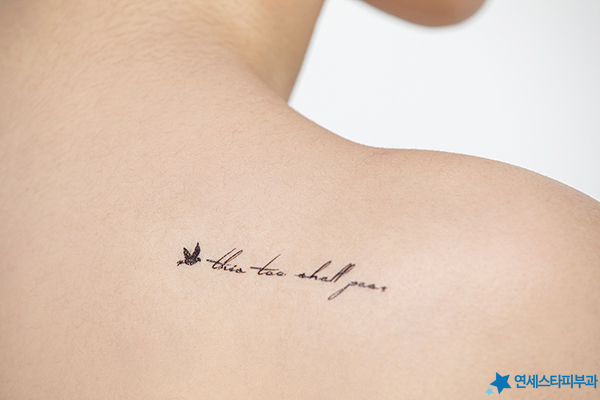
From single pass to multiple passes
Initially, due to technical limitations, only single passes were possible per treatment, making complete removal quite time-consuming.
Recently, with the establishment of special techniques that allow safe repeated passes, more people are seeking dermatology clinics that offer these methods. A prominent example is the R-Zero Technique.
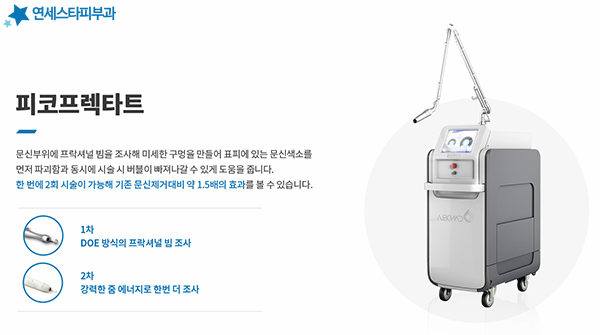
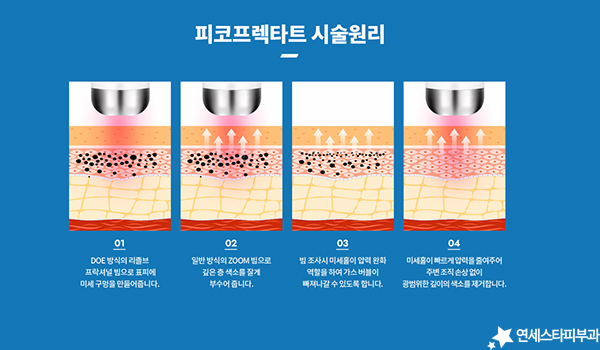
Unlike conventional methods, which were difficult to apply multiple times due to skin irritation and bubble layers, this technique allows for up to 4 repeated laser passes.
It is reported that the efficiency of removal increases as the amount that can be treated in one session increases. The technique's composition is detailed in the R-Zero Pico-Frectat Tattoo Removal guide.
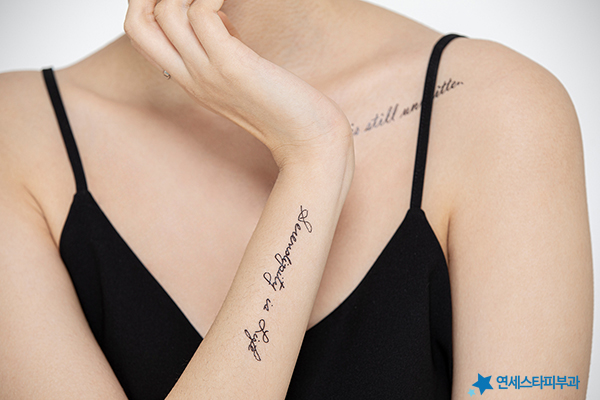
Equipment evolved from nanoseconds to picoseconds
In the past, many commonly used lasers applied nanoseconds. As technology advanced, picosecond methods emerged, which deliver pulses 1000 times faster, allowing for quicker and finer breakdown of pigment.
You can compare the differences in approach by equipment in Nd:YAG Tattoo Removal.
Even with good equipment, aftercare is crucial
Even with excellent equipment and techniques, insufficient aftercare can lead to side effects like scarring.
| Timing | Care | Reason |
|---|---|---|
| Immediately after treatment | Cold compress for soothing | Heat remains in the skin |
| Blisters and scabs | Do not pick or scratch forcefully | Can lead to scarring |
| Recovery period | Consistent use of moisturizer | Skin barrier is weakened |
| Recovery period | Concurrent regenerative treatment if needed | Safer recovery |
| Throughout recovery | Sunscreen | Pigmentation is prone to occurring in the treated area |
Blisters and scabs will naturally fall off over time, so it's best not to force them off. Please use sunscreen without fail. Scar prevention treatments can be found in the Pinhole for Burn & Surgical Scar guide.

Why cooling during treatment is important
It is also advisable to choose a clinic where cooling management is applied during the procedure to prevent the skin temperature from rising too rapidly.
- Whether the treatment method and equipment have proven efficacy
- Whether the practitioner has the capability to perform it safely
- Whether there is a management system to reduce scarring
- Whether the lesion status is periodically checked

Ultimately, it's a procedure that requires patience
While various technological advancements have increased treatment satisfaction compared to the past, tattoo removal still requires persistence.
The results are optimized when the right clinic choice and systematic aftercare go hand in hand. You can find the overall treatment flow in the Tattoo Removal Treatment Guide and continue individual consultations via Chat with us now.

Authored and medically reviewed by Dr. Jinmoon Kang, Chief Director (Board-Certified Dermatologist) Graduated from Yonsei University College of Medicine · Dermatology Resident at Severance Hospital · Former Professor at Bundang CHA Hospital Member of the Korean Dermatological Association, Korean Society for Laser Medicine and Surgery View Medical Staff Profile
First published 2025-09-10 · Last reviewed 2026-07-29
This article contains general medical information and is not a substitute for individual diagnosis and treatment. Results and recovery progress may vary by individual.