
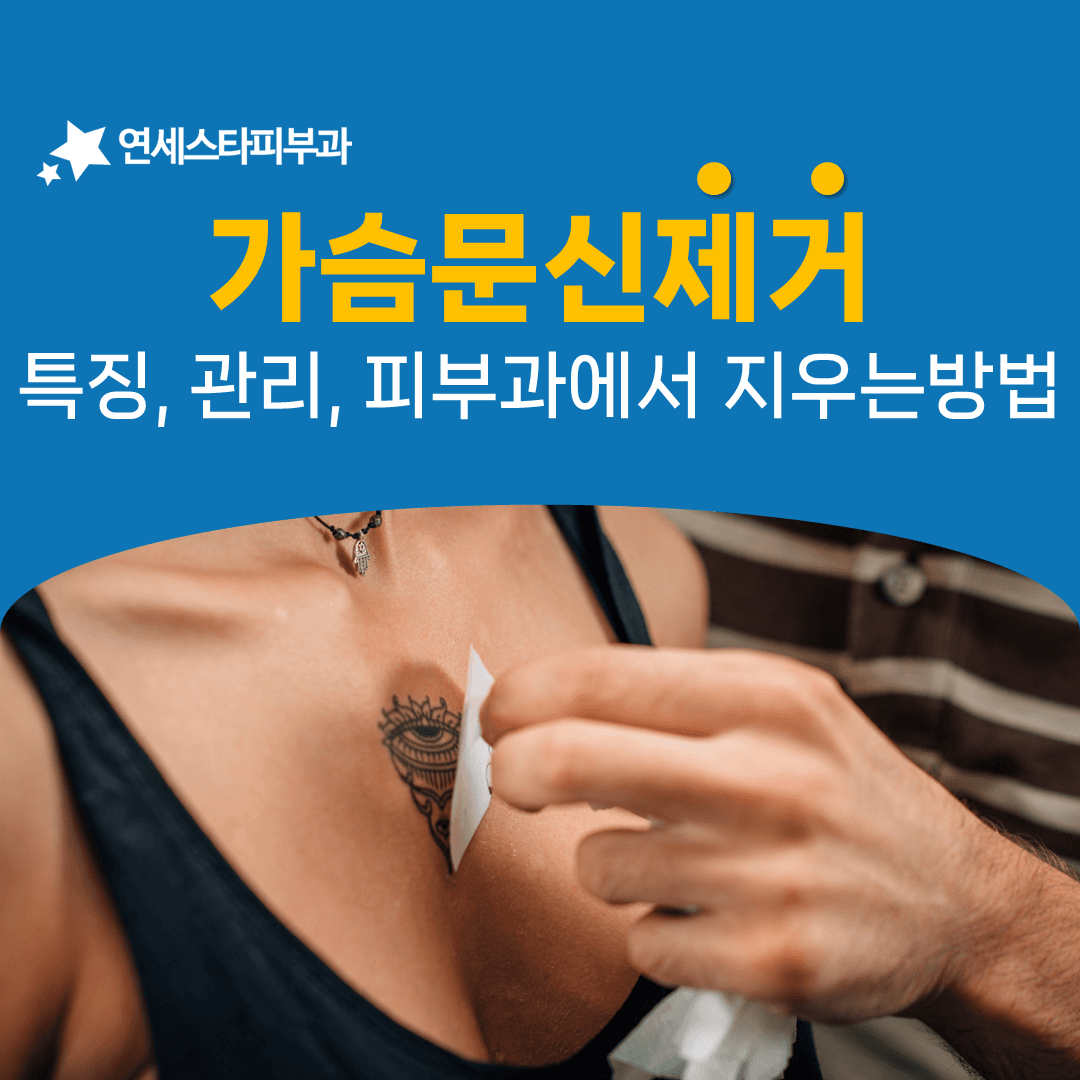
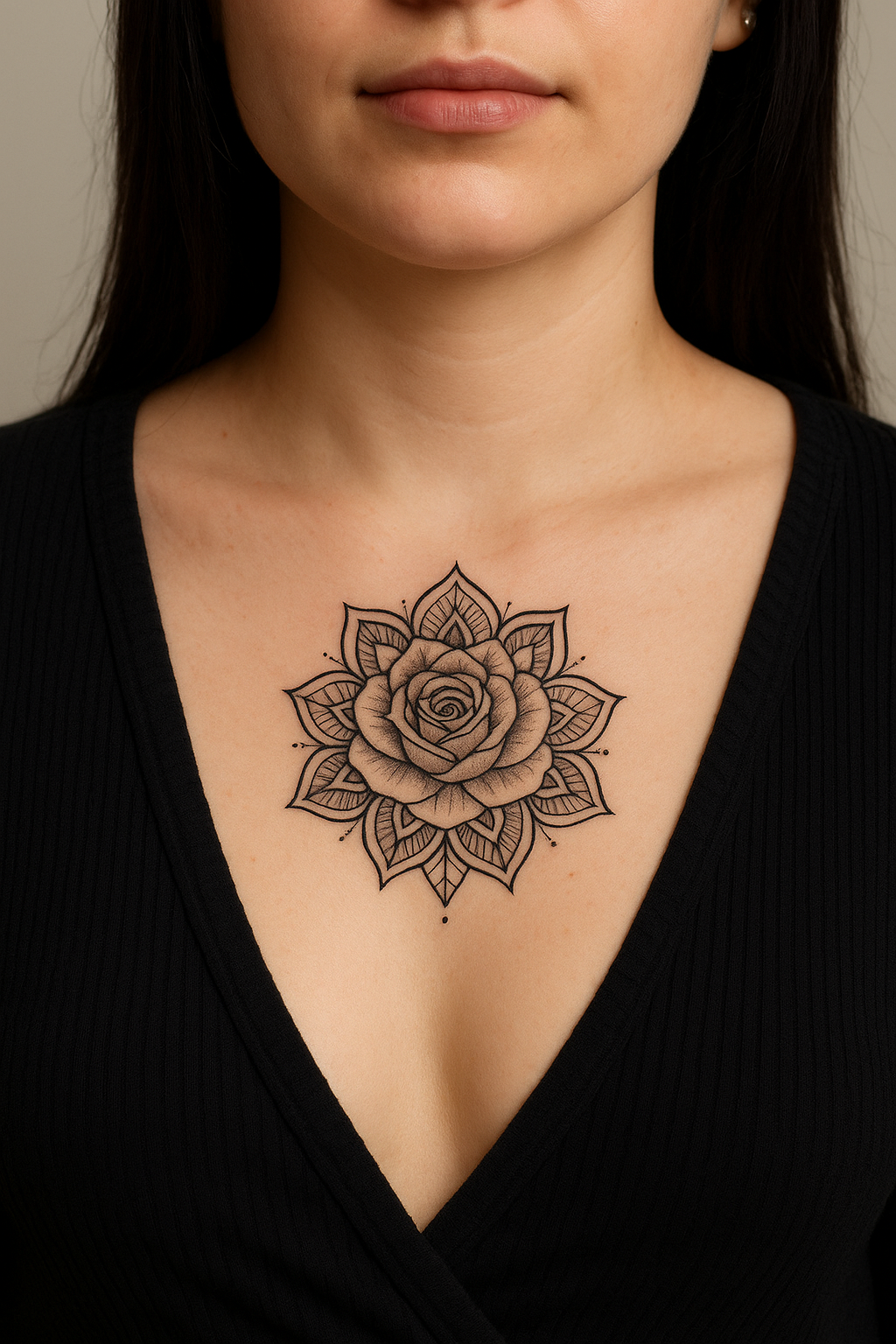
Tattoos are a means of expressing individuality and taste, but over time, many people regret them or consider removal due to changes in their lifestyle. Tattoos on the chest area, in particular, are easily visible when wearing underwear or swimwear, causing psychological discomfort for many.
This article summarizes the characteristics of the chest area, removal methods, and post-procedure care.
Condition: Thin and Sensitive Skin
The skin on the chest is thinner and more sensitive than on other areas. Therefore, redness or bruising from laser procedures may last longer.
Laser energy control must be precise, and it is best to avoid excessive stimulation.
How to Manage Pain
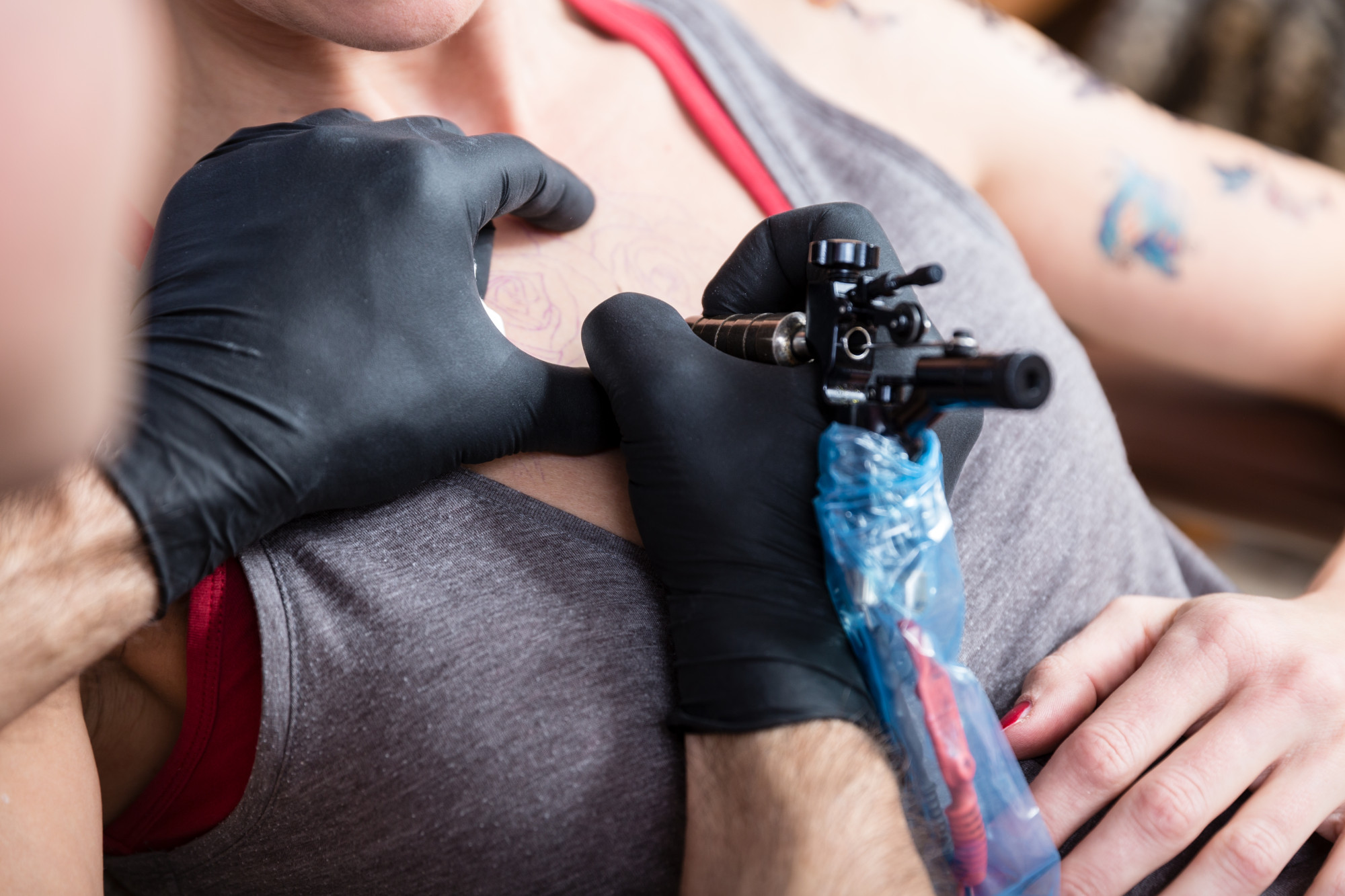
The chest is a sensitive area, so you may experience stronger pain.
- Topical Anesthetic Cream can reduce surface pain.
- Using a cooling device together can make the procedure more comfortable.
There may be individual differences in pain perception.
The Shift from Q-Switch to Pico
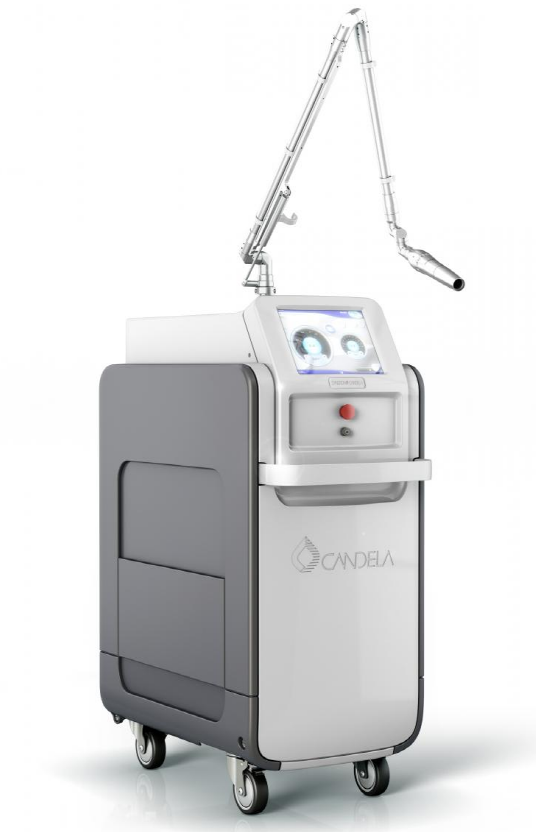
In the past, Q-switch lasers were used, but now high-power lasers, including Pico lasers, are frequently utilized.
It is difficult to complete in a single session, and usually, 5 to 10 repeated treatments are required.
The treatment interval is typically 1 to 2 months to allow for skin recovery. You can compare the differences between devices in R-Zero Pico-Frectat Tattoo Removal and Nd:YAG Tattoo Removal.
What's Easily Missed in Post-Procedure Care
| Item | Method | Reason |
|---|---|---|
| Underwear | Wear less constrictive ones | Excessive friction can cause inflammation or pigmentation |
| Sweat and Heat | Avoid heat stimulation | To reduce skin irritation during recovery |
| UV Rays | Use sunscreen | To prevent repigmentation |
| Moisturizing | Use skin regeneration cream | To prevent dryness and scars |

Why Area Characteristics Come First
Chest tattoo removal can be significantly affected by skin sensitivity, pain, and the risk of scarring more than other areas. Therefore, a procedure that considers skin characteristics, tattoo pigment, and depth is necessary.
For concerns about scarring, please refer to Pinhole for Burn & Surgical Scar, and for the overall treatment flow, refer to Tattoo Removal Treatment Guide. If you need a consultation, please use Inquire via Chat Now.

Authored and Medically Reviewed by Chief Director Lee Sang-joo (Dermatologist) Graduated from Yonsei University College of Medicine · Completed residency in Dermatology at Severance Hospital · Former Chief of Dermatology at National Police Hospital Currently Adjunct Professor, Department of Dermatology, Yonsei University College of Medicine · Author of "Medical Skincare," "Skin Barrier" View Medical Staff Profile
First Published 2025-08-27 · Last Reviewed 2026-07-29
This article contains general medical information and does not substitute for individual diagnosis and treatment. Results and recovery may vary by individual.