
![[Yonsei Star Dermatology Sinchon] Noticeable Thyroidectomy Scar Laser Removal and Management Methods](/_next/image?url=https%3A%2F%2Fagqdgbuateknhwpocrgu.supabase.co%2Fstorage%2Fv1%2Fobject%2Fpublic%2Fsources%2Fbbf3bebe-45b6-4415-bd04-bda18b2cac0f%2Fblog-images%2F224250964278_00_e534e1f19ce4.jpg%3Ftype%3Dw966&w=3840&q=75)
Scars remaining on the front of the neck after thyroid surgery are not merely a cosmetic issue. They often lead to the inconvenience of covering the neck with scarves or turtlenecks even on hot days, and not being able to freely expose the neck as seasons change. The first question that comes to mind for those encountering a scar for the first time is, "Will this scar fade over time, or does it require treatment?" To answer directly, due to the unique characteristics of the neck area, managing it appropriately from the early stages, rather than simply waiting for natural recovery, can make a difference in the scar's appearance.
Why Neck Scars Are Particularly Visible
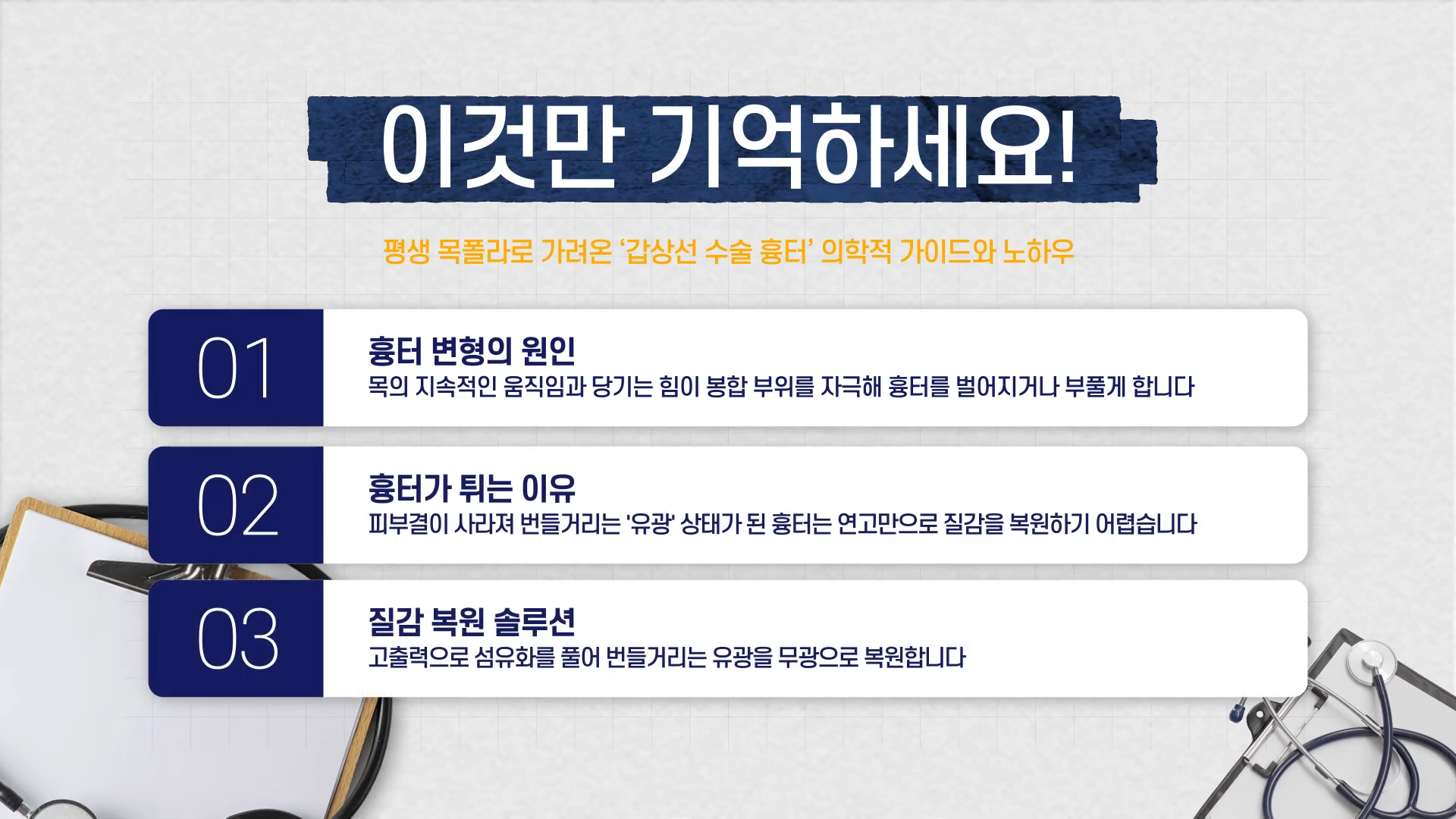
The neck is an area that moves hundreds of times a day for activities like breathing, speaking, and turning the head. This constant movement creates tension that continuously pulls the skin, making the scar prone to widening or thickening.

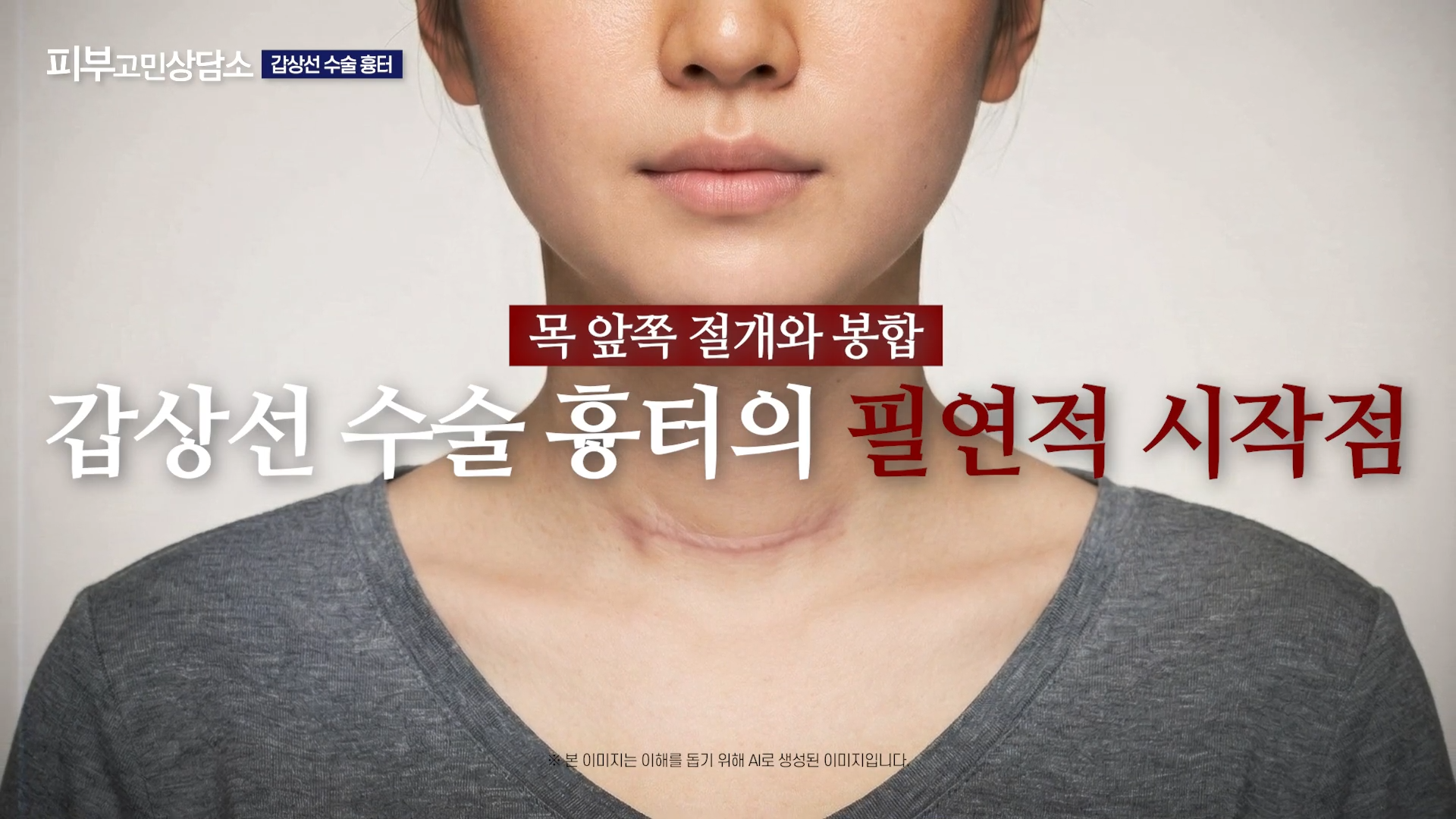
In addition, the neck is an area frequently touched by hands and rubbed by collars, making it susceptible to irritation. These anatomical reasons explain why scars on the neck tend to be more prominent than those on other parts of the body after the same surgery.
The Real Reason Scars Stand Out: Texture Difference
The key to a noticeable scar lies more in its texture than its color. How light reflects determines the scar's impression.
Normal skin has pores, causing light to scatter in various directions, resulting in a natural matte texture. In contrast, surgical scars lack pores and are smooth, causing light to reflect in one direction, making them appear shiny and glossy.
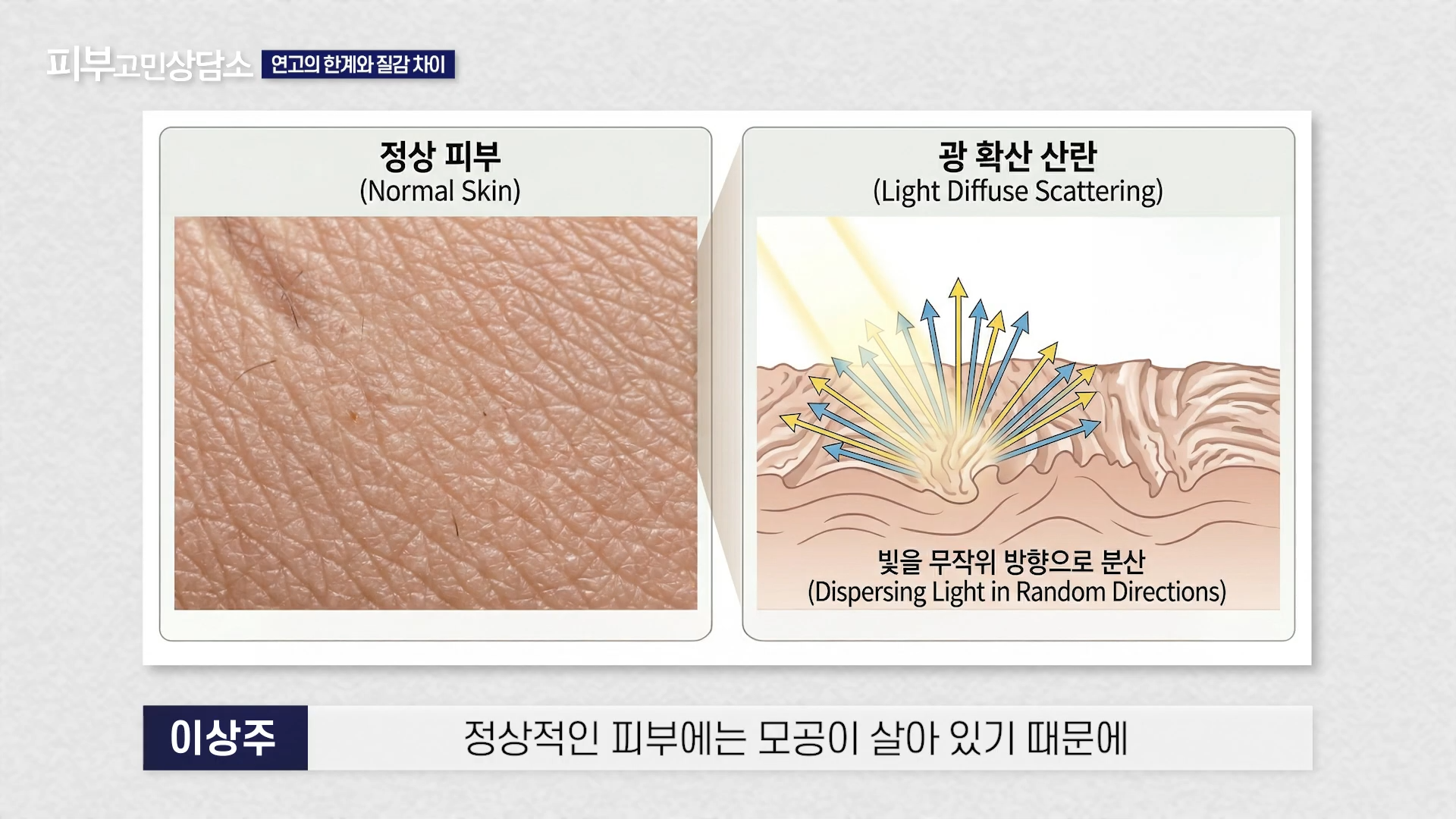

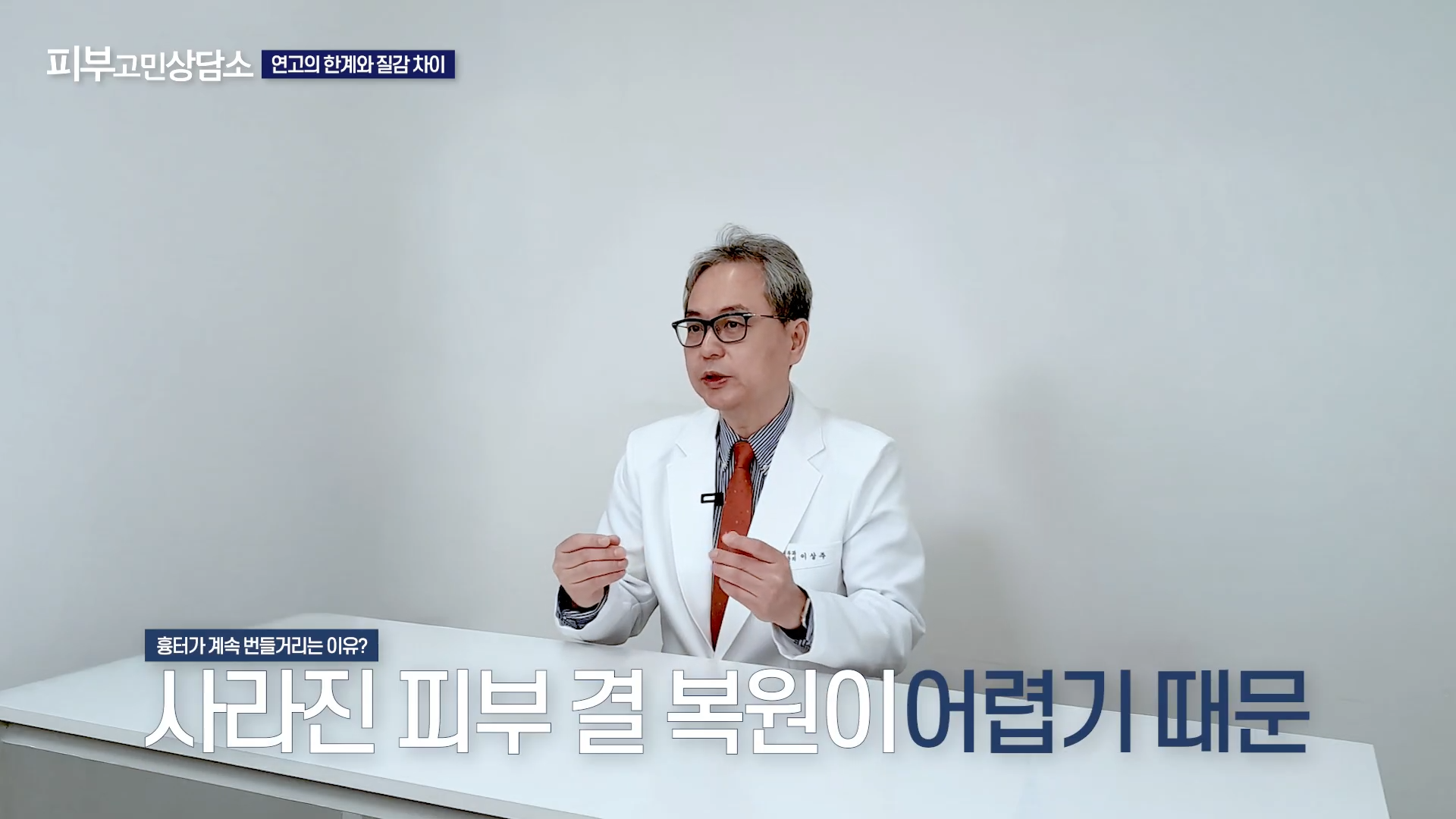

If a scar remains prominent despite consistent application of ointment, the difference in texture is likely the primary reason, rather than pigmentation. This means that simply lightening the color has its limits, and an approach that restores the broken skin texture itself is needed. Similar concerns are commonly observed in the overall characteristics and management of surgical scars.
When to Start Scar Management
It is recommended to start managing thyroidectomy scars immediately after suture removal. Before that, the stage is primarily about giving the surgical site enough rest for a smooth recovery, rather than focusing on the scar itself.
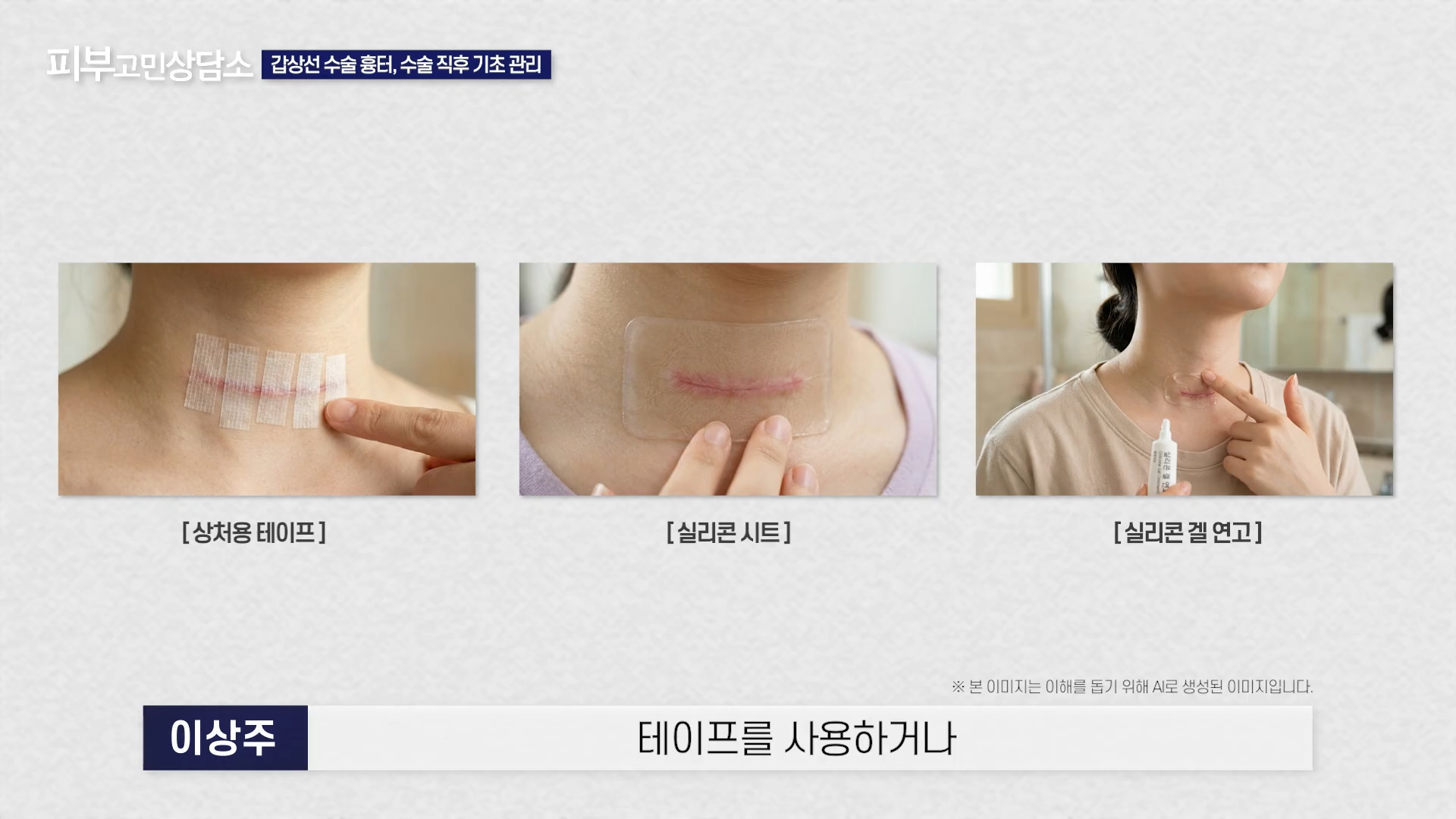

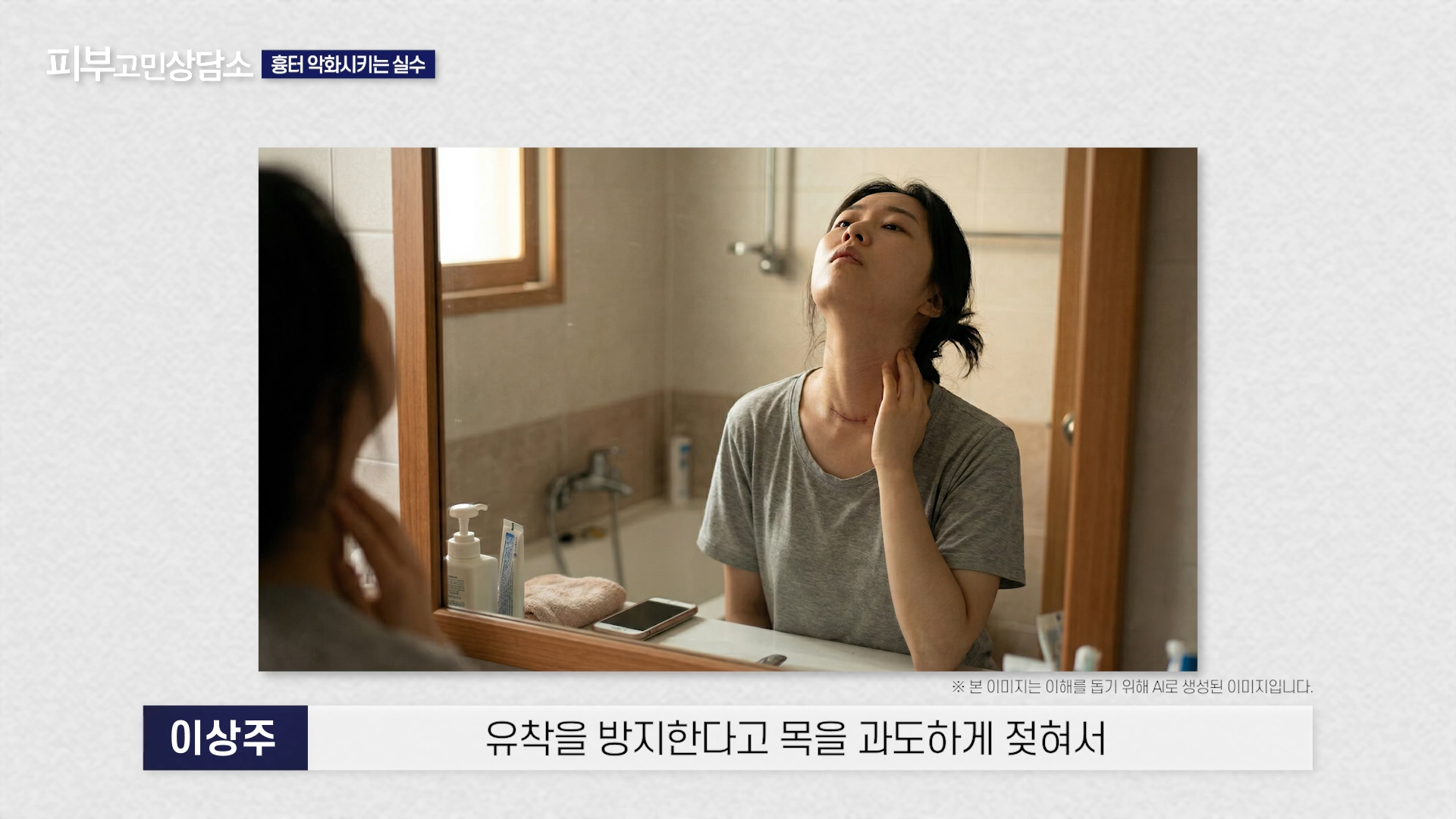
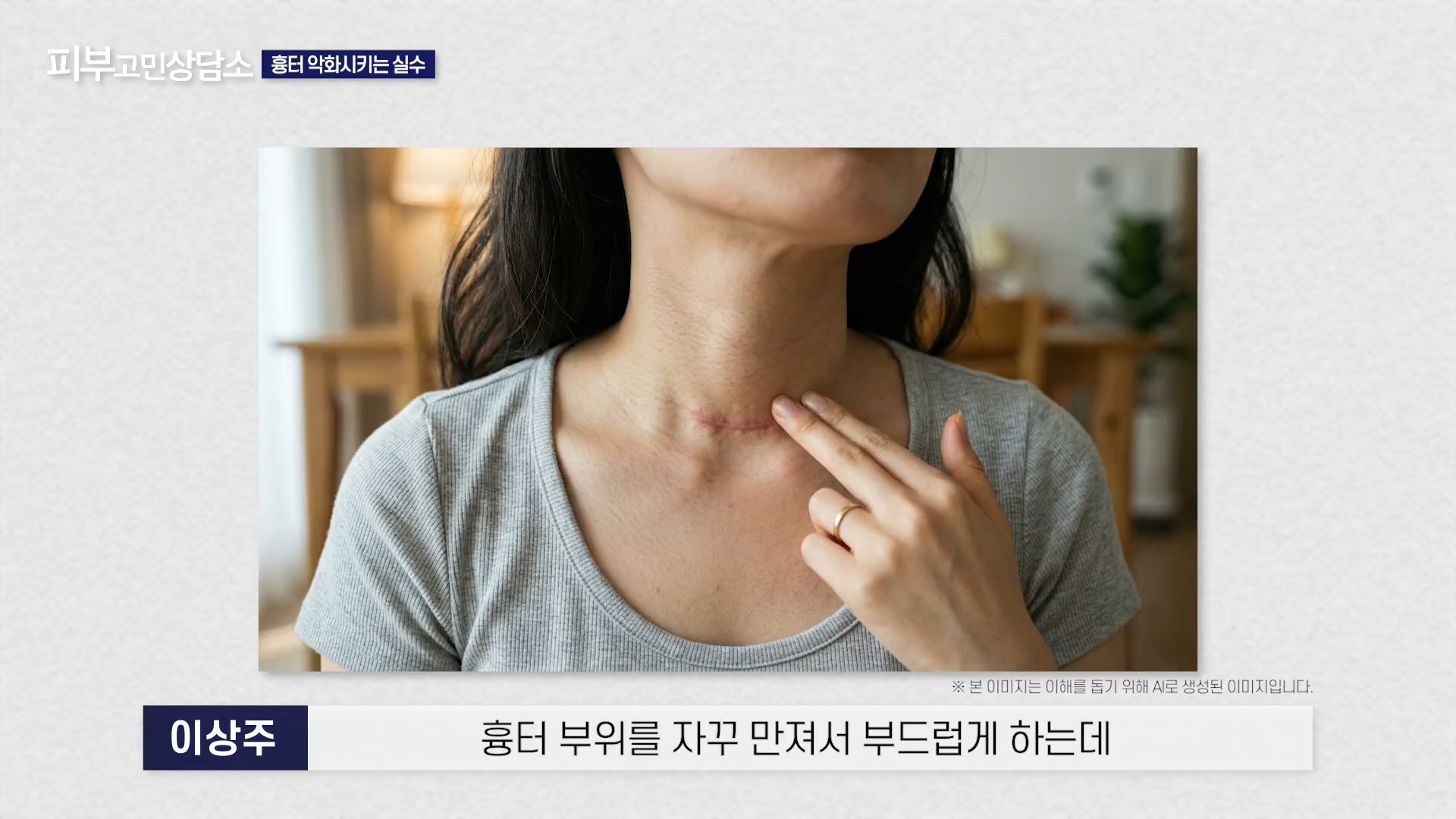
During the recovery period, it is crucial not to irritate the scar. In clinical practice, it's not uncommon for patients to inadvertently worsen their scars by touching them too much, despite their desire for improvement. It is safer to avoid the following actions:
- Repeatedly overstretching the neck to prevent adhesion
- Constantly touching or rubbing the scar area with hands
- Over-disinfecting an already healed scar with alcohol, Betadine, etc.
- Arbitrarily using unverified products
Such actions can actually induce inflammatory reactions and potentially make thyroidectomy scars wider and thicker, requiring caution. If you are unsure about the direction of management, you can inquire via chat consultation about scar management to receive guidance tailored to your current condition.

Old Scars, Is It Too Late to Start Now?
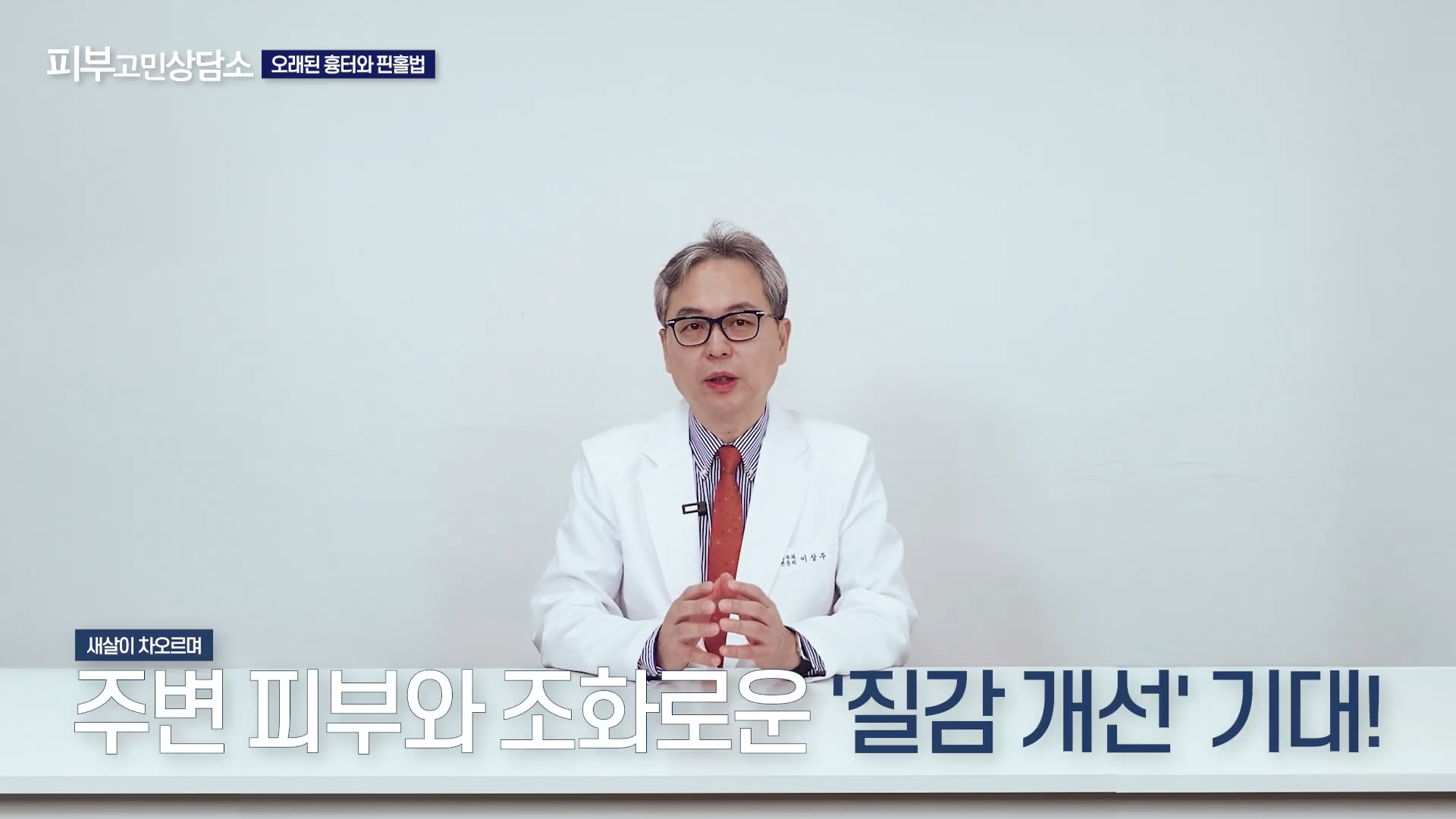
"It's been years since the surgery, can it still be treated now?" Many people have this question. It is reported that even old scars can be expected to improve with appropriate treatment. Recently, a method called the Pinhole Technique is being utilized for laser treatment of old thyroidectomy scars.
How the Pinhole Technique Addresses Scar Texture
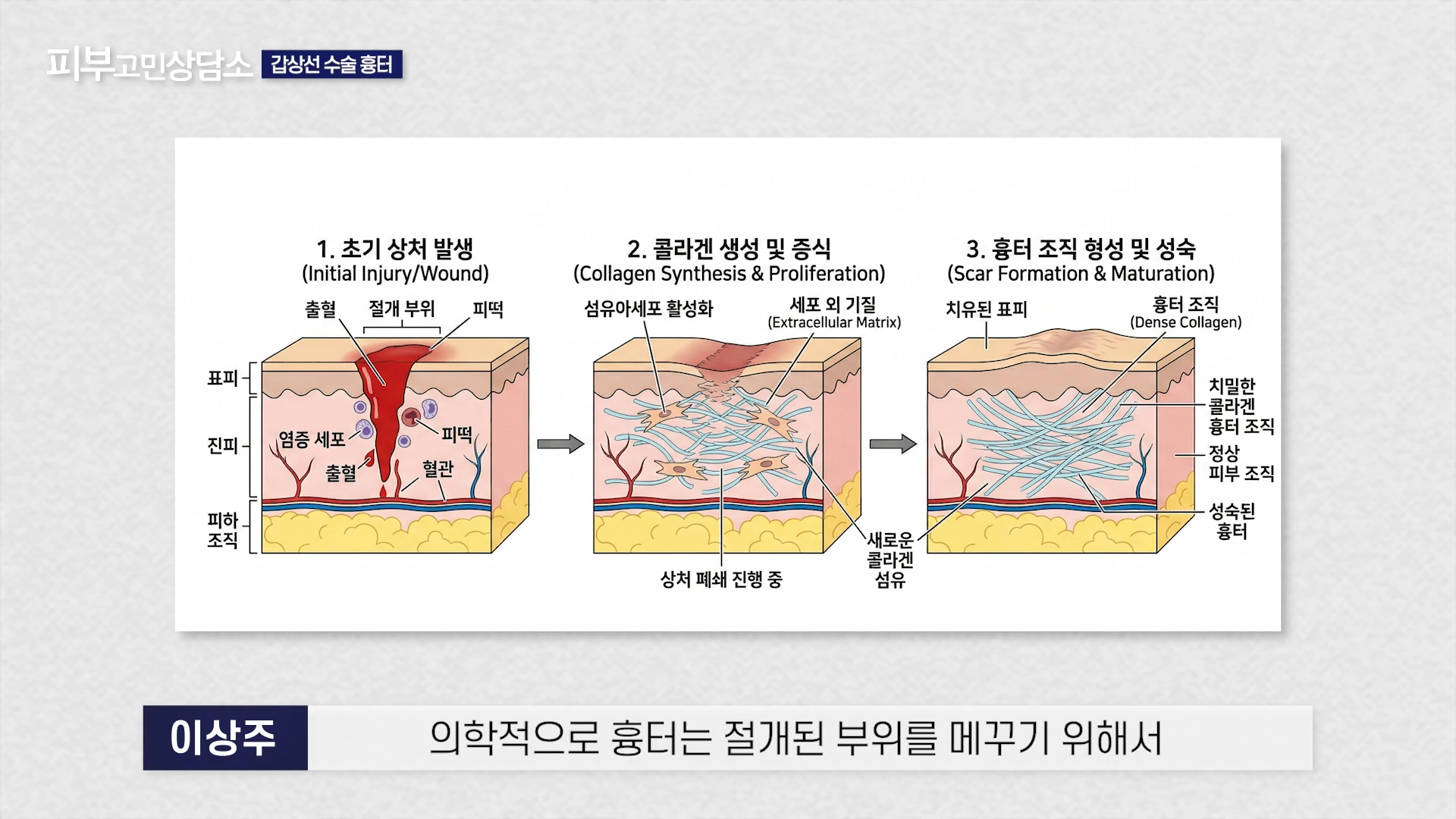
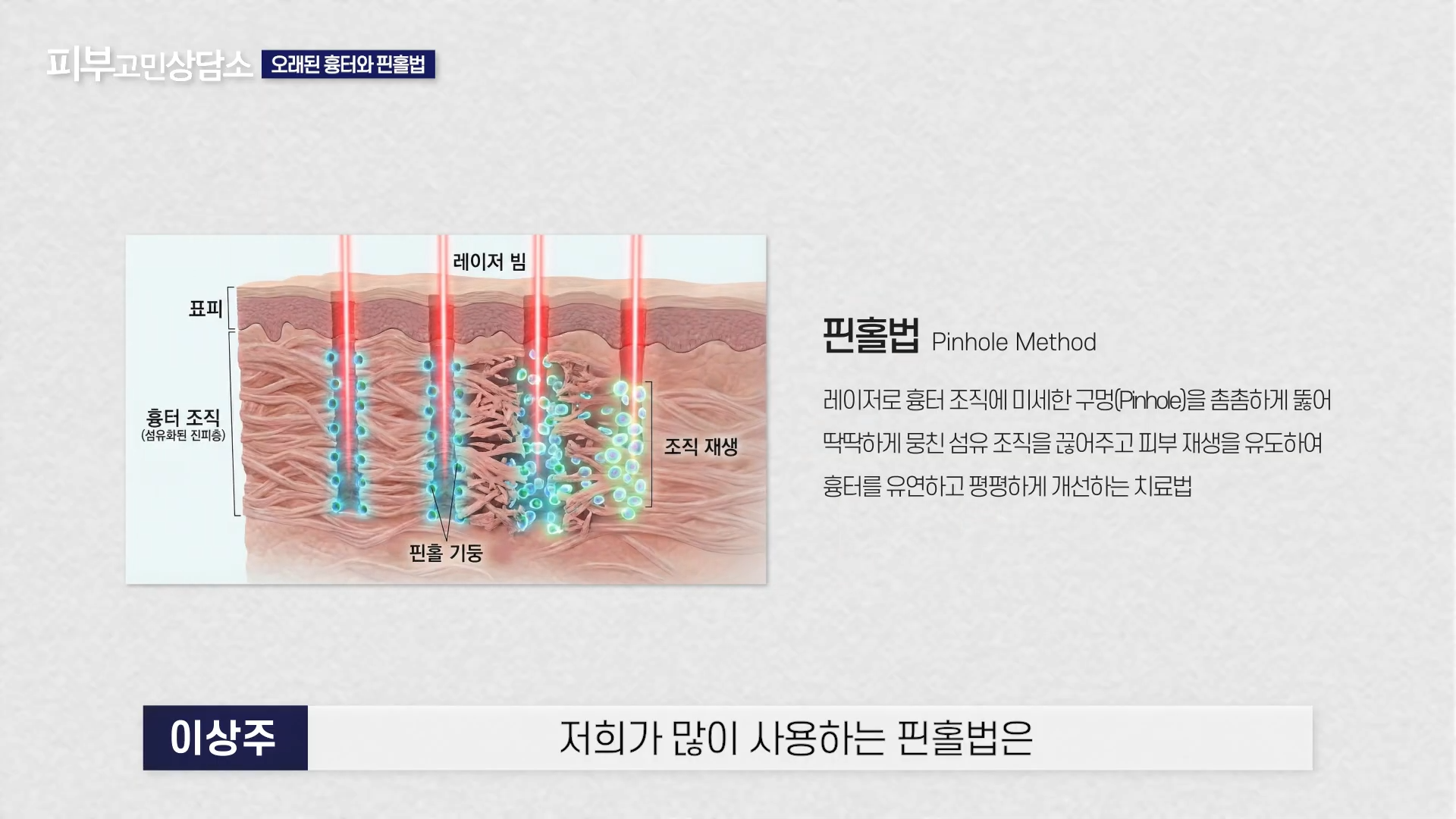
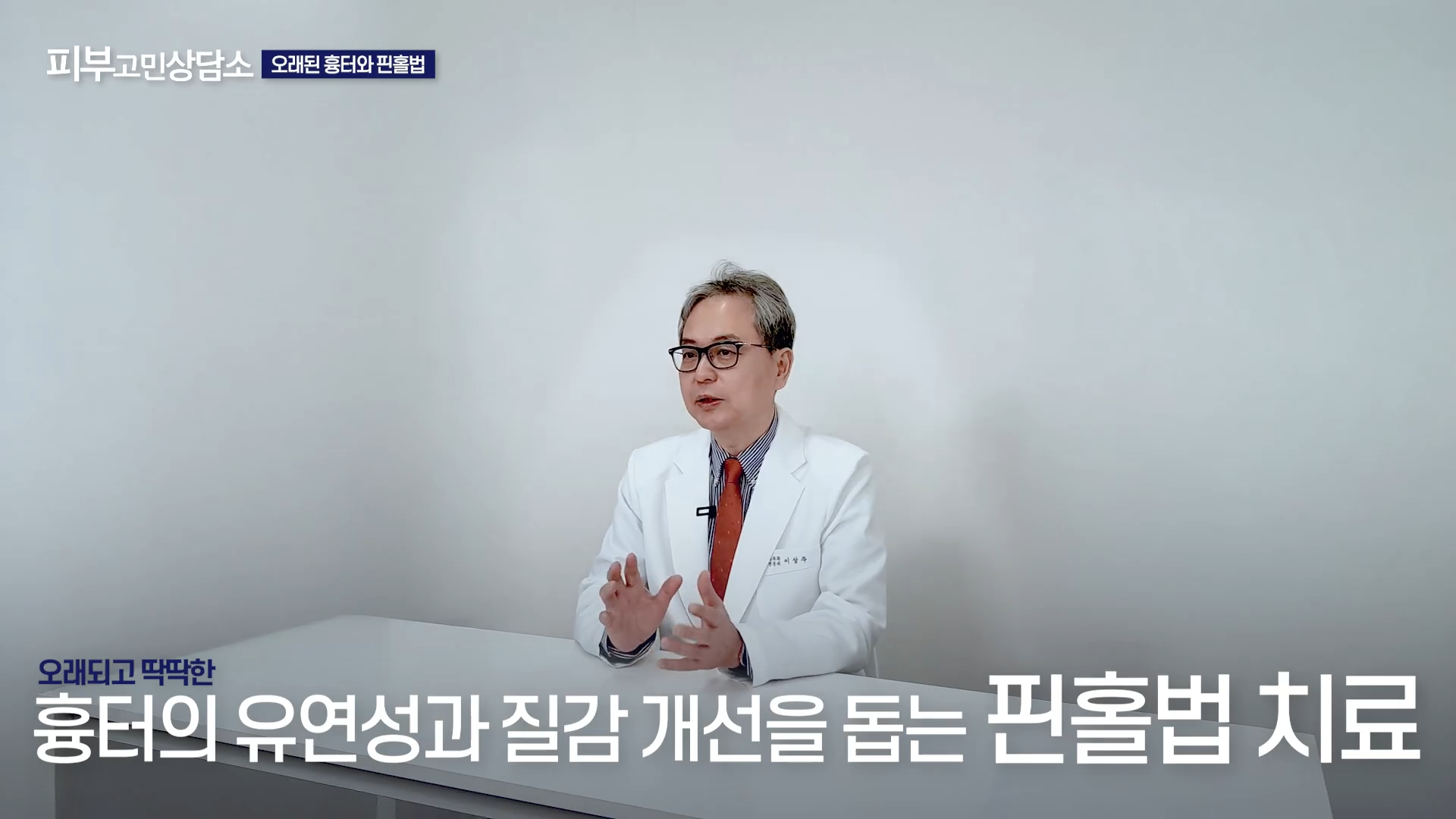
The Pinhole Technique uses high-output laser energy to create microscopic holes deep within the scar, loosening hardened fibrous tissue and inducing new collagen production. As new cells fill these holes, the skin's original texture, which had disappeared, is restored, and the shiny scar texture becomes more harmonious with the surrounding skin.
While ointments and general lasers focus on lightening color, the Pinhole Technique differs in its approach by aiming for the recovery of the texture itself. Depending on the depth and condition of the scar, methods with varying intensities such as Mild Pinhole or Pinhole Alpha may be chosen, and in cases of severe widening, Surgical Scar Revision may also be considered.
Treatment Direction Varies by Scar Depth
The core of thyroidectomy scar treatment is to restore the continuity of the broken skin texture. The ultimate goal of treatment will likely be to regain a daily life where you don't have to be conscious of the scar, and the confidence to freely expose your neck.
| Scar Condition | Considered Approach | Goal |
|---|---|---|
| Early, redness | Vbeam Prima and other vascular lasers, consistent care | Prevent worsening |
| Older scars | Ultrapulse Alpha, StarLux, and other scar lasers | Improve texture, marks |
| Thick, raised scars | Consider combining with Triamcinolone Scar Injection | Control thickness |
In the early stages, vascular lasers and consistent care can prevent worsening, and even for older scars, scar laser treatment can aim to improve thyroidectomy scar marks. Since the direction varies depending on the condition and depth, it is highly recommended to consult with a specialist to establish a personalized plan.

Neck scars are often difficult to assess on your own due to the characteristics of the area. If you're curious about which stage your scar is in or what approach might be right for you, feel free to ask below.
💬 Consult Now
Chief Director Lee Sang-joo (MD, PhD, Yonsei University College of Medicine & Graduate School, Completed Dermatology Residency at Severance Hospital, President of the Korean Dermatological Association) Chief Director Lee Sang-joo's Profile First Published 2026-04-13 / Last Reviewed 2026-06-16
This content is for general information purposes only, and treatment responses and recovery patterns may vary by individual. Accurate diagnosis and treatment direction should be determined through consultation with medical staff.