
![[Yonsei Star Dermatology Sinchon] Contact Dermatitis Symptoms, Causes, and Management](/_next/image?url=https%3A%2F%2Fagqdgbuateknhwpocrgu.supabase.co%2Fstorage%2Fv1%2Fobject%2Fpublic%2Fassets%2Fyonsei-star%2Fblog%2F224367991324%2F1.jpg&w=3840&q=75)
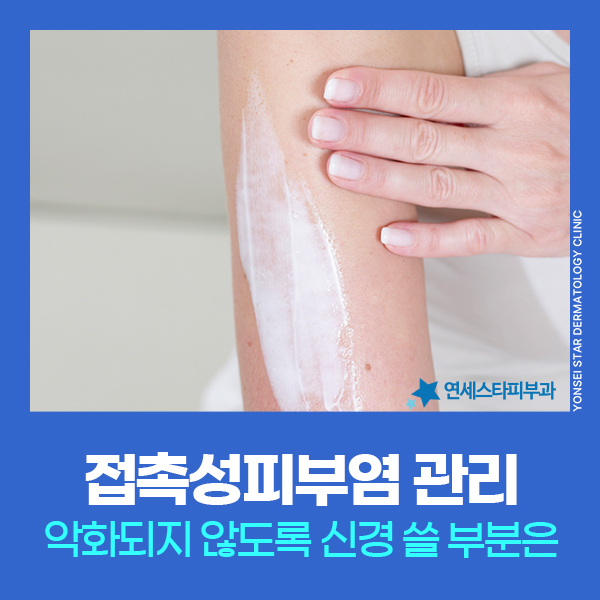
If your skin suddenly becomes red, itchy, or stings, it's easy to dismiss it as a simple skin problem. However, if these symptoms recur after your skin comes into contact with a specific substance, you may need to suspect contact dermatitis.
It commonly occurs in areas frequently exposed to the external environment, such as the hands or face. If the cause is not accurately identified, symptoms may recur or become chronic. Today, we will explore the causes and main symptoms of contact dermatitis, as well as its treatment and daily management methods.
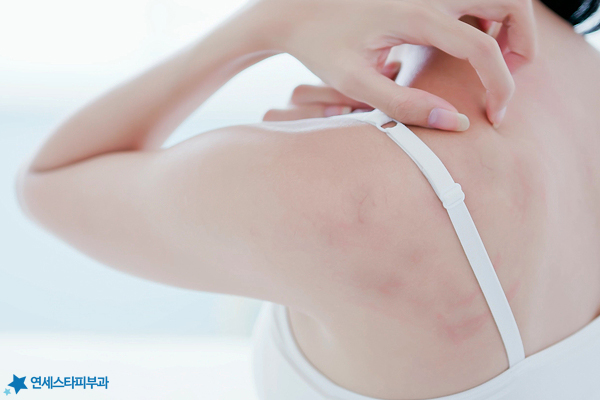
What is Contact Dermatitis?
Contact dermatitis is a skin condition where an inflammatory reaction occurs after the skin comes into contact with a specific substance. It can be caused by substances that are irritating to anyone, or it can appear only in individuals who have an allergic reaction to certain ingredients.
Even if the symptoms appear similar, the cause and treatment direction can differ, so accurate identification of the cause is important. What are the causes of contact dermatitis? The causes of contact dermatitis can be broadly divided into irritant contact dermatitis and allergic contact dermatitis.
Irritant Contact Dermatitis
- Irritant Contact Dermatitis
This occurs when the skin barrier is damaged by repeated contact with substances that directly irritate the skin. Strong alkaline components, in particular, can damage the lipid layer that protects the skin and cause skin moisture to evaporate easily, leading to dryness and skin barrier damage. Repeated irritation can lead to contact dermatitis or chemical damage, and continuous exposure can be a cause of chronic inflammation.
Allergic Contact Dermatitis
- Allergic Contact Dermatitis
This is dermatitis caused by an immune reaction to specific ingredients.
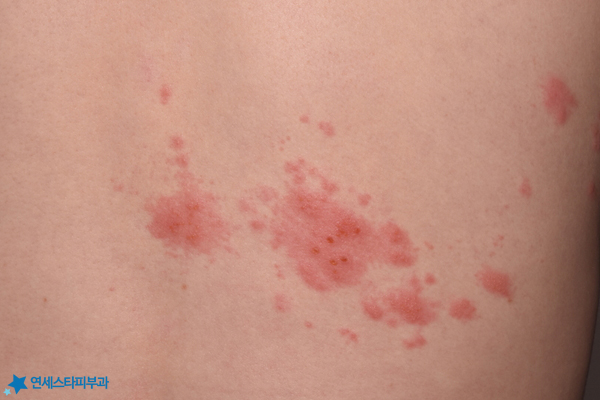
These Symptoms May Appear
Furthermore, symptoms may appear even with substances that were previously not problematic, after repeated exposure. The severity of these contact dermatitis symptoms varies from person to person, but the following changes may occur:
-
The skin turns red.
-
Itching is severe, and it stings or burns.
-
The skin is dry and cracked.
-
Small blisters appear.
-
The skin peels or oozes.
Initially, it may start with a simple stinging sensation, but if the irritation continues, redness and itching may persist and progress to contact dermatitis. Therefore, if symptoms recur, it may be helpful to check your skin condition.

Treatment Starts with Identifying the Cause
In the treatment of contact dermatitis, the most important thing is to identify the cause of the symptoms and reduce contact as much as possible. This is because if you continue to come into contact with the causative substance, there is a possibility of recurrence even after treatment.
Depending on the skin condition, the medical staff will comprehensively check the severity of the symptoms and the cause, and then establish an appropriate treatment plan. If symptoms are severe or inflammation persists, treatment tailored to the skin condition may be considered, and it is important to manage it to prevent progression to secondary infection or chronic dermatitis.
Daily Management
For contact dermatitis, not only treatment but also daily management is important.

-
Reduce the use of strong cleansers.
-
Wear protective gloves when washing dishes or cleaning.
-
Moisturize sufficiently after washing hands.
-
Test new cosmetics in a small amount first.
-
Avoid scratching or irritating the skin.
As the skin barrier remains healthy, its defense against external stimuli increases, so consistent moisturizing care can also be helpful.

Contact dermatitis is a common skin condition, but if the cause is not properly identified, the same symptoms may recur. Rather than neglecting it as simple dry skin or a temporary problem, if symptoms recur or persist to the point of causing discomfort in daily life, it is important to accurately check your skin condition and find an appropriate management direction.
The management method for dermatitis can vary depending on the cause. If you experience recurring redness, itching, and stinging, we recommend consulting with medical staff to check your current skin condition and establish a personalized management plan.

In Summary
If you experience recurring redness, itching, and stinging, we recommend consulting to check your current skin condition and establish a personalized management plan.
Author · Chief Director Lee Sang-joo (Dermatologist) Chief Director of Yonsei Star Dermatology Sinchon, he has long specialized in pigment and scar treatment. He will serve as the President of the Korean Dermatological Association in 2026 and is an adjunct professor at the Department of Dermatology, Yonsei University College of Medicine. His clinical history can be found in his profile. · Last reviewed August 6, 2026
This article provides general medical information. Treatment methods and results may vary depending on the condition of contact dermatitis and individual skin characteristics. Please consult with a dermatologist for an accurate diagnosis and treatment plan.