


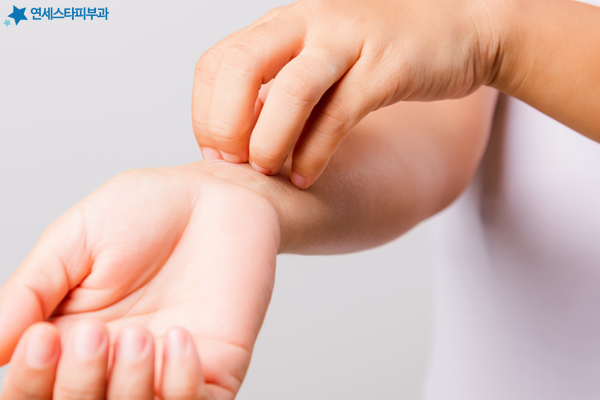
The wrist is often mentioned as a body part where tattoo removal is not easy. Tattoo ink is injected into the dermis, not the epidermis, and this layer is deep within the skin, making the ink difficult to erase once it settles.
Furthermore, areas with thin skin or complex vascular and nerve structures, like the wrist, can have sensitive recovery after treatment, and the risk of irritation or side effects may also increase.
Conditions that Create Difficulty
| Condition | Situation on the Wrist |
|---|---|
| Skin Thickness | Relatively thin, so recovery is sensitive |
| Vascular and Nerve Structure | Complex pathways |
| Ink Particle Size | Larger particles are slower to break down and be expelled |
| Color Composition | Becomes more challenging when multiple colors are mixed |
The difficulty also varies greatly depending on the color. In particular, removal becomes more difficult if the following colors are added:
- Yellow
- Green
- Blue
- Purple
- Orange
The larger the ink particles, the harder it is for the body to break them down and expel them.
For these reasons, wrist tattoo removal requires more treatment sessions, sophisticated techniques, and meticulous care.

The Nanosecond Era
Past laser methods using nanoseconds generally showed good progress. However, it took a long time, and the number of sessions varied considerably depending on the ink composition, color, and area, often taking more than a year.
The Strength of Ultrafast Pulses in Small Areas
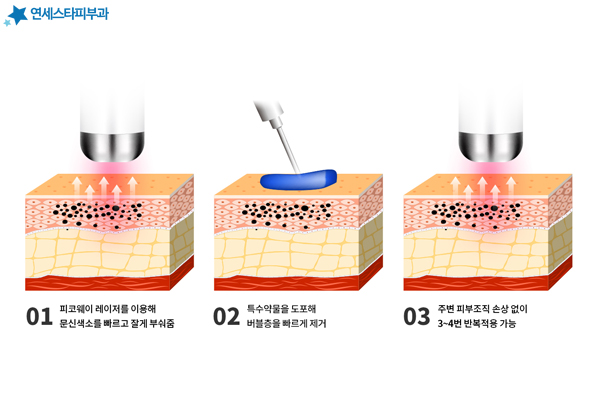
PicoWay irradiates lasers with a short pulse width of picoseconds, or one trillionth of a second. Thanks to these ultrafast pulses, it helps selectively destroy ink particles while minimizing damage to surrounding healthy skin tissue.
It is particularly effective for small and delicate areas such as the wrist, ankle, and fingers. It can precisely irradiate even small areas, allowing for a relatively safe approach to thin skin like the wrist.
Equipment configurations are detailed in R-Zero Pico-Frectat Tattoo Removal, and other methods are summarized in Nd:YAG Tattoo Removal.

The Condition of Four Wavelengths
The fact that PicoWay has four wavelengths, allowing adjustment for various colors that were difficult to remove with existing lasers, is also a strength. Compared to the general use of one or two wavelengths, there are many reports that it can respond with multiple wavelengths.
Erasing Bubbles and Continuing Irradiation
R0 is a method that quickly removes the white bubble phenomenon that appears on the skin surface after laser irradiation using a special medication. By clearing away the bubbles that interfered with irradiation, the same area can be re-irradiated consecutively.
This allows the laser to pass through up to four times in one session, reducing the overall removal period. This is why it is gaining attention as an option to reduce time, cost, and recovery burden in areas with thin skin and frequent movement, like the wrist.
However, the R0 method is not available at all clinics, and results can vary significantly depending on the practitioner's experience, skin condition, and ink condition.
Post-Treatment Care and Realistic Goals
After the procedure, follow-up care such as UV protection, moisturizing, and avoiding irritation should continue. Also, check if a scar prevention system, such as Pinhole for Burn & Surgical Scar, is in place to prevent laser-induced scars in advance.
The wrist is a challenging area for removal, but with technological advancements, the possibilities are much wider than before. Rather than expecting complete removal in one go, setting realistic goals, thorough aftercare, and choosing a trustworthy practitioner are key.
The overall process can be found in Tattoo Removal Treatment Guide, and consultations tailored to your situation can be continued by chatting with us now.

Authored and Medically Reviewed by Chief Director Kang Jin-moon (Dermatologist) Graduated from Yonsei University College of Medicine · Resident in Dermatology at Severance Hospital · Currently Adjunct Professor, Department of Dermatology, Yonsei University College of Medicine Member of the Korean Dermatological Association · Korean Society for Laser Medicine and Surgery · Author of Medical Body Care View Medical Staff Profile
First Published 2025-12-11 · Last Reviewed 2026-07-29
This article contains general medical information and does not substitute for individual diagnosis and treatment. Results and recovery may vary from person to person.